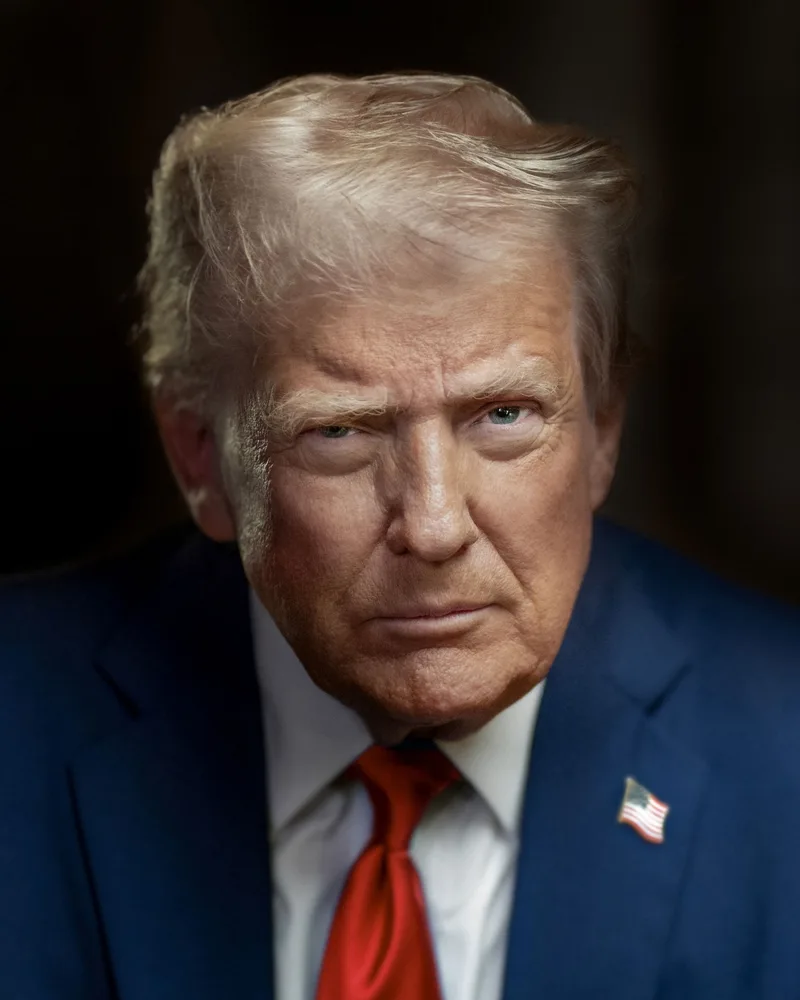
Trump Says Iran Is Looking at Chemical and Biological Weapons and Vows to Wipe Them Out
The latest trump iran bioweapons claim came in a Fox News interview broadcast on Thursday 19 November 2026. President Donald Trump said there are indications Iran is exploring chemical and biological weapons, and he said the United States would wipe Iran out if an attack happened. Trump offered no evidence for the claim. The interview was given to White House correspondent Jacqui Heinrich during Trump’s trip to China, and the remarks followed a CNN report that cited US intelligence about a possible Iranian chemical weapon plot in Washington, DC. They came as Trump considers a new round of military strikes against Iran, while US officials say there is no imminent threat to the capital.
Table of Contents
What Trump Said in the Fox News Interview
Trump spoke to White House correspondent Jacqui Heinrich during his trip to China. He said: “There is indication that Iran is looking at gases, looking at bio, because we’ve shut them out with the nuclear. Nuclear is much harder. And they’re looking at gas and they’re looking at the bio, you know, the biological weapons, not nice. And other things.” Trump offered no evidence for the claim.
Trump also spoke about the year ahead, saying: “We’re going to have a new year coming up, and we’ll see what happens after January 1. But they’ve been nasty,” without explaining what the date means. Asked whether people in Washington, DC, should be concerned about a possible attack, he said “I don’t think so, no,” but added: “If it does happen, we wipe them out.” When asked if that was a promise, he replied “I give you my word.”
The CNN Report Behind the Remarks
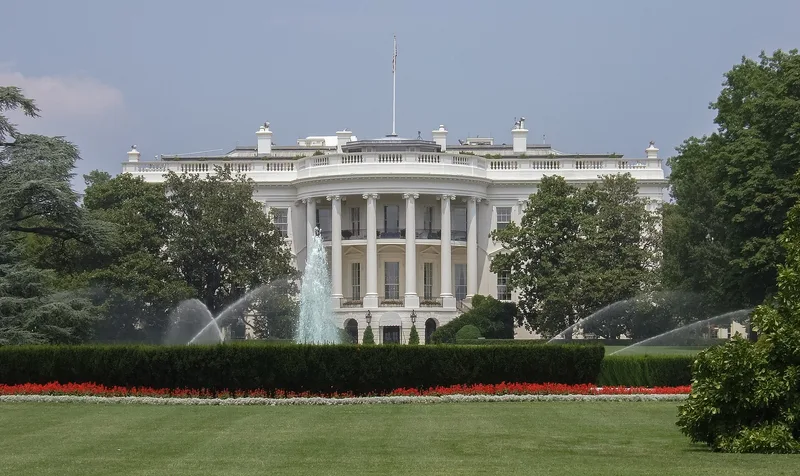
The trump iran bioweapons claim followed a CNN report on Tuesday citing US intelligence. The report, based on seven US officials, indicated that Iran may be developing plans to target senior officials in Trump’s administration with a chemical weapon in Washington, DC, possibly a radioactive “dirty bomb”, meaning conventional explosives spreading radioactive material. The intelligence reportedly included intercepted communications and claims that materials had been positioned inside the US. Officials had not independently verified those claims or established that Tehran had the means to carry out such an attack.
The report is the subject of our earlier coverage of the Iran dirty bomb plot targeted Washington. Our earlier coverage also reported that Iran threats to Americans have surged.
Iran Denies the Report
Iran’s Foreign Ministry called the CNN report “baseless”. Its spokesman, Esmaeil Baqaei, said on Tuesday that the report was baseless. The denial of the trump iran bioweapons claim was issued on the same day as the CNN report, and it rejected the account of an Iranian plot to target senior US officials in Washington.
What US Officials Said on Wednesday
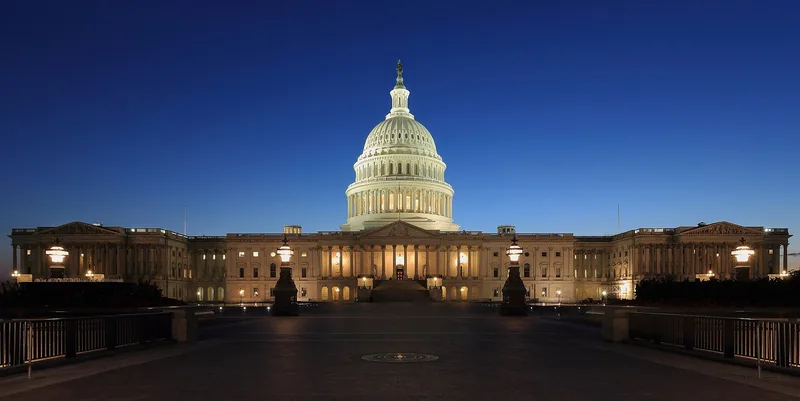
On Wednesday, Secretary of State Marco Rubio responded to the trump iran bioweapons claim and said he did not think there was any imminent threat to the US capital. Homeland Security Secretary Markwayne Mullin echoed that, confirming there was no indication of an upcoming attack.
Israel, Intelligence and Pressure for New Strikes
According to two Israeli officials, Israel has conveyed intelligence to the US over the past two weeks on Iran’s buildup of military capabilities, including the development of chemical weapons. The chief of Israel’s Mossad, Roman Gofman, visited the US and advocated resuming joint US-Israeli strikes against Iran. The New York Times reported on Wednesday that Israeli intelligence had uncovered an alleged Iranian plot to use chemical agents against senior American officials.
Trump is still considering a new round of military strikes against Iran amid pressure from Israel, according to the New York Times, citing officials. Our earlier coverage reported that Trump weighs new Iran strikes as that pressure has grown. Related coverage: US strikes Iran Qeshm Island missile site.
Iran’s Treaty Record and the Long Debate
Iran is a signatory to the Biological Weapons Convention run by the UN Office for Disarmament Affairs, which it ratified six years before the 1979 revolution, and it is a party to the Chemical Weapons Convention, which it ratified in 1997. Western intelligence agencies have long maintained that Iran is pursuing unconventional capabilities, and whether Iran has had a chemical or biological weapons programme has been debated for decades without a firm conclusion.
A report by the Royal United Services Institute, known as RUSI, said Iran’s biological weapons programme is believed to have accelerated since the Iran-Iraq War, which ended in 1988. After Iraq used chemical weapons extensively in that war, Tehran resolved never again to accept such an asymmetry, and a sustained effort to develop biological agents under civilian research cover followed. For official US statements on Iran, see the US Department of State.
What Analysts Say About the Trump Iran Bioweapons Claims
Analyst Hamish de Bretton-Gordon, a former British Army officer, said: “It is also possible they are looking at biological weapons. With the advent of AI-enabled bio weapons, they have the potential to be as devastating as nuclear weapons at a fraction of the cost and time.”
RUSI associate fellow Dan Kaszeta said of the trump iran bioweapons claim: “this is an area where things are incredibly vague”. Atlantic Council fellow Jacek Siewiera said a research programme does not by itself establish the ability to carry out an operation abroad, and a credible assessment would require corroborated information about capability, operational reach and intent.
The Iraq Caution
Cambridge professor Glen Rangwala noted that successive US administrations have made unfounded allegations about Middle Eastern countries possessing weapons of mass destruction. The United States invaded Iraq in 2003 claiming that Saddam Hussein had chemical, biological and nuclear programmes. A Senate committee found that the CIA and others in the George W. Bush administration manipulated evidence. No stockpiles or evidence of a programme were ever found in Iraq.
The Broader Standoff
Destroying Iran’s nuclear programme was one of Trump’s main justifications when he launched strikes against Iran in February alongside Israel. In recent weeks Trump has alternated between threats of escalation and indicating he could wind down hostilities, with the two sides in a standoff.
The trump iran bioweapons claim rests, for now, on the president’s word and on intelligence reports that officials have not verified in public. Trump said Iran is looking at gases and biological weapons, offered no evidence, and vowed to wipe Iran out if an attack happens. US officials say there is no imminent threat to Washington, Iran calls the report baseless, and analysts say the evidence is vague. Until evidence is published, the claim remains an allegation, and the Iraq precedent shows why that distinction must be kept in view.
Frequently Asked Questions
What did Trump claim about Iran?
In the trump iran bioweapons claim, Trump said there are indications Iran is exploring chemical and biological weapons. He said Iran is “looking at gases, looking at bio”, because the nuclear route has become much harder after US action.
Did Trump provide evidence for the claim?
No. Trump offered no evidence for the claim in the Fox News interview. The CNN report behind the remarks cited US intelligence, but officials had not independently verified those claims.
What did the CNN report say?
The CNN report, citing seven US officials, indicated Iran may be developing plans to target senior officials in Trump’s administration with a chemical weapon in Washington, DC, possibly a radioactive “dirty bomb”. Officials had not independently verified those claims.
What did US officials say about the threat to Washington?
Secretary of State Marco Rubio said he did not think there was any imminent threat to the US capital. Homeland Security Secretary Markwayne Mullin echoed that, confirming there was no indication of an upcoming attack.
Is Iran a party to treaties banning chemical and biological weapons?
Yes. Iran is a signatory to the Biological Weapons Convention, ratified six years before the 1979 revolution, and a party to the Chemical Weapons Convention, ratified in 1997. Western intelligence agencies have long maintained that Iran is pursuing unconventional capabilities.
