
Iran Threats to Americans Have Surged, US Intelligence Chief Warns
Iran threats to Americans have substantially increased, Director of National Intelligence Jay Clayton told Congress on Wednesday, November 18, 2026, as the United States tightens its naval blockade and warns Tehran against further attacks. Clayton told the House Homeland Security Committee that Iranian lethal plotting against Americans has grown sharply since the war began in February. “Our women and men abroad, our women and men here in the United States, are under greater threat,” he said. His warning came as US officials ruled out any link between Iran and the recent wave of technology outages, and the State Department told Americans in Saudi Arabia and Bahrain to stay alert.
Table of Contents
What Clayton Told Congress
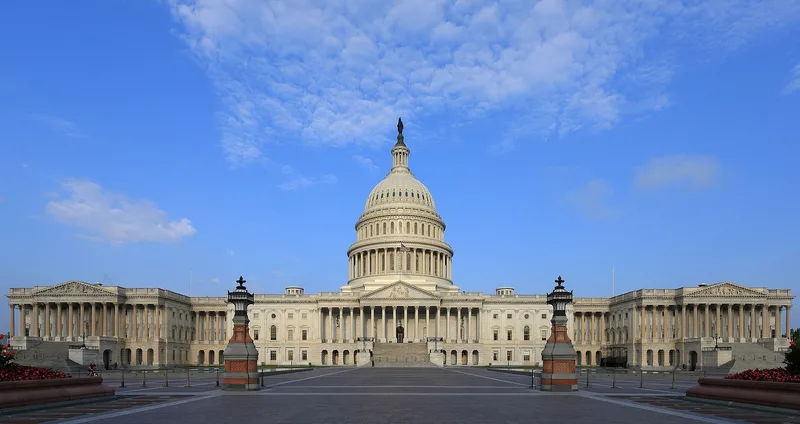
Clayton testified at a hearing of the House Homeland Security Committee titled “Worldwide Threats to the Homeland: 25 Years After 9/11.” He testified alongside Homeland Security Secretary Markwayne Mullin and FBI Deputy Director Christopher Raia, and the Iran threat dominated the proceedings. “We remain committed to detecting, deterring, and combating the Iranian lethal plotting outside the United States and inside the United States,” Clayton said. “These threats have substantially increased.”
The hearing took place against a fast-moving war. The United States and Israel launched coordinated strikes on Iran in February, and although major fighting largely ceased in April, the conflict has continued through limited strikes, counter-strikes and a US naval blockade. In recent days, the United States struck an Iranian missile site on Qeshm Island, and Iran answered with strikes on US allies in the Gulf. Our report on the US strike on the Qeshm Island missile site has the full details, and our report on Iran’s retaliation against the US base in Kuwait covers Tehran’s response. His testimony is published through the Office of the Director of National Intelligence and the House Homeland Security Committee.
Lethal Plots at an Advanced Stage
The warning builds on intelligence circulating for weeks. In a memo seen last month by Reuters, Clayton said Iran has ramped up efforts to target US personnel, and lethal plots by Tehran against American citizens have reached “advanced stages.”
A CNN report this week cited US intelligence assessments on a possible Iranian dirty bomb attack in Washington. Clayton was asked repeatedly about that report during the hearing. He declined to address the intelligence directly, but he acknowledged that such threats were not new. “There are a suite of threats that are that we refer to as, you know, civilian mass destruction threats or whatever you want, and they have been around for a long time,” he said. Our earlier report on the reported Iranian dirty bomb plot covers what remains unconfirmed.
Secretary of State Marco Rubio, who was traveling in Asia with President Donald Trump, said on Wednesday that he did not think there was any imminent threat to the US capital. Trump said on Tuesday that the United States was taking seriously the possibility that Iran could be planning an attack. The officials did not publicly confirm reports that Iranian sleeper cells were preparing attacks inside the United States, and those claims should be treated as unconfirmed.
The Outages Were Not an Attack
The hearing also addressed a question that has unsettled Americans for a week: whether the string of outages that hit airlines, banks and government systems was a coordinated attack. Clayton said it was not. “We have no indication that these events are related,” he told the committee. “These are separate service outages associated with maintenance and technical changes. They are not a coordinated or state-sponsored attack.”
Intelligence officials reached that conclusion after examining the incidents with government agencies and private-sector cybersecurity experts. It covers the nationwide aviation ground stop, the classified NSA network outage, and the disruptions at Apple and banks. Our report on the NSA outage that knocked out the classified network covers one of the most serious incidents in that wave.
That does not mean Iran has left American systems alone. In written testimony, Secretary Mullin said the Iranian government and Tehran-backed actors had targeted American transportation, financial services, energy, healthcare and water systems since the war began in February, and that Iranian cyber activity had intensified. The distinction matters: Iranian hackers have hit US critical infrastructure, but the recent outages were not their work.
US Tightens the Naval Blockade
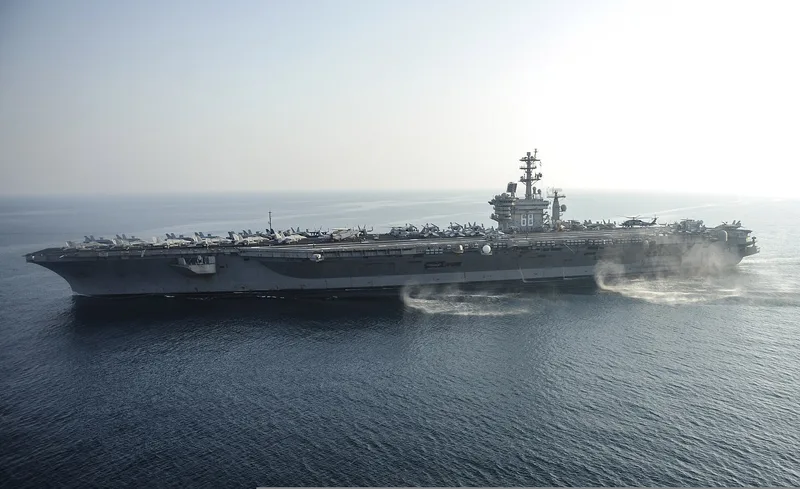
While Clayton testified, the US military moved to tighten its naval blockade on Iran. US Central Command said on Wednesday that it will treat ships that receive cargo at sea from vessels loaded in Iran as attempting to evade the blockade of Iranian ports, and could take action against them.
“Any ship that receives cargo via a ship-to-ship transfer with a vessel subject to the blockade and carrying cargo loaded at an Iranian port or coastline may be considered to be evading the blockade, even if it has not entered Iranian ports or the Iranian coastline,” Central Command said.
Such ships may be stopped, boarded, diverted, captured, or directed to the Iranian port where the cargo originated. Ships that fail to comply immediately with lawful orders could face enforcement action, “including the use of force consistent with applicable law.” The naval blockade on Iran-related oil exports was first imposed on April 13 and lifted in June after Washington reached a draft understanding with Tehran. It was reimposed on July 14 after the agreement collapsed.
Iran has sought to obstruct the Strait of Hormuz, a vital route for global oil and gas. Iran has managed to export some liquefied petroleum gas and jet fuel since July, despite the blockade, shipping sources told Reuters in October. Its crude exports, however, have remained near a standstill for months.
The State Department also reissued security warnings to American citizens in Saudi Arabia and Bahrain on Wednesday, calling for “heightened vigilance,” after both countries came under attack from Iran and its proxy in Yemen, the Houthis. The Houthis attacked Saudi Arabia again on Wednesday, and Bahrain said it was attacked for a second day in a row.
What Happens Next
The hearing left open the biggest question: whether the United States and Israel will renew major attacks on Iran. On Wednesday, US Central Command chief Admiral Brad Cooper was in Israel for talks with senior security officials. On Wednesday evening, Channel 12 in Israel reported, without citing a source, that Israel is considering military action against Iran in the coming days. Netanyahu met with top aides to discuss security challenges on Wednesday evening, according to the report. Eisenkot has said he sees no need for an immediate resumption of fighting.
For Americans, the message is clear: the intelligence chief says the threat from Iran has grown substantially, the government says the recent outages were not an attack, and the military is tightening the pressure at sea.
Frequently Asked Questions
What did Jay Clayton say about Iran threats to Americans?
Clayton told the House Homeland Security Committee that threats from Iran to Americans have “substantially increased” since the war began in February.
Is there an imminent threat to Washington?
Secretary of State Marco Rubio said on Wednesday that he did not think there was any imminent threat to the US capital. President Trump said on Tuesday that the United States was taking the possibility seriously. Clayton declined to discuss the specific intelligence.
Were the recent tech outages caused by Iran?
No. Clayton told Congress there is no indication the outages are related and that they were not a coordinated or state-sponsored attack. Iranian hackers have targeted US critical infrastructure, but officials say the recent outages were caused by maintenance and technical changes.
What is the US naval blockade on Iran?
The United States first imposed the blockade on April 13, lifted it in June after a draft understanding, and reimposed it on July 14. On November 18, Central Command warned that ships receiving Iranian cargo at sea could be stopped, boarded, diverted or captured.
What should Americans in the Gulf do?
The State Department reissued security warnings on November 18 to Americans in Saudi Arabia and Bahrain, calling for “heightened vigilance” after both countries came under attack.
Conclusion
Jay Clayton’s testimony put the Iran threat in plain terms: lethal plotting against Americans has grown substantially, at home and abroad. At the same time, the hearing cleared up a week of fear about the outages, ruling out a coordinated attack, and the military tightened the blockade that has kept Iranian crude exports near a standstill. Wednesday’s hearing showed that Washington believes the danger to Americans is rising, not falling. What happens next depends on whether Tehran, Washington and Jerusalem choose escalation or restraint.
