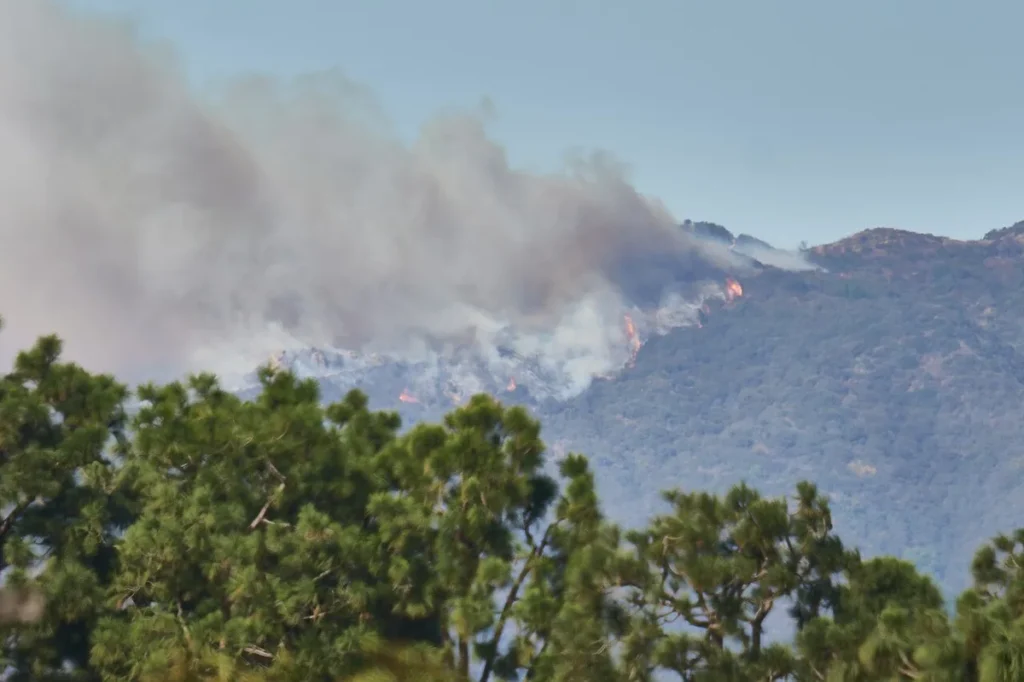
Man Found Guilty of Starting Deadly Palisades Fire in Los Angeles
A federal jury has found the man accused of starting the Palisades Fire guilty of arson, closing one of the most closely watched chapters of the disaster that killed 12 people and destroyed entire neighborhoods in Los Angeles and Malibu in January 2025. Jonathan Rinderknecht, 30, was convicted on Friday, November 20, 2026, on two federal counts after a 14-day retrial. The palisades fire conviction came nearly two years after the blaze began, and five months after his first trial ended with a hung jury.
Rinderknecht, a former Uber driver, now faces between 10 and 40 years in federal prison. He is scheduled to be sentenced on March 17, 2027. The verdict brought a measure of closure to families who lost loved ones and to thousands of residents whose homes burned, though the defense has already said it will review its options for an appeal.
Table of Contents
The Verdict: Guilty on Both Counts
Jurors in the Central District of California convicted Rinderknecht of destruction of property by means of fire and arson affecting property used in interstate commerce. The verdict was delivered on the third day of deliberation. With little apparent reaction, Rinderknecht gave his attorneys hugs before leaving the courtroom, according to the Associated Press.
The scope of the first charge was narrowed to only include the fire Rinderknecht lit on January 1, 2025, known as the Lachman Fire. The second charge addresses the Palisades Fire itself, which grew out of that first blaze. He was convicted on both charges. Each count carries a mandatory minimum of five years and a maximum of 20 years in federal prison.
Bill Essayli, the top federal prosecutor in Los Angeles, said the verdict was a “testament of the hard work” his team put into the case. “Jonathan Rinderknecht deliberately ignited a fire that killed 12 people and devastated an entire community,” Essayli said in a statement. “We were determined to hold him accountable, and today’s guilty verdict delivers a measure of justice for the families who lost loved ones and the thousands whose lives were upended.”
Rinderknecht’s attorney, Steve Haney, said in a statement that the defense was disappointed in the verdict but respected the jury process. “After a lengthy deliberation, they clearly gave this case a great deal of consideration,” Haney said. Regarding an appeal, he said the defense would review all of its options at the right time.
One juror later explained why the verdict went the way it did. Juror No. 3, who asked to be identified only by his first name, Cameron, said he was the only person who felt Rinderknecht was not guilty at the start of deliberations. Another juror was undecided, and the other 10 believed he was guilty. “It took a lot for me to be convinced otherwise,” Cameron said. “After listening to every single point, I do now agree that he’s guilty.” He said that in the end, it was Rinderknecht’s own testimony that was the strongest evidence pointing to a guilty verdict.
How the Palisades Fire Started
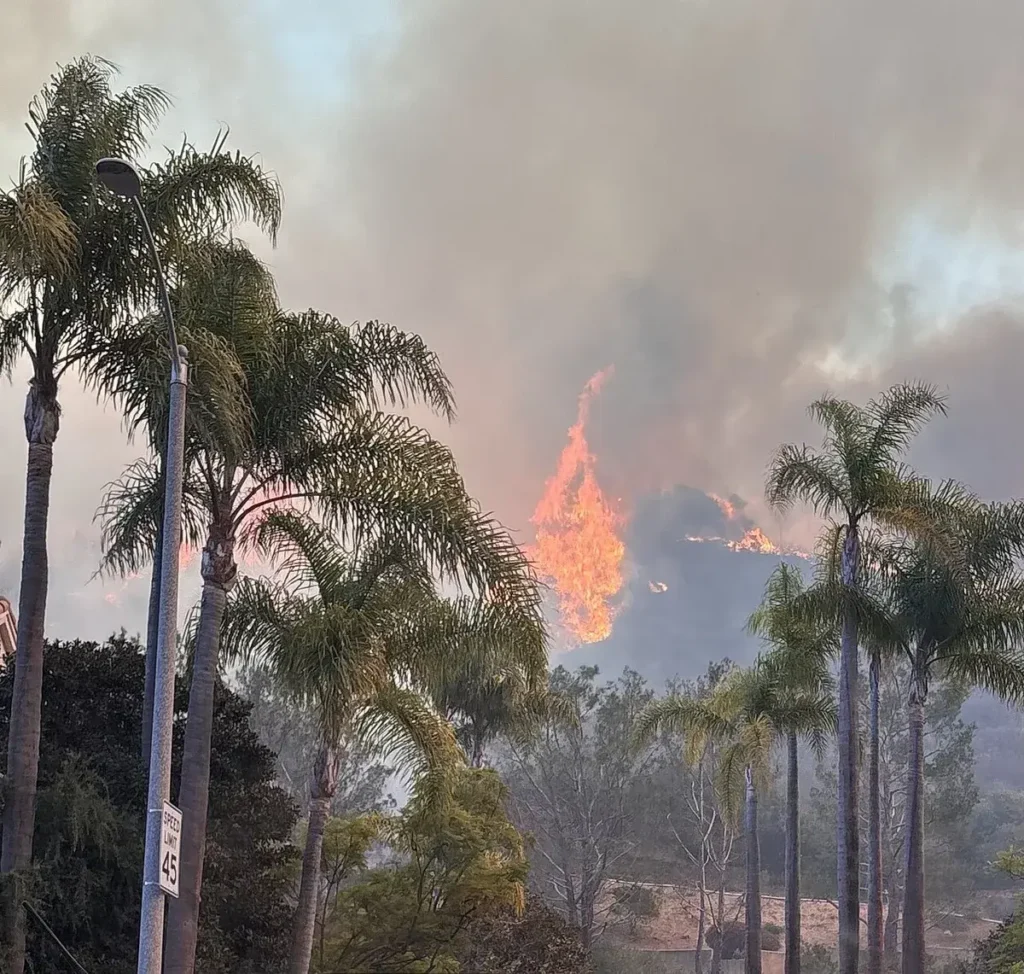
Prosecutors say Rinderknecht lit the fire in the early hours of New Year’s Day 2025, in the hills above Pacific Palisades, near where he had once lived with a former partner. According to prosecutors, he started the blaze after a frustrating night in which he had been unable to find companionship on New Year’s Eve. The then-29-year-old had been working as an Uber driver, and his final passengers of the night later recalled that he was angry, that he listened to a rap song depicting setting things on fire, and that an AI-generated image of a city burning was found on one of his devices.
The fire he started, the Lachman Fire, appeared to be put out. Firefighters believed they had extinguished the flames. But the fire continued to burn unnoticed underground, deep in root systems, for six days. On January 7, 2025, strong winds fanned the smoldering embers back into open flame, and the blaze roared through Pacific Palisades and Malibu. Fire investigators call this a holdover fire, and prosecutors presented extensive testimony on how they determined the Palisades Fire was a holdover from the initial blaze Rinderknecht sparked.
The evidence that led to the palisades fire conviction was built on digital forensics, expert testimony and Rinderknecht’s own behavior. Prosecutors showed photographs placing his car at the base of a trail leading up to where the fire started, and cellphone tower data pointing to his movement on the hill that night. Fire detection camera images showed the time window in which the blaze ignited, and experts ruled out any other source of ignition that night, including fireworks. Uber passengers and text messages sent to his girlfriend at the time showed he had been acting erratic and angry in the hours before the fire. “He was mad at everything, and frustrated,” Assistant U.S. Attorney Mark Williams told the jury.
After the fire began, Rinderknecht called 911 more than a dozen times as he walked down the hill, prosecutors said. They presented the video he screen-recorded on his phone while calling. As he was calling, he asked ChatGPT: “Are you at fault if a fire is lit because of your cigarettes?” Prosecutors said these were part of an alibi Rinderknecht was trying to create for himself. After calling 911, prosecutors said, Rinderknecht returned to the scene to take photos and videos of firefighters fighting the blaze.
The Fire That Destroyed a Community
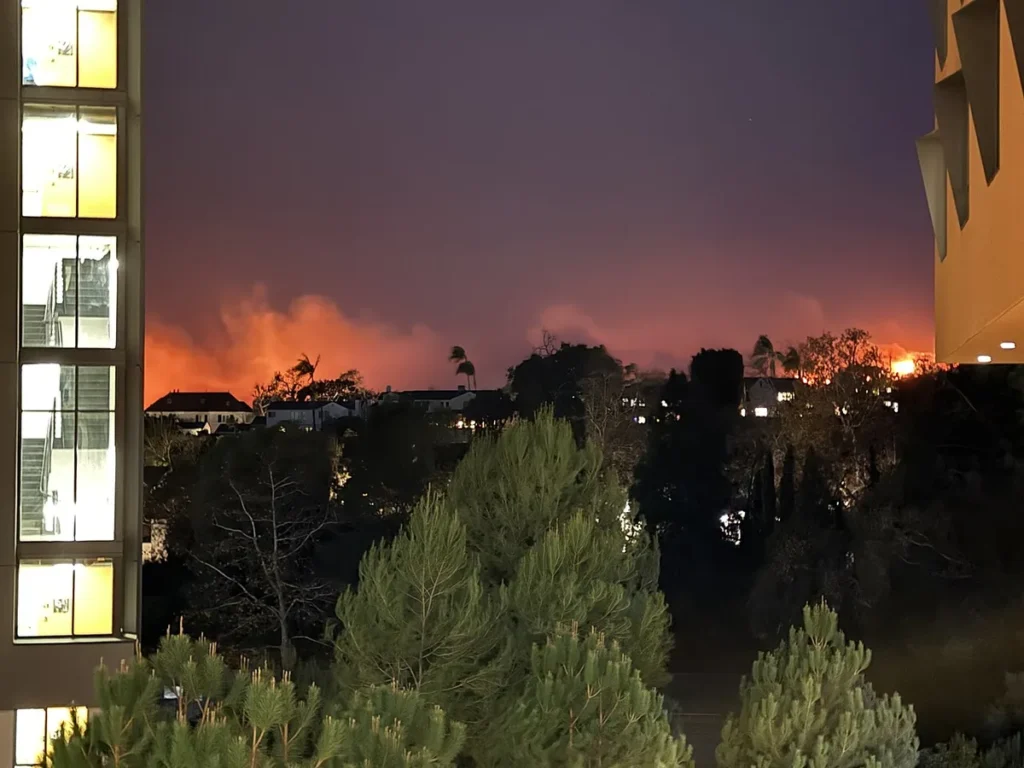
The Palisades Fire became one of the most destructive wildfires in California history and the largest in Los Angeles history. It killed 12 people and incinerated entire neighborhoods in Los Angeles and Malibu. About 23,000 acres burned, more than 6,000 homes and other structures were destroyed, and 30,000 people were forced to flee, USA Today reported. The fire caused more than $200 billion in economic losses, according to CalFire.
The disaster came as California faced a brutal run of weather, from California’s atmospheric river storms to California’s recent king tides that threatened San Francisco Bay.
The scale of the destruction is why the case drew so much attention. For months after the fire, investigators worked to determine whether the blaze had been set deliberately or started by accident. The answer mattered not only for the criminal case but for the thousands of families rebuilding their lives and for the insurance and civil claims that followed the fire. The conviction now establishes, in a federal court, that the fire that destroyed their neighborhoods was deliberately lit.
Why the First Trial Ended in a Mistrial
The November verdict came at Rinderknecht’s second trial. His first federal case, tried in June 2026, ended in a mistrial after the jury deadlocked 10 to 2 in favor of acquittal following a two-week trial. Prosecutors promised to bring the case again, and they did, filing a new indictment for the retrial. They dropped a third charge of timber set afire when they filed the new indictment.
The retrial, which began with jury selection on November 2, ran for 14 days. Prosecutors presented a more tightly organized case the second time, focusing on digital forensic data, expert testimony and Rinderknecht’s state of mind in the hours leading up to the fire. They spent less time on his resentment toward the rich and powerful, an approach the first trial had used to present the crime as arson motivated by “societal revenge.”
The defense fought back hard. Haney cast doubt on the government’s case, arguing that the fire scene could have been compromised because the area was publicly accessible until the Palisades Fire started on January 7. The defense called its own expert witnesses, including a retired fire investigator for the U.S. Forest Service, who argued that the fire’s origin area was different from what the government concluded. Prosecutors attacked that investigator during cross-examination and at one point accused him of perjury, alleging he did not disclose all records related to the case. The judge ultimately rejected the prosecutors’ request to strike his testimony.
Haney also argued that the government could not conclusively say there was no one else near the ignition point that night, pointing to missing cell data records and a neighbor’s testimony that he saw a group of teenagers running away from the direction of the trailhead. He told jurors to disregard evidence related to Rinderknecht’s character, such as his angry text messages, because they were “evidence of the man, not evidence of the act.” Finally, he presented an alternate explanation for what ignited the fire: fireworks. Multiple witnesses, including two neighbors and a local firefighter, said they heard a loud bang or explosion from the direction of the hill. But in the thousands of images collected from cameras in the area that evening, none showed fireworks in the sky above the hill where the fire started, prosecutors said.
Rinderknecht has been in federal custody since he was arrested in Florida in October 2025. He pleaded not guilty to the federal charges.
What Happens Next: Sentencing and Appeals
Rinderknecht is set to be sentenced on March 17, 2027. Each of the two counts carries a mandatory minimum of five years and a maximum of 20 years, so he faces at least 10 years and as much as 40 years in federal prison. The judge will decide the final sentence within those ranges.
The defense has signaled that it will review its options for an appeal, and Haney’s arguments during the trial point to the likely grounds: the disputed origin of the fire, the missing cell data, and the question of whether the jury was swayed by evidence about Rinderknecht’s character rather than the act itself. An appeal would take months or longer to work through the courts.
Beyond the criminal case, civil matters remain pending, and the U.S. Attorney’s Office declined to comment further on those while sentencing and related civil matters are still open. For the residents of Pacific Palisades and Malibu, the verdict answers the question of how the fire started, but the work of rebuilding continues. The palisades fire conviction gives prosecutors, insurers and victims a firm legal finding to build on as the community moves toward recovery.
Frequently Asked Questions
Who was found guilty of starting the Palisades Fire?
Jonathan Rinderknecht, a 30-year-old former Uber driver, was found guilty on November 20, 2026, of two federal counts: destruction of property by means of fire and arson affecting property used in interstate commerce.
When did the Palisades Fire start?
Rinderknecht lit a fire on January 1, 2025, known as the Lachman Fire. It smoldered undetected underground for six days and reignited on January 7, 2025, amid strong winds, becoming the Palisades Fire.
How many people died in the Palisades Fire?
The fire killed 12 people, destroyed more than 6,000 homes and other structures, burned about 23,000 acres and forced 30,000 people to flee. It caused more than $200 billion in economic losses, according to CalFire.
Why was there a second trial?
Rinderknecht’s first trial in June 2026 ended in a mistrial after the jury deadlocked 10 to 2 in favor of acquittal. Prosecutors filed a new indictment and tried the case again, starting November 2, 2026.
When will Jonathan Rinderknecht be sentenced?
He is scheduled to be sentenced on March 17, 2027. He faces a mandatory minimum of five years per count and a maximum of 20 years per count, for a total of up to 40 years in federal prison.
Conclusion
The palisades fire conviction closes a painful question that has hung over Los Angeles for nearly two years: how did the fire that killed 12 people and destroyed whole neighborhoods begin? A federal jury found that Jonathan Rinderknecht deliberately lit the blaze on New Year’s Day 2025, and that it smoldered for six days before roaring back to life. With sentencing set for March 17, 2027, and up to 40 years in prison at stake, the verdict delivers accountability for the families who lost loved ones and the thousands whose lives were upended, even as rebuilding continues.
