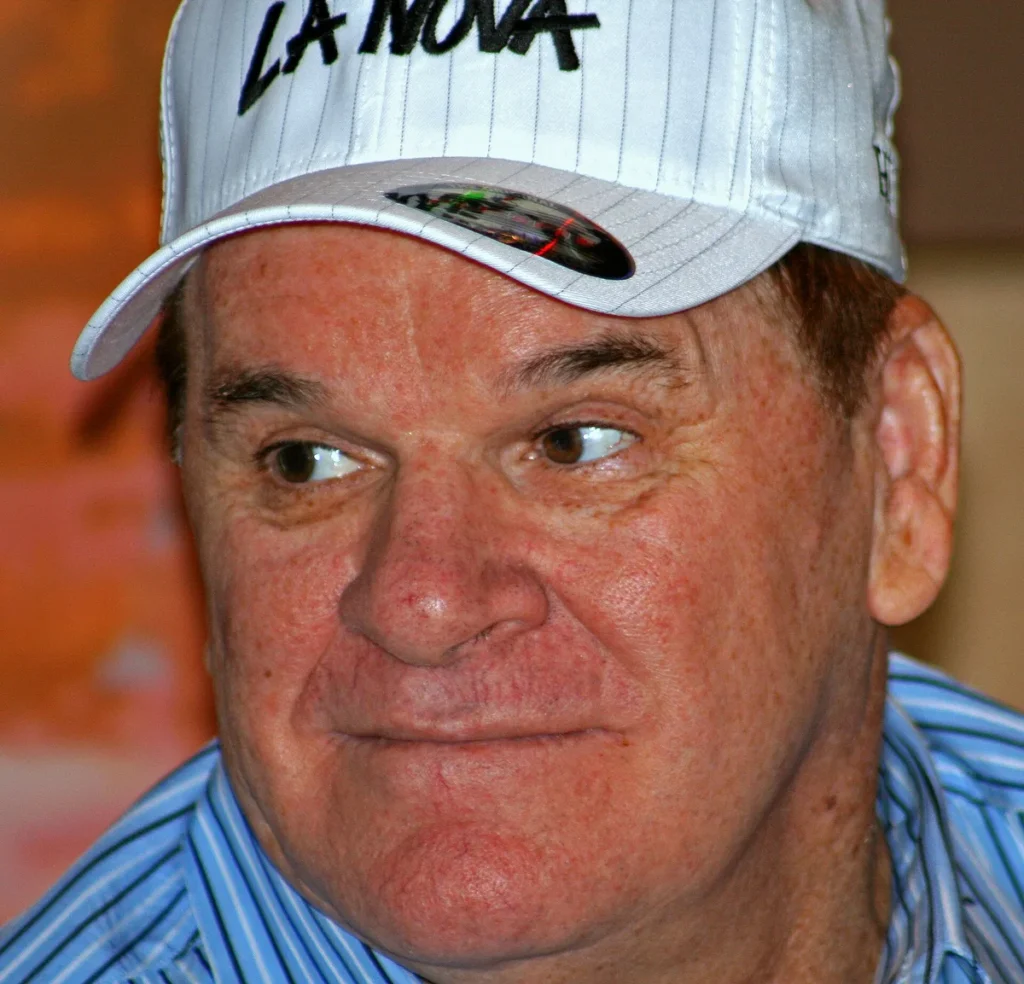
Trump Pardons Pete Rose Posthumously, Baseball’s All-Time Hits Leader
The pete rose pardon was announced on Thursday 19 November 2026, more than two years after the death of baseball’s career hits leader. President Donald Trump said on Truth Social, according to the Associated Press, that he had given a “Complete and Total Pardon” to the late Pete Rose, calling him a true baseball superstar and legend. Trump posted the announcement from Air Force One as he flew home from his trip to Asia, where he had held a summit with Xi Jinping and Vladimir Putin in Shenzhen. The pardon covers Rose’s 1990 federal tax conviction.
It does not change his standing with Major League Baseball, and it does not by itself put him in the Hall of Fame. That distinction matters, because much of the reaction to the announcement has mixed up what a presidential pardon can and cannot do.
Table of Contents
What Trump Announced
Trump posted: “I have just given a Complete and Total Pardon to the Late, Great Pete Rose, a true Baseball SUPERSTAR & LEGEND, whose record of 4,256 Hits in a Season will never be broken.” The hits figure needs a correction: Rose collected 4,256 hits across his whole career, over 24 seasons, not in a single season. It remains the most hits any player has ever recorded.
In the same post, Trump attacked Major League Baseball for keeping Rose out of the Hall of Fame, writing that Rose was treated terribly by the league in not allowing him into Cooperstown. He compared Rose with former pitcher Roger Clemens, who won 354 games and has also been kept out of the Hall.
Who Pete Rose Was
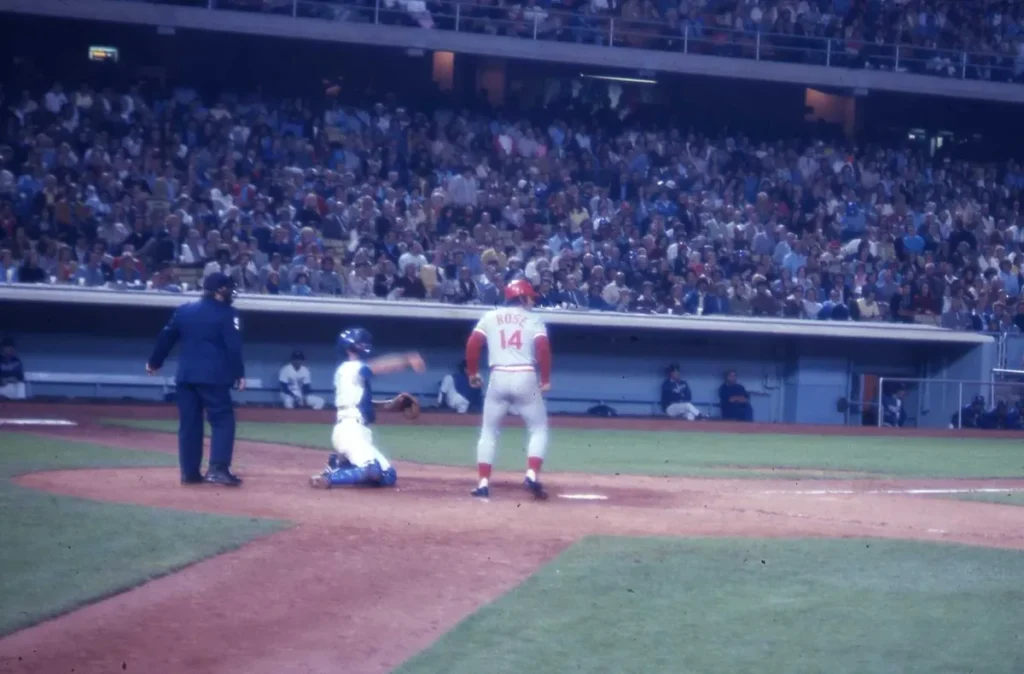
Pete Rose, nicknamed “Charlie Hustle” for the way he sprinted to first base on walks, played in the major leagues from 1963 to 1986, almost all of it with his hometown Cincinnati Reds. He was a 17-time All-Star, the 1963 National League Rookie of the Year, the 1973 National League Most Valuable Player and the 1975 World Series Most Valuable Player, won three batting titles and three World Series championships, and finished with a .303 batting average.
Rose broke Ty Cobb’s long-standing hits record of 4,191 in 1985, with a single against the San Diego Padres on 11 September 1985 in front of a home crowd in Cincinnati. Cobb had set that mark between 1905 and 1928, and many thought it would never be broken. Rose’s relentless style made him one of the most popular players of his era, which is part of why his fall was so dramatic.
The Ban and the Tax Case
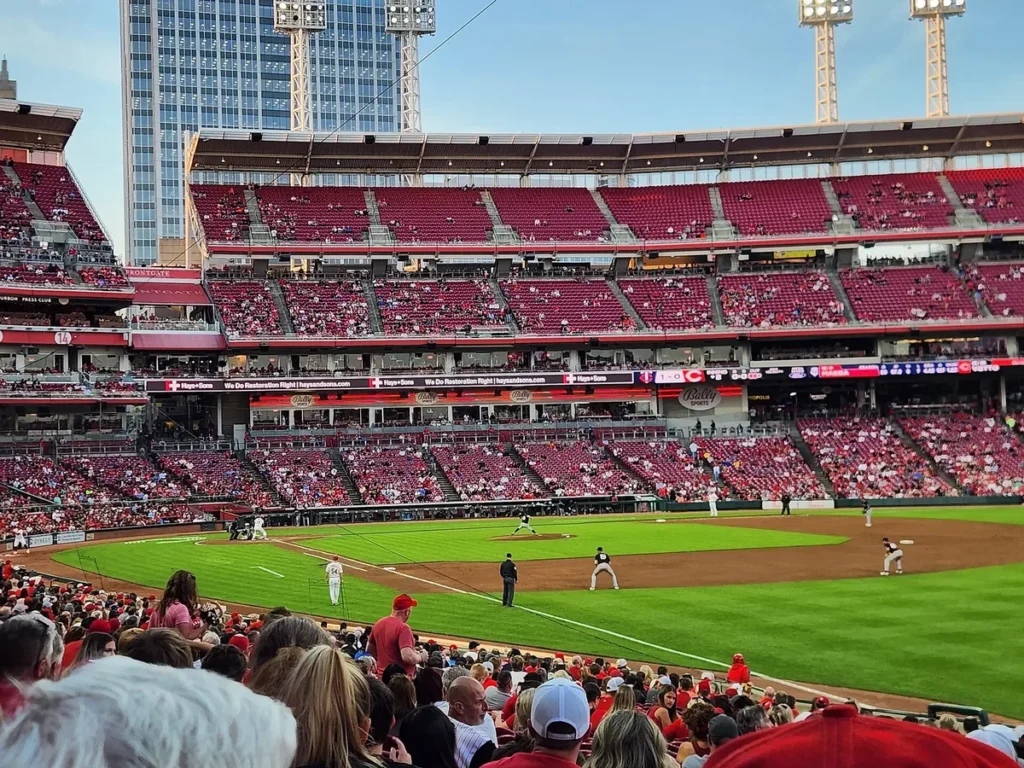
Rose agreed to a permanent ban from baseball in August 1989, after an investigation by lawyer John M. Dowd concluded that he had bet numerous times on the Cincinnati Reds while playing for and managing his hometown team from 1985 to 1987. Rose denied betting on baseball for 15 years before admitting in 2004 that he had bet on games, including games involving the Reds. He always said he never bet against his own team.
About eight months after the ban, Rose entered guilty pleas on 20 April 1990 to two counts of filing false tax returns, admitting he failed to report $354,968 of income over four years, including money from memorabilia sales, autograph appearances and gambling. He faced up to six years in prison and $500,000 in fines. On 19 July 1990, US District Judge S. Arthur Spiegel sentenced him to five months in prison, a $50,000 fine and 1,000 hours of community service.
Rose reported to the US Penitentiary Marion Camp in Illinois on 10 August 1990, and was released on 7 January 1991. He then served time in a halfway house as part of his probation, and he repaid the Internal Revenue Service $366,042. Rose died on 30 September 2024 at the age of 83.
What the Pete Rose Pardon Covers
The pete rose pardon applies only to the federal tax case. A presidential pardon covers federal offences, and Rose’s conviction for filing false tax returns was a federal offence. The pardon does not erase the conviction from the record, and it does not declare Rose innocent. Under Justice Department practice, both the conviction and the pardon stay on the record.
Just as important is what the pardon does not touch. It has no power over Major League Baseball’s rules, and it has no power over the National Baseball Hall of Fame, a private museum with its own board and election rules. Trump can argue that Rose belongs in Cooperstown, but neither the pardon nor any presidential statement can place a plaque on the wall.
The Hall of Fame Question
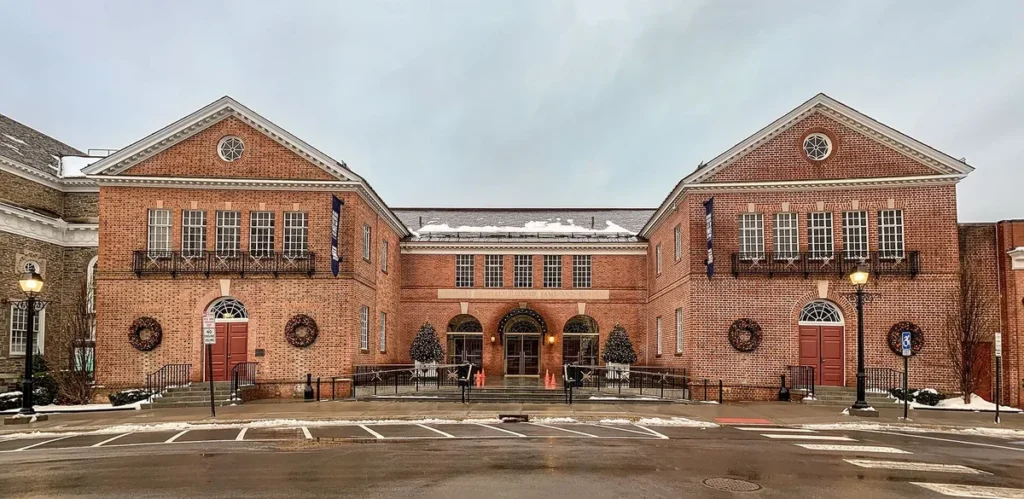
Rose’s path to the Hall of Fame reopened in May 2025, when Commissioner Rob Manfred removed him from Major League Baseball’s permanently ineligible list. Manfred ruled that a lifetime ban ends when the person dies, a decision that affected 17 people, most notably Rose and “Shoeless” Joe Jackson.
Under a rule adopted by the Hall’s board in 1991, anyone on the permanently ineligible list cannot be considered for election. With Rose now off that list, his case goes to the Classic Baseball Era Committee, which considers players whose main contributions came before 1980. USA Today notes that committee next votes in December 2027, so the earliest Rose could be inducted is the summer of 2028.
Why Trump Pushed for Rose
Trump’s support for Rose goes back years and has always mixed baseball nostalgia with a complaint about fairness. He has argued that Rose was punished too harshly for gambling at a time when sports betting has since become legal and common across the United States. At the October rally in Texas, he put it bluntly: “Today you’re allowed to gamble on games. How about that?”
The pardon also fits a pattern in Trump’s second term of using clemency to settle long-running cultural arguments. Rose is a folk hero in Cincinnati, and his exclusion from the Hall of Fame has been one of the sport’s most argued-over questions for more than three decades. Manfred later acknowledged that Trump urging him to act during a meeting at the White House in April 2025 influenced his decision to lift the ban.
What Happens Next
The immediate next step is paperwork. The announcement came in a social media post, and the formal clemency grant is published by the Justice Department, which keeps the official list of pardons. Supporters will watch for Rose’s name to appear on that list.
The bigger date is December 2027, when the Classic Baseball Era Committee votes. Rose will need enough support to earn induction in the summer of 2028. Supporters will point to 4,256 hits, 17 All-Star selections and three World Series titles. Critics will point to the gambling, the 15 years of denials and the tax conviction. The pardon settles the legal case. It does not settle the argument about what Rose’s career means.
More sports coverage: UFC 334 results: Harrison submits Nunes and Pochettino leaves USMNT for Manchester United.
The pete rose pardon closes the criminal chapter of a story that began with a ban in 1989 and a prison sentence in 1990. Trump has now wiped the federal conviction from Rose’s record in the only way a president can, with a posthumous pardon announced from Air Force One. What remains is the baseball chapter. Rose is already eligible for the Hall of Fame after Manfred’s decision in May 2025, and the committee vote in December 2027 will decide whether the game’s career hits leader finally takes his place in Cooperstown.
Frequently Asked Questions
What did Trump pardon Pete Rose for?
Trump pardoned Rose for his 1990 federal conviction on two counts of filing false tax returns. Rose admitted he failed to report $354,968 of income over four years. The pardon covers that federal tax case only.
Does the pardon put Pete Rose in the Hall of Fame?
No. A presidential pardon has no power over Major League Baseball or the Hall of Fame. Rose is eligible for Hall of Fame consideration because Commissioner Rob Manfred removed him from the permanently ineligible list in May 2025, not because of the pardon.
When could Pete Rose enter the Hall of Fame?
The earliest Rose could be inducted is the summer of 2028. His case goes to the Classic Baseball Era Committee, which next votes in December 2027.
Why was Pete Rose banned from baseball?
Rose agreed to a permanent ban in August 1989 after an investigation concluded he bet on the Cincinnati Reds while playing for and managing the team from 1985 to 1987. He denied it for 15 years before admitting in 2004 that he had bet on baseball games.
How many hits did Pete Rose have?
Rose finished his career with 4,256 hits, the most in Major League Baseball history. He broke Ty Cobb’s record of 4,191 in 1985.
