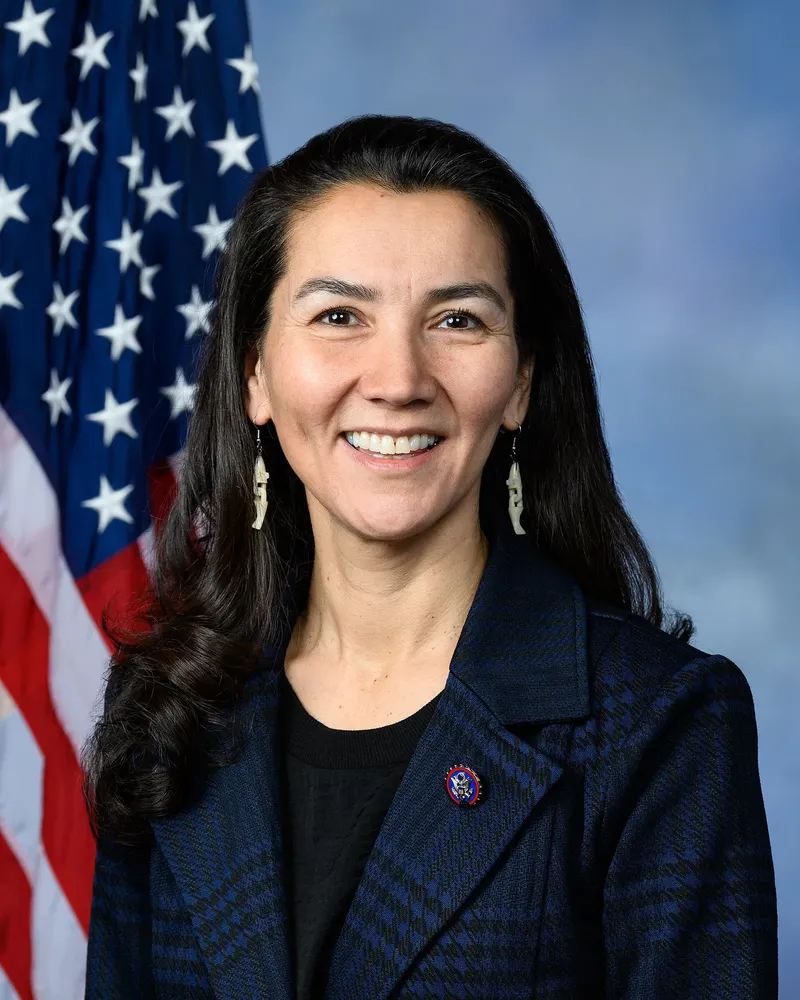
Mary Peltola Wins Alaska Senate Race as Democrats Reach 56 Seats
Democrat Mary Peltola wins Alaska Senate race, defeating Republican incumbent Dan Sullivan and giving her party a 56-44 majority in the chamber when the new Congress convenes in January. The Associated Press called the race on Tuesday, November 17, two weeks after Election Day, ending the last unresolved Senate contest of the 2026 midterm elections. With 99 percent of the vote counted, Peltola held 50.1 percent to Sullivan’s 45.8 percent, clearing the majority threshold outright under Alaska’s ranked-choice voting system. Her victory is the ninth Senate seat Democrats flipped from Republicans in the midterms, and it gives the party its largest Senate majority since 2009.
Peltola, a former member of the US House of Representatives, becomes the first Alaska Native person to serve in the United States Senate and the first Democrat to win a Senate race in Alaska since 2008. The result is a striking one for a state that President Donald Trump carried in each of the last three presidential elections, including by 13 percentage points in 2024. It also completes a midterm sweep that cost Republicans control of both chambers of Congress.
Table of Contents

Mary Peltola Wins Alaska Senate Race: What the Numbers Show
The numbers left little room for doubt by the time the race was called. According to preliminary results from the Alaska Division of Elections, Peltola secured 50.1 percent of first-choice votes with 209,003 ballots counted through Tuesday evening. Sullivan, who was seeking a third term, received 45.8 percent. Republican Gerald Heikes polled 2.1 percent, and Daniel J. Sullivan, another candidate whose name became central to a controversy around the election, received 1.7 percent.
The margin mattered because of how Alaska votes. The state uses ranked-choice voting for its general elections, with four finalists advancing from a nonpartisan primary. But Peltola won a majority of Alaskans’ first-place votes, which meant no ranked-choice tabulation was needed. As of the Sunday before the call, she already had more votes than the other three candidates combined, according to NPR, so the outcome was clear before the final count was finished.
The race was one of the most closely watched Senate campaigns in the country, and one of the most expensive. More than $140 million was spent overall by both sides, according to the Wall Street Journal, in a contest that drew national attention because it decided whether Democrats would hold a narrow majority or a commanding one. Final preliminary results are expected on Wednesday, and the Alaska Division of Elections plans to publish a certified result on November 25.
A First for Alaska and for the Senate
Peltola, who is of Yup’ik descent, will be the first Alaska Native person to serve in the US Senate. She was already the first Alaska Native woman to serve in Congress when she was elected to the US House of Representatives in 2022. She is also the first Democrat elected to the Senate from Alaska since Mark Begich won in 2008, ending nearly two decades in which the state’s Senate seats were held by Republicans.
Her campaign leaned on issues that cut across party lines in Alaska, including affordability and the salmon crisis that has hit the state’s fishing communities. Those themes helped her win in a state where Republican voters still outnumber Democrats, and where Trump won by a wide margin only two years ago. The win flips a seat in a traditionally Republican stronghold, and it was the ninth Senate flip of the midterms, the most in 68 years, since 1958.
The result also settles the shape of the next Senate. Democrats will hold 56 seats to the Republicans’ 44 when the new Congress convenes in January, after flipping seats in Texas, Kansas, Mississippi and Alaska, among others. Combined with their control of the House of Representatives, the majority sets up two years of possible deadlock between Congress and President Donald Trump, with the two parties in control of different branches of government. Our report on the New York mayoral race and the midterm results covers another part of the 2026 election story.
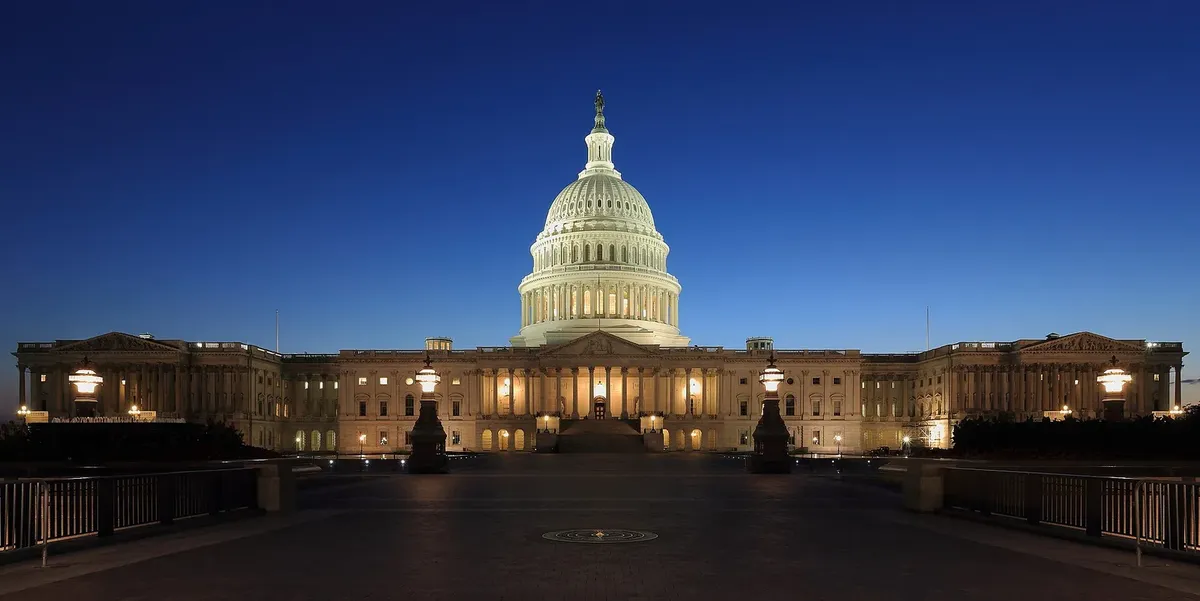
What 56 Senate Seats Mean for Democrats
A 56-seat majority is a different kind of power from a bare majority. It gives Democrats room to lose a few votes and still pass legislation, confirm nominees and set the Senate’s agenda, and it changes the arithmetic for everything from committee control to the confirmation of judges and executive branch officials. With Republicans holding a one-vote edge on some committees under the old majority, the new numbers will reshape who chairs the panels that oversee health, finance and foreign policy.
The majority also sets up a leadership contest inside the Democratic caucus. The Hill reported that Chuck Schumer says he has the votes to beat Chris Van Hollen and become majority leader, a fight that will decide who runs the Senate floor for the next two years. The leadership question matters because the majority leader controls which bills reach a vote, and the next two years will test whether a divided government can pass anything at all.
For the White House, the result is a further constraint. Trump is in Asia this week for meetings with regional leaders, and he returns to a Washington where Democrats now control both chambers. Read our report on Trump’s Asia trip for the schedule and what is at stake in those meetings. The Senate result also raises the stakes for the remaining confirmations in the lame duck session, as Senate Republicans race to confirm Trump’s nominees before Democrats take control in January.
The Name Controversy and the Investigation
The campaign was not without controversy. The Associated Press reported that Peltola overcame allegations that members of her campaign helped recruit a candidate who shares the incumbent senator’s name. Daniel J. Sullivan, who received 1.7 percent of the vote, became central to that dispute, with critics arguing that his presence on the ballot was meant to confuse voters.
The Justice Department’s investigation into the alleged recruitment effort remains ongoing, while a civil case continues through the appeals process, according to the Associated Press report. Peltola’s campaign has denied wrongdoing. The allegations did not stop her from winning a clear first-choice majority, and the result stands on the vote totals published by the state, which are set to be certified on November 25.
What Happens Next
Mary Peltola wins Alaska Senate race and will return to Congress in January as the 56th Democrat in the Senate, after serving in the House from 2022. The new Congress will be seated with Democrats in control of both chambers for the first time in years, and the first tests of that majority will come quickly, from the leadership election to the confirmation fights that carry over from the lame duck session.
For Alaska, the result means a senator who campaigned on affordability and the salmon crisis, and who has already represented the state in Washington. For the country, it means the last race of the 2026 midterms is finally settled, and the balance of power in Washington is now clear. The United States Senate will convene in January with 56 Democrats and 44 Republicans.
Frequently Asked Questions
Who won the Alaska Senate race?
Mary Peltola wins Alaska Senate race, defeating Republican incumbent Dan Sullivan. The Associated Press called the race on Tuesday, November 17, 2026, with Peltola at 50.1 percent and Sullivan at 45.8 percent with 99 percent of the vote counted.
How many Senate seats do Democrats have now?
Democrats will hold 56 seats in the Senate when the new Congress convenes in January, against 44 for Republicans. Peltola’s win was the ninth Senate seat Democrats flipped from Republicans in the 2026 midterms.
Why was no ranked-choice count needed in Alaska?
Alaska uses ranked-choice voting, but Peltola won a majority of first-choice votes, crossing the 50 percent threshold required to win outright. That meant no further round of counting was needed.
Is Mary Peltola the first Alaska Native senator?
Yes. Peltola, who is of Yup’ik descent, will be the first Alaska Native person to serve in the United States Senate. She was also the first Alaska Native woman elected to Congress, when she won a House seat in 2022.
When will the Alaska result be certified?
Final preliminary results are expected on Wednesday, and the Alaska Division of Elections plans to publish a certified result on November 25, 2026.
Conclusion
Mary Peltola wins Alaska Senate race with a clear first-choice majority, 50.1 percent to Dan Sullivan’s 45.8 percent, giving Democrats 56 Senate seats and their largest majority since 2009. She becomes the first Alaska Native senator and the first Democrat to win the seat since 2008, in a state Trump carried by 13 points in 2024. With the last midterm race settled, the new Congress will convene in January with Democrats in control of both chambers, and the leadership fight for the Senate is already under way.
