
Best Small Business to Start With Low Cost
Starting a business sounds expensive, but the best small business to start is often the one that needs the least money up front. Service businesses, online work and small product businesses can all launch for a few hundred dollars, sometimes less, because they sell skills and time instead of inventory. The real question is not which idea is most popular, it is which one fits your skills, your budget and the demand in your area. This guide compares 12 low-cost ideas and explains how to test your pick before you spend serious money on it.
Table of Contents
How to Pick the Best Small Business to Start

Start with what you already know. A business built on a skill you have today, writing, cooking, fixing things, organizing, teaching, can earn its first dollar in weeks. A business that needs months of learning first is a hobby until you can deliver. Make a short list of things people already ask you for help with.
Next, check the demand. Search online for your service plus your city, count the competitors, and read their reviews to find complaints you could fix. Talk to five potential customers before you spend anything, and ask what they pay now and what frustrates them. If nobody will pay for it, it is not a business yet, no matter how much you enjoy doing it.
Then match the idea to your budget and time. Some businesses need almost no money but plenty of hours, like freelance writing or virtual assistance. Others need equipment, like cleaning or mobile detailing. A good first business is one you can start while keeping your day job, grow with the money it earns, and walk away from cheaply if it does not work. The US Small Business Administration lays out the practical sequence in its 10 steps to start your business guide, from market research through registration and funding.
Best Small Business to Start Online
Online service businesses have the lowest startup costs of all, usually $0 to $500, because your laptop is the main tool. Freelance writing pays for clear, reliable writing, and clients range from blogs to local businesses that need website copy. Virtual assistant work covers email, scheduling, research and customer support for busy founders, and it is one of the fastest businesses to launch.
Social media management is in demand from small businesses that know they need to post but have no time to do it. If you can plan content, write captions and read basic analytics, you can start with one or two local clients. Online tutoring also works well, especially for school subjects, test preparation, music or languages, and it can start with a single student and grow by referral.
Digital products are a different model: you create something once, like a template, a printable planner or a short course, and sell it repeatedly. For a student founder, our guide to a business idea for an entrepreneurship student covers ideas that fit around classes and a small budget.
Best Local Service Businesses to Start
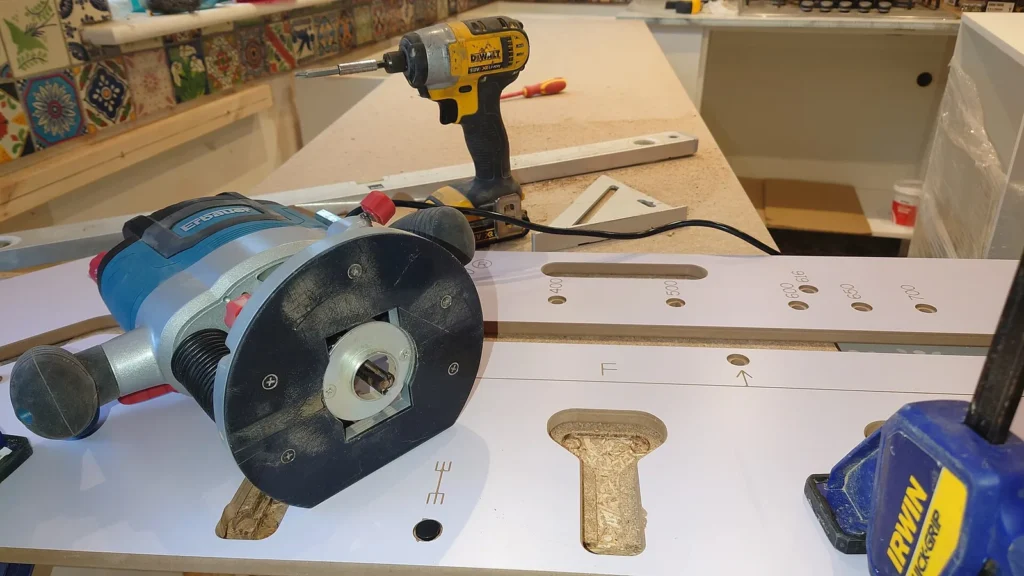
Local services are reliable earners because demand is close to home and repeat business is built in. Residential cleaning needs $200 to $500 in supplies and can charge per visit, with weekly clients providing steady income. Mobile car detailing works the same way, you go to the customer, and the main costs are a vacuum, a pressure washer and cleaning products.
Handyman and home repair services suit anyone with practical skills, and they command higher rates because the work is skilled and urgent. Pet sitting and dog walking need almost no startup cost, just trust, references and insurance, and they grow fast through word of mouth in any neighborhood. Lawn care needs a mower and transport, but it offers recurring seasonal work and easy upsells like trimming and cleanup.
The advantage of local services is simple: customers pay quickly, refer friends, and rebook, but your income is tied to your hours, so price for profit from the start and raise rates as your calendar fills.
Best Product-Based Businesses to Start
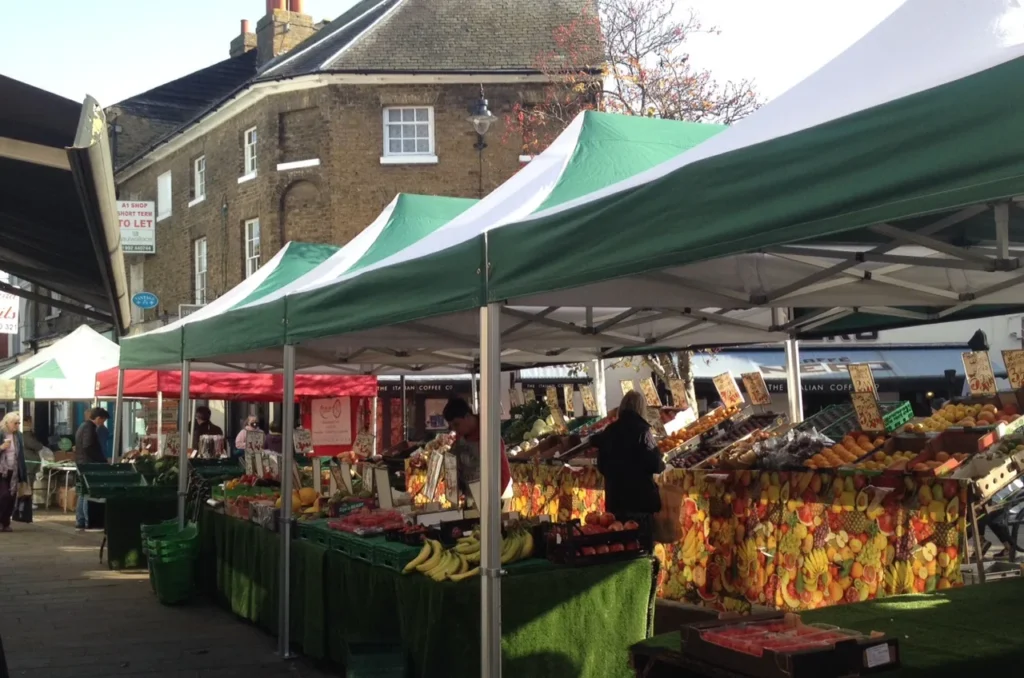
Product businesses take more capital than services, but a few models keep costs low. A print-on-demand store lets you sell custom T-shirts, mugs and posters without holding inventory, because the supplier prints and ships only after a customer orders. Reselling and thrift flipping can start with $100 and a phone camera, and it teaches pricing fast.
Selling food is another proven route. Baked goods, jams, sauces and specialty snacks can start from a home kitchen where local cottage food laws allow it, and farmers markets give you direct feedback from real customers. Handmade goods, like jewelry, candles or crafts, suit makers who enjoy the work itself and can sell through online marketplaces as well as local fairs.
Before you commit to a product idea, check the numbers. Know your cost per item, your selling price, and how many you must sell each month to cover costs. A product that costs $8 to make and sells for $12 leaves too little room for fees, shipping and your time.
How to Validate Your Idea Before Spending Money
Validation is the step most new founders skip, and it is the one that saves the most money. Start by offering your service or product to ten real people and asking for payment, not praise. A paying customer, even one, proves the idea has value.
Run a small, cheap test. A freelance writer can pitch five businesses. A cleaner can offer a first clean at an introductory rate to three homes. A product seller can list five items online and see what sells. Give each test two to four weeks, then decide with numbers: how many customers, how much revenue, how many hours did it take, and would you enjoy doing it again next month? If you must discount heavily to get any takers, fix the offer before spending on a website, a logo or equipment.
First Legal and Money Steps
Once the idea earns, set it up properly. Choose a business structure: a sole proprietorship is the simplest start, while an LLC separates your personal assets from the business. The IRS business structures page explains the tax differences in plain terms, and our guide to sole proprietorship vs LLC compares the two side by side. If you decide to register an LLC, our step-by-step guide walks through the state filing, the EIN and the costs.
Write a short business plan, even one page. State what you sell, who buys it, what you charge, and what it costs you to deliver. Our guide on how to write a business plan for beginners covers the full version. Open a separate bank account for the business, track every expense from day one, and set aside money for taxes.
Finally, protect the business. General liability insurance is affordable for most small service businesses and many clients expect it, so read our guide to insurance for business to see what coverage fits your work. Check local licenses too, since cleaning, food, childcare and home services often need a local permit or registration before you can legally operate.
FAQs
What is the easiest business to start with no money?
Service businesses are the easiest to start with almost no money: freelance writing, virtual assistance, pet sitting and cleaning need skills and time rather than capital.
What is the most profitable small business to start?
High-margin service businesses tend to be the most profitable: consulting, bookkeeping, digital marketing and specialized trades earn well because they sell expertise. Profit depends on pricing and demand in your area more than on the idea itself.
How much money do I need to start a small business?
Many service businesses start for $0 to $500. Local services like cleaning or detailing need $200 to $1,000 in supplies and equipment. Product businesses need more, usually $500 to $2,000, to cover inventory and packaging.
Do I need an LLC to start a small business?
No, you can start as a sole proprietor, but an LLC separates your personal assets from business debts and looks more professional to clients. Many founders start simple and form an LLC once the business earns regularly.
How do I know if my business idea will work?
Test it with paying customers before spending much money. Offer the service or product to ten people, collect payment, and measure the results over two to four weeks. Real sales, not compliments, are the proof that an idea works.
Conclusion
The best small business to start is the one that matches a skill you already have, solves a problem people already pay to fix, and costs little to test. Online services are the cheapest to launch, local services bring the steadiest repeat income, and small product businesses reward makers who can price for profit. Pick one idea, validate it with real paying customers, then set up the legal and money basics properly. Start small, earn first, and grow with the money the business itself makes.
