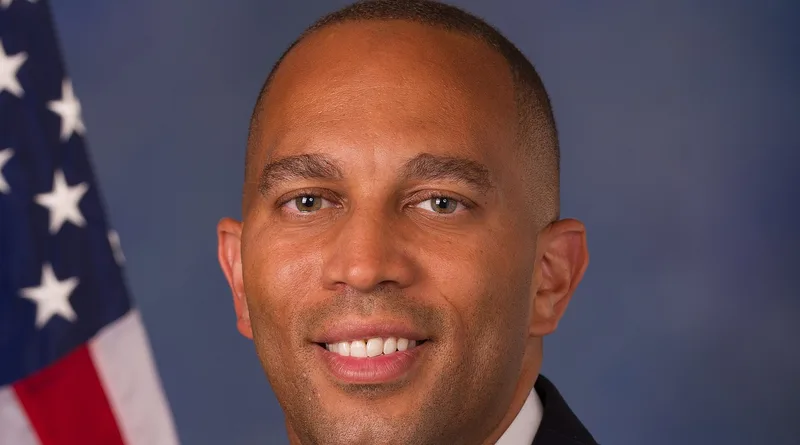
Hakeem Jeffries Nominated as House Speaker in Historic First
House Democrats have chosen Hakeem Jeffries as their nominee for speaker of the House of Representatives, putting the 56-year-old New York congressman on course to become the first Black speaker in American history. In a closed-door secret ballot on Wednesday, November 18, 2026, Jeffries won 251 votes, with 11 Democrats voting against him, according to a person familiar with the vote. The ballot came about two weeks after Democrats swept the midterm elections, flipping more than 40 Republican-held districts and winning roughly 260 seats. With this vote, the Hakeem Jeffries House Speaker nomination is all but certain to succeed when the full House votes in January.
Table of Contents
The Vote: 251 to 11 in a Closed-Door Ballot
House Democrats cast their ballots in a closed-door meeting on Wednesday morning, and the result was never seriously in doubt. Jeffries received 251 yes votes out of 262 cast, a margin that drew applause inside the room, according to a person who was present. The formal vote of the full House takes place in January, once the new Congress is sworn in.
“Being in that room was electric,” Representative Joe Morelle of New York told reporters afterward. “This will put an end, certainly, to any speculation about divides in the caucus.” Representative Ayanna Pressley of Massachusetts, whom some progressives had hoped would challenge Jeffries, walked out without answering questions.
Jeffries had always been expected to win comfortably, because the Democratic majority next year is too large for any small bloc to hold sway. But people close to him say he took nothing for granted, holding face-to-face talks with incoming Democrats who had refused to commit.

Who Is Hakeem Jeffries
Jeffries represents a Brooklyn district in New York and has led House Democrats since January 2023, when he succeeded Nancy Pelosi. When Democrats chose him as their leader, he became the first Black lawmaker to lead a major party in either chamber of Congress. His rise to the speakership would take that milestone further, making him the first Black person to hold the top post in the House, a job that is second in line for the presidency.
Jeffries is known for a measured manner, sharp rhetoric and frequent references to hip-hop artists. He also served as one of the House prosecutors during President Donald Trump’s first impeachment trial in 2020. His Brooklyn base puts him at the center of New York politics, as our report on New York City’s new mayor disbanding a police unit shows.
In recent days, Jeffries moved to shore up support across his caucus. At a press conference the day before the leadership elections, he embraced a broad expansion of Medicare eligibility and endorsed universal coverage for children. On Friday, he announced that he backs major tenets of a universal healthcare system, including lower Medicare eligibility ages and new hearing, dental and vision coverage.
A Historic Leadership Team
The leadership team Jeffries will take into the new Congress is historic in its own right. House Democrats chose Representative Katherine Clark of Massachusetts to be the next majority leader, the first woman to hold that position. They selected Representative Pete Aguilar of California as majority whip, and he will be the first Latino in history to hold the House’s number three job.
Democrats also chose Representative Lauren Underwood of Illinois as vice chair, a result that will make her the highest-ranking Black woman in Congress. Underwood told colleagues inside the room: “Being wealthy is not the primary or important qualification for leadership.”
Moments before he clinched the nomination, Jeffries received a powerful endorsement from Representative Jim Clyburn, a longtime ally and senior member of the Congressional Black Caucus. “Hakeem is interested in headways and not headlines,” Clyburn declared. Former Speaker Nancy Pelosi downplayed the 11 no votes, saying she was glad Jeffries took the vote so people could see how small the opposition was.
The 11 No Votes and the Progressive Push
The 11 votes against Jeffries came from the party’s left, and they were not a surprise. A group of seven newly elected progressive members declared in a statement that they voted no because they are still seeking commitments from Jeffries on key priorities, including votes for Medicare for All and ending arms sales to Israel. The seven were Representatives-elect Darializa Avila Chevalier of New York, Adam Hamawy of New Jersey, Frederick Haynes of Texas, Melat Kiros of Colorado, Donavan McKinney of Michigan, Chris Rabb of Pennsylvania and Claire Valdez of New York.
Representative-elect Don Leonard also told CNN that he voted against nominating Jeffries, saying he wants commitments on money in politics and blocking US aid to Israel. “We’re looking for a strong commitment to end the Citizens United this Congress through a 28th Amendment, and we’re looking to call a vote on US aid to Israel,” Leonard said.
Asked about the defectors, Jeffries would say only: “Our job is to fight MAGA extremism, not each other.” After clinching the nomination, he told reporters: “People of this country are demanding big, dramatic and transformational change. The status quo is unacceptable. And we’re committed to delivering in a meaningful way the type of change that the American people deserve.”
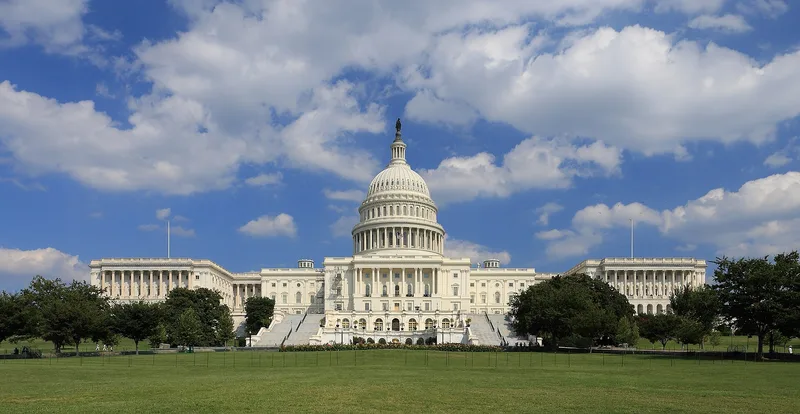
What Happens Next: The January 3 Floor Vote
Now all that stands between Jeffries and the gavel is a formal vote by the full chamber on the floor on January 3, the first act of the new Congress, which his allies, and even his detractors, expect he will easily survive. The winner needs at least 218 votes, and with Democrats holding roughly 260 seats, Jeffries has a comfortable cushion even if a handful of members vote against him on the floor.
Democrats also won control of the Senate, where Mary Peltola’s win in Alaska sealed a 56-44 majority, giving the party control of both chambers for the first time in years. That majority puts Jeffries on course to preside over a commanding Democratic majority during the final two years of President Donald Trump’s term, as his party prepares to reverse Republican policies and investigate the administration. Trump is currently on an Asia trip, covered in our report on his landing in China ahead of his meeting with Xi Jinping.
Jeffries has said the caucus is united behind a bold affordability agenda and pushing back on the president’s policies. “I’m convinced that every single part of the House Democratic caucus will understand the mission, which is deliver for the American people,” he said last month. His official biography and record are published on his official House website and on the House Democratic Leader’s office site.
Frequently Asked Questions
When will Hakeem Jeffries become House speaker?
Jeffries is expected to become speaker on January 3, 2027, when the new Congress is sworn in. He needs at least 218 votes; Democrats hold roughly 260 seats.
How many votes did Jeffries get in the nomination?
Jeffries won 251 yes votes out of 262 cast in a closed-door secret ballot of House Democrats on November 18, 2026. Eleven Democrats voted against him.
Why is the Hakeem Jeffries House Speaker nomination historic?
If elected on January 3, Jeffries will become the first Black speaker of the House of Representatives in American history. He already made history in 2023 as the first Black lawmaker to lead a major party in Congress.
Who are the other leaders in the new House Democratic team?
Katherine Clark will be majority leader, the first woman to hold the job. Pete Aguilar will be majority whip, the first Latino to hold the House’s number three job. Lauren Underwood will be vice chair, the highest-ranking Black woman in Congress.
Why did 11 Democrats vote against Jeffries?
Seven newly elected progressives said they want commitments on votes for Medicare for All and ending arms sales to Israel. Don Leonard wants commitments on ending Citizens United through a 28th Amendment and a vote on US aid to Israel.
Conclusion
Hakeem Jeffries’ nomination as House speaker caps a midterm sweep that handed Democrats control of both chambers and put a Brooklyn congressman within weeks of the most powerful job in the House. The 251 to 11 vote showed a party largely united behind its leader, even as a small progressive bloc used its leverage to press for commitments on healthcare and foreign policy. If the full House confirms him on January 3, Jeffries will make history as the first Black speaker, lead a record-breaking leadership team, and set the agenda for the final two years of Trump’s term. The next test is whether the unity of the nomination vote survives the first hard choices of governing.
