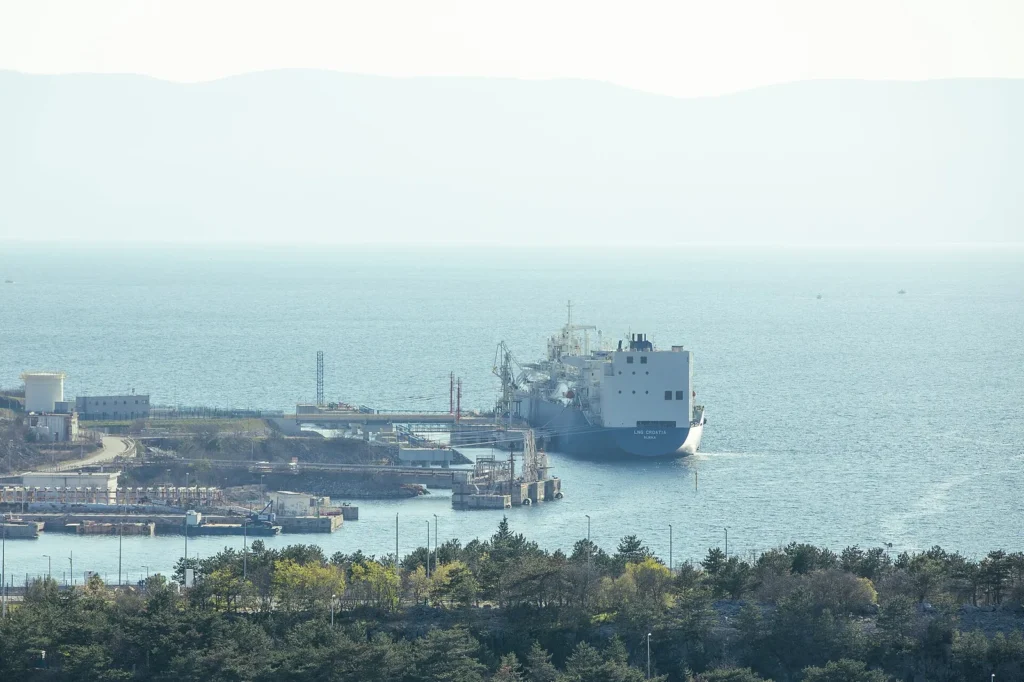
Strait of Hormuz Tanker Attack: Oil Tankers Hit Mines as Iran War Escalates
Oil tankers are burning again near the Strait of Hormuz. At least two tankers caught fire after striking naval mines in the waters east of the strait on Thursday, November 19, according to Iran’s army, and a third tanker was hit and set on fire on Friday, November 20, in an incident confirmed by the United Kingdom Maritime Trade Operations center. This Strait of Hormuz tanker attack is the latest escalation in the US-Israel-Iran war, which has turned the world’s most important oil shipping lane into a battleground. Iran says the tankers were sailing through unauthorized routes under American protection. The United States has said nothing yet about the latest incidents. Here is what is confirmed, what is still claimed rather than proven, and why the strait matters far beyond the Gulf.
Table of Contents
Strait of Hormuz Tanker Attack: What Happened Near the Strait of Hormuz
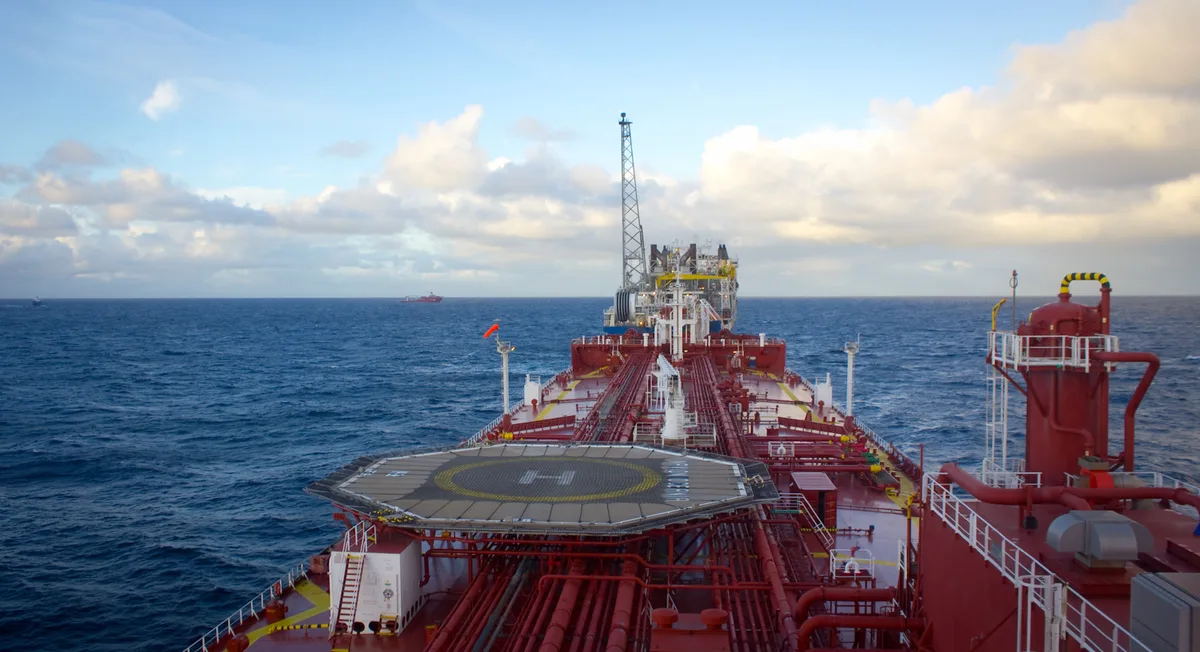
The clearest confirmed report came from the United Kingdom Maritime Trade Operations, known as UKMTO, a British maritime security agency that issues shipping alerts. On Friday, UKMTO said a tanker sailing outbound through the Strait of Hormuz was struck by an unknown projectile and caught fire. The ship’s company security officer reported the fire on board. The vessel was hit 8 nautical miles north of Khasab, in Oman’s Musandam region on the southern coast of the waterway. UKMTO did not name the vessel, and it did not say who fired the projectile. You can read UKMTO’s shipping alerts on the UKMTO website.
Shortly after the UKMTO report, Iran’s Revolutionary Guards said an oil tanker had caught fire after hitting a mine near the entrance to Khasab port. The Guards’ navy claimed the tanker tried to cross the strait through an unauthorized route with the support of the US military, and said it had struck naval mines, exploded and caught fire. The statement did not identify the vessel but said footage of the explosion would be released within hours. It is not yet clear whether the UKMTO incident and the Guards’ claim describe the same vessel, and neither account has been independently confirmed.
A day earlier, Iran’s army said two oil tankers had caught fire on Thursday after striking naval mines in a restricted area east of the Strait of Hormuz. The navy said one vessel was sailing through the restricted area with its navigation systems switched off when it hit a mine. A second tanker suffered a similar incident earlier on Thursday. The army urged vessels crossing the strait to coordinate with Iranian armed forces before entering the area and to use designated maritime routes. The Guards have also claimed that two supertankers carrying more than four million barrels of crude oil struck mines, and that both ships were abandoned and left burning. That claim has not been independently verified.
A Missile Strike Reported on Qeshm Island
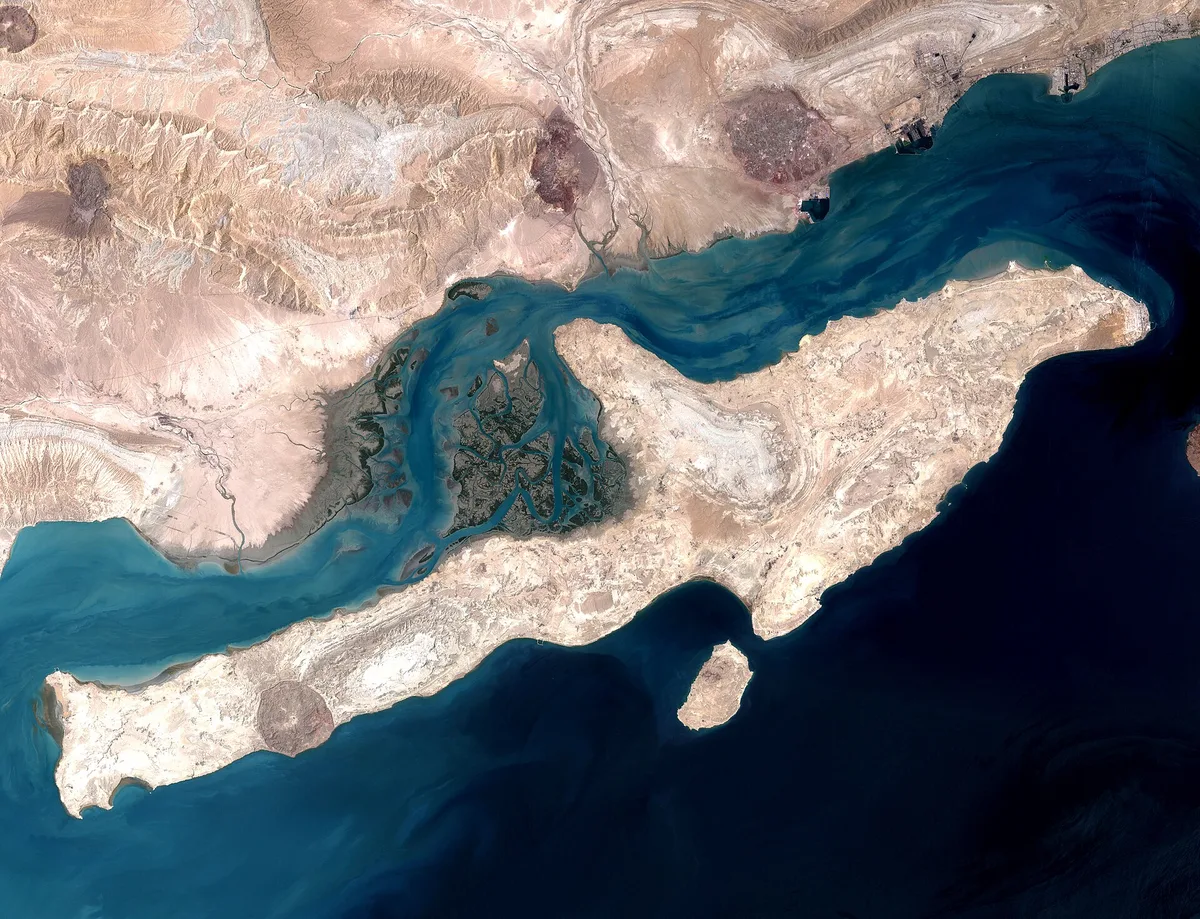
Iranian media also reported on Friday that a missile had hit Qeshm Island, on the northern side of the strait. The reports came as renewed US military strikes were reported on the island, which sits at the mouth of the Gulf opposite Oman. But the accounts conflict. Ahmad Nafisi, the deputy governor of Iran’s Hormozgan province, said the explosion and smoke seen on Qeshm Island came from the controlled disposal of unexploded munitions left behind by earlier US strikes, according to the Iranian Students’ News Agency. Until independent evidence appears, the Qeshm reports should be treated as unconfirmed.
Qeshm is the largest island in the Persian Gulf and sits directly beside the shipping lanes through the strait. Any strike on the island matters because it would show the fighting spreading from the sea to the land around the waterway. Iran closed the Strait of Hormuz on March 2, after the US-Israeli war against Iran began in late February, and closed it again on July 12, after the United States resumed attacks on July 8. Commercial shipping has continued through the strait since then, but under growing danger.
Why the Strait of Hormuz Matters for Oil
The Strait of Hormuz is the narrow waterway between Iran and Oman that connects the Persian Gulf to the open sea. The US Energy Information Administration calls it the world’s most important oil transit chokepoint, and its World Oil Transit Chokepoints analysis tracks how much of the world’s oil passes through it. Almost every barrel of crude exported from Saudi Arabia, Iraq, Kuwait, the United Arab Emirates, Qatar and Iran itself must travel through this strait, which is why even a rumor of closure moves oil prices.
The attacks have become more frequent. According to data compiled by Bloomberg, the number of tanker attacks soared in October to the highest level since the war began, and incidents have continued almost daily in November. Remote sensing intelligence firm Windward counted five tankers struck near Hormuz in the week from November 11 to 18. ADNOC Logistics and Services, part of Abu Dhabi’s national oil company, confirmed that one of its vessels was attacked while crossing the strait on the evening of November 17. The true number may be higher, because not every incident is reported to UKMTO or the International Maritime Organization.
Oil prices rose on the news but stayed well below the panic levels of earlier in the year. Brent crude rose 79 cents, or 0.9 percent, to 92.77 dollars a barrel on November 20, while US West Texas Intermediate gained 25 cents to 83.46 dollars. Traders are weighing the risk of supply disruption against expectations of oversupply in the coming months, which has kept prices from spiking even as the attacks multiply.
The Wider War: Blockade, Convoy and a Summit Demand
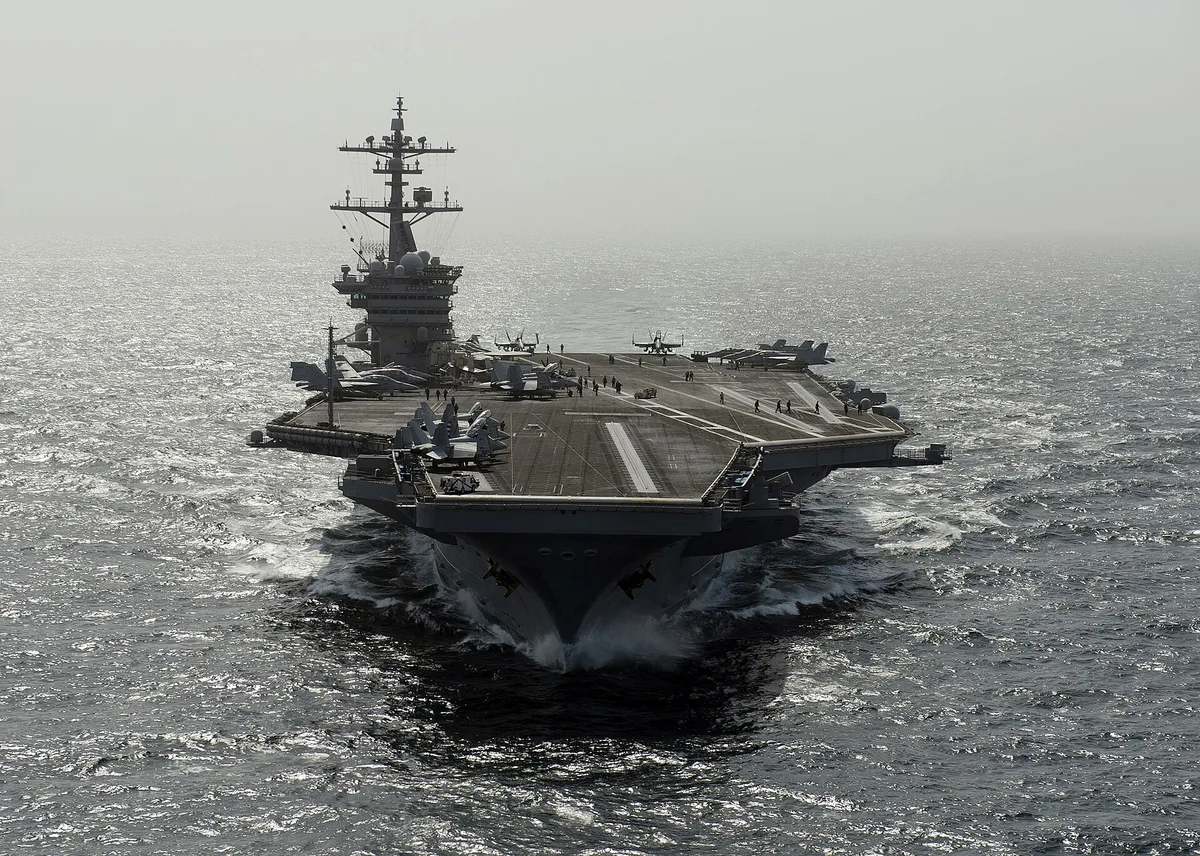
The tanker attacks are part of a much larger war. The United States is enforcing a naval blockade on Iran, and Iranian Foreign Minister Abbas Araghchi said on Friday that the blockade must be broken before Iran can resume oil exports. Satellite imagery has shown more than 14 Iranian tankers gathered near Kharg Island with their tracking systems switched off, and Iranian state media have floated the idea of sending a naval convoy to the strait. Iranian channels have also threatened to strike oil facilities in Saudi Arabia, the United Arab Emirates, Qatar, Kuwait, Bahrain and Oman if coalition naval forces intercept Iranian ships.
The politics around the war are moving too. The Senate already rejected a measure that would have limited President Donald Trump’s power to order more strikes on Iran, as covered in our report on the Senate’s 51-48 vote on Iran war powers. Trump has also claimed that Iran is looking at chemical and biological weapons, a claim he made without providing evidence, as covered in our report on Trump’s warning about Iran. And the cost of the war is now splitting Congress over government funding, as covered in our report on the shutdown fight over Iran war funding.
The war is also drawing in the region’s other conflicts. Houthi forces in Yemen struck Riyadh’s tallest tower with a missile this week, as covered in our report on the Houthi missile strike on Riyadh, and Russian missiles landed in Poland on Thursday, as covered in our report on the Russia Poland airspace violation. At a summit in Shenzhen this week, Trump and Chinese President Xi Jinping both demanded a secure Strait of Hormuz and a nuclear free Iran, a rare point of agreement between the two leaders.
What Happens Next
The immediate questions after this Strait of Hormuz tanker attack are simple and unanswered. The Guards promised footage of the tanker explosion within hours, which would help confirm what happened near Khasab. No shipping company has yet confirmed a vessel lost or a crew harmed, and no casualty figures have been published for any of the incidents this week. The United States Central Command has warned that vessels receiving ship to ship transfers from sanctioned Iranian tankers violate the blockade, but it has not commented on the latest mine incidents.
For shipping, the risk is now routine rather than exceptional. Tanker traffic through the strait has fallen sharply, with weekly liquefied natural gas transits dropping from an average of eight vessels to two, according to maritime tracking data. Shipowners are avoiding lanes without naval escorts, and insurance costs for Gulf voyages are rising. If the attacks continue at the current pace, the strait could become effectively unusable for unescorted commercial shipping, even without a formal closure.
Frequently Asked Questions
What happened to the oil tankers near the Strait of Hormuz?
Iran’s army said two tankers hit naval mines east of the strait on November 19 in this Strait of Hormuz tanker attack and caught fire. On November 20, UKMTO confirmed a tanker was hit by an unknown projectile and caught fire 8 nautical miles north of Khasab, Oman, and Iran’s Revolutionary Guards said a tanker hit a mine near Khasab. The vessels have not been identified.
Were the tankers carrying oil?
The Revolutionary Guards claim two supertankers were carrying more than four million barrels of crude oil. That claim has not been independently verified, and no shipping company has confirmed a cargo lost.
Why is the Strait of Hormuz so important?
The US Energy Information Administration calls it the world’s most important oil transit chokepoint. Nearly all crude oil exported from the Gulf states must pass through this narrow waterway between Iran and Oman.
How did oil prices react?
Brent crude rose to 92.77 dollars a barrel and US West Texas Intermediate rose to 83.46 dollars on November 20. The rise was modest, because traders are weighing disruption risk against expectations of oversupply in the coming months.
Conclusion
This Strait of Hormuz tanker attack is the sharpest escalation yet in a war that has been fought at sea for nine months, with mine strikes near the strait. What is confirmed is serious enough: tankers are hitting mines and catching fire in the world’s most important oil lane, shipping is pulling back, and Iran is openly warning vessels that sail with American protection. What is still unproven is just as important: who fired the shots, how much oil was lost, and whether anyone was hurt. Until those facts are verified, the story is a warning rather than a verdict, but it is a warning the whole world can hear, because every driver and every factory pays the price when the strait is in danger.
Sources: Arab News, UKMTO, the Islamic Revolutionary Guard Corps and Iranian army statements as reported by Shafaq News, Yeni Safak and APA, Bloomberg data via Oilprice, and the US Energy Information Administration. Claims by Iran’s military that could not be independently verified are identified as claims in this article.
