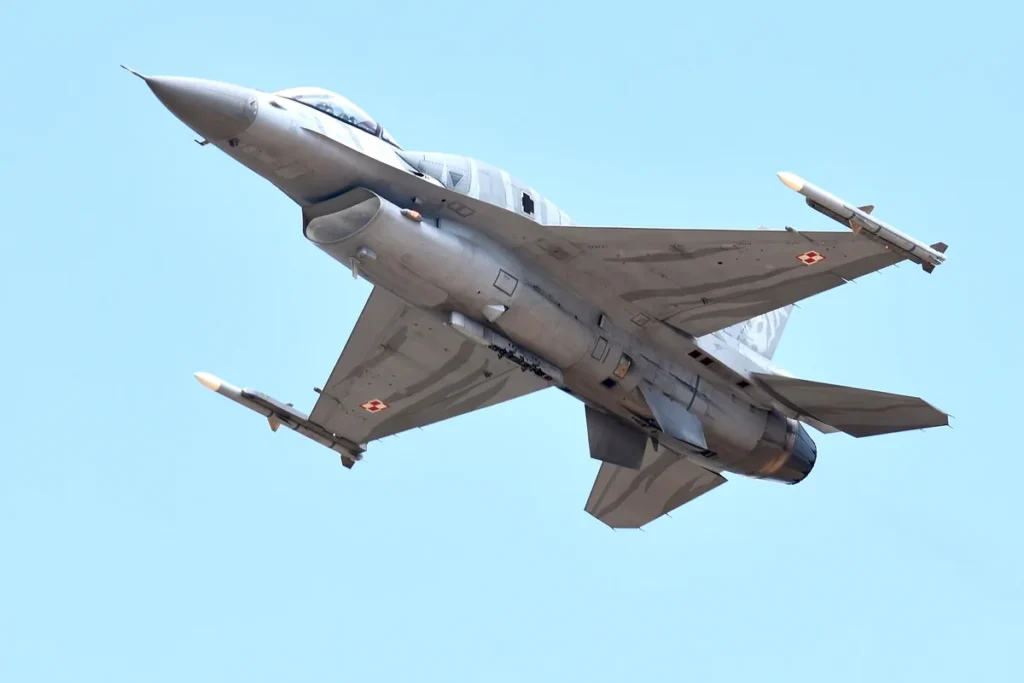
Russia Poland Airspace Violation: Two Missiles and a Drone Land in Poland
Russia violated Polish airspace overnight on November 20, when two missiles and a drone crashed on Polish territory during a large Russian attack on Ukraine. Polish officials said the objects came from Russia and called the incursion a deliberate provocation, not an accident. No one was hurt in Poland, and no critical infrastructure was damaged there, but the incident has put NATO’s eastern flank back at the center of attention. Polish and allied aircraft were in the air through the night, investigators are working at three crash sites in the southeast of the country, and Poland says it will ask NATO for more help securing the border with Ukraine.
The russia poland airspace violation is the most serious spillover of the war onto NATO territory since Russian drones crossed into Poland in September. It happened while European troops were training in Poland for a possible postwar mission in Ukraine, on a night when Russia launched one of its biggest air attacks of the war. Here is what happened, what Poland and NATO said, and what to watch next.
Table of Contents
Russia Poland Airspace Violation: What Happened Overnight
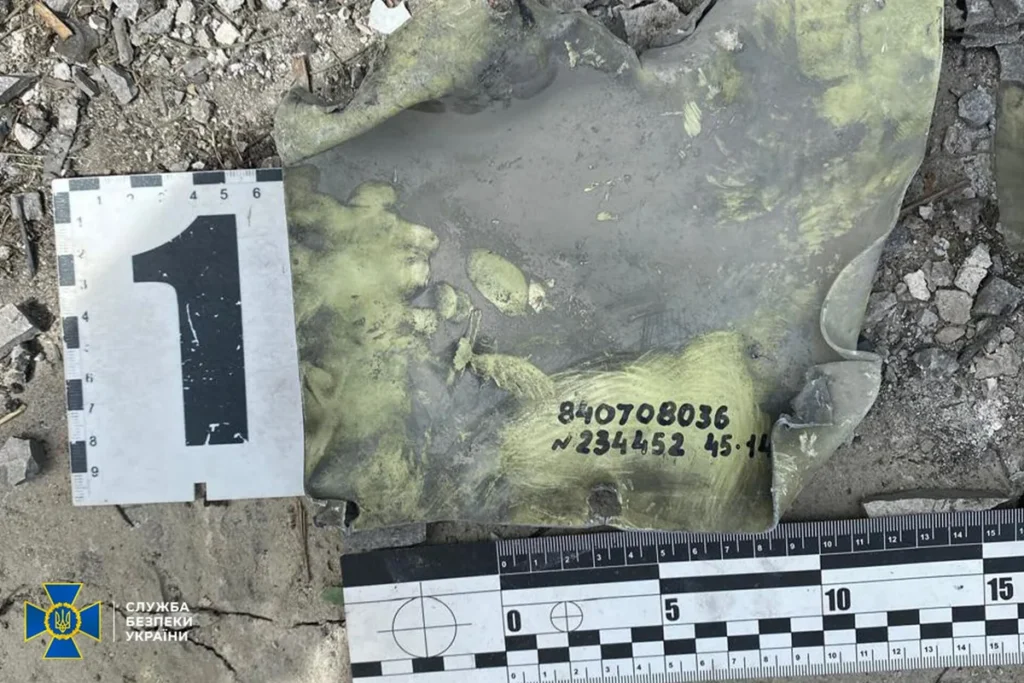
Polish Defence Minister Wladyslaw Kosiniak-Kamysz told a news conference on Friday that three objects had violated Polish airspace overnight. According to Reuters, the objects were probably two missiles and a drone. One was identified as a Russian Kh-101 cruise missile, a long range weapon Russia has used throughout the war in Ukraine. The second was also believed to be a missile, and the third was most likely a jet powered drone.
The three objects came down in southeastern Poland. The Kh-101 fell near the village of Nowy Lipowiec, about 60 kilometres from the Ukrainian border. A second missile came down in the town of Rudnik nad Sanem, about 50 kilometres to the west. The drone crashed in the village of Molodycz, about 50 kilometres to the south. Poland’s Government Security Center issued alerts for 20 districts across the Lublin and Podkarpackie regions, and the Lublin prosecutor’s office is investigating the possible violation of Polish airspace.
Polish air defences were activated at about 3:30 a.m. local time, and Polish and allied aircraft stayed airborne through the night. The military said it had tracked 11 aerial objects near the border, three of which crossed into Polish airspace. A local mayor said an object about seven metres long fell near Nowy Lipowiec at 5:40 a.m. GMT, and surveillance camera footage showed a flash of an explosion in the distance.
Poland Calls It an Intentional Provocation

Prime Minister Donald Tusk said there was no doubt the objects were Russian, and he called the incursion an intentional provocation. “It seems we are dealing with an intentional provocation,” Tusk said. “Today, it is clearer than ever before that Poland must participate in decisions and discussions regarding the future of Ukraine and security in Europe.”
Kosiniak-Kamysz agreed. “We know that what landed on Polish soil came from Russia. Therefore, and this is not just my own assessment, but also that of our foreign partners, including those within NATO, it does not look like an accident,” he said. The crash site near Nowy Lipowiec is about 76 kilometres from where European troops were training for a postwar mission in Ukraine, alongside defence ministers from France, the United Kingdom and the Baltic states and eight chiefs of staff. “These exercises, combined with the presence of defence ministers… suggest that the convergence of these events is no accident,” he said. Tusk convened ministers, military officials and security chiefs on Friday morning.
NATO Response and the Eastern Flank
NATO Secretary General Mark Rutte said the incident was “clearly dangerous” and that NATO stood in solidarity with Poland. Tusk said Rutte would visit Warsaw on Saturday. Kosiniak-Kamysz said Poland would ask NATO for more support securing the alliance’s eastern flank, which has been reinforced since September under Operation Eastern Sentry.
Britain’s Prime Minister Andy Burnham called the violation “utterly unacceptable” at an EU-UK summit in Brussels. “Europe will not be deterred from our support for Ukraine,” he said. “We will not allow [Russian President Vladimir] Putin to divide our continent.”
The alliance has two tools for a moment like this. Article 4 lets any member call urgent consultations when its security is threatened. Article 5 is the collective defence clause, under which an attack on one member is treated as an attack on all. Poland invoked Article 4 in September, and NATO answered with Operation Eastern Sentry. No Article 4 invocation has been announced for this incident, but Warsaw’s request for more support is the first step toward a formal allied response. More detail is available on NATO’s official website, and the Polish position is published by the Polish Ministry of National Defence.
The Attack on Ukraine Behind the Incursion
The objects arrived during a massive Russian attack on Ukraine on the night of November 19 to 20, with roughly 100 ballistic and cruise missiles and 404 drones, most of them aimed at western Ukraine near the Polish border. The attack killed eight people in Kyiv and injured 28 more across nine regions, and it damaged bridges, power stations and transport infrastructure. Al Jazeera described it as one of the heaviest attacks of the war, and you can read Al Jazeera’s report on the incursion for the full account from the Polish side.
The timing matters for diplomacy too. The incursion came as the United States pushes talks to end the war. Our report on Trump’s summit talks with Xi and Putin covers the latest negotiations, and our report on the third strike on the Crimea bridge covers Ukraine’s recent long range operations.
Why This Matters: A Pattern on NATO’s Eastern Flank
This is not the first spillover. On September 9 to 10, more than 19 Russian drones entered Polish airspace during another large attack on Ukraine. Polish, Dutch and other NATO jets scrambled, and at least four drones were shot down, the first time NATO aircraft had engaged threats inside a member’s airspace during the war. Poland invoked Article 4, NATO held consultations, and Operation Eastern Sentry followed. About ten days later, Estonia invoked Article 4 after Russian jets violated its airspace.
The difference this time is the hardware. Drones can drift off course, and Russia has denied aiming them at Poland. A Kh-101 is a guided weapon with a programmed flight path, which is why Warsaw is confident in calling this deliberate. The crash sites also sit near Exercise Koalicja, the Coalition of the Willing drills in Nowa Deba that run from November 9 to 22, and Moscow has repeatedly warned European countries against deploying troops to Ukraine.
For the United States, the incident is a reminder that the war is not distant. American forces are part of the NATO presence on the eastern flank, and each spillover raises the same question: when does an accident, or a deliberate test, force the alliance to respond more forcefully? See our reports on the Senate’s vote on Iran war powers and the Houthi missile strike on Riyadh for how Washington weighs military commitments.
What Happens Next
Investigators are working at the three crash sites to confirm each object and recover debris, while the Lublin prosecutor’s office runs its own investigation. Rutte arrives in Warsaw on Saturday, and Poland’s request for more NATO support will be discussed with allies in the coming days.
The bigger question is whether Poland invokes Article 4 again. That would trigger formal consultations in the North Atlantic Council and could bring new deployments or air defence measures. In September, an Article 4 invocation produced Operation Eastern Sentry within days. Moscow’s reaction matters too: after the September incursion Russia denied aiming its drones at Poland, and no Russian comment on this incident had been reported at publication time.
Frequently Asked Questions
What happened in Poland on November 20, 2026?
Russia violated Polish airspace overnight during a large attack on Ukraine. Two missiles, including a Kh-101 cruise missile, and a jet powered drone fell in Nowy Lipowiec, Rudnik nad Sanem and Molodycz. No one was hurt in Poland and no critical infrastructure was damaged.
Why does Poland call it a provocation?
Prime Minister Donald Tusk and Defence Minister Wladyslaw Kosiniak-Kamysz said the objects were certainly Russian, and the timing, during Coalition of the Willing exercises in Poland, showed it was deliberate. Kosiniak-Kamysz said NATO allies shared that assessment.
What is NATO doing about it?
NATO Secretary General Mark Rutte called the incident “clearly dangerous” and said the alliance stands in solidarity with Poland. He visits Warsaw on Saturday, and Poland will ask NATO for more support securing the eastern flank.
Has this happened before?
Yes. On September 9 to 10, more than 19 Russian drones entered Polish airspace, Poland invoked Article 4, and NATO launched Operation Eastern Sentry. Estonia invoked Article 4 about ten days later after Russian jets violated its airspace.
Conclusion
The russia poland airspace violation is a serious escalation, even though no one was hurt in Poland. Two missiles and a drone crossed into NATO territory on a night when Russia launched one of its biggest attacks of the war, and they landed near European troops training for a postwar mission in Ukraine. Poland has called it a deliberate provocation, NATO has backed Warsaw, and the alliance’s secretary general is heading to Poland on Saturday. The investigations at the three crash sites, the talks in Warsaw, and Moscow’s response will decide whether this becomes another tense episode that ends in consultations, or the start of a bigger allied response on NATO’s eastern flank.
