Stock Market Correction: S&P 500 and Dow Fall 10% From Records as Nvidia Plunges 14%
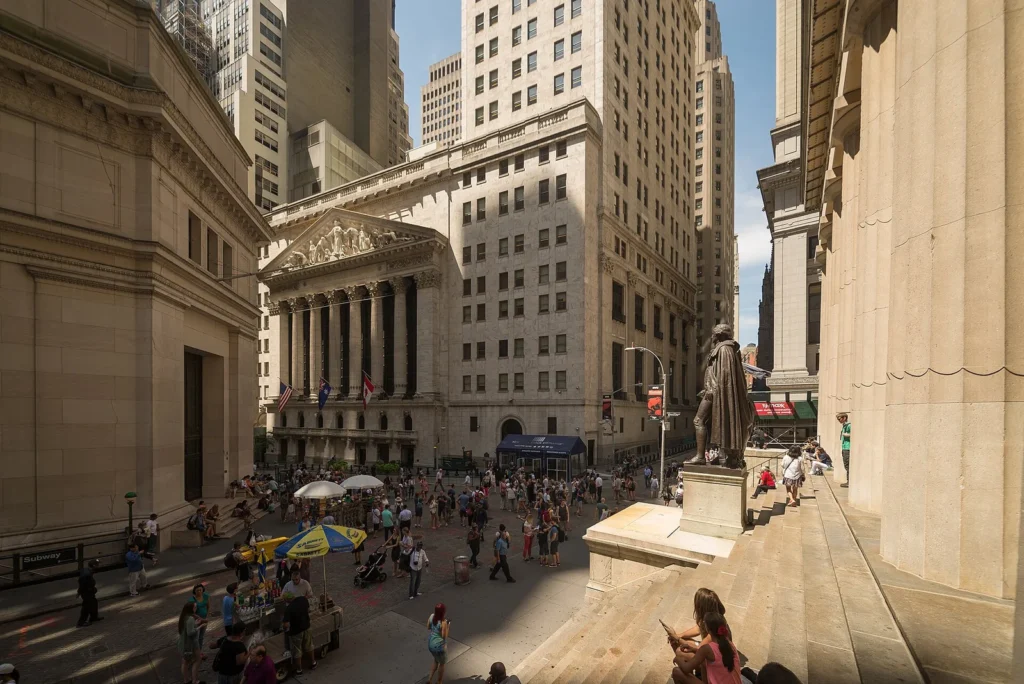
A stock market correction is now official on Wall Street. The S&P 500 and the Dow Jones Industrial Average both closed more than 10 percent below their record highs on Friday, November 20, 2026, after a brutal sell-off in artificial intelligence stocks dragged the market down for a seventh straight day. The Nasdaq Composite fell 5.28 percent in a single session and erased all of its gains for 2026. The worst of the day came in the afternoon, when Reuters reported that the US Securities and Exchange Commission is examining potential accounting issues at Nvidia. The chipmaker’s shares plunged 14 percent, and the selling spread across the whole AI trade. Here is what happened, why investors are suddenly doubting the AI boom, and what to watch when markets reopen on Monday.
Table of Contents
What Happened on Friday, November 20
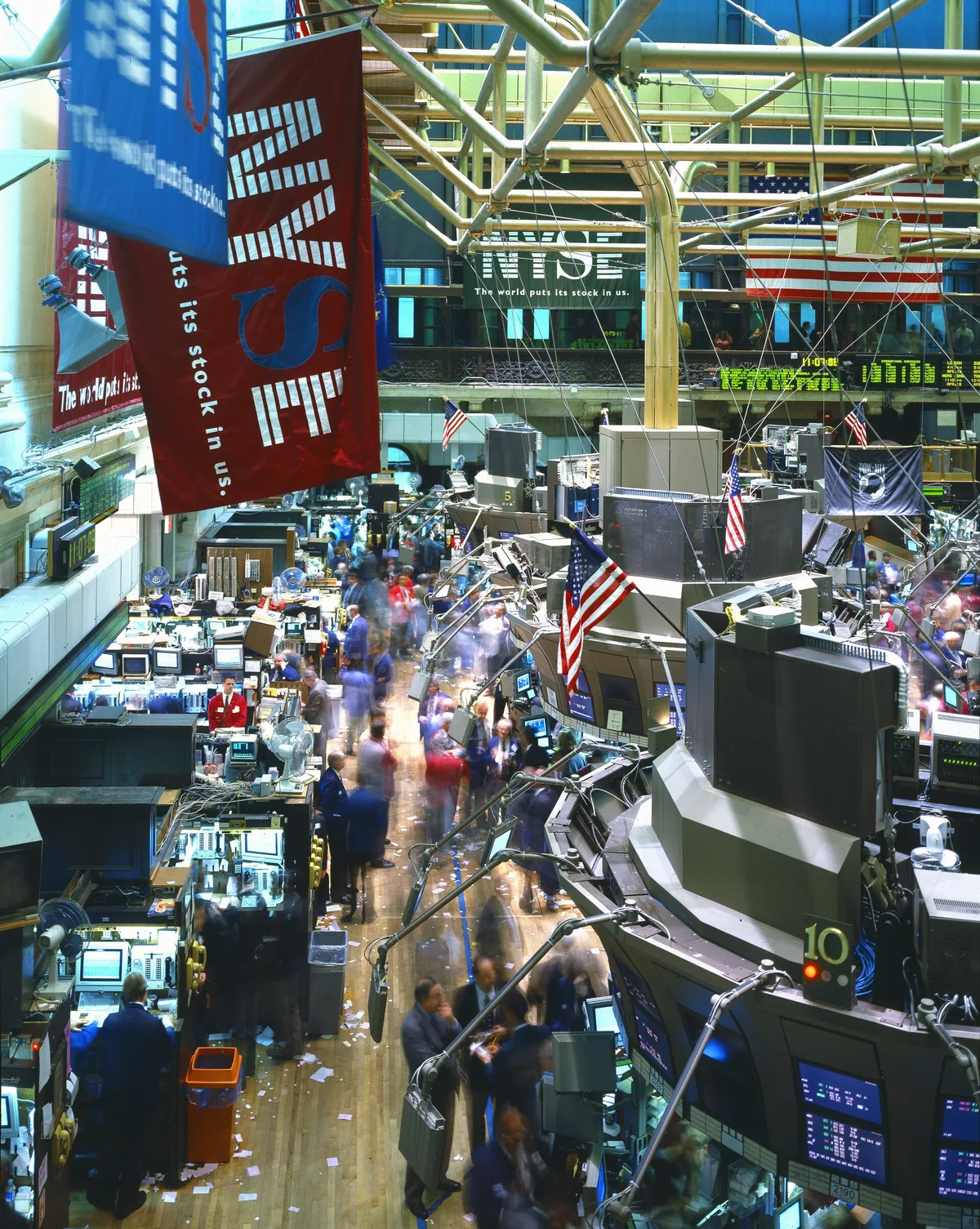
The S&P 500 fell 265.44 points, or 3.70 percent, to close at 6,910.39, according to Reuters. That put the index about 11.6 percent below its record close of 7,818.93 on October 6, which meets the standard definition of a correction: a fall of 10 percent or more from a recent peak. The Dow Jones Industrial Average fell 949.73 points, or 1.93 percent, to 48,147.33, leaving it about 11.4 percent below its August record of 54,349.12. The Nasdaq Composite fell 1,261.47 points, or 5.28 percent, to 22,617.73, wiping out its gains for the year.
Friday was the S&P 500’s seventh straight losing day, its longest losing streak since February 2020. For the week, the S&P 500 lost 8.6 percent, its worst week since April 2025. The Dow lost about 8 percent for the week, its worst since March 2020, and the Nasdaq lost about 10 percent, also its worst week since March 2020. The selling hit almost everything tied to artificial intelligence. The Philadelphia Semiconductor Index fell 10.7 percent on Friday, and Anthropic, the AI company that went public this week, gave back much of its debut gain, falling 8.5 percent to 88.91 dollars on its second day of trading. Our report on Anthropic’s record stock market debut explains how the IPO opened 34 percent higher on Thursday before the market turned. The Dow had already warned of trouble a day earlier, when it plunged 1,100 points, as covered in our report on the Dow’s 1,100 point drop.
Why Nvidia Fell 14 Percent
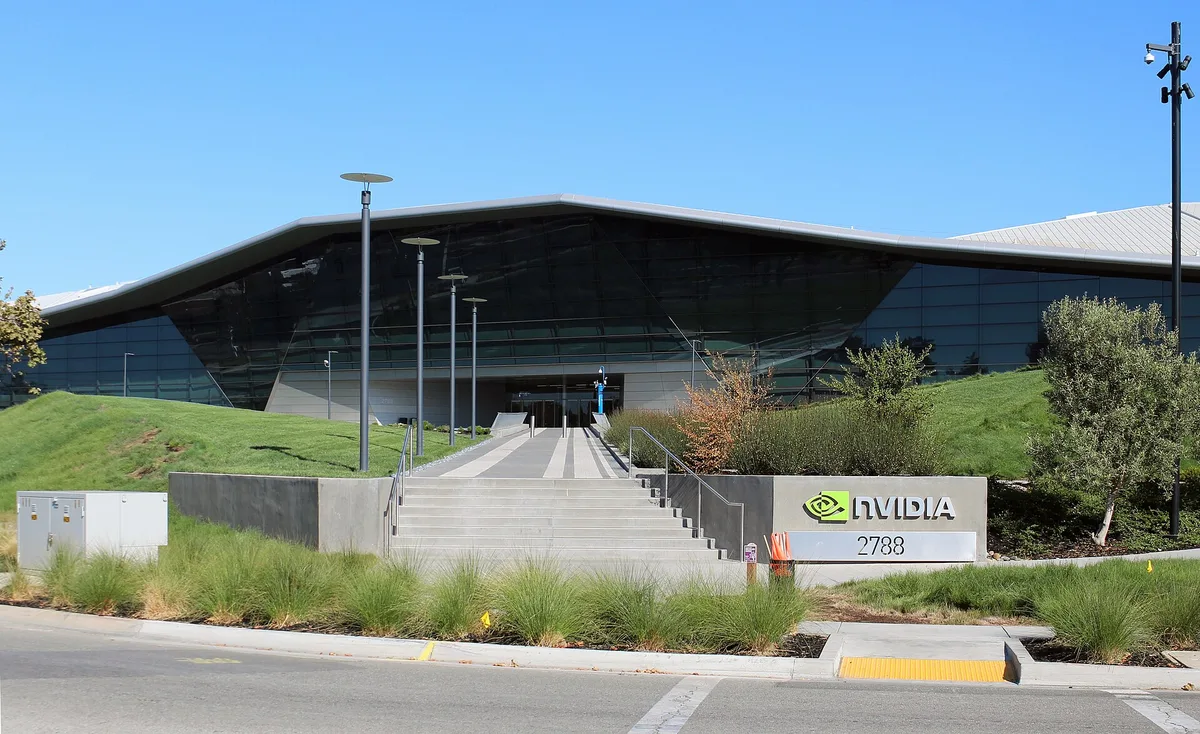
Nvidia was the center of the storm. The stock closed at 125.53 dollars, down 14.01 percent on the day. Reuters reported on Friday afternoon, citing two people briefed on the matter, that enforcement staff at the Securities and Exchange Commission are examining potential accounting issues at the company. The SEC declined to comment, and Nvidia did not immediately respond to the report. An SEC examination is not a finding of wrongdoing, and many such inquiries end without any action, but investors did not wait to find out.
The timing made the damage worse. Nvidia was already down about 7 percent before the Reuters report, and the loss roughly doubled after it. The company has now shed about 2.5 trillion dollars in market value from its recent peak, according to market reports, and its shares are about 48 percent below their October record. Nvidia also accounted for about 8 percent of the entire S&P 500 by September, the heaviest weight for any single stock in more than 50 years, according to index data, which is why one company’s fall can drag the whole index with it.
The chipmaker was already under pressure from regulators. California Attorney General Rob Bonta sent Nvidia an investigative subpoena this week looking into whether its advanced chips reached China, as covered in our report on California’s subpoena of Nvidia. The new SEC report added a second front of legal scrutiny in the same week.
The Resignation That Started Nvidia’s Slide

The sell-off at Nvidia did not start on Friday. On November 12, the company announced that Jensen Huang had resigned as president, chief executive and a member of the board, effective immediately. Nvidia named chief financial officer Colette Kress as interim chief executive and appointed Harvey C. Jones as its first ever chair of the board. The company gave no reason for Huang’s departure in its announcement. According to Nvidia’s own investor announcement, Kress said she is committed to building on the foundation Huang created over 33 years.
Huang’s resignation followed reports in the New York Times about his personal life and an alleged foreign intelligence link, and the board had opened an independent investigation. Nvidia then reported strong third quarter results on November 17, but even good earnings could not stop the slide. President Donald Trump also bought Nvidia stock this month, as covered in our report on Trump’s Nvidia stock purchase, which shows how closely the company’s fate is now tied to politics as well as markets.
What a Stock Market Correction Means
A correction is a fall of 10 percent or more from a recent peak. It is not the same as a crash, and it is not a bear market, which begins at a 20 percent fall. The S&P 500 would have to drop to about 6,255 to reach bear market territory. Corrections are a normal part of markets: they happen most years, and they often end without turning into something worse. What makes this one different is what is falling. The same AI stocks that powered the rally are now leading the decline, which raises a harder question about whether the huge spending on artificial intelligence will ever pay off. The US Securities and Exchange Commission’s investor education site explains how market corrections fit into normal market cycles.
That doubt is the real story of this week. Investors are questioning whether the huge sums companies are spending on AI data centers will produce matching profits, and whether funding for those projects will keep flowing. Richard Saperstein of Treasury Partners told Bloomberg the market is going through an AI repricing, reflecting slowing data center buildouts, reduced funding for AI projects and slower growth in technology earnings. The 10 year Treasury yield fell back below 5 percent on Friday as investors moved money into safer assets, and US inflation is still running hot, as covered in our report on US inflation at 4.7 percent.
What Happens Next
Markets reopen on Monday, November 23, for a short Thanksgiving week. The New York Stock Exchange closes on Thursday, November 26, for Thanksgiving and closes early, at 1 p.m. Eastern, on Friday, November 27. Thin holiday trading can make moves bigger in both directions, so Monday’s open will be watched closely.
Three things will decide whether this correction stops here or gets worse. First, whether Nvidia or the SEC says anything more about the accounting inquiry, and whether it grows into a formal investigation. Second, whether the selling stays inside AI stocks or spreads to banks, retailers and other parts of the market. Third, whether buyers step in at these lower prices or wait for more clarity on AI spending and interest rates. Nobody can know yet whether the bottom is near, and anyone who claims to know is guessing.
Frequently Asked Questions
What is a stock market correction?
A stock market correction is a fall of 10 percent or more from a recent peak. The S&P 500 closed on November 20 about 11.6 percent below its October 6 record, and the Dow closed about 11.4 percent below its August record, so both are officially in correction territory.
Why did Nvidia stock fall 14 percent?
Reuters reported on Friday afternoon, citing two people briefed on the matter, that SEC enforcement staff are examining potential accounting issues at Nvidia. The SEC declined to comment and Nvidia did not immediately respond. An SEC examination is not a finding of wrongdoing, but investors sold the stock sharply after the report.
Is this a bear market?
No. A bear market begins at a 20 percent fall from a peak. The S&P 500 would have to drop to about 6,255 to reach that line. A correction is a normal market event that happens most years.
When do US markets reopen?
Markets reopen on Monday, November 23. The New York Stock Exchange is closed on Thursday, November 26, for Thanksgiving, and closes early at 1 p.m. Eastern on Friday, November 27.
Conclusion
Friday was the worst day of a brutal week for American stocks, and the correction in the S&P 500 and the Dow is now a fact, not a forecast. The trigger was a report about Nvidia’s accounting, but the deeper cause is a market that is no longer sure the AI boom can pay for itself. The next few sessions will show whether investors see these prices as a buying opportunity or the start of something worse. For now, the AI trade that carried the market to records in October is the same trade pulling it down, and Nvidia, its biggest name, is at the center of both stories.
Sources: Reuters, Bloomberg, The Motley Fool, Xinhua, Nvidia investor relations, the US Securities and Exchange Commission. Market figures are closing prices from Friday, November 20, 2026.
