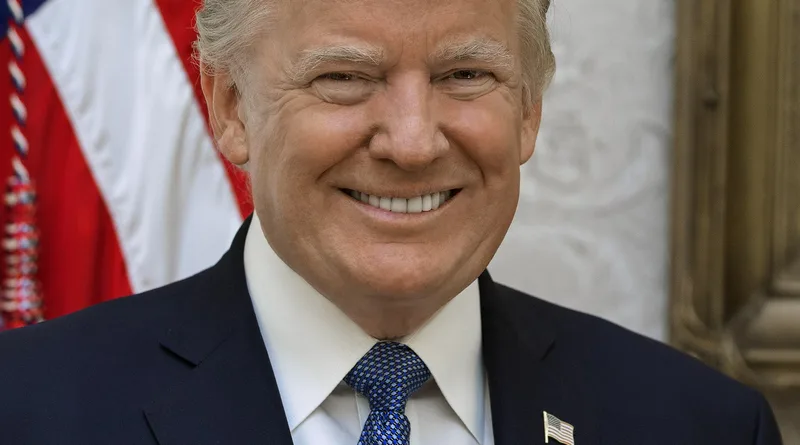
Trump, Xi and Putin Hold First Ever Trilateral Summit in Shenzhen
The trump xi putin summit ended on Thursday, November 19, with the first joint statement ever signed by the leaders of the United States, China and Russia. President Donald Trump, Chinese President Xi Jinping and Russian President Vladimir Putin met for about 90 minutes in Shenzhen, China, on the sidelines of the Asia-Pacific Economic Cooperation forum, and issued a four-point “peace declaration” pledging dialogue on reducing nuclear risks, stable energy flows and reform of the United Nations. The talks produced no deal on the wars in Ukraine or Iran, no new nuclear arms treaty and no date for the leaders to meet again.
The meeting was the first time the three leaders of the world’s largest nuclear powers had sat down together. Trump had travelled to the APEC summit from the ASEAN gathering in the Philippines, where he also met Philippine President Ferdinand Marcos Jr. Xi greeted Trump on the airport tarmac in Shenzhen with a red carpet, honor guards, ceremonial music and a military fighter jet flyover, a welcome Xi does not generally give foreign leaders. Trump then held separate bilateral meetings with Putin and Xi before the three men took seats around a large round table in a grand reception hall, with Chinese, American and Russian flags displayed around them and a traditional Chinese painting of mountain scenes behind them.
Table of Contents
A First Ever Meeting of the Three Nuclear Powers
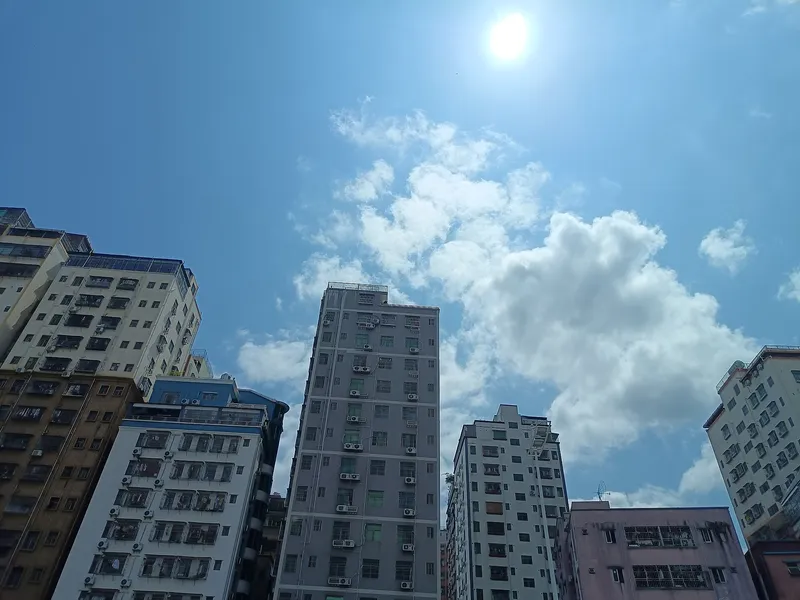
The session had been due to start at 2:30 p.m. local time. It began at 4:16 p.m., nearly two hours late, and ended at 6:01 p.m. The three leaders discussed the wars in Ukraine and Iran, nuclear weapons, trade tensions and artificial intelligence, according to USA Today. In opening remarks, Trump said the three countries were “uniquely positioned to discuss how to reduce the number of nuclear weapons on Earth and also to lessen the risk of those weapons being used.” Putin recalled that Russia, China and America were “the victors in World War II, and we hold joint responsibility for maintaining international peace.”
For Putin, the meeting was his first time back on the world stage in the company of Western leaders since Russia’s full-scale invasion of Ukraine in 2022 turned him into an international pariah in the West. Russian media published footage of Trump entering the room for their bilateral meeting and greeting Putin with the words: “Who is he? He’s my friend!” Political scientists and former officials quoted by USA Today said the meeting mattered because it was the first time the world’s largest military and nuclear powers had met face to face amid shifting power dynamics, simmering conflicts and big business deal-making.
The meeting also drew comparisons to the 1945 Yalta Conference, when the United States, Britain and the Soviet Union shaped the post-World War II order. Ukrainian President Volodymyr Zelenskyy told reporters in October: “We really don’t want this to turn into ‘Yalta 2, 3, 4,’ with a redistribution of influence.” Alexander Dugin, a high-profile Russian nationalist believed to have Putin’s ear, told Radio Sputnik this week that the summit “shows who is important in the world: We are, China and the West.”
Trump Xi Putin Summit: What the Peace Declaration Says
The joint declaration was published by China’s state news agency Xinhua at 6:55 p.m. local time, after the talks ended. It listed four points. First, the three countries pledged to reform the United Nations. Second, they reaffirmed the importance of stable energy flows and committed to increasing the production and supply of refined petroleum products, a point tied to energy supplies disrupted by the war in Iran. Third, they agreed to respect state sovereignty and the immunity of government officials, and to limit the reach of the International Criminal Court. Fourth, they agreed to hold dialogue on reducing nuclear risks and preventing nuclear proliferation.
“The three heads of state reaffirmed that a nuclear war cannot be won and must never be fought. The three countries will conduct a dialogue on reducing nuclear risks and preventing the proliferation of nuclear weapons,” the declaration said, according to reports citing Xinhua. The statement made no mention of Iran, even though energy supplies and nuclear weapons are both central to the war there. It also set no timelines or mechanisms for carrying out any of the four commitments, and the three sides said nothing about when, or whether, they would meet again, or when the promised nuclear-risk dialogue would begin.
A separate APEC statement released as the talks concluded was limited to pledges and aspirations about cooperating on trade, technology innovation and economic growth. It also appeared to refer indirectly to the scandal around Nvidia chief executive Jensen Huang, after revelations that he had an extramarital affair with a Chinese technology executive whom United States intelligence agencies suspect of being a corporate spy. “We recognize the importance of respecting intellectual property rights in the development of digital and emerging technologies,” the statement said. The White House has restricted exports of Nvidia’s powerful AI chips to China, a dispute our report on Nvidia halting H200 chip sales to China covers in detail.
Xi Calls for a Nuclear Free World
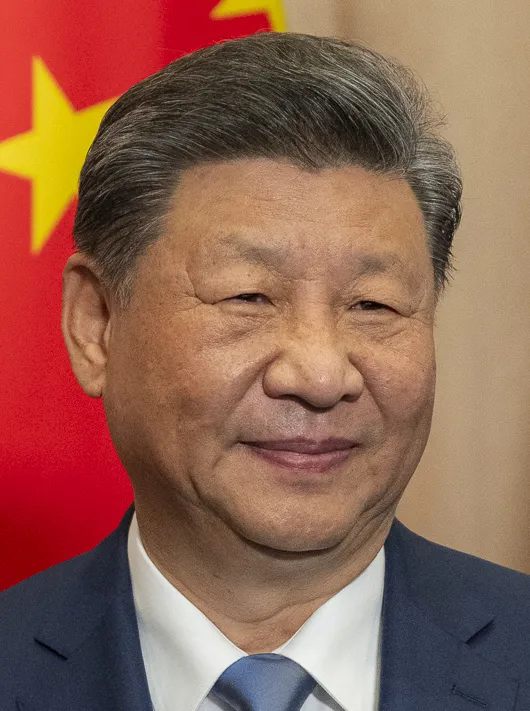
Xi made the boldest statement of the day in his opening remarks. “Nuclear weapons should be comprehensively banned and thoroughly destroyed, building a nuclear-free world,” he said, according to Xinhua. The call goes far beyond what the joint declaration itself promises, which is only a dialogue on reducing nuclear risks. No caps on arsenals were agreed, no treaty was signed, and the last arms control pact between Washington and Moscow, New START, remains lapsed since February.
China has positioned itself as neutral in the wars in Ukraine and Iran and has sought to present itself as a potential peace broker. Military analysts say Beijing has supplied both countries with weapons equipment, intelligence support and technology, though China officially disputes this. The declaration’s language on stable energy flows also matters for China, which is a major buyer of Iranian oil and has watched the war disrupt supplies through the Strait of Hormuz.
Our earlier report on Trump landing in China ahead of the historic trilateral covered Xi’s airport welcome and the buildup to the meeting, and our preview of the first ever three-way meeting in Shenzhen set out what was at stake before the leaders sat down.
Putin, Ukraine and the Yalta Question
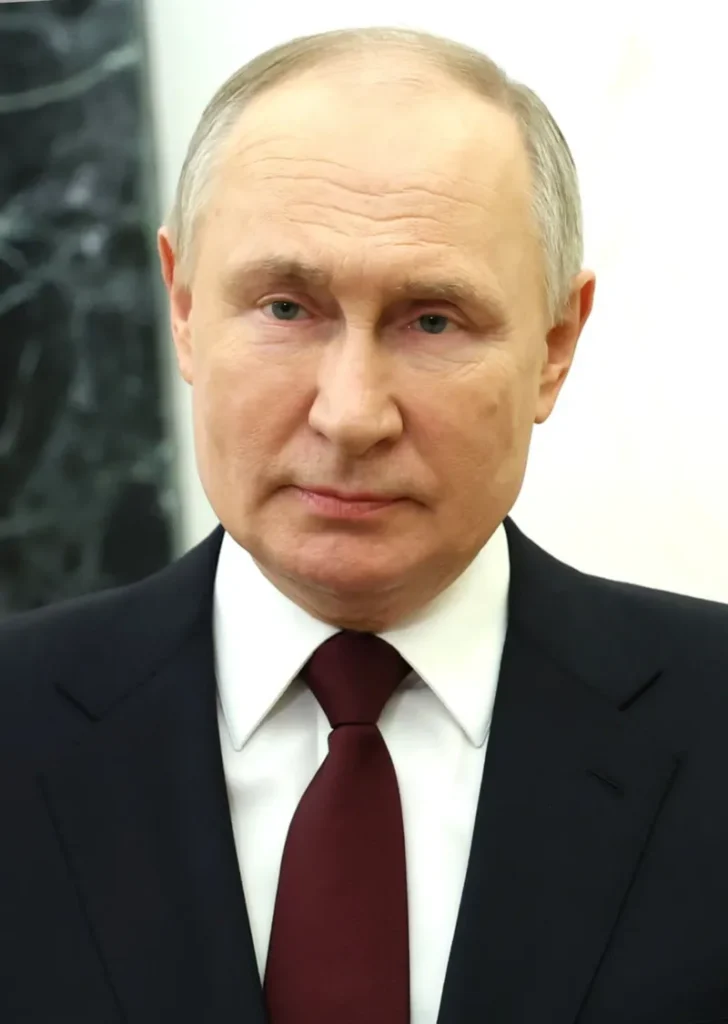
Russia’s war in Ukraine was discussed, but Kremlin spokesman Dmitry Peskov said it was “not the central topic at the trilateral meeting.” That matches the shape of the declaration, which says nothing specific about Ukraine at all. The summit settled none of the questions that filled its agenda, and the war continues with no ceasefire or peace framework agreed in Shenzhen.
The absence of a Ukraine outcome will disappoint Kyiv, which has watched the three leaders meet while its war grinds on. Zelenskyy’s warning about a new Yalta reflects a fear in Ukraine and across Europe that the three largest powers could strike bargains over smaller countries’ heads. Nothing in the published declaration does that, but nothing in it advances a settlement either. The declaration is a statement of intent, not a deal.
The Iran question was equally unresolved. Trump has been weighing new strikes on Iran as Israeli Prime Minister Benjamin Netanyahu pushes for a four to seven day campaign, as our report on Trump weighing new Iran strikes explains, and United States intelligence has warned that Iranian threats to Americans have surged, covered in our report on the DNI warning on Iran threats. It is unclear whether the Iran war or efforts to open the Strait of Hormuz were discussed at all in the trilateral session.
The Trade Truce Extension
The one clear result of the day came from the Trump-Xi bilateral meeting held before the trilateral session. The two leaders agreed to extend the trade truce between their countries, according to the Globe and Mail, CNBC and Bloomberg. Neither side said how long the new extension runs, or on what terms. The truce agreed in Busan in October 2025 had been due to run until January 10, 2027, after tariffs between the two countries peaked at 145 percent on the American side and 125 percent on the Chinese side. China’s own readout of the Xi-Trump meeting mentioned no extension details, according to Nikkei.
Trump left Shenzhen for Washington soon after the talks ended, flying out on Air Force One without speaking to reporters. The questions that filled the agenda in Shenzhen remain open. The trade truce’s new terms are unknown, the broader trade talks that were meant to follow have no date, and the nuclear-risk dialogue the declaration promises has no start date. What the summit did deliver is a first: the three leaders of the world’s nuclear powers have now met, talked and signed a joint statement together. Whether that becomes the start of real negotiations, or a one-off photo opportunity, will be decided by what happens next. The full account of the day is covered by USA Today and Al Jazeera.
Frequently Asked Questions
What did the Trump Xi Putin summit agree?
The three leaders issued a four-point peace declaration: reform the United Nations, ensure stable energy flows and more refined oil supply, respect state sovereignty and limit the International Criminal Court, and hold dialogue on reducing nuclear risks and preventing proliferation. It set no timelines or enforcement mechanisms.
How long did the trilateral meeting last?
The meeting ran for about 90 minutes in Shenzhen on November 19, 2026. It started nearly two hours late, at 4:16 p.m. local time, and ended at 6:01 p.m.
Was there a deal on Ukraine or Iran?
No. The declaration says nothing specific about either war, and Kremlin spokesman Dmitry Peskov said Ukraine was not the central topic. No ceasefire, peace framework or new nuclear arms treaty was agreed.
Did Trump and Xi agree anything on trade?
Yes, in their separate bilateral meeting before the trilateral session, Trump and Xi agreed to extend the US-China trade truce, according to the Globe and Mail, CNBC and Bloomberg. No duration or terms were disclosed.
What is New START and why does it matter?
New START was the last nuclear arms control treaty between the United States and Russia. It lapsed in February 2026, so there is currently no binding treaty limiting the two countries’ deployed strategic nuclear weapons.
Conclusion
The trump xi putin summit made history as the first ever three-way meeting of the leaders of the United States, China and Russia, and it ended with a joint peace declaration on nuclear risks, energy supplies and United Nations reform. But the declaration settles none of the wars or arms questions that filled the agenda, and it sets no dates for the dialogue it promises. The real test is whether the leaders follow up with negotiations on Ukraine, Iran and nuclear arms, or whether Shenzhen is remembered as a symbolic first meeting and nothing more.
