California Subpoenas Nvidia as US Reveals 900,000 AI Chips Approved for China
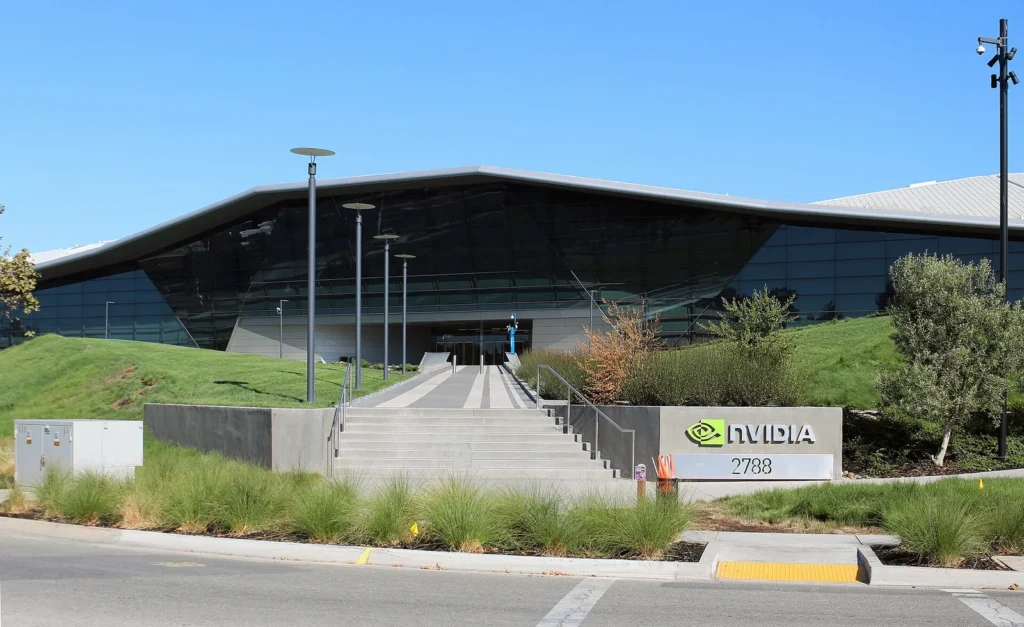
The nvidia subpoena landed on Thursday, November 19, and it deepened the worst crisis in the chipmaker’s history. California Attorney General Rob Bonta served an investigative subpoena on Nvidia, opening a state probe into whether the company’s advanced chips or confidential information reached China, and whether Nvidia misled investors and the public about that risk. The move came on the same day the US House Foreign Affairs Committee revealed that the Trump administration had approved nearly 900,000 advanced AI chips from Nvidia and AMD for Chinese companies in six months. Together, the two announcements turned a corporate scandal into a legal and political storm.
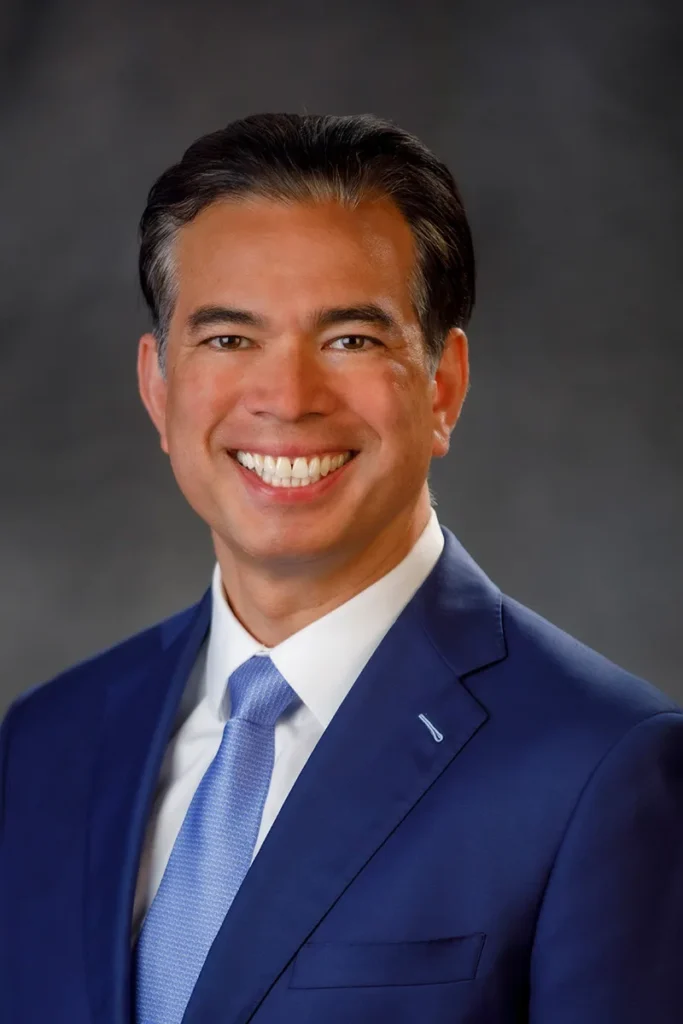
Bonta’s office said the subpoena asks Nvidia whether its advanced chips or confidential information may have gone to China. The probe will also examine whether the company misled investors and the public about the risk, which could violate California’s corporate securities law. The attorney general did not accuse Nvidia of wrongdoing, and a subpoena is a demand for information, not a finding of guilt. But his language was blunt. “The conduct of Nvidia and its former CEO raises bright red flags,” Bonta said, adding that his office is investigating whether Nvidia or former chief executive Jensen Huang’s actions resulted in China obtaining advanced chips or confidential information.
Table of Contents
Why California Is Investigating Nvidia
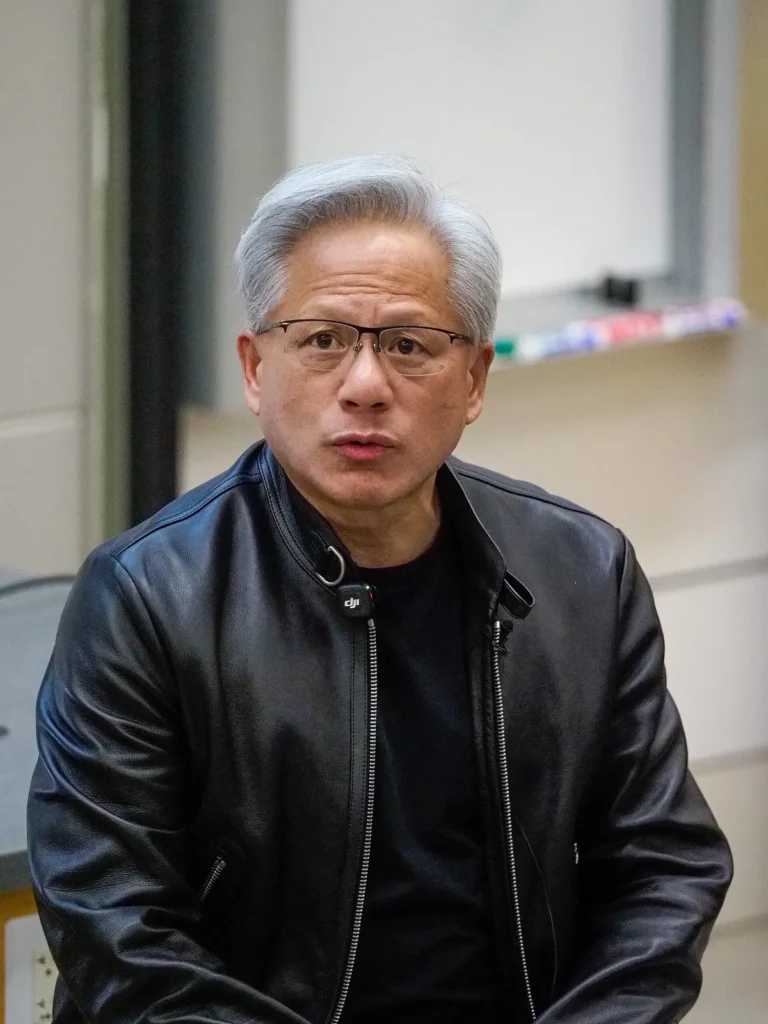
The investigation follows reports about Huang’s affair with Alice Huang, a businesswoman suspected by US authorities of working for Chinese intelligence. Huang stepped down as Nvidia’s president, chief executive and director on November 12, and the board appointed chief financial officer Colette Kress as interim chief executive. Our report on Jensen Huang stepping down as Nvidia chief executive covers the resignation itself.
Bonta said his office wants to know whether the affair created a channel through which sensitive technology or information could have reached Beijing. “My office is investigating whether Nvidia or Jensen Huang’s actions resulted in China obtaining advanced chips or confidential information, and if Nvidia misled investors and the public about this risk, in violation of the law,” he said in a statement. He added that the principle behind California’s corporate securities law is clear: “Companies cannot mislead their investors.”
The attorney general had signaled the move two days earlier. In a Bloomberg Television interview on November 17, Bonta described the situation as “very possibly” something his office could examine, and said his course of action would depend on whether any California law had been broken. Nvidia is based in Santa Clara, California, which gives the state jurisdiction over its corporate disclosures. The subpoena is the first formal legal action against the company in the affair, and it arrives while federal scrutiny is also intensifying.
The 900,000 Chips Approved for China
The same day Bonta acted, the House Foreign Affairs Committee released export licensing data showing the scale of approved AI chip sales to China. The Trump administration approved shipments of nearly 900,000 advanced AI chips made by Nvidia and AMD for Chinese companies from December 2025 through May 2026, according to the committee. The Commerce Department approved 879,000 chip shipments in that period, and companies had sought permission to ship 3.4 million chips, according to committee documents reported by Reuters.
The breakdown named four Chinese companies. Alibaba received approval for 75,000 chips, Tencent for 150,000, Baidu for 43,000 and BYD for 4,000. All four are on the Pentagon’s list of alleged Chinese military-backed companies, the committee noted. The chips included Nvidia’s H200 and AMD’s equivalent MI325X. It was not immediately clear how many of the approvals resulted in actual shipments to China, a point both the committee and Nvidia stressed.
Committee chair Brian Mast used his authority under the Export Control Reform Act to publicly reveal the licensing information, an unusual step that put the data on the public record. The release came as the administration faces heightened scrutiny over its China chip policy, following the revelations about Huang. President Trump had given the green light in December 2025 for Nvidia to ship its H200 chip to China, rolling back Biden-era restrictions and drawing criticism from China hawks across the political spectrum.
Nvidia responded that the approvals were “subject to strict conditions and limited volumes” and said that “despite receiving some licenses, we have since stopped shipping H200s to China.” Our report on Nvidia stopping H200 chip sales to China explains the halt, which interim chief executive Kress announced on the company’s earnings call on November 17. The Commerce Department said its approach to H200 licensing is based on a rule published in the Federal Register in January 2026, which imposes significant additional national security requirements on applicants seeking case-by-case consideration rather than a presumption of denial.
What the Affair Investigation Already Found
The California probe is not the first investigation touching Nvidia’s China business. The US Departments of Justice and Commerce confirmed this week that an investigation into the export-control compliance of Megaspeed, a company linked to the smuggling allegations, began in 2024. Federal authorities subpoenaed Nvidia’s sales records in May 2025, and Nvidia placed Megaspeed on its internal no-sell list the following month. Alice Huang is a former executive at Singapore-based Megaspeed, and US intelligence agencies are examining her possible ties to China’s Ministry of State Security.
The federal questions go beyond one company. Chinese AI labs have found other routes to Nvidia hardware, and all of China’s leading AI models show evidence of having been trained on Nvidia Grace Blackwell chips that are prohibited from being exported to China. The Commerce Department also issued new rules this month barring advanced American chips from foreign data centers that serve Chinese customers remotely. Our report on the new US AI chip export rule explains those rules, which closed a cloud-computing loophole in the export controls.
Huang has voluntarily agreed to appear for transcribed interviews before congressional committees on December 1, followed by the company’s general counsel, Tim Teter, on December 2. He is also due to appear before a Senate committee alongside Commerce Secretary Howard Lutnick, as our report on the Huang and Lutnick testimony explains. Those hearings will now take place with a state subpoena in play and the 900,000-chip figure in the public record.
What Happens Next for Nvidia
The subpoena starts a process, not a verdict. Nvidia must now produce documents and information to the California Department of Justice, which will decide whether the company’s actions violated state law. If the probe finds that Nvidia misled investors about the risk that chips or secrets reached China, the company could face civil penalties under California’s corporate securities law. The investigation could also widen if the documents point to other people inside the company.
For investors, the questions are practical. Nvidia’s stock has been under pressure as the scandal has grown, and the company’s blockbuster earnings were overshadowed this week by the regulatory news. Our report on Nvidia earnings beating estimates covers the results themselves, but the market is now pricing in legal risk as well as trade risk. Kress has told staff that pay raises will take effect in December and equity compensation will increase, a move aimed at steadying a workforce shaken by the founder’s sudden exit.
The political pressure is also rising. The House committee’s data release was designed to force a debate about whether the administration’s licensing policy was too loose, and the California probe adds a state-level challenge to the company’s conduct. The December testimony from Huang and Teter will be the first time the central figures answer questions under oath, and the subpoena means California’s investigators will be watching those answers closely. The California Department of Justice published its announcement on oag.ca.gov, and Reuters reported the chip approval figures at reuters.com.
Frequently Asked Questions
What is the Nvidia subpoena about?
California Attorney General Rob Bonta served an investigative subpoena on Nvidia on November 19, 2026. His office is investigating whether Nvidia’s advanced chips or confidential information reached China, and whether the company misled investors and the public about that risk.
How many AI chips did the US approve for China?
The House Foreign Affairs Committee said the Trump administration approved nearly 900,000 advanced AI chips from Nvidia and AMD for Chinese companies from December 2025 through May 2026. The Commerce Department approved 879,000 shipments, including 150,000 for Tencent, 75,000 for Alibaba, 43,000 for Baidu and 4,000 for BYD.
Who is Alice Huang?
Alice Huang is a businesswoman and former executive at Singapore-based Megaspeed who is suspected by US authorities of working for Chinese intelligence. Reports of her alleged affair with former Nvidia chief executive Jensen Huang triggered the investigations.
Is Nvidia still shipping H200 chips to China?
No. Interim chief executive Colette Kress said Nvidia is no longer shipping licensed Hopper data center products, including the H200, to China, and its fourth-quarter guidance includes no Hopper data center revenue from China.
When will Jensen Huang testify?
Huang has voluntarily agreed to appear for transcribed interviews before congressional committees on December 1, 2026, followed by Nvidia general counsel Tim Teter on December 2.
Conclusion
The nvidia subpoena and the 900,000-chip disclosure arrived on the same day, and together they changed the shape of the Nvidia scandal. What began as a story about a chief executive’s affair is now a state securities investigation, a congressional data release and a public debate about American chip policy toward China. Nvidia says the approvals carried strict conditions and that it has stopped shipping H200 chips to China. California wants the documents to test that account. The answers will start coming in December, when Huang and Teter testify before Congress.
