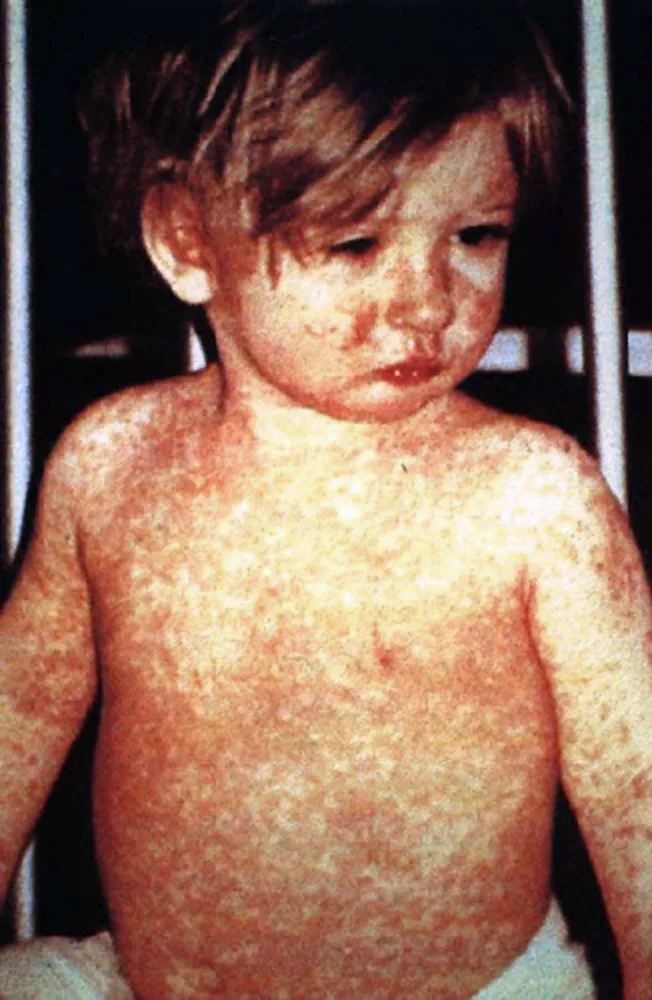
13 Babies Born With Measles in the US as Cases Hit Highest Total Since 1991
Thirteen babies born with measles in the United States since the start of 2025, according to figures from the Centers for Disease Control and Prevention published on Monday, November 16, 2026, in a public health alert by NEJM Evidence with the University of Minnesota’s Center for Infectious Disease Research and Policy. It is the first time in decades that babies in the United States have been born already infected with the virus, a development health experts are calling a brand-new phenomenon in the country’s worst measles outbreak in more than 30 years. The same alert counted 112 confirmed measles cases during pregnancy, almost all of them in women who were unvaccinated or whose vaccination status was unknown.
The findings landed a day before the Pan American Health Organization declared on November 17 that measles is now endemic in the United States, formally ending the elimination status the country had held since 2000. Together, the two announcements describe a disease that was beaten a generation ago and has now come back far enough to reach newborns in the womb. Our earlier report on the US losing its measles elimination status covers the decision itself; this report covers the new evidence about babies and what it means.
Table of Contents
What Congenital Measles Means for Newborns
Congenital measles occurs when a pregnant woman passes the virus to her baby in the womb. It can cause serious complications or death for newborns, including maternal pneumonia, preterm delivery and neonatal complications, according to the NEJM Evidence alert. The 13 cases were reported to the CDC from the start of 2025 through September 2026, and the true number may be higher, because cases can be missed and there is no national database on congenital measles, likely because the disease was so rarely seen in the United States for decades that no routine count was kept.
The risk is not small. An estimated 25 to 30 percent of babies born to someone who catches measles shortly before delivery may become infected, the American Academy of Pediatrics says. Those babies are at risk of developing dangerous brain swelling that is almost always fatal later in life, according to Science News. A separate investigation by the Center for Infectious Disease Research and Policy, using state health department data, identified at least 167 pregnant women infected across 2025 and 2026, more than the 112 cases in the CDC-tracked group, which suggests the official count understates the scale.
Infants under one year old are largely ineligible for the vaccine, which makes them especially vulnerable. They depend on the immunity of the people around them, and on their mothers being protected before pregnancy. When vaccination rates fall far enough for measles to spread in a community, pregnant women and their babies are among the first to pay the price. That is what the 13 congenital cases show, and it is why doctors are raising the alarm.
The Outbreak Behind the Numbers
The congenital cases are part of the largest measles surge in the United States since 1991. The CDC has recorded 5,412 confirmed cases in 2026 as of November 12, the highest annual total since 1991, with nearly 2,300 cases in 2025 and more than 7,000 cases since the West Texas outbreak began in January 2025. Over 90 percent of cases have been in people who are unvaccinated or whose vaccination status is unknown. States report that 13 people have died, although the CDC so far recognizes only nine of those deaths.
The virus has now been spreading without interruption for more than a year, which is the benchmark that cost the United States its elimination status. The Pan American Health Organization, the World Health Organization’s regional office for the Americas, declared on November 17 that measles is endemic in the country, and Mexico and Bolivia lost their elimination status at the same time. Canada had lost its status in 2025. “Measles is resurging globally amid persistent gaps in vaccination coverage,” PAHO director Jarbas Barbosa said in a November 17 news conference.
Outbreaks have appeared across the country, with notable clusters in Utah, Arizona, Texas, South Carolina, Wisconsin and Pennsylvania. Roughly one in five people who catch measles will be hospitalized with complications such as pneumonia or brain swelling, and children younger than five, adults over 20, pregnant women and their infants are more likely to get sick. Some infected people are not getting tested, which makes them invisible to officials who are trying to trace chains of transmission. Researchers reported in July that an outbreak in Arizona and Utah was far larger than official numbers suggested, with roughly 1,000 confirmed cases possibly representing just 20 to 30 percent of the outbreak’s true size.
Vaccination Rates and the Road Back
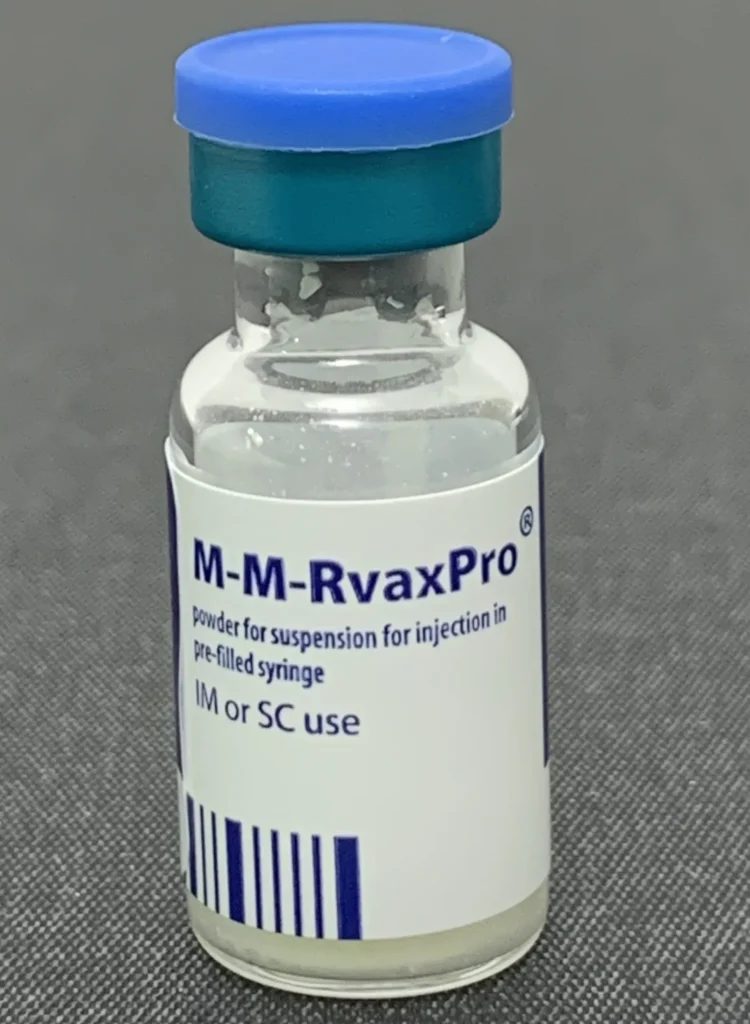
The measles, mumps and rubella vaccine, known as MMR, helped eliminate measles from the United States in 2000. At least 95 percent of people in a community need to be vaccinated to prevent outbreaks, but coverage has slipped below that line. According to the CDC, roughly 92 percent of kindergarteners across the United States had received the vaccine in 2025, down from 95 percent in 2019. In 2025, 83 percent of US adults viewed the MMR vaccine as safe, down from 86 percent in 2024, according to a survey from the University of Pennsylvania’s Annenberg Public Policy Center. Decades of evidence show the vaccine is safe and highly effective, yet misinformation, including a disproven claim that the vaccine causes autism, means fewer children are receiving the shot.
Regaining elimination status will take time. Countries must not only stop ongoing outbreaks but also prove that no one caught measles within their borders for a full year. Vaccinating people across the country, particularly in areas with low vaccination rates, will stifle the virus’s spread. There is also room in the childhood vaccine schedule to give infants an extra MMR dose at six months if there is an active outbreak in their area, and pediatricians can offer the second dose a month after the first one rather than waiting until around the time children start kindergarten. Adults, particularly those who received only one dose, can also get a booster. For general health guidance, see our report on the best lower ab exercises and our explainer on what HIIT training is.
Other countries have beaten back measles after losing elimination status. Extensive vaccination campaigns helped Venezuela and Brazil regain it after briefly losing it in 2017 and 2019, and Canada’s nearly two-year-long outbreak officially ended in October, though it is unclear when the country might earn its status back. “It is not hopeless,” epidemiologist Jennifer Nuzzo of the Brown University School of Public Health said. “It can be done, and I hope it will be done in the United States.”
The Public Health Response
The federal public health response has so far taken a back seat to efforts from state and local health departments to curb ongoing outbreaks. CDC director Erica Schwartz has said the health agency will not be changing its response, telling Reuters that “we’re going to be doing the same exact thing that we’ve been doing today, which is working with the states.” In a November 17 statement, the CDC said the agency will “encourage MMR vaccination, expand access to vaccines, and help communities close gaps in protection.”
Local public health officials are, in the words of health psychologist Noel T. Brewer of the University of North Carolina, “doing every last thing that you can imagine with limited resources.” But experts say a cohesive plan at the federal level could bolster defenses before the virus arrives in new states, and eliminating measles again will take dedicated resources and more funding for public health departments. Officials in New Mexico spent an estimated $5.4 million, over $53,000 per case, responding to a 2025 outbreak linked to West Texas, and the CDC has provided an additional $100 million to states to help fight measles.
The surveillance gap is part of the problem. “Without good surveillance across the entire country, we can miss pockets out there if people aren’t reporting, if people are hiding cases,” said Jonathan Temte, a family medicine physician at the University of Wisconsin, in a Brown University webinar. Until recently, outbreaks were largely isolated in communities with low vaccination rates and quickly contained. Now they are more likely to spill over into neighboring communities, and as epidemiologist Nathan Lo of Stanford University put it, “there’s a lot of potential connectedness between the outbreaks.”
Frequently Asked Questions
How many babies were born with measles in the US?
Thirteen babies were born with congenital measles in the United States from the start of 2025 through September 2026, according to CDC figures published November 16, 2026, in a NEJM Evidence public health alert. The true number may be higher, because cases can be missed and there is no national database for congenital measles.
What is congenital measles?
Congenital measles occurs when a pregnant woman passes the measles virus to her baby in the womb. It can cause serious complications or death for newborns. An estimated 25 to 30 percent of babies born to someone who catches measles shortly before delivery may become infected.
How many measles cases has the US had in 2026?
The CDC has recorded 5,412 confirmed measles cases in 2026 as of November 12, the highest annual total since 1991. More than 7,000 cases have been recorded since the West Texas outbreak began in January 2025, and over 90 percent of cases have been in people who are unvaccinated or whose vaccination status is unknown.
Has the US lost its measles elimination status?
Yes. The Pan American Health Organization declared on November 17, 2026, that measles is now endemic in the United States, ending the elimination status held since 2000. The country can regain the status only after showing no domestic transmission for at least 12 months.
How can measles be prevented?
The MMR vaccine is safe and highly effective, and at least 95 percent of people in a community need to be vaccinated to prevent outbreaks. Children normally get their first MMR dose at their first birthday, but doctors can give infants an extra dose at six months if there is an active outbreak nearby.
Conclusion
Thirteen babies born with measles is a small number next to 5,412 cases, but it is the sharpest measure of how far the disease has returned. Measles was eliminated in the United States in 2000, and now it is endemic again, spreading without interruption for more than a year and reaching newborns in the womb. The vaccine that prevents it is safe, effective and widely available, and coverage of about 92 percent of kindergarteners is below the 95 percent needed to stop outbreaks. Closing that gap is the only way back to elimination, and the 13 babies are the reason it cannot wait.
