Appeals Court Gives Trump a Path to Erase Hush Money Conviction
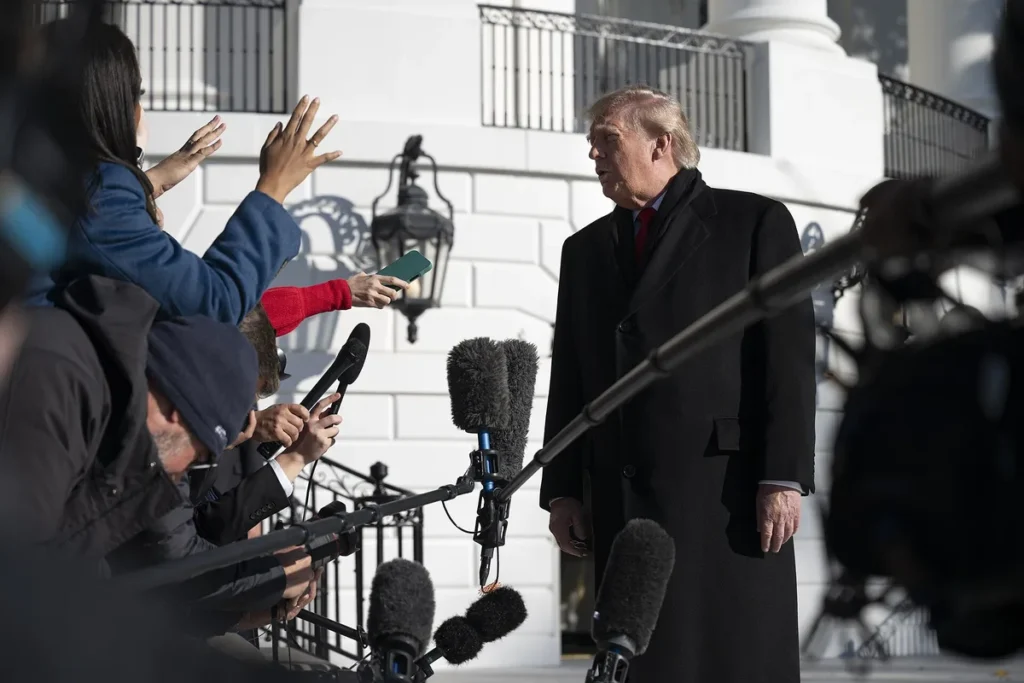
A federal appeals court on Monday gave President Donald Trump a new pathway to erasing his historic criminal conviction, reviving a legal fight that has run for more than three years. The Trump hush money conviction, the first ever of a sitting or former United States president, now heads back to a lower federal court that must decide quickly whether the case belongs in the federal system at all. If the case moves, Trump will be free to argue that the verdict should be thrown out because of presidential immunity. The ruling does not erase the conviction by itself, but it opens a door that lower courts had kept shut, and it freezes Trump’s separate appeal in New York state court while the question of jurisdiction is settled.
Table of Contents
The Trump Hush Money Conviction: What the Court Decided
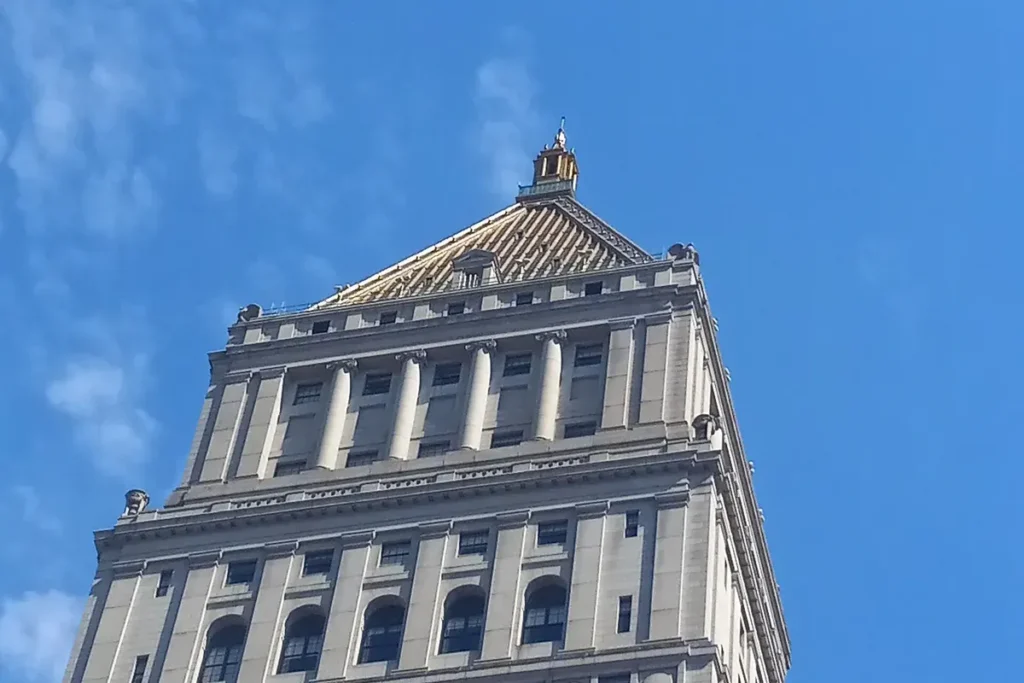
A three-judge panel of the 2nd U.S. Circuit Court of Appeals ruled on Monday, November 23, 2026, that a federal judge had been wrong to keep the Trump hush money conviction in New York state court. In a short two-page order, the panel sent the case back to a lower federal court in Manhattan and ordered a judge there to rule promptly on Trump’s request to move the case, a process lawyers call removal.
The panel said the late U.S. District Judge Alvin Hellerstein had “erred in holding that removal is categorically unavailable in a state criminal case” after a conviction. It also found that Hellerstein had been wrong to reject Trump’s claim that he had good cause to seek removal twice, once after his indictment and again after his trial.
The three judges were Raymond J. Lohier Jr., John M. Walker Jr. and Jose A. Cabranes. Lohier and Cabranes were appointed by Democratic presidents, while Walker was appointed by a Republican president. The ruling came about a week after the panel spent more than an hour questioning Trump’s lawyer and a state prosecutor, according to the Associated Press.
The decision also set in motion a halt to proceedings in Trump’s simultaneous appeal in New York state court. That appeal, before the mid-level Appellate Division, had its arguments heard on November 5, but the court has not yet ruled. Trump’s lawyer, Robert Giuffra Jr., sent a letter to the Appellate Division on Monday notifying it of the ruling and asking that no further proceedings take place in the state courts while jurisdiction is being sorted out.
How the Case Reached This Point
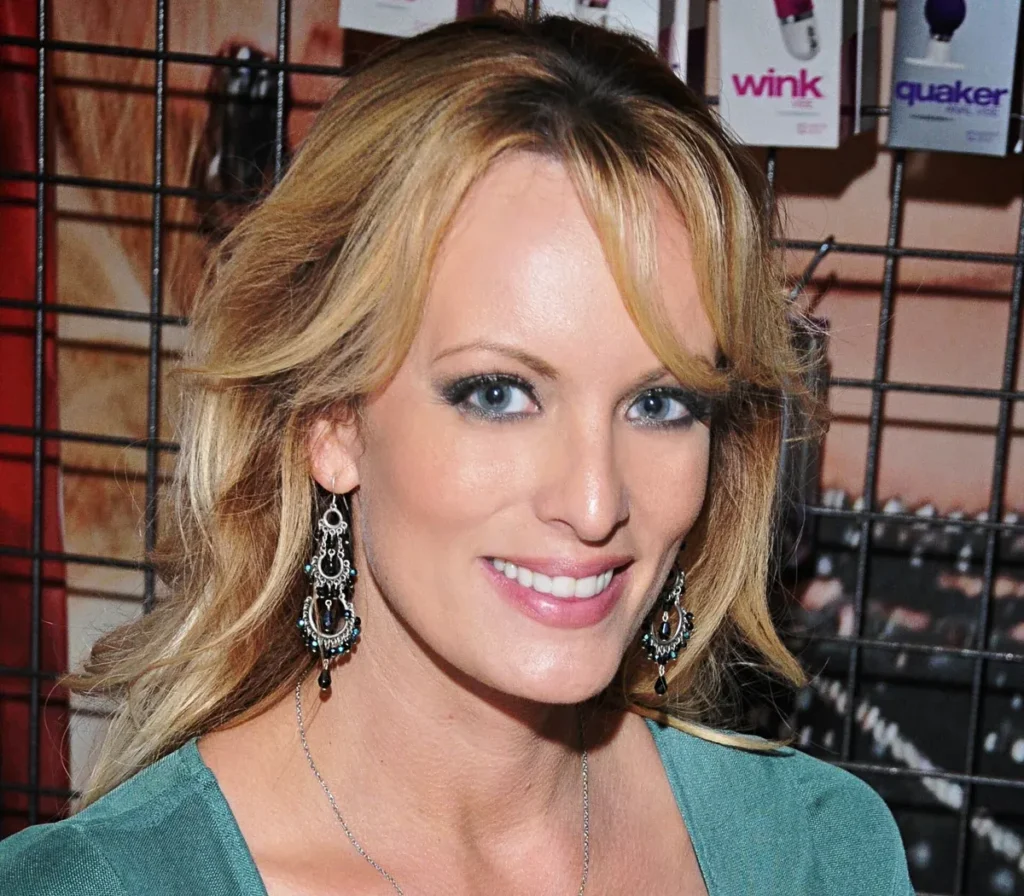
The Trump hush money conviction dates back to a New York jury verdict in May 2024. The jury found Trump guilty on 34 felony counts of falsifying business records to conceal a $130,000 payment to adult film performer Stormy Daniels. Prosecutors said the payment was made to keep Daniels quiet about an alleged affair in the final weeks of the 2016 presidential campaign, when her claims threatened to damage Trump’s candidacy. Trump denies the affair and says he did nothing wrong.
The verdict made Trump the first United States president ever convicted of a crime. At his sentencing in January 2025, just days before his second term began, he received an unconditional discharge, which meant no prison time and no fine. The conviction itself, however, stayed on the record, and Trump has fought to clear it ever since.
Trump first asked to move the case to federal court weeks after he was indicted in March 2023. He tried again after his conviction and after the Supreme Court ruled in July 2024 that presidents and former presidents cannot be prosecuted for official acts, and that prosecutors cannot use official acts as evidence that unofficial actions were illegal. The full opinion is published by the Supreme Court.
Judge Hellerstein rejected the request three times, most recently in August 2026. He wrote that “paying hush money to an adult film star or engaging in a cover-up of an embarrassment are not subsumed in presidential immunity.” Hellerstein died in October at the age of 92, and the case now falls to another federal judge.
The appeals court had already sided with Trump once before. After he appealed Hellerstein’s second denial, the 2nd Circuit ordered the judge to reconsider, finding that he had failed to weigh “important issues relevant” to the request. That panel expressed no view on how Hellerstein should rule, but it told him to look closely at evidence Trump said was tied to his official acts and whether those actions were part of his White House duties.
Why Presidential Immunity Is Now the Central Question
The Trump hush money conviction fight has now become a test of how far presidential immunity reaches. In federal court, Trump’s lawyers plan to argue that prosecutors at his trial relied on the kind of official acts evidence that the Supreme Court later barred, including testimony about his Oval Office conversations, his workflow and his social media posts. Giuffra made that argument to the appeals panel last week.
Trump’s team also argues that the prosecution’s description of the $130,000 payment as an illegal campaign contribution under the Federal Election Campaign Act belongs in federal court, not state court. Manhattan prosecutors have taken the opposite view throughout, saying Trump’s dealings in the Daniels matter broke state laws and were not part of his official duties.
Steven Wu, chief of the appeals division at the Manhattan District Attorney’s Office, urged the 2nd Circuit panel to uphold Hellerstein’s ruling and leave the case in state court. The Manhattan District Attorney’s Office declined to comment after Monday’s decision. A spokesperson for Trump’s legal team said the president “appreciates the 2nd Circuit’s prompt and correct ruling, as he continues to win against Democrat weaponization of our Justice System.”
Giuffra had urged the judges to rule swiftly, arguing that without federal court intervention, the president “will likely have to wait years” for state appellate courts to rule before he can take the matter to the United States Supreme Court. The panel’s order for a prompt decision answers that plea, though it set no specific deadline.
What Happens Next
If the district judge rules in Trump’s favor, the case would return to the 2nd Circuit, where Trump could argue that the verdict should be discarded because of presidential immunity. Al Jazeera reported that Monday’s ruling leaves the jury’s guilty verdict intact for now, but it clears the way for the president to seek a hearing in federal court. That two-step path, from the district court back up to the appeals court, is the legal merry-go-round the Associated Press described in its report on the ruling. For now, the Trump hush money conviction remains on the record while the courts decide where the case belongs.
Several questions remain open. No deadline has been set for the district judge’s decision. The new judge must weigh whether Trump’s conduct was tied to his official duties, a question Hellerstein answered with a firm no. And the state appeal, already argued, is now on hold indefinitely while the federal question is resolved.
The stakes are mostly about the record rather than punishment. Because Trump received an unconditional discharge, he faces no prison time or fine. What he is fighting for is the removal of the conviction itself, and with it the historical fact that a president was found guilty of 34 felonies. For prosecutors, the fight is about whether a state jury verdict can survive when a president claims the conduct was official.
Why the Ruling Matters Beyond Trump
The ruling matters because it tests a rarely used part of federal law. Federal officers, including presidents, have a right to be tried in federal court for charges arising from conduct performed while in office. Courts have almost never had to apply that rule to a president convicted in state court, and the 2nd Circuit has now said twice that the question deserves a real hearing rather than a quick dismissal.
The Trump hush money conviction ruling also arrives at a charged political moment. Democrats won at least 258 House seats in the recent midterm elections, the largest House majority since 1992, and they take control of Congress in January. That new majority is expected to press its oversight powers, including an executive order telling federal contractors to clear Congress requests with the White House that Trump signed in recent days. At the same time, another federal appeals court recently ruled on a major separation of powers question when it found a Biden-era spending law unconstitutional over proxy voting.
For Trump, the ruling is a legal win in a case he has called a political prosecution from the start. For the courts, it is the beginning of a longer fight over where a president can be tried, what counts as an official act, and whether a state conviction can stand when the defendant says the White House was involved. The next move belongs to a federal judge in Manhattan, and whatever that judge decides, the case is almost certain to return to the appeals court that just reopened it.
Frequently Asked Questions
Did the appeals court erase Trump’s hush money conviction?
No. The Trump hush money conviction still stands. The 2nd Circuit only ruled that a lower federal court must promptly decide whether the case should move from state court to federal court. If the case moves, Trump can then argue the verdict should be discarded on immunity grounds.
What is the Second Circuit?
The 2nd U.S. Circuit Court of Appeals is the federal appeals court covering New York, Connecticut and Vermont. Its three-judge panel in this case was made up of Judges Raymond J. Lohier Jr., John M. Walker Jr. and Jose A. Cabranes.
Why does Trump want the case in federal court?
In federal court, Trump can argue that the verdict should be thrown out because prosecutors relied on evidence tied to his official acts as president, which the Supreme Court ruled in July 2024 cannot be used against a president. His lawyers also argue the campaign finance theory behind the case belongs in federal court.
What happens to Trump’s state court appeal?
It is on hold. The Appellate Division heard arguments on November 5, 2026, but has not ruled, and Trump’s lawyer asked the court not to take further steps while the federal jurisdiction question is decided.
Could the case reach the Supreme Court?
Yes. Trump’s lawyer has said that without federal court intervention, the president would likely wait years for state courts to rule before he could take the matter to the United States Supreme Court. A ruling in Trump’s favor at the district court would send the case back to the 2nd Circuit first.
Conclusion
Monday’s ruling gives Donald Trump his clearest path yet to erasing the only criminal conviction ever handed to a United States president. The Trump hush money conviction survives for now, but a federal judge must soon decide whether the case belongs in federal court, and that decision will shape whether the verdict itself can be challenged on immunity grounds. With the state appeal frozen and the appeals court already on Trump’s side twice, the next chapter of this historic case will be written in federal court.
