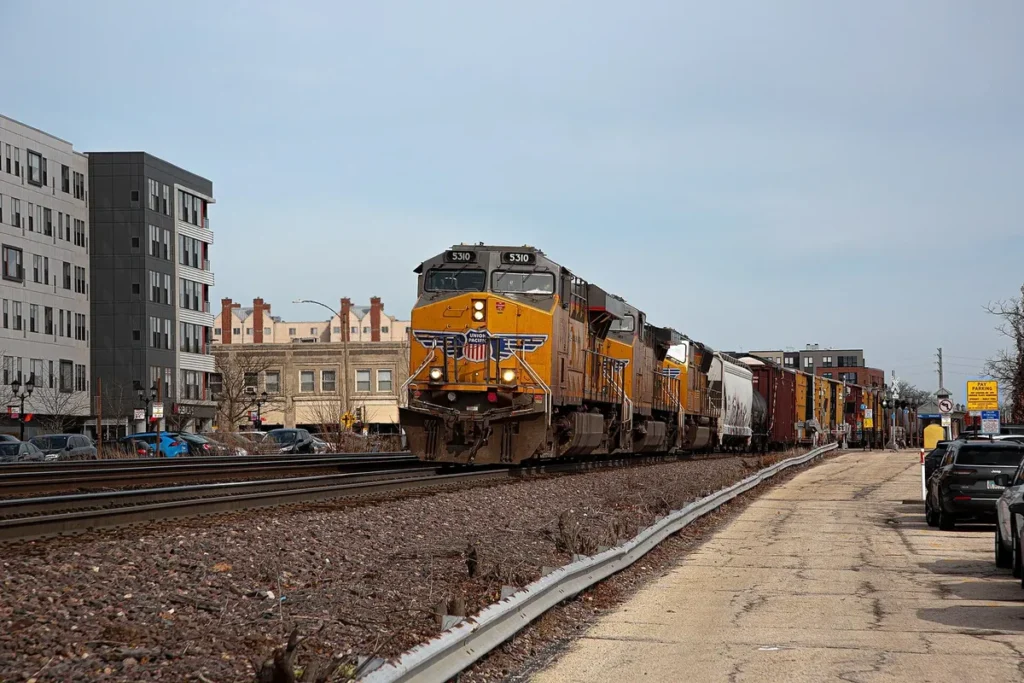
Union Pacific Norfolk Southern Merger Faces Rate Threat
A $71.5 billion plan to create a transcontinental railroad in the United States has run into fresh trouble, after private remarks by Union Pacific chief executive Jim Vena drew a formal rebuke from the federal regulator reviewing the deal. The Surface Transportation Board (STB) said it has serious concerns that the remarks may discourage shippers from speaking openly about the union pacific norfolk southern merger.
Table of Contents
Vena told a room of shippers in March 2026 that he would raise rates for those who opposed the deal. The comment stayed private for months while Union Pacific tried to keep the recording from going public. The board then ordered the video released, and it was published on Union Pacific’s website in early November 2026. Since then, a rival railroad has asked the board to end the review, and shipper groups have warned that the remarks risk silencing the people the process is meant to hear.
What Vena Said in Houston
Vena, 68, has led Union Pacific since 2023. He made the remarks at the Southwest Association of Rail Shippers conference in Houston in March 2026, in a video recording of the event. Addressing shippers in the room, he said: “I’ll probably increase everybody’s rates that said they didn’t want a seamless railroad by three or four extra percent to teach you a lesson.”
Union Pacific spent months trying to keep the recording from going public, but the STB ordered it released, and the video was published on the company’s website in early November 2026. Supply Chain Dive reported that the disclosure added a new wrinkle to a review that was already closely watched across the freight industry.
What the Union Pacific Norfolk Southern Merger Would Create
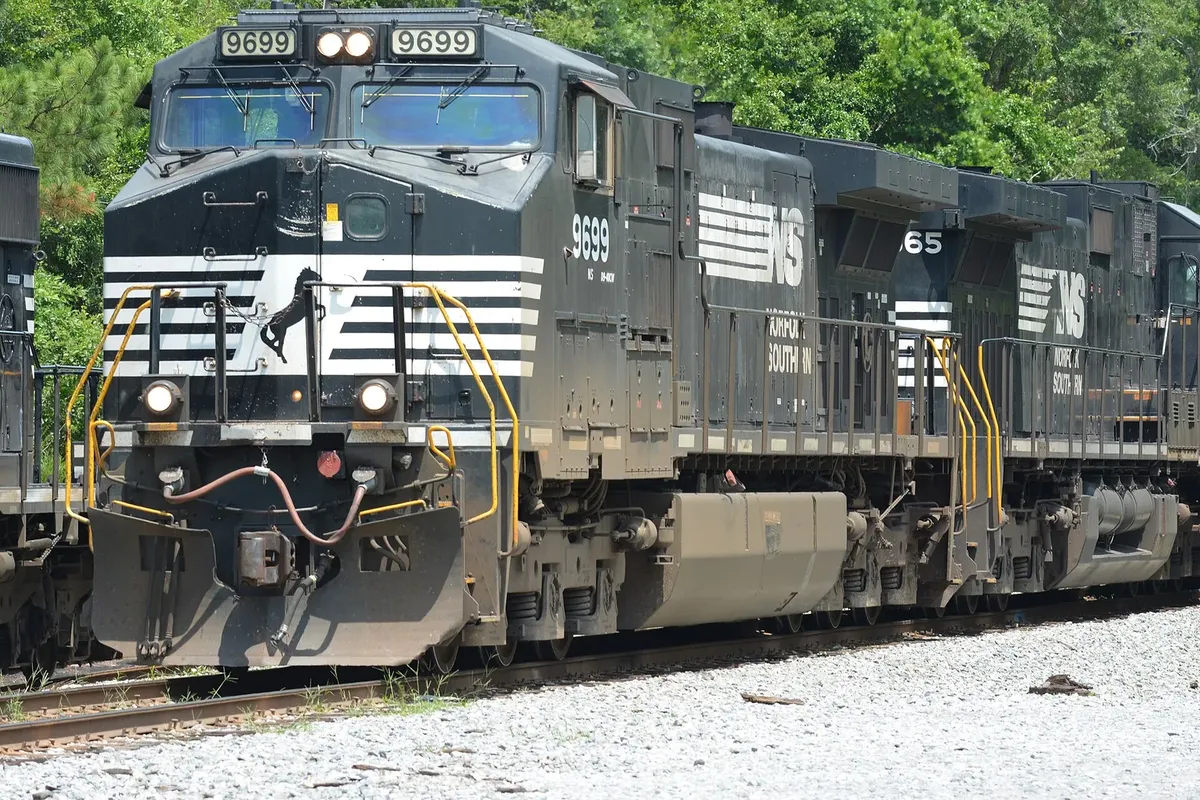
The proposed deal would combine Union Pacific and Norfolk Southern into a single transcontinental railroad. The companies say combining forces will cut shipping times and help customers compete globally. According to Union Pacific, more than 2,000 stakeholders, including over 500 shippers, have endorsed the deal.
Large mergers are planned in detail before they are filed, and the same habit of writing the plan down first helps smaller firms too, as our guide on how to write a business plan for beginners explains. For the railroads, the case rests on the promise of a smoother, faster network that moves freight across the country without changing trains between two separate systems.
That promise is now being weighed alongside a very different question: whether shippers can trust that their views on the deal will not affect the rates they pay.
Why the Regulator Stepped In
The STB did not treat Vena’s remarks as a private aside. The board said it has “serious concerns” that the remarks may influence stakeholders’ willingness to share their views, and warned that “retaliation, whether perceived or actual, can seriously undermine the integrity of the Board’s processes”.
Rival railroad CPKC asked the STB on 30 October 2026 to terminate the merger review, arguing that Vena’s conduct had tainted the process. Five shipper groups had already written on 13 October 2026 that the remarks risk silencing shippers, and the Joint Shipper Associations backed CPKC’s appeal in a filing on 2 November.
The objections matter because the review depends on open comment from the businesses that use the railroads. If shippers fear higher rates for opposing the deal, they may stay silent, and the board would hear a narrower set of views than the process requires. That is the core of the regulator’s concern, and it is why a single recorded remark has become a central issue in a $71.5 billion case.
A Longer Window for Comments
In response, the STB extended the deadline for filing comments to 18 November 2026, giving stakeholders more time to respond after the video became public. The board could decide whether to approve the deal in the middle of next year.
The extension keeps the review open but does not settle the questions raised by the remarks. The merger is neither approved nor rejected: it remains under review, and the conduct issue now sits alongside the competition questions the board must weigh.
What Union Pacific Says in Response
Union Pacific says Vena’s remark was an “offhand comment”. The company says it does not retaliate against customers, and that a customer’s position on the merger does not determine rates or service.
That defence will be tested against the board’s own reading of the recording. The STB has already said the remarks raise serious concerns, and shippers and rivals are pressing the board to treat the episode as a live issue in the review rather than a closed one. Until the board rules, the two accounts of the remark remain unresolved: an offhand comment on one side, and a threat that could chill debate on the other.
Merger Review Timeline
| 19 December 2025 | Merger first filed with the STB |
| 16 January 2026 | Filing rejected as incomplete |
| March 2026 | Vena makes the rate remarks at the Houston shippers conference |
| 30 April 2026 | Merger refiled |
| 28 May 2026 | STB accepts the filing for review |
| 13 October 2026 | Five shipper groups warn the remarks risk silencing shippers |
| 30 October 2026 | CPKC asks the STB to terminate the merger review |
| 2 November 2026 | Joint Shipper Associations back CPKC’s appeal |
| Early November 2026 | STB orders the video released; published on Union Pacific’s website |
| 18 November 2026 | Extended deadline for filing comments |
| Middle of next year | Board could decide on approval |
What Happens Next
The next test comes on 18 November 2026, when the extended comment period closes. The filings the board receives by then will show whether shippers speak freely after the video’s release, or whether the episode has chilled the debate the STB says it needs.
For small businesses that depend on freight rail, the stakes are practical: rates, service and shipping times shape what they can charge and how fast they can deliver. Entrepreneurs weighing a business that moves goods by rail can start with our guide to a business idea for entrepreneurship students, while owners choosing a legal structure can compare a sole proprietorship vs LLC.
Until the board rules, the union pacific norfolk southern merger stays in limbo. The companies continue to argue that a combined network would cut shipping times and help customers compete globally, while critics say the process itself has been damaged. The STB’s decision, expected in the middle of next year, will settle both questions at once.
Frequently Asked Questions
How much is the Union Pacific Norfolk Southern deal worth?
The union pacific norfolk southern merger, valued at $71.5 billion, would create a transcontinental railroad, and it is now awaiting approval from the federal Surface Transportation Board.
What did the Union Pacific CEO say about rates?
At a shippers conference in Houston in March 2026, Jim Vena said: “I’ll probably increase everybody’s rates that said they didn’t want a seamless railroad by three or four extra percent to teach you a lesson.” The STB ordered the video recording released, and it was published on Union Pacific’s website in early November 2026.
Has the regulator approved the merger?
No. The deal is still under review by the Surface Transportation Board. The board could decide whether to approve it in the middle of next year. It has not been approved, and it has not been rejected.
Why did the STB extend the comment deadline?
The board extended the deadline for filing comments to 18 November 2026 after the video became public. It said it has serious concerns that the remarks may influence stakeholders’ willingness to share their views.
What does Union Pacific say about the remarks?
Union Pacific says Vena’s remark was an “offhand comment”. The company says it does not retaliate against customers, and that a customer’s position on the merger does not determine rates or service.
Conclusion
The $71.5 billion merger was already one of the biggest rail deals in years before a private remark in Houston turned it into a test of the review process. The video is now public, the comment period has been extended, and the board has put its concerns on the record.
Whether the deal survives will depend on what the STB hears in the coming months, and on whether shippers believe they can speak without consequence. Until the board decides in the middle of next year, the merger remains a proposal under review, and a deal very much in trouble.