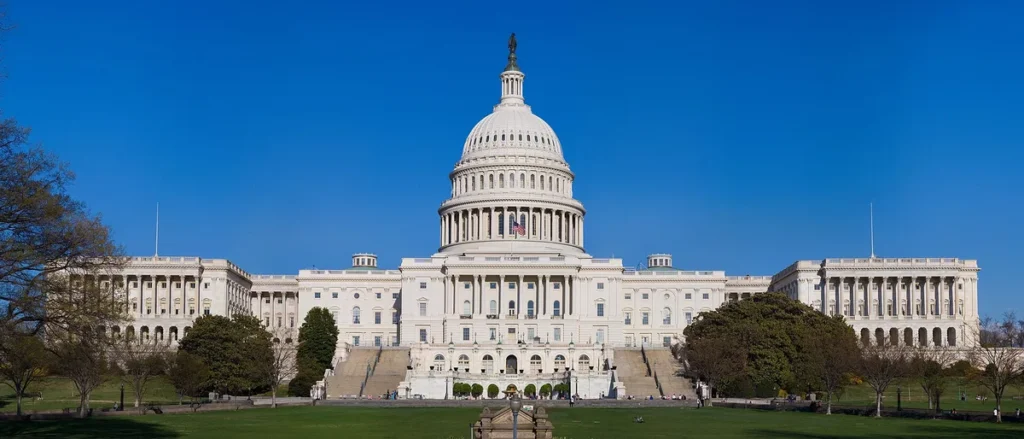
Democrats Win 258 House Seats: Largest House Majority Since 1992
Democrats have won at least 258 seats in the United States House of Representatives, securing the largest majority either party has held in the lower chamber in more than three decades. The democrats house majority 258 seats milestone was reached on Sunday, November 22, when North Carolina Democrat Chuck Hubbard defeated Republican Representative Virginia Foxx in a race decided by a recount. The result gives Democrats their best general election result since 1992, when the party last won 258 seats as Bill Clinton was first elected president. Four House races have yet to be called, so the majority could still grow. The win completes a midterm sweep that also handed Democrats control of the Senate, setting up divided government with a Republican president in the White House when the new Congress is sworn in on January 3, 2027. Reuters reported the milestone as the largest majority held by either party in the lower chamber in more than three decades.
Table of Contents
How the 258th Seat Was Won in North Carolina

The race that delivered the milestone was North Carolina’s 5th congressional district, where Democrat Chuck Hubbard defeated Republican incumbent Virginia Foxx. According to the Associated Press, only 330 votes separated Hubbard and Foxx when the race was called in the Democrat’s favor on Sunday after a recount. Foxx had served 11 terms in Congress since she was first elected in 2004, and in recent years she chaired the powerful House Rules Committee, the panel that controls which bills reach the floor and under what terms they are debated. Her defeat was symbolic of a larger political shift in North Carolina and elsewhere, where longtime Republican strongholds flipped to Democratic hands, sometimes for the first time in decades.
The Associated Press called the race for Hubbard after the recount confirmed his narrow lead. The North Carolina Board of Elections confirmed the 330-vote margin, a gap of less than a tenth of a percentage point in a district Foxx had held for more than two decades. Hubbard’s win was the 258th seat for Democrats, and it came as a handful of other midterm races were still being counted. With four races uncalled, Democrats may still expand a majority that is already the largest any party has won in a House general election in three decades.
The scale of the Democratic gains is striking. According to the Associated Press, Democrats have gained 44 House seats so far, four more than the 40 they picked up in President Donald Trump’s first midterm in 2018. In the outgoing Congress, Democrats hold 214 seats, so the jump to at least 258 represents a swing of historic size. Republicans will hold at least 173 seats in the minority, a gap that gives the incoming Democratic leadership far more room to maneuver than the narrow 218 to 214 Republican majority that Speaker Mike Johnson struggled to manage over the past two years, when any small group of lawmakers could block legislation.
The Democrats House Majority 258 Seats Win in Historical Perspective
The democrats house majority 258 seats total matches the party’s 1992 result exactly, and it sits just above the 257 seats Democrats won when Barack Obama was elected in 2008. Republican majorities in the House topped out at 247 seats for the 114th Congress from 2015 to 2017, so the new Democratic margin is larger than any majority either party has held in the chamber this century. House Democratic leader Hakeem Jeffries noted the milestone in a social media post, writing that House Democrats had “just secured the largest majority any party in Congress has held this century,” and adding a single word: “BOOM.”
The history goes further back. Some years in the 20th century saw far larger majorities: Democrats held 313 or more seats for much of the 1930s, and exceeded 290 seats in the mid-1960s and late 1970s. Republicans had their largest House majorities in the 1920s, when they held as many as 302 seats. But within living memory, no party has controlled the House by a margin like this one. The last time Democrats held 258 seats, Bill Clinton was entering the White House with a Democratic Congress. This time, the party takes the majority while a Republican president holds the White House, which changes what the majority can and cannot do.
The Senate result adds to the picture. In the 120th Congress, set to be sworn in on January 3, Democrats will also hold 56 seats in the US Senate, its largest majority in more than a decade. Taking control of both chambers gives Democrats significant power over legislation, although President Trump, a Republican, has already pledged to veto bills the party puts forward. That tension defines the divided government that begins in January: a Democratic Congress with a wide House margin, a Republican president with a veto pen, and an electorate watching to see whether either side can deliver on the cost of living promises that drove the election.
Jeffries Set to Become the First Black Speaker
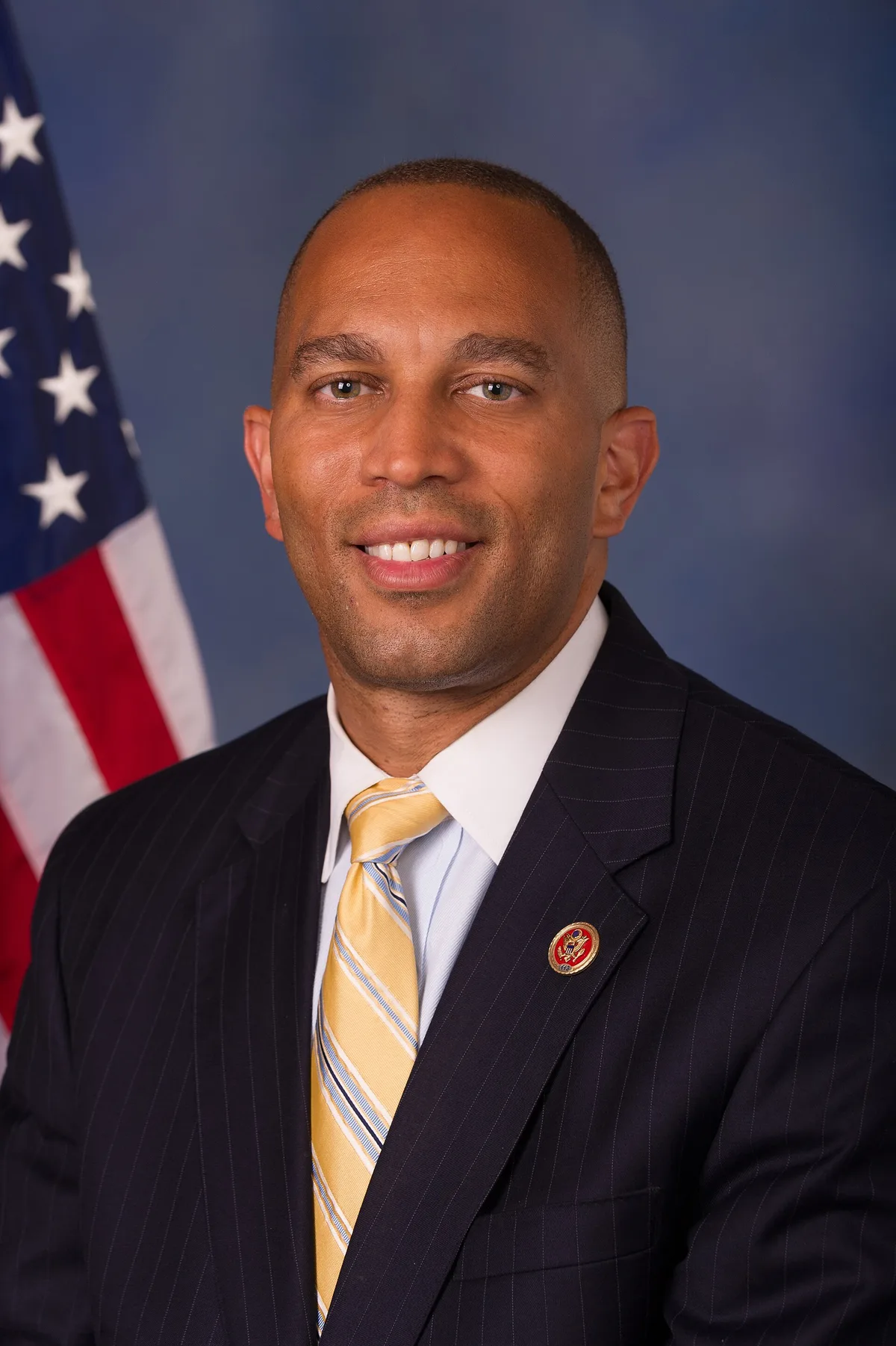
Hakeem Jeffries of New York, the House Democratic leader, is expected to become the chamber’s first Black speaker when the new Congress convenes in January. Jeffries has led House Democrats since 2023, and the size of the new majority gives him a cushion his predecessors did not have. With at least 258 seats, the party can lose dozens of votes on any bill and still pass it, a freedom that matters when a caucus spans progressives and moderates who disagree on spending, taxes and the pace of change.
Representative Alexandria Ocasio-Cortez, a progressive who won re-election in New York’s 14th congressional district, called the political shift a “mandate for change.” Speaking at the US Capitol, she said: “This is a historic moment for our country. This is one of the largest classes we have seen.” The incoming class will include many first-time members who flipped Republican seats, and their priorities will shape the early agenda. The leadership’s challenge will be turning a large and diverse majority into a governing record before the next election cycle begins.
The transition also ends the era of the narrow Republican majority that defined the last two years. Speaker Mike Johnson struggled to keep the House functioning with a 218 to 214 margin, meaning any few Republican lawmakers could block legislation. The new Democratic majority, by contrast, has a cushion of more than 40 seats above the 218 needed for control. That margin does not remove internal disagreements, but it removes the veto power of any single small faction, which is a meaningful change in how the House will operate.
What Democrats Plan to Do With the Majority
The affordability agenda sits at the center of the Democrats’ plans. The party campaigned on the cost of living, and the Associated Press reported that the sweep creates “not only vast opportunities to govern but also intense pressure to deliver on campaign promises and priorities.” Voters told pollsters again and again that prices, housing costs and household budgets were their top concern, and the new majority will be judged first on whether it can pass laws that make daily life cheaper. That pressure is real: a majority this large raises expectations, and the party knows the 2028 election will be shaped by what it does with this window.
Oversight is the second pillar. Democrats have promised investigations into the Trump administration, including its handling of the war with Iran and its immigration enforcement operations. The party has already signaled it will use committee subpoenas and hearings to examine executive branch decisions, and the wide margin makes it easier to authorize those investigations. The executive order requiring federal contractors to clear congressional requests with the White House, a move that drew sharp criticism from Democratic lawmakers, is likely to be an early target. For more on that order, read our report on the Trump federal contractors executive order.
The limits are just as important as the ambitions. President Trump has pledged to veto Democratic bills, and overriding a veto requires two-thirds of both chambers, a threshold Democrats do not have. That means the most sweeping Democratic proposals will stall unless they win Republican support or Trump signs them. The courts have also become a check on both sides: a federal appeals court recently ruled a $1.7 trillion Biden-era spending law unconstitutional over proxy voting, a reminder that the judiciary can reshape what Congress passes. Our report on the Biden spending law unconstitutional ruling explains that 9-8 decision and its narrow scope.
The affordability message also connects to the cost of credit. Democrats have talked about capping credit card interest rates, an idea Trump himself has floated at 10 percent, and the new majority may test whether bipartisan agreement exists on that front. Our report on the Trump credit card interest rate cap explains the proposal, the $6,000-balance example and why the idea stalled in Congress earlier this year.
Why Voters Delivered the Sweep
The Democratic victory was driven by voter frustration with the cost of living and with President Trump’s handling of the economy, according to Reuters. In poll after poll, voters expressed anxiety about prices and anger at the way Trump has handled the issue. The war with Iran, launched in February, drove gas prices up sharply, and that added to the sense that household budgets were under pressure. As of November, only 32 percent of Americans approved of Trump’s job performance, according to a poll by Reuters and the research firm Ipsos.
Al Jazeera reported that experts also pointed to corruption and immigration raids as drivers of the Democratic vote. The immigration enforcement operations, including masked agents detaining travelers at airports, became a flashpoint in the campaign’s final weeks. Our report on the Seattle airport ICE arrests covers the incident that led Washington’s governor to call for abolishing the agency. The combination of economic anxiety and anger over enforcement gave Democrats a coalition that stretched from suburban districts to longtime Republican strongholds.
The result was also widely interpreted as a referendum on Trump’s second term, which began in 2025. Midterm elections historically punish the party in the White House, but the scale of this defeat went beyond the usual pattern. Democrats gained more seats than they did in the 2018 midterm, and they did it while also winning the Senate. The breadth of the win, from North Carolina to districts across the country, suggests the verdict was about the direction of the country rather than any single race.
What Happens Next

Four House races remain uncalled, and their results will decide the final size of the majority. Democrats could reach 259 seats or more if the remaining races break their way, which would make the majority the largest since the 1930s in raw terms. The count will continue over the coming days, and each call will add a small amount to a margin that is already historic.
The immediate next step is the transition. The new Congress is sworn in on January 3, 2027, and the first order of business will be electing a speaker. Jeffries is expected to win that vote comfortably given the size of the majority. After that, the party will move to organize committees, set the legislative calendar and begin work on the affordability bills it promised. The Senate, with its 56-seat Democratic majority, will move in parallel, and the two chambers will need to agree on the same bills before anything reaches the president’s desk.
The longer question is what the majority does with its power. A 258-seat majority is a governing opportunity and a political risk at the same time. If Democrats pass laws that lower costs and voters feel the difference, the majority could last. If the party spends its energy on investigations that go nowhere, or if its bills die on the president’s veto, voters may conclude the sweep changed little. The history of large majorities is mixed: the 1992 majority lasted two years before Republicans swept the House in 1994. The new Democratic leadership knows that history, and it knows the clock is already running.
Frequently Asked Questions
How many House seats did Democrats win in the 2026 midterms?
Democrats won at least 258 seats in the House of Representatives, their largest total since 1992. Four races were still uncalled when the milestone was reached, so the final number could be higher. Republicans will hold at least 173 seats.
Who is Chuck Hubbard and how did he win the 258th seat?
Chuck Hubbard is the Democrat who defeated 11-term Republican Representative Virginia Foxx in North Carolina’s 5th congressional district. Only 330 votes separated the candidates after a recount, according to the Associated Press. Foxx, first elected in 2004, had chaired the House Rules Committee.
Who will be the next Speaker of the House?
Hakeem Jeffries of New York, the House Democratic leader, is expected to become the chamber’s first Black speaker when the 120th Congress is sworn in on January 3, 2027.
What does the Democratic majority mean for President Trump?
It means divided government. Democrats control both the House and the Senate, but President Trump can veto their bills, and overriding a veto needs two-thirds of both chambers. Democrats will be able to pass bills and run oversight investigations, but sweeping laws will need Republican support or the president’s signature.
Conclusion
The democrats house majority 258 seats result is a historic milestone: the largest House majority either party has won in more than three decades, delivered by a 330-vote recount win in North Carolina. With 44 seats gained, a 56-seat Senate majority and Hakeem Jeffries set to become the first Black speaker, Democrats have the tools to govern. Whether they turn that opportunity into lower costs for voters, or whether vetoes and gridlock blunt the win, will be decided in the months after the new Congress is sworn in on January 3. The majority is real. What it delivers is the next question.
