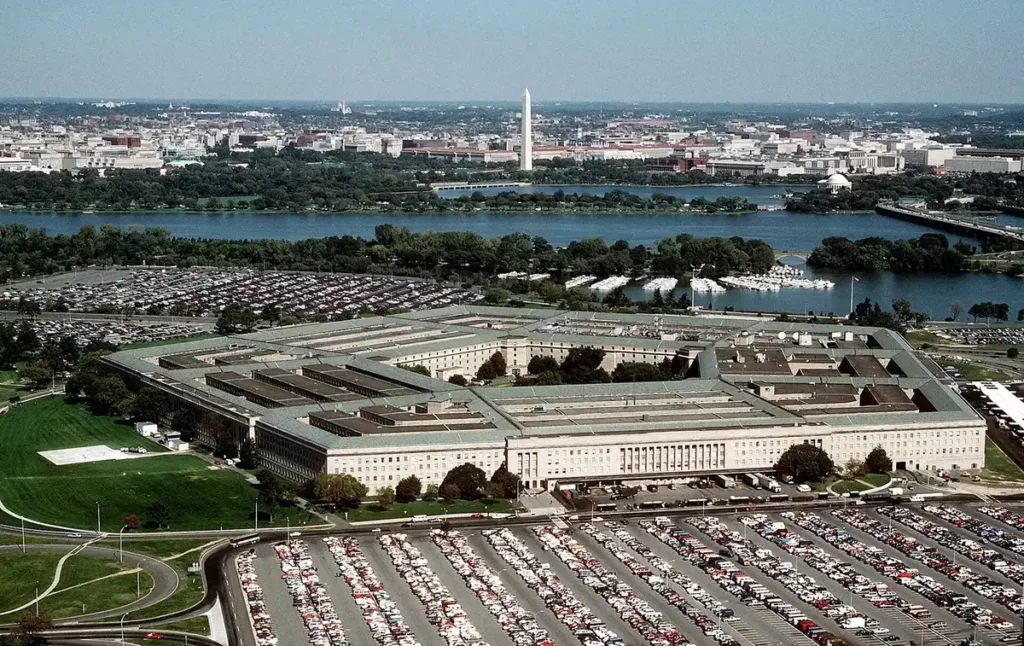
Army Whistleblower Says Pentagon Ignored Warnings Before Iran Strike Killed Six
A US Army officer who survived an Iranian drone strike in Kuwait says the Pentagon ignored repeated warnings about the base’s lack of protection before the attack killed six of his fellow soldiers. The pentagon whistleblower iran strike allegations were made public in a whistleblower complaint filed on Friday, November 13, 2026, and in a television interview that aired two days later. The officer, Army Reserve Maj. Stephen Ramsbottom, is now asking Congress to investigate what happened at Port Shuaiba on March 1, 2026.
Table of Contents
| Whistleblower | Army Reserve Maj. Stephen Ramsbottom, 103rd Sustainment Command |
| Complaint filed | Friday, November 13, 2026, to the House and Senate Armed Services committees |
| Attack date | March 1, 2026, at Port Shuaiba, Kuwait |
| Soldiers killed | 6 US Army Reserve soldiers |
| Wounded | 25, including Ramsbottom |
| Interview | “60 Minutes”, Norah O’Donnell, aired Nov 15, 2026 |
Ramsbottom was the deputy chief of operations for the Army Reserve’s 103rd Sustainment Command. He was at the base when the drone hit a tactical operations centre, and he was among the 25 people wounded. The six soldiers who died were the first US service members to die in the US war with Iran, which began in the opening days of Operation Epic Fury.
Pentagon Whistleblower Iran Strike: The Warnings That Were Raised
Ramsbottom says he raised the lack of protection against aerial attacks with his superiors repeatedly before the March 1 strike, including twice with Maj. Gen. John Hinson, the officer responsible for logistics at US Central Command (CENTCOM), and with his unit commander, Brig. Gen. Clint Barnes. According to Ramsbottom, Hinson dismissed the concern, replying: “We don’t have to worry about protection.”
The facility, Ramsbottom says, was never built to face an attack from the air. “It was designed to stop car bombs and threats like that. There was nothing there designed to protect from an aerial attack,” he told CBS News. Personnel called the makeshift operations centre a “trailer park”.
The site also lacked basic medical cover: no physician, no fixed aid station, and only one ambulance. Personnel requested a counter-drone defence system and were told the military would try to send one. “It never arrived at Shuaiba. And we don’t know if it was ever even ordered to or requested,” he said.
What Happened on March 1 at Port Shuaiba
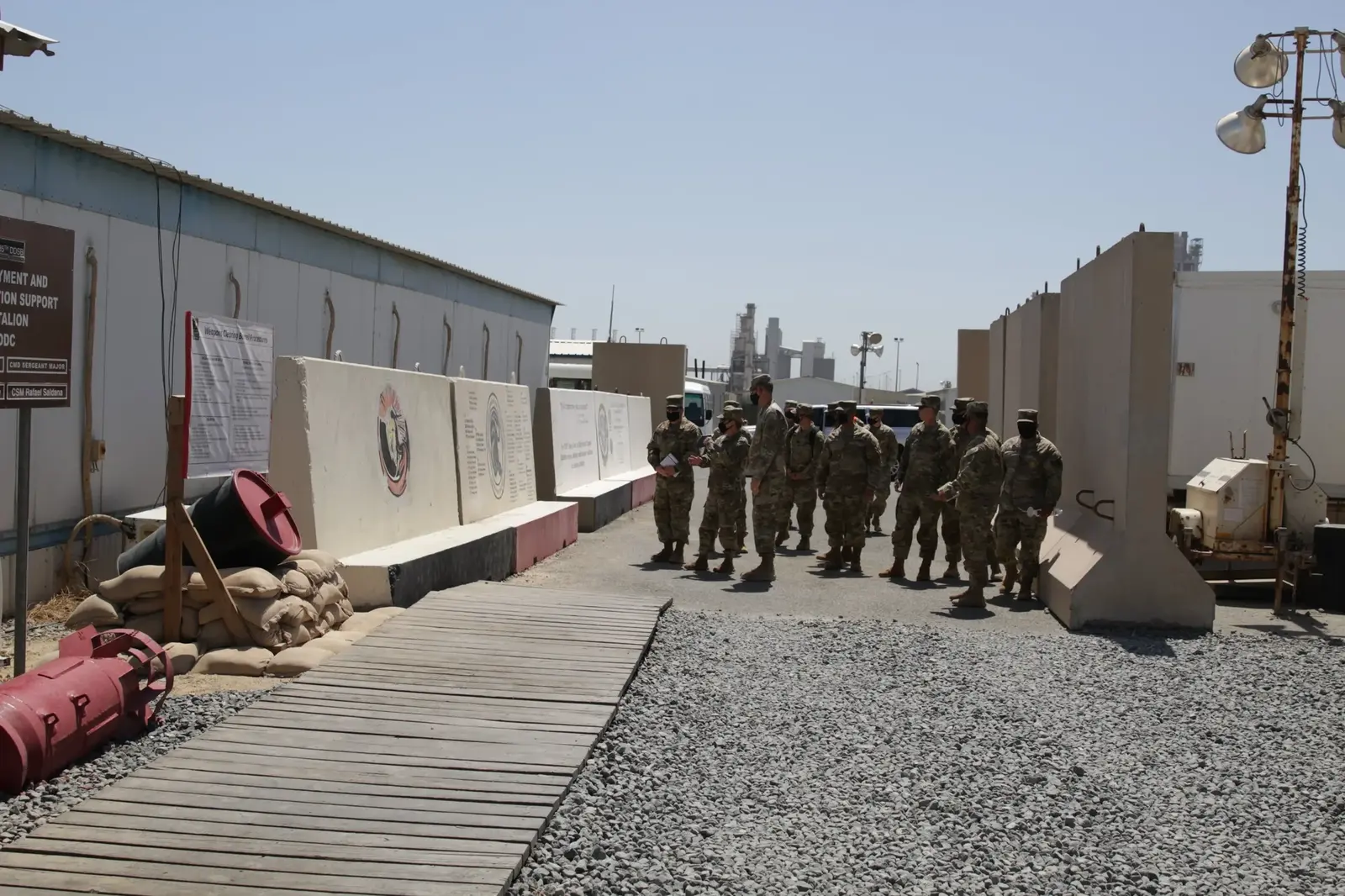
The strike came in the opening days of Operation Epic Fury. According to CBS News, at about 9 a.m. on March 1, the morning after the US and Israel conducted a strike killing then-supreme leader Ali Khamenei, soldiers at Shuaiba got the all-clear to return to their workspaces after spending the night running in and out of bunkers. About 30 minutes later, the drone hit the tactical operations centre.
A source familiar with the site told CNN the attack came quickly, without warnings or sirens to alert troops to evacuate or take shelter. “I remember just getting knocked to the ground, and it was like someone came up behind me and hit me in the back of the head with a baseball bat or something. Everything just went black,” Ramsbottom said.
Six US Army Reserve soldiers were killed: Capt. Cody Khork, 35; Sgt. 1st Class Noah Tietjens, 42; Sgt. 1st Class Nicole Amor, 39; Sgt. Declan Coady, 20; Maj. Jeffrey O’Brien, 45; and Chief Warrant Officer Three Robert Marzan, 54. Twenty-five others, including Ramsbottom, were wounded.
Iran has also targeted US positions elsewhere in the Gulf: an Iranian drone attack in Bahrain saw six drones launched at a US air defence radar on November 15, 2026, though Bahrain said its defences intercepted the attack.
Ramsbottom does not spare himself in his account of what went wrong. “The March 1 attack was a tactical failure by the Army, our leadership, and myself, all the way down to my level,” he told “60 Minutes”. He added: “We just did not plan this well, and this needs to be a lesson that we learn.”
The Pentagon’s Response
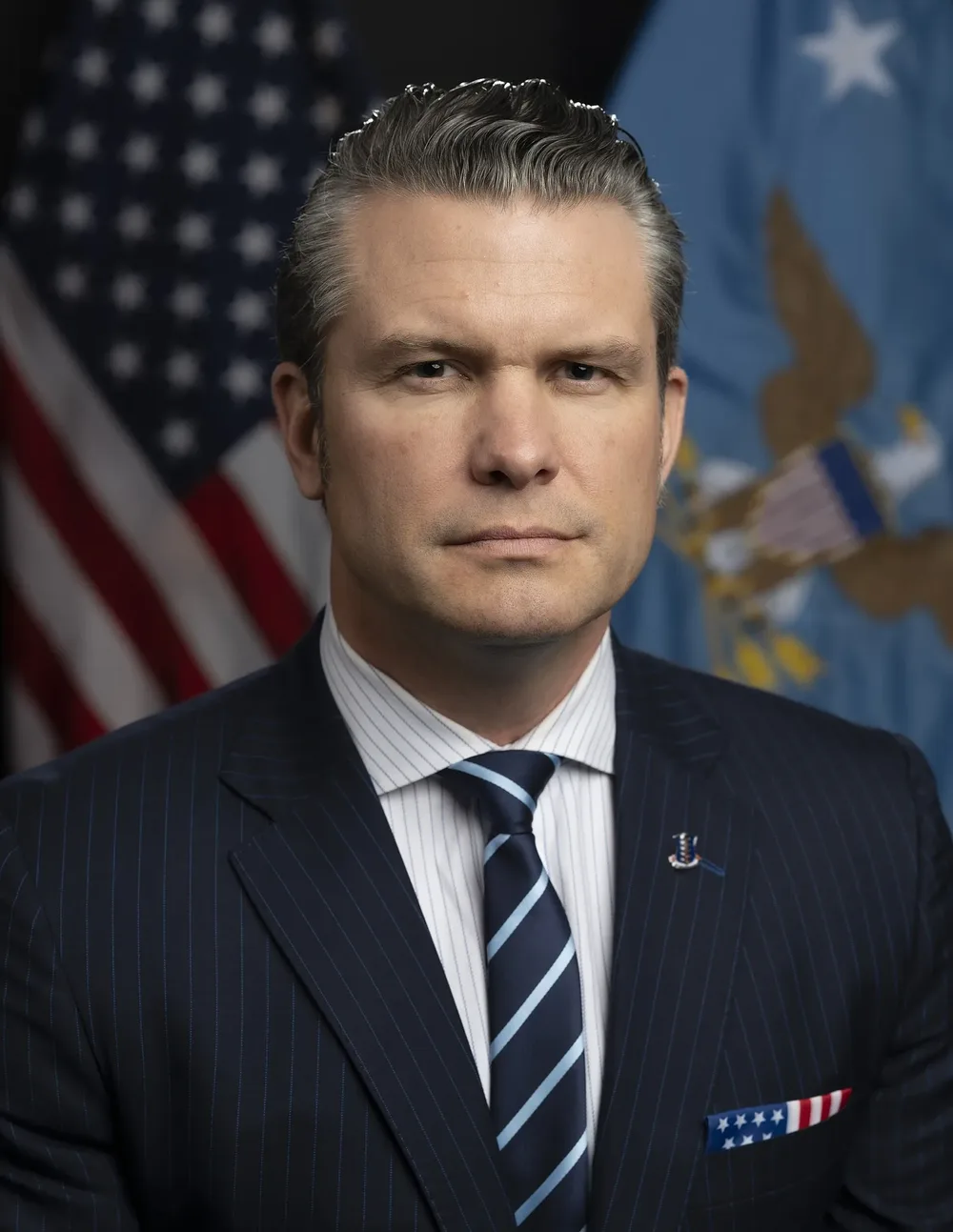
The Pentagon pushed back even before Ramsbottom went public. On March 3, chief spokesperson Sean Parnell wrote on X disputing CBS reporting, saying the tactical operations centre was not a makeshift office and that the “secure facility was fortified with six-foot-high walls”. That stands in sharp contrast to Ramsbottom’s account of a “trailer park” with no aerial protection.
War Secretary Pete Hegseth said the day after the attack that Port Shuaiba had been protected, but he acknowledged a drone got through, calling it a “squirter”. A Pentagon spokesperson declined to comment on Ramsbottom’s allegations, CBS reported.
The Jerusalem Post report on the complaint sets out the same sequence of events. The underlying reporting was first done by CBS News, and CNN obtained a copy of the complaint. The gap between the two accounts is now the key question: if the facility really was fortified, why did those on the ground describe it as exposed to aerial attack, and if a counter-drone system was requested, was it ever ordered?
The pentagon whistleblower iran strike complaint is now the document at the centre of that question.
Trump’s Response and the Drone Numbers
President Donald Trump responded on Truth Social on Monday, criticising “60 Minutes” and setting out his own account of the Iranian drone campaign. His figures are his claims, not established fact, because the Pentagon has not confirmed them. The pentagon whistleblower iran strike allegations are the backdrop to that response.
Trump said that since February 28, 2026, the start of Operation Epic Fury, Iran had fired between 8,000 and 9,000 one-way attack drones and only 2 got through causing US fatalities, both on the first day of the war, one in Kuwait and one in Saudi Arabia. He also said Iran had fired about 2,000 ballistic missiles, with only 1 getting through and causing US fatalities, in Jordan. Our coverage of Trump and Vance on Iran looks at how the White House has presented the campaign.
Gold Star Families Still Waiting for Answers
Six Gold Star families have criticised the Pentagon and the US Army for failing to protect their relatives. They told “60 Minutes” they do not feel they have gotten the full story.
The Army finished its investigation in June, but the families are only being briefed on the results this week. For them, the complaint may finally open the door to answers, because Ramsbottom’s account matches what they have suspected: the base was not properly protected, warnings were raised, and the full story has not been told.
For the families, the pentagon whistleblower iran strike case may finally bring the answers they have waited for.
What Happens Next in Congress
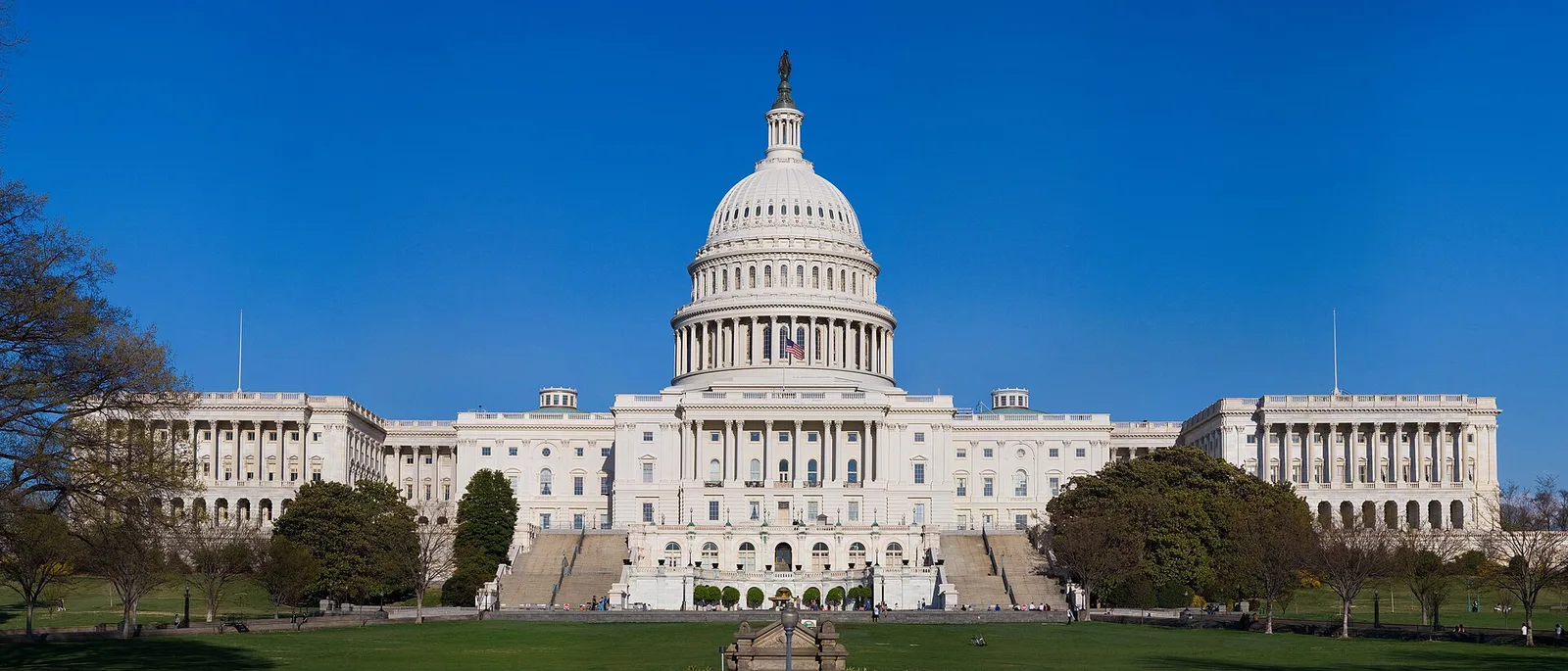
Sen. Richard Blumenthal (D-Conn.), incoming chairman of the Senate’s Permanent Subcommittee on Investigations, has demanded that Hegseth give a classified briefing detailing “all force protection assessments” for the Kuwaiti outpost. That puts the Pentagon under direct pressure to hand over the documents showing what was known about the base’s defences before March 1.
Ramsbottom’s complaint to the House and Senate Armed Services committees asks for an investigation, and Blumenthal’s demand is the first concrete step in that direction. The coming weeks will show whether the Pentagon cooperates with Congress, and the families’ briefing this week may be the first time the full picture begins to emerge.
The pentagon whistleblower iran strike complaint gives the committees a clear basis for that investigation.
Frequently Asked Questions
Who is the Army whistleblower in the Iran strike case?
Army Reserve Maj. Stephen Ramsbottom, deputy chief of operations for the Army Reserve’s 103rd Sustainment Command. He survived the March 1, 2026 drone strike at Port Shuaiba, Kuwait, and filed a whistleblower complaint on November 13, 2026, asking Congress to investigate.
How many US soldiers were killed in the Port Shuaiba drone strike?
Six: Capt. Cody Khork, 35; Sgt. 1st Class Noah Tietjens, 42; Sgt. 1st Class Nicole Amor, 39; Sgt. Declan Coady, 20; Maj. Jeffrey O’Brien, 45; and Chief Warrant Officer Three Robert Marzan, 54. Twenty-five others were wounded.
What warnings did Ramsbottom say he raised before the attack?
He says he repeatedly warned his superiors that the facility had no protection against aerial attacks, including twice with Maj. Gen. John Hinson of CENTCOM and with Brig. Gen. Clint Barnes. He says Hinson replied: “We don’t have to worry about protection.” Personnel also requested a counter-drone defence system, which he says never arrived.
What has the Pentagon said about the attack?
Chief spokesperson Sean Parnell said on March 3 that the operations centre was not makeshift and was fortified with six-foot-high walls. War Secretary Pete Hegseth said the day after the attack that Port Shuaiba had been protected but acknowledged a drone got through, calling it a “squirter”. A Pentagon spokesperson declined to comment on the allegations.
What happens next with the whistleblower complaint?
Sen. Richard Blumenthal has demanded a classified briefing from Hegseth on “all force protection assessments” for the outpost. The Army finished its investigation in June, and the Gold Star families are being briefed on the results this week. The pentagon whistleblower iran strike complaint will be central to that briefing.
Why This Story Matters
The pentagon whistleblower iran strike case is about more than one attack. It asks whether the US military protected its own people when it sent them into a new war, and whether warnings from the ground were heard by the officers who could have acted on them.
The pentagon whistleblower iran strike allegations put the focus on the decisions made before March 1, not only on the attack itself.
Ramsbottom’s complaint gives Congress a clear starting point: the warnings, the missing counter-drone system, and the gap between the Pentagon’s description of the base and the account of the people who served there. The families deserve a full and honest answer, and the coming scrutiny should finally deliver one.