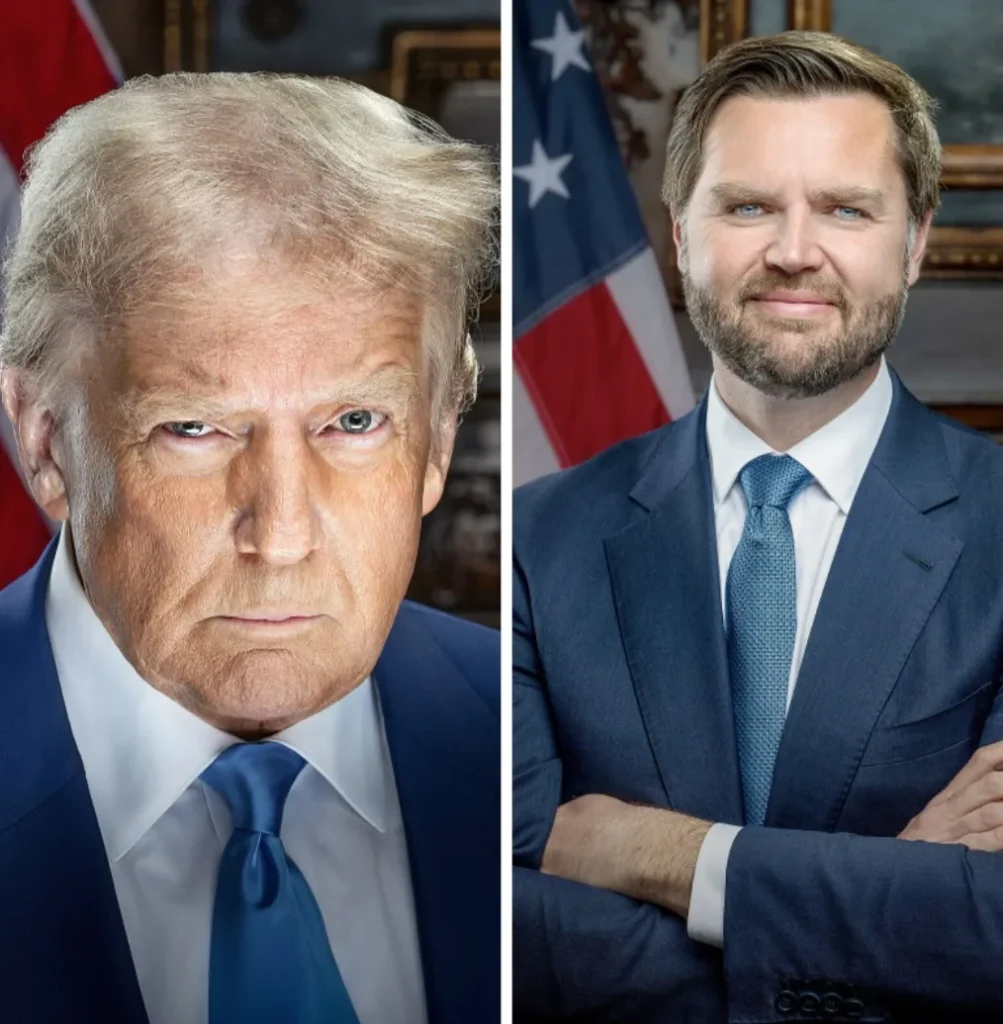
Trump Pulls Vance From Iran Talks and Says the US Needs No Deal
The Trump Vance Iran story took a sharp turn on Thursday, when President Donald Trump announced that he had pulled Vice President JD Vance off the Iran negotiations and told him to focus on domestic politics instead. In a post on Truth Social, Trump said the United States does not need a deal with Tehran, and he ordered his lead negotiator to turn his attention to what the president calls corruption and crime in Democratic-run cities and states.
The move is the clearest sign yet of a split inside the Trump administration over the war with Iran, which has dragged on for more than eight months and cost Republicans control of Congress in the midterm elections. Vance had been the administration’s most vocal advocate for a diplomatic settlement. Now he is off the file, and the war is stuck in what analysts call a state of no war and no peace.
Table of Contents
What Trump Told Vance
Trump announced the decision himself, in a post on his Truth Social platform on Thursday. He wrote that he had asked Vice President Vance “to focus his complete and total attention on the Massive Corruption and Crime taking place in Democrat run Cities and States throughout the U.S.”
“We don’t need a deal with Iran,” Trump added. “Those days have long since passed. We’ve got their money, Hundreds of Billions of Dollars, and we’ve got their Strait!”
The message landed just hours before Iran claimed it had attacked a US early-warning radar system in Bahrain, a claim the US military later said was false. The timing underlined how fast the Trump Vance Iran conflict is moving, and how little room there is now for the diplomacy Vance had been leading.
Vance and the Iran Talks

Vance had been the administration’s lead negotiator in the Trump Vance Iran talks for months, and he favoured a deal where Trump now believes one is not possible. He led the US negotiations in April in Islamabad, where he helped secure a memorandum of understanding with Iran in June. That agreement quickly collapsed over gaps in each side’s understanding of what had been agreed, above all on control of the Strait of Hormuz.
The vice president also led direct talks with Iran in Switzerland, and he has been part of renewed diplomatic efforts, working with Qatari and Pakistani mediators and seeking continued negotiations with Iranian officials. His approach was to keep a channel open even as the fighting continued, on the argument that a settlement would serve American interests better than an open-ended war.
The Trump Vance Iran Split
The split between the two men burst into the open on November 4, days after Republicans lost both chambers of Congress in the midterm elections. Vance posted on X that the war was the reason for the defeat, writing: “The reason we lost is the war. The president himself said so last night.” He added: “If you’d like to argue it was worth it, that losing the Senate for the next 6 years was worth it, then do so.”
In the Trump Vance Iran split, Vance blamed Trump’s military strikes on Iran, and the energy crisis and inflation that followed, for the Republican losses.
Trump’s decision to pull Vance from the Trump Vance Iran talks suggests the president has sided with a different faction in his administration. Secretary of State Marco Rubio has said the economic pressure campaign against Iran is proving effective, so a resumption of large-scale military operations is unnecessary. “The economic pressure on Iran is going to get even worse,” Rubio said.
Trump has given mixed messages about his plans for the Trump Vance Iran war. Despite threatening last week that he might “destroy” Iran, he said this week that further strikes against Iran are “quite unlikely”. He also said Washington’s allies in the Middle East had asked him to hold off on renewed large-scale attacks. “Saudi Arabia has asked me to please just let it be the way it is now for a while,” he said at the White House, adding that Qatar, Kuwait, the United Arab Emirates and Bahrain preferred the current approach. Asked whether he would have launched further attacks without those requests, Trump replied: “Yes, I would.”
Where the War Goes From Here
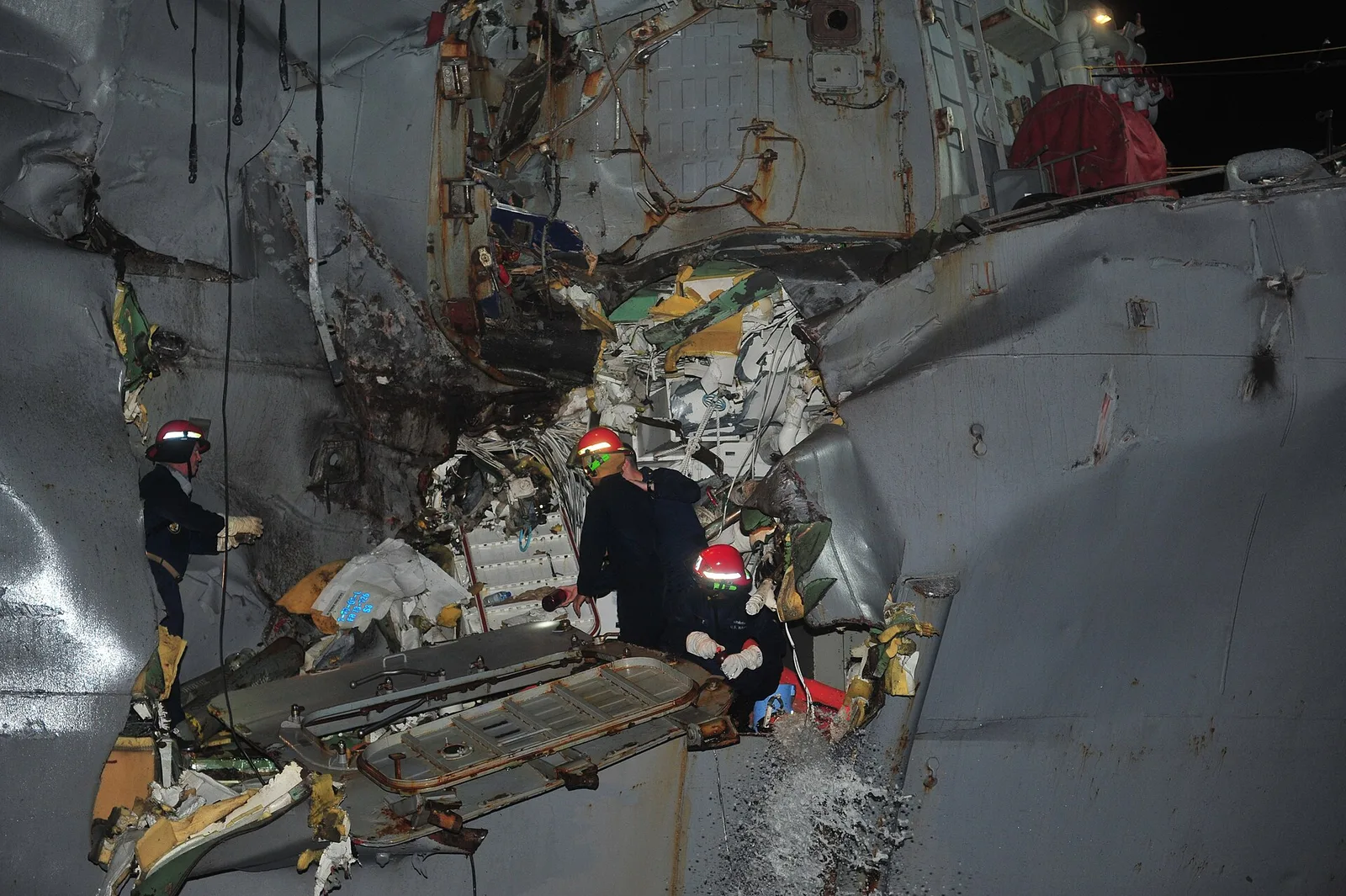
With Vance off the file, the Trump Vance Iran war looks set to stay where it is: a grinding blockade, unacknowledged US strikes and Iranian attacks on shipping, rather than a return to full-scale bombing or a negotiated settlement. Iran’s parliament speaker and top negotiator, Mohammad Bagher Ghalibaf, told Al Jazeera this week that the Strait of Hormuz will “never return” to its status before the war, when commercial shipping could pass freely without paying tolls.
Ghalibaf said Tehran has sent a ceasefire proposal to Washington through Qatari mediators, laying out seven conditions, including an end to the US naval blockade of Iran’s ports, the lifting of economic sanctions, the release of Iranian frozen funds, ending fighting on all fronts, and an explicit announcement of an end to the war. “The ball is now in the American court,” he said. The US has previously refused those demands without an agreement on Iran’s nuclear programme in place first. Iran wants to negotiate that separately.
Aniseh Bassiri Tabrizi, an associate fellow at the Chatham House think tank, told Al Jazeera the Trump Vance Iran situation is still one of “no war, no peace” and is unlikely to move for the time being. “Major strikes are unlikely to happen in the imminent days, but things are likely to shift one way or the other in the next couple of weeks,” she said.
The fighting at sea continues. Iran says at least 12 tankers have been hit in the past 12 days, and the US military’s Central Command says it has helped more than 4,000 ships cross the Strait of Hormuz, carrying more than 1.7 billion barrels of crude oil. Maritime agencies still advise against travelling through the waterway, and insurers have raised prices sharply or are refusing cover at all.
What Happens Next
The immediate question in the Trump Vance Iran story is whether anyone picks up the diplomatic thread Vance has dropped. No successor as lead negotiator has been named, and Trump has shown no interest in a deal on Tehran’s terms. The pressure now falls on Congress, where the Democrats who won the midterms take control in January. A group of Democratic senators, including Bernie Sanders, Chris Van Hollen, Michael Bennet and Tammy Duckworth, is already demanding that the spending bill due by December 11 prohibit any additional funding for the Iran war, and the Trump administration has asked Congress for $67.1 billion more for the Pentagon, including $21 billion to replenish munitions.
A Reuters/Ipsos poll found that 71 percent of US adults, including 51 percent of Republicans, want Congress to pass legislation to end the Trump Vance Iran war. That gives the incoming Democratic Congress a strong incentive to use the funding fight to force a change of course.
For now, the Trump Vance Iran split leaves the war without a negotiator and without a deal, and with both sides digging in. Vance has been told to look inward, at American cities. Trump has said he does not need a deal. And Iran, which closed the strait in early March after the US-Israeli strikes began, is waiting for an answer that may not come.
Trump Vance Iran FAQs
Why did Trump pull Vance from the Iran talks?
Trump said the US does not need a deal with Iran and told Vance to focus his “complete and total attention” on corruption and crime in Democratic-run cities and states. The move followed Vance’s public criticism of the war after the Republicans lost Congress in the midterms.
What did Trump say about a deal with Iran?
On Truth Social, Trump wrote: “We don’t need a deal with Iran. Those days have long since passed. We’ve got their money, Hundreds of Billions of Dollars, and we’ve got their Strait!”
What role did Vance play in the Iran negotiations?
Vance was the administration’s lead negotiator. He led talks in Islamabad in April, helped secure a June memorandum of understanding with Iran, led direct talks in Switzerland, and worked with Qatari and Pakistani mediators on a settlement.
Did Vance criticise the Iran war?
Yes. On November 4, after the midterm losses, Vance posted on X: “The reason we lost is the war. The president himself said so last night.” He questioned whether the war had been worth the political and economic costs.
Is the US still at war with Iran?
The Trump Vance Iran war that began in late February 2026 has settled into a blockade, unacknowledged US strikes and Iranian attacks on shipping, with no large-scale bombing and no negotiated settlement. Analysts describe it as a state of no war and no peace.