Forensic Expert Says Epstein Was Strangled in Jail
A forensic expert says Jeffrey Epstein was strangled in his New York jail cell and did not die by suicide, challenging the official ruling that has stood since 2019. Professor Michael Freeman told BBC Newsnight on Monday that his review of the New York City medical examiner’s files led him to conclude Epstein was killed, most likely strangled from behind, and that the injuries do not fit a hanging.
The claim directly contradicts the New York City Office of Chief Medical Examiner, which says it stands by its determination that Epstein died by suicide. Freeman’s research has not been peer reviewed, he did not examine Epstein’s body, and the files he reviewed were provided by Epstein’s brother, Mark Epstein, who has long maintained that his brother was murdered. What follows is what Freeman claims, what the official record says, and where the two accounts differ.
Table of Contents
Epstein Autopsy Report: What the Forensic Review Claims
Freeman presented his findings in London on Monday and published his research alongside the medical examiner’s files. He is a scholar and consultant in forensic medicine epidemiology, editor-in-chief of the Journal of Forensic and Legal Medicine, and has served as a cause-of-death expert for US attorneys general in police custody cases, including that of George Floyd in Minnesota, where he gave testimony against former Minneapolis officer Derek Chauvin at his murder trial.
Freeman worked with two co-authors: Anders Eriksson, a forensic pathologist and professor of forensic medicine at Umea University in Sweden, and Itiel Dror, a cognitive neuroscientist and researcher. After reviewing the entire autopsy file and completing a reconstruction, the three concluded that Epstein’s injuries were consistent with an assault and a struggle, and that he was killed. “The ligature marks are most consistent with homicidal strangulation from behind, most likely using a narrow knotted fabric ligature,” the presentation said.
“The injuries and the way the body was found don’t match up,” Freeman told the BBC. “There’s only one remaining explanation then, and that is that the death was as a result of a homicide.” He also said there was no evidence a hanging took place. The writers of the presentation said the body was pretty much pristine apart from the injuries they identified, with no non-hanging-related bruises or other injuries anywhere else on the body.
The Injuries Behind the Claim
Freeman pointed to several signs he reads as evidence of an assault before death. He cited a deep hemorrhage in Epstein’s left shoulder and facial injuries that appeared consistent with blows to the face. He also pointed to marks above the ligature mark on the neck that appeared to be fingernail marks, which he said could mean Epstein tried to pull the ligature away during a struggle. In his assessment, the evidence best fits strangulation with a ligature, with the same ligature probably used afterward to suspend the body from the bunk bed.
Freeman also raised questions about how the scene was handled. He said he would have expected investigators to photograph the body before taking it down in a custodial hanging, and his review found that no photographs of the body at the scene exist and that the ligature was never preserved or examined, CBS News reported. A Justice Department review said the guard who found Epstein called for a colleague, lowered the body to the floor and began resuscitation efforts.
Freeman stressed that his analysis is independent and that Mark Epstein did not pay him. Mark Epstein provided the records for the forensic examination and has consistently maintained that his brother was murdered. Freeman said he had no idea who might have killed Epstein, assuming his findings were correct. “That is not something I have an opinion about. That isn’t any part of any investigation that I’ve done,” he told the BBC. Responding to suggestions that his conclusions fed conspiracy theories, Freeman said the files should be open to scrutiny and invited others to identify errors in his analysis.
The Medical Examiner Stands by Suicide

The official position has not changed. In a statement to CNN, the New York City Office of Chief Medical Examiner said it stands by its determination that Epstein died by suicide and that the manner was hanging. Dr. Barbara Sampson, who was New York City’s chief medical examiner at the time and ruled the death a suicide, has previously said she stands firmly behind that determination. The BBC said it had contacted her for further comment.
The medical examiner who carried out the 2019 autopsy told the Justice Department’s Office of the Inspector General that Epstein’s injuries were more consistent with suicide by hanging than with strangulation, and that defensive wounds typical of strangulation victims were absent. That account is backed by the Justice Department’s own investigation. The Office of the Inspector General released a comprehensive report in June 2023 after reviewing 100,000 documents and interviewing dozens of witnesses, and it confirmed the suicide determination while documenting serious failures by staff at the Metropolitan Correctional Center, including falsified logs, missed rounds and broken cameras. You can read the inspector general’s full report on the Justice Department’s website.
The FBI, which investigated jointly with the inspector general, determined there was no criminality in how Epstein died. Multiple investigations have found no evidence that anyone else was involved in his death. A redacted version of the autopsy report later released by the Justice Department lists the manner of death as pending, with the suicide and homicide boxes left blank, but the medical examiner’s office has never changed its ruling.
Why the Case Still Draws Scrutiny
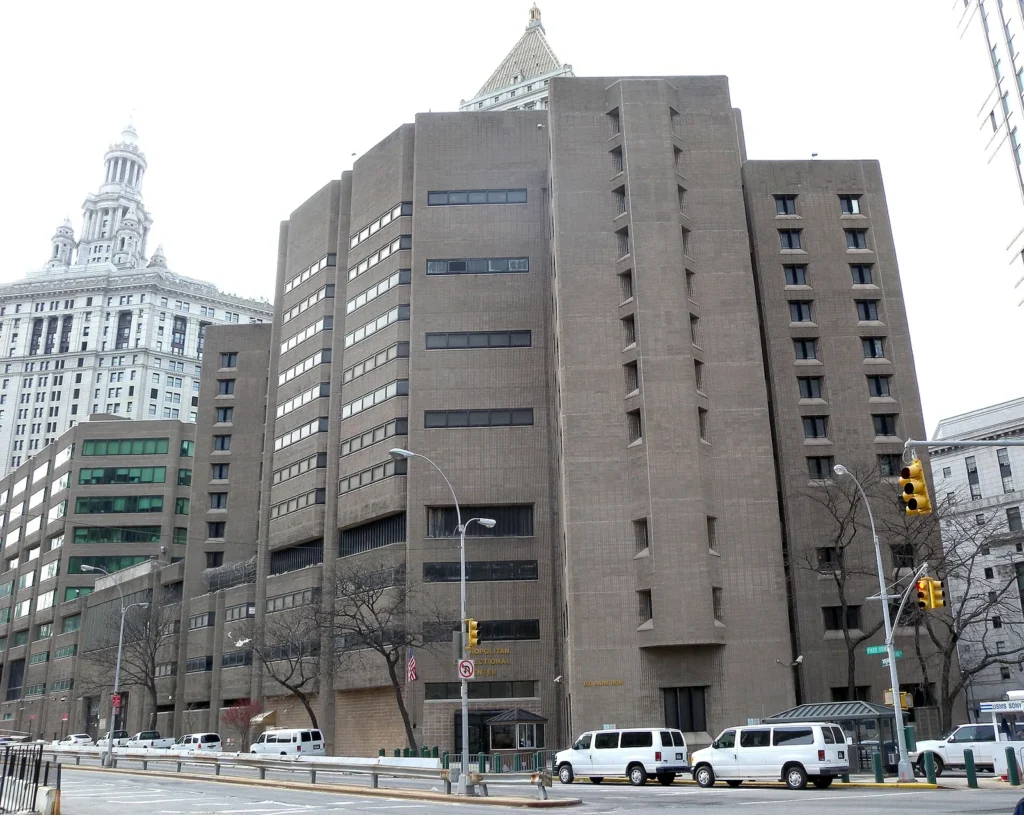
Doubts over the suicide ruling date back to August 2019, when Epstein was found dead at the Metropolitan Correctional Center in Manhattan while awaiting trial on sex trafficking charges. He had been placed on suicide watch briefly about a month earlier. Epstein was convicted in 2008 of soliciting prostitution from a minor and registered as a sex offender. A plea deal allowed him to avoid a lengthy prison sentence, and in 2019 he was charged with operating a network involving underage girls.
Freeman is not the first expert to question the ruling. Pathologist Michael Baden, hired by Mark Epstein to observe the autopsy, said in 2019 that fractures in the neck pointed more toward strangulation than hanging. The writers of Monday’s presentation said public doubt about the suicide ruling is widespread in the US and has fueled conspiracy theories about how Epstein died.
The inspector general’s report painted a picture of chronic understaffing, officers asleep or browsing the internet instead of conducting required rounds, and malfunctioning cameras, and it said Epstein should never have been removed from suicide watch. For background on major US court cases, read our reports on Trump and the Supreme Court judges, the Scott Colom case and Trump’s BBC lawsuit.
Frequently Asked Questions
What does the new forensic review claim about Epstein’s death?
Professor Michael Freeman says that after reviewing the New York City medical examiner’s files, he concluded Jeffrey Epstein was strangled, most likely from behind, and that his death was a homicide. He points to a deep hemorrhage in the left shoulder, facial injuries consistent with blows and fingernail marks above the ligature mark. His research has not been peer reviewed and he did not examine the body.
What is the official ruling on Epstein’s death?
The New York City Office of Chief Medical Examiner ruled that Epstein died by suicide by hanging, and it says it stands by that determination. The medical examiner who performed the autopsy told the Justice Department’s inspector general that the injuries were more consistent with hanging than strangulation. The FBI found no criminality in how he died.
Who is Michael Freeman?
Freeman is a scholar and consultant in forensic medicine epidemiology and editor-in-chief of the Journal of Forensic and Legal Medicine. He has served as a cause-of-death expert for US attorneys general in police custody cases, including the George Floyd case in Minnesota. He presented his Epstein findings in London on Monday with two co-authors.
Why is the Epstein death still disputed?
Doubts date back to 2019, when Epstein was found dead while awaiting trial on sex trafficking charges. A pathologist hired by Epstein’s brother questioned the ruling that year, and the inspector general’s 2023 report documented serious failures at the jail, including falsified logs and missed rounds. Freeman’s review is the latest challenge, but no official investigation has found evidence that anyone else was involved.
Where was Epstein when he died?
Epstein was found dead on August 10, 2019, in a cell at the Metropolitan Correctional Center in Manhattan, a federal jail in New York. He was awaiting trial on sex trafficking charges and had briefly been placed on suicide watch about a month earlier.
Conclusion
Michael Freeman’s review is the strongest challenge yet to the official ruling on Jeffrey Epstein’s death, but it remains a claim, not a finding. Freeman says the autopsy files point to strangulation from behind, while the medical examiner who performed the autopsy, the Justice Department’s inspector general and the FBI all stand by suicide. The research has not been peer reviewed, the files came from Epstein’s brother, and Freeman himself says he does not know who might have killed Epstein. Until the evidence is tested in an official forum, the two accounts will stand side by side, and the official ruling remains suicide.