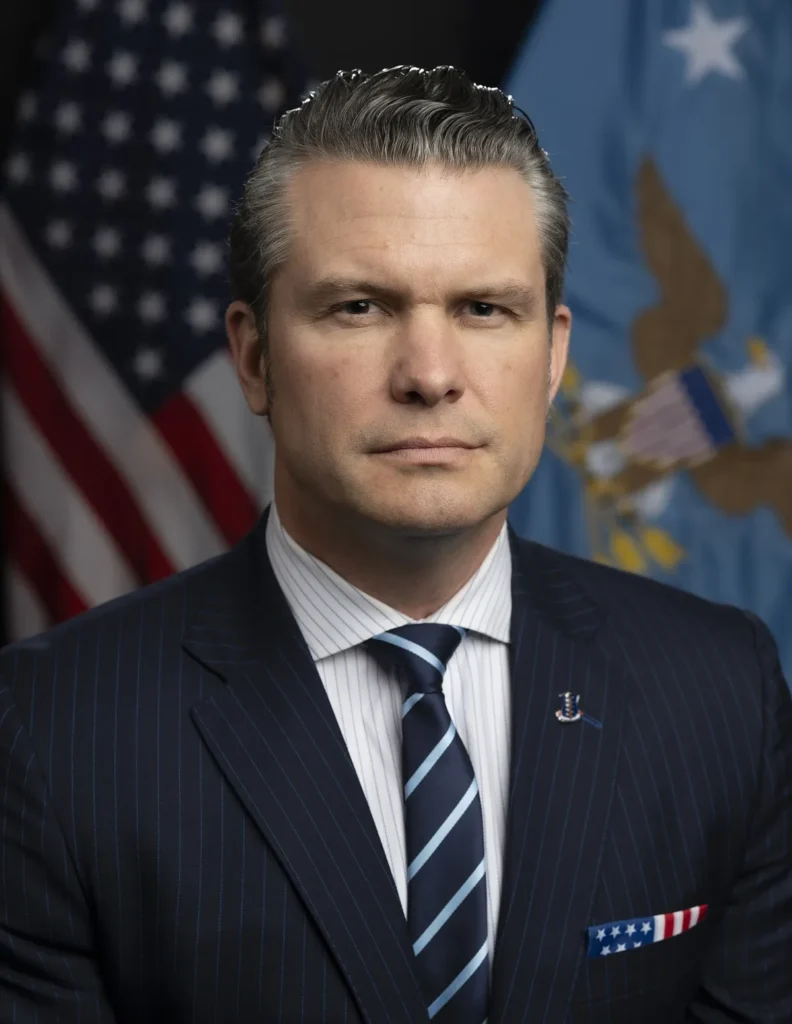
Hegseth Canada Military Memo Restricts US Defense Ties in Secret Order
The Hegseth Canada military memo is a classified Pentagon directive that imposes new restrictions on the military relationship between the United States and Canada, according to a report by the Washington Post. The directive, which circulated inside the Pentagon last week, adds new limits and conditions to how American and Canadian forces work together, and it lands at a moment when relations between the two longtime allies are already strained. The Pentagon says the core of the alliance is untouched, but the memo has still set off a round of reassurance and questions on both sides of the border.
Table of Contents
The story broke on Friday, November 20, 2026, when the Post reported the memo’s existence, citing officials familiar with the decision. The newspaper said it had not seen the classified document itself, so the precise scope of the restrictions remains unclear. What is clear is that the order is real: a senior Republican senator confirmed it in public the next day, and the Pentagon issued a statement describing what it is meant to do.
What the Hegseth Canada Military Memo Restricts
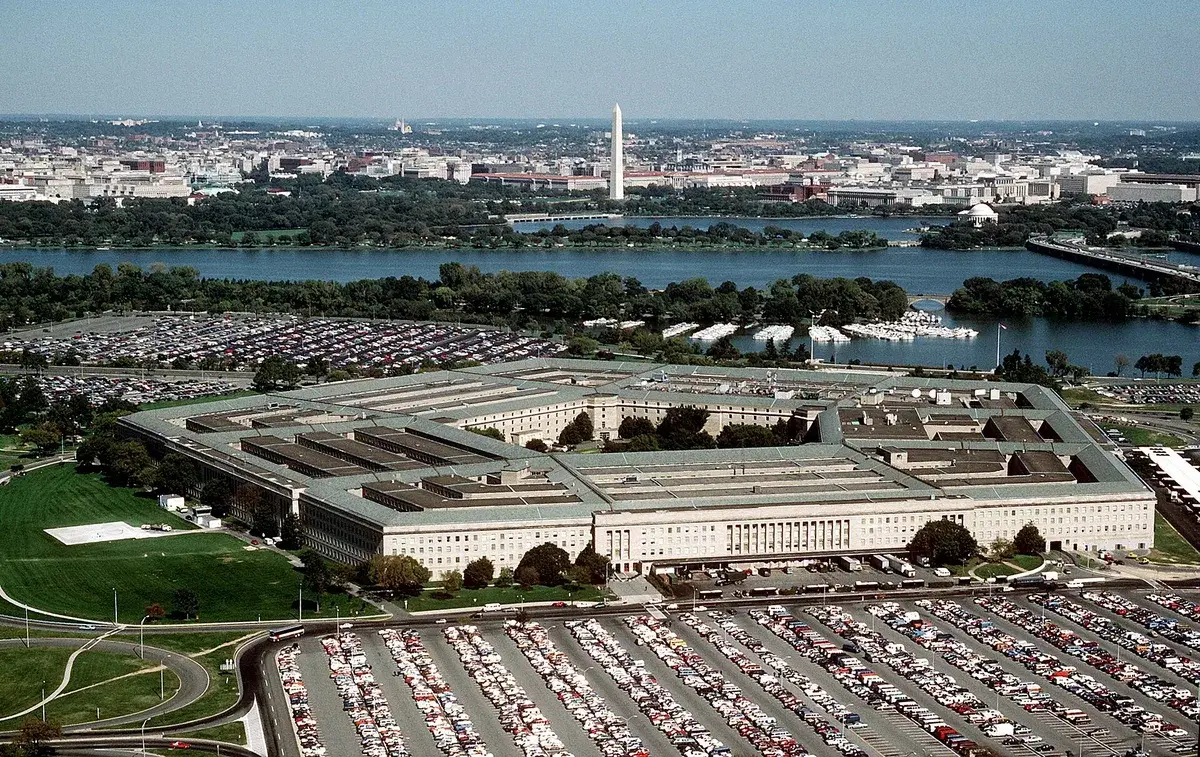
According to the Washington Post, the memo places new limits on bilateral defense engagements with Canada. Under the guidance, American defense officials, both military and civilian, must seek permission before attending social events or think tank conferences with Canadian counterparts. General flag officer meetings are limited to those that advance the objectives of the Department of War, the name the Trump administration now uses for the Pentagon. The memo is the latest in a series of Trump administration moves that have tested longstanding arrangements, including an executive order telling federal contractors to clear congressional requests with the White House.
The restrictions are administrative rather than operational, at least on paper. They do not cancel joint exercises, close bases or change who commands what. They add a layer of approval to the informal contacts that keep two allied militaries close: the conferences, the social events, the meetings between senior officers that build the working relationships behind formal alliances. One official told the Post that the new limits were sure to be seen as a slap in the face to the Canadians, and that they raise questions about how the two militaries’ interaction will be curtailed.
The Pentagon has not said which specific programs or activities the memo affects. Chief Pentagon spokesman Sean Parnell said the Department of War is taking steps to ensure its engagements with Canada advance tangible US defense objectives and ultimately support a reinvigorated defense relationship. He said Washington is prioritizing bilateral cooperation that strengthens the defense of the Americas while supporting Canada’s ability to meet its NATO obligations.
A Senator Confirms the Memo in Halifax
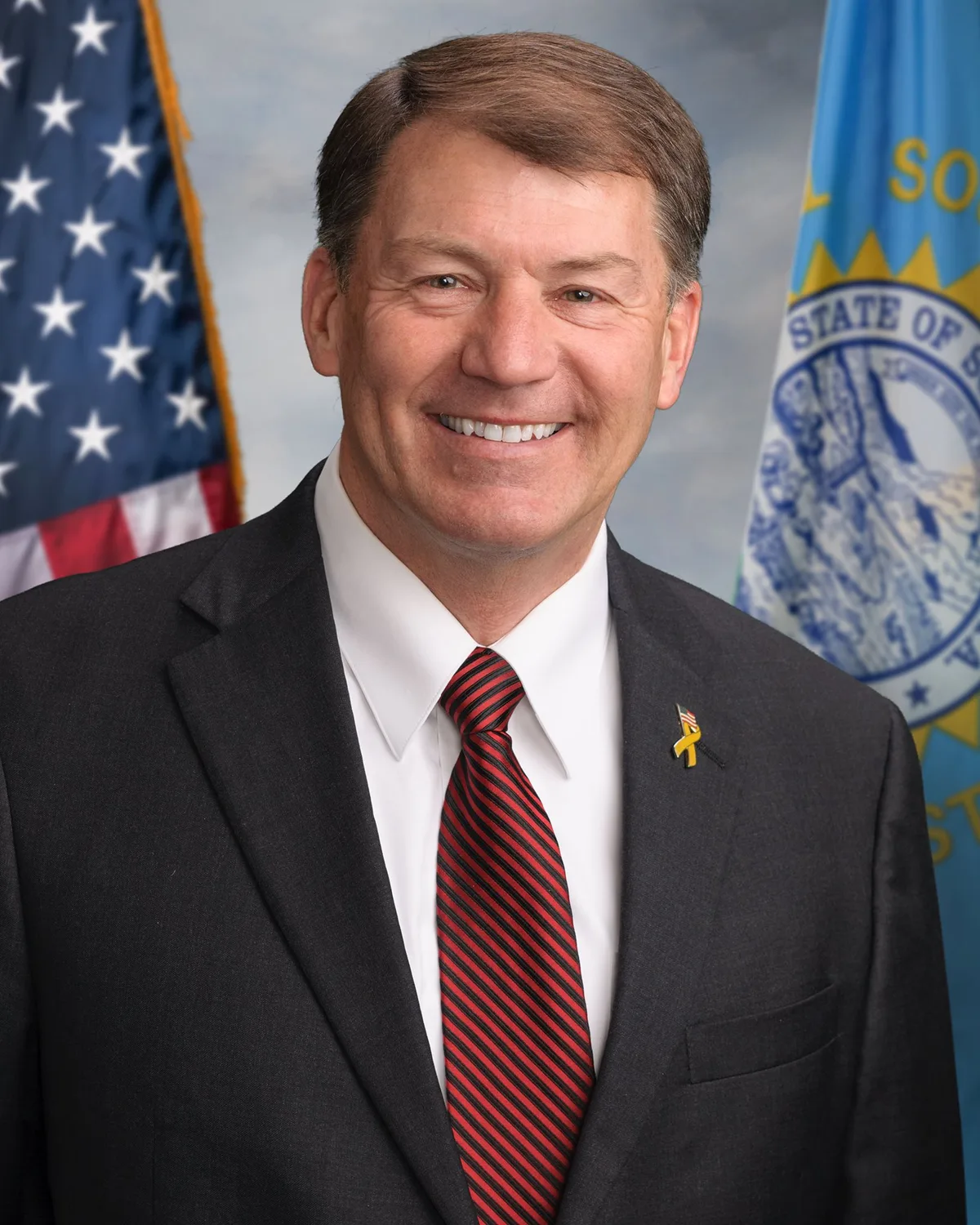
The Hegseth Canada military memo moved from anonymous report to confirmed fact on Saturday, November 21, when Senator Mike Rounds of South Dakota spoke to reporters at the Halifax International Security Forum in Nova Scotia. Rounds, who sits on the Senate Armed Services Committee, confirmed the memo exists and described its restrictions while playing down their impact.
Rounds said the memo was drafted several months ago and only recently signed. He described the guidance as narrow. They are basically limiting some social engagements, and they are asking people to get permission before they come in and do think tanks and so forth, he said. He added that the memo does not affect formal alliances such as NORAD, NATO or the Five Eyes intelligence partnership.
The senator led a delegation to Halifax that included four Democratic lawmakers: Senators Andy Kim, Chris Coons, Kirsten Gillibrand and Tim Kaine. Rounds said the delegation had been briefed on the memo through the Pentagon’s legislative affairs office, and that the briefing let the senators reassure Canadian officials who had feared a broader American retreat from the partnership. Once we were able to discern the negligible impact it would have on any of our relationships, it was a lot easier to explain to our Canadian counterparts, he said.
Rounds was also frank about the motive. He said the measures were intended as a pressure point on Canada over defense spending, and that the message to Ottawa was that the United States wants Canada to bring up its defense budget. Senator Coons warned that the memo could worsen tensions with Canada and said the United States should avoid widening the divide between the two countries.
What Stays Untouched: NORAD, NATO and Intelligence Sharing
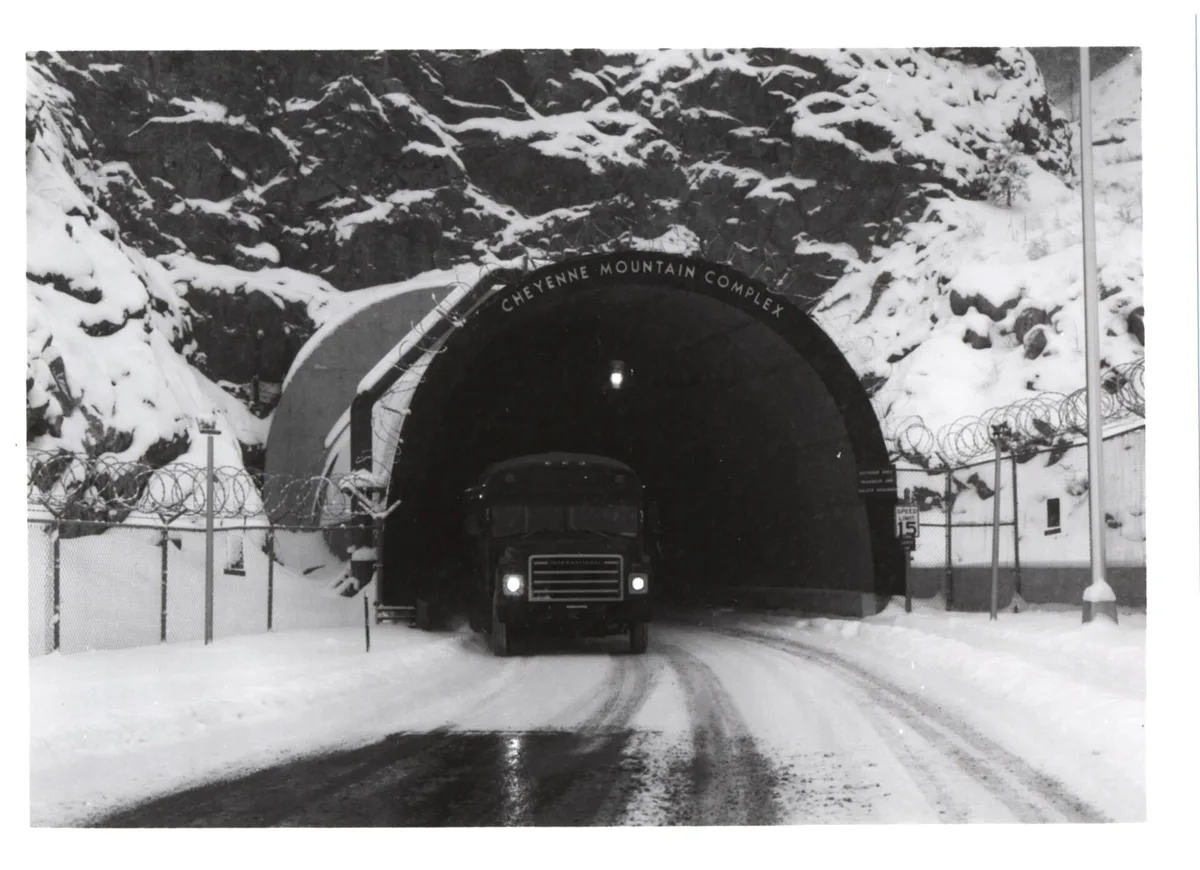
Every official account of the Hegseth Canada military memo draws the same line: the formal machinery of the alliance is not affected. Parnell said the guidance does not impact defense intelligence cooperation, the binational NORAD command or cooperation through NATO. Rounds gave the same assurance in Halifax.
NORAD is the joint American and Canadian command that monitors and defends North American airspace, and it sits at the center of the defense relationship. Canadian Defence Minister David McGuinty pointed to that history in Halifax, describing a 70-year relationship under NORAD as a frankly extremely effective continental defense system, and one Canada wants to continue to invest in and cooperate with.
McGuinty said he has not seen the memo itself, and that he has seen no change in how the two countries’ militaries work together, as Dawn reported from Halifax. I still see no daylight between what we are doing, military to military, and otherwise, he said. He said Canadian and American forces continue to work hand in glove on issues including ships working in the Caribbean to stop the trafficking of cocaine, fentanyl and other illegal drugs, on integrated missile systems and when fighter jets are scrambled across North America. Canada’s top military commander, General Jennie Carignan, said the two militaries continue working to figure out how to best implement each other’s policies while keeping the focus on defense.
Why the Memo Matters Despite the Reassurance
The official line is that nothing important has changed, and on the evidence so far that may be true in practice. But the Hegseth Canada military memo matters for three reasons that go beyond its text.
First, it is a deliberate signal. A classified directive that limits even social contact between allied officers is not routine housekeeping. Rounds himself said the intent was to put pressure on Canada over defense spending. The memo turns a policy disagreement into a written instruction inside the Pentagon, and that is a different thing from a speech or a social media post.
Second, it fits a wider pattern of strain. President Donald Trump has imposed tariffs on Canadian goods, criticized Ottawa’s defense spending and repeatedly suggested Canada should become the 51st US state. Prime Minister Mark Carney has firmly rejected any suggestion of annexation. The Trump administration has also barred Pentagon officials from attending the Halifax forum under restrictions imposed in 2025 on participation in think tank events, a break with previous Republican and Democratic administrations that sent senior military officials, including defense secretaries, to the gathering.
Third, the memo’s classified status leaves its full scope unclear. The Post has not reviewed it, the Pentagon has not released it, and the officials who described it spoke anonymously because of the issue’s sensitivity. That means the public, and Canada’s government, are being asked to trust assurances that the impact is negligible while the document itself stays secret. Rounds acknowledged the uncertainty, saying lawmakers are trying to decipher it as well. The memo also lands while American forces are engaged elsewhere, from the tanker attacks in the Strait of Hormuz to the drug interdiction patrols McGuinty cited.
What Happens Next
The next signal will be practical, not rhetorical: whether routine contacts between American and Canadian officers actually change. The Hegseth Canada military memo will be judged by what changes on the ground, not by the reassurance around it. If flag officer meetings, conferences and joint planning continue as before, the memo will look like the pressure tactic Rounds described. If invitations start being declined or delayed, Ottawa will have evidence that the restrictions bite harder than advertised.
Congressional Democrats are likely to press for more detail on what the memo covers and how it will be applied, with funding for the Pentagon itself caught in the fight over a government shutdown on December 11. Coons has already warned against widening the divide, and the four Democrats in the Halifax delegation now have a direct stake in the answers. Canada, for its part, is continuing its effort to raise defense spending, which the delegation discussed with Canadian partners in Halifax.
For now, the alliance’s formal structures stand exactly where they were: NORAD watching the skies, NATO commitments intact, intelligence still shared. What has changed is the tone of the relationship, written down in a classified memo and confirmed in public by a senator who called its impact negligible while admitting it was meant as pressure. That combination, reassurance plus leverage, is the story to watch in the weeks ahead.
Frequently Asked Questions
What is the Hegseth Canada military memo?
It is a classified Pentagon directive, signed by Defense Secretary Pete Hegseth and circulated last week, that imposes new limits and conditions on US-Canada military engagements. It was first reported by the Washington Post on November 20, 2026, and confirmed by Senator Mike Rounds the next day.
Does the memo affect NORAD or NATO?
No, according to every official account so far. Pentagon spokesman Sean Parnell said the guidance does not impact defense intelligence cooperation, the binational NORAD command or cooperation through NATO. Senator Rounds gave the same assurance.
What does the memo actually restrict?
According to officials familiar with it, US defense officials must seek permission before attending social events or think tank conferences with Canadian counterparts, and general flag officer meetings are limited to those that advance Department of War objectives. The exact scope is unclear because the memo is classified and the Post has not seen it.
Why did Hegseth issue the memo?
Senator Mike Rounds said the measures were intended as a pressure point on Canada over defense spending, and that the message to Ottawa was that the United States wants Canada to raise its defense budget.
Has Canada responded?
Canadian Defence Minister David McGuinty said he has not seen the memo and has seen no change in military cooperation, describing the relationship as business as usual and pointing to the 70-year NORAD partnership.
Conclusion
The Hegseth Canada military memo is a small document with a large message. It leaves NORAD, NATO and intelligence sharing untouched, and officials on both sides say day to day cooperation has not changed. But it puts in writing a new limit on how American and Canadian officers interact, and it does so openly as pressure over defense spending. Whether it stays a symbolic prod or becomes a real friction point will depend on what happens next in practice, and on whether Congress gets the details it is now asking for.
