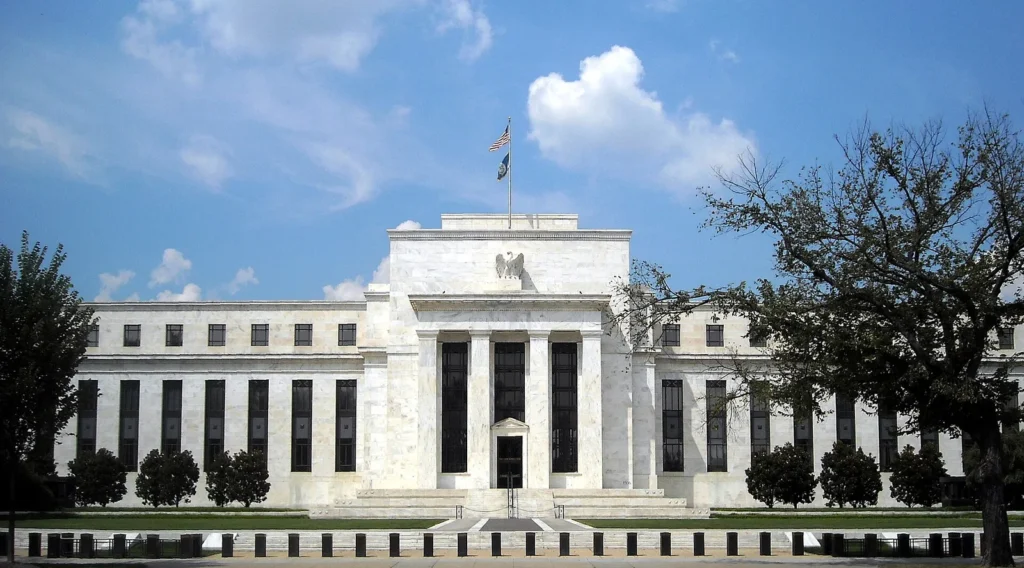
Fed Minutes: Almost All Officials Expect More Rate Hikes
The fed minutes rate hike debate is now out in the open. Minutes of the Federal Reserve’s October 27-28 meeting, released on Wednesday, November 18, show that almost all officials expect further interest rate increases in the months ahead, and a couple said a move larger than a quarter point could be considered in December if inflation data comes in unfavorable. The Federal Open Market Committee held its benchmark rate at 3.75 percent to 4 percent in October, but the minutes reveal a committee far more divided than the 10-2 vote suggested, with the size of the December hike now an open question.
The release landed the same day Fed Governor Christopher Waller pressed his case for tighter policy in a CNBC interview, saying he was “very very concerned” about inflation and warning that policymakers need to break the expectation that 3 percent inflation could become the norm. The next meeting is December 8-9, three weeks away, and investors now price roughly 91 to 95 percent odds of a quarter-point increase, with the half-point option no longer dismissed.
Table of Contents
What the Minutes Actually Said

The key sentence in the minutes is plain. Almost all participants judged that further increases would likely be appropriate in the months ahead to return inflation to the central bank’s 2 percent target in a timely manner. The fed minutes rate hike debate is not about whether to tighten again. It is about how fast, and how much.
A couple of officials went further. They said an increase of more than a quarter percentage point “could warrant consideration” at the December meeting if incoming inflation data were unfavorable. A few described the October decision to hold rates steady as a “close call,” while several others argued for further tightening and many favored waiting until December to gather more information about the economy before deciding how quickly to proceed. The fed minutes rate hike debate will turn on that data.
The October vote itself was 10 to 2 to keep the federal funds rate at 3.75 percent to 4 percent. Governor Lisa Cook and Cleveland Fed President Beth Hammack dissented in favor of lifting the policy rate by a quarter of a percentage point. The minutes show a wider group behind them than the vote count implied, and a December meeting where the size of the next hike may be part of the debate.
The data explain the urgency. Fed staff estimated that headline personal consumption expenditures inflation, the Fed’s preferred gauge, rose to 3.6 percent in September, while core PCE edged up to 3.1 percent. The October consumer price report showed headline prices up 0.4 percent for the month and core prices up 0.3 percent for the third consecutive month. Inflation has been stronger than expected since the Fed’s last meeting, and the Trump administration’s argument that elevated inflation is just temporary and should be ignored has not persuaded the committee.
Waller Pushes for a Bigger Move
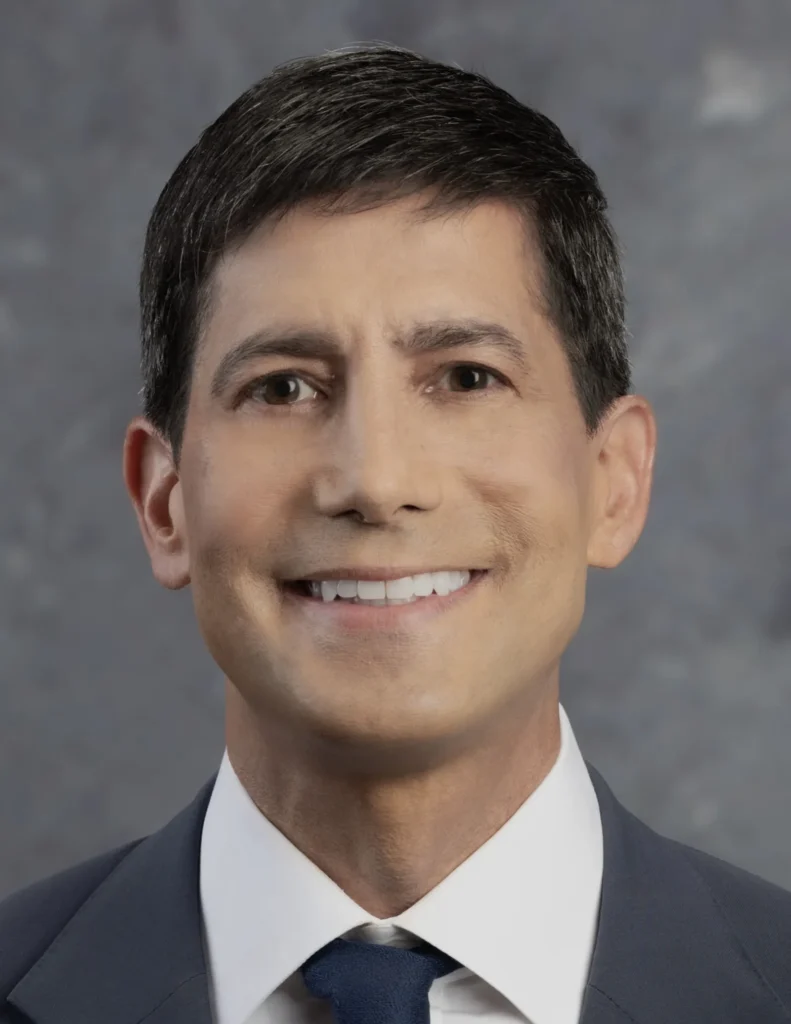
Fed Governor Christopher Waller has become the loudest hawk on the committee. He has said he favors a 50 basis point move in December and warned on Wednesday that inflation is moving in the wrong direction and becoming more widespread. His argument is that waiting risks letting 3 percent inflation settle in as the new normal, which would be far harder to undo later.
Not everyone agrees. New York Fed President John Williams has dismissed the idea of an outsized hike, and several economists expect the committee to stick with quarter-point moves if the November and December inflation data improve. Jeffrey Roach, chief economist at LPL Financial, wrote that inflation could improve in November and December, allowing policymakers to stick with quarter-point increases rather than accelerate the pace of tightening.
Fed Chair Kevin Warsh, who leads the committee in the fed minutes rate hike debate, has described the October decision as a “heck of a family fight” and said the Fed would be “better positioned” in December to decide whether to raise rates further. The minutes also record a new concern: almost all participants discussed a scenario in which returns on the AI investment boom disappoint investors, and the minutes flagged AI debt as a financial stability risk. Many participants viewed the surge in AI investment as a material source of inflation risk in its own right.
The October meeting also set the stage for a potentially intense debate in December over the need for a larger rate hike, or at least tougher language about the extent and pace of rate hikes to come. A few officials said inflation could prove more persistent and require “a shift to a more restrictive policy stance.” The committee was careful to make clear that holding rates in October was not a retreat from the 2 percent inflation objective.
What the Fed Minutes Rate Hike Means for Borrowers
A December hike, whether a quarter point or a half point, would push borrowing costs higher for households and businesses. Mortgage rates, credit card rates and auto loans all move with the Fed’s benchmark, and the fed minutes rate hike outlook makes clear that relief is not coming soon. The Fed raised rates in September, held them in October, and now looks set to tighten again before the year ends.
For savers, higher rates are better news, with savings accounts and money market funds paying more. For the stock market, the minutes are a headwind: the prospect of a half-point move in December weighed on shares after the release, and the AI stocks that led the rally are now under pressure from both the rate outlook and the Fed’s new warnings about AI debt. Our report on the October inflation data explains why a December hike already looked likely before the minutes, and our report on what inflation means for your money breaks down how rising prices hit household budgets. The full minutes are published by the Federal Reserve, and the inflation data comes from the Bureau of Labor Statistics.
Frequently Asked Questions
What did the Fed minutes say about rate hikes?
The minutes of the October 27-28 meeting say almost all officials expect further rate increases in the months ahead, and a couple said a hike larger than 25 basis points could be considered in December if inflation data is unfavorable.
When is the next Fed meeting?
The Federal Open Market Committee meets December 8-9, 2026. Investors price roughly 91 to 95 percent odds of a quarter-point increase at that meeting.
What is the current Fed interest rate?
The federal funds rate is 3.75 percent to 4 percent. The committee held it there in October in a 10-2 vote, with Lisa Cook and Beth Hammack dissenting in favor of a quarter-point increase.
Why is the Fed considering a bigger hike?
Inflation is running hot: Fed staff estimated headline PCE inflation at 3.6 percent in September, and October CPI rose 0.4 percent for the month. Governor Christopher Waller has said he favors a 50 basis point move in December.
Did the minutes mention AI?
Yes. Almost all participants discussed the AI investment boom, viewing it as a source of inflation risk, and the minutes flagged AI debt as a financial stability risk.
Conclusion
The fed minutes rate hike message is clear: the Federal Reserve held rates in October, but almost every official expects to raise them again, and a bigger move in December is on the table if inflation stays hot. Waller is pushing for a half-point hike, Williams is pushing back, and Chair Warsh will have to hold the committee together at the December 8-9 meeting. For borrowers, the message is that cheaper money is not coming soon, and for investors, the December decision is now the single most important date left in 2026.
