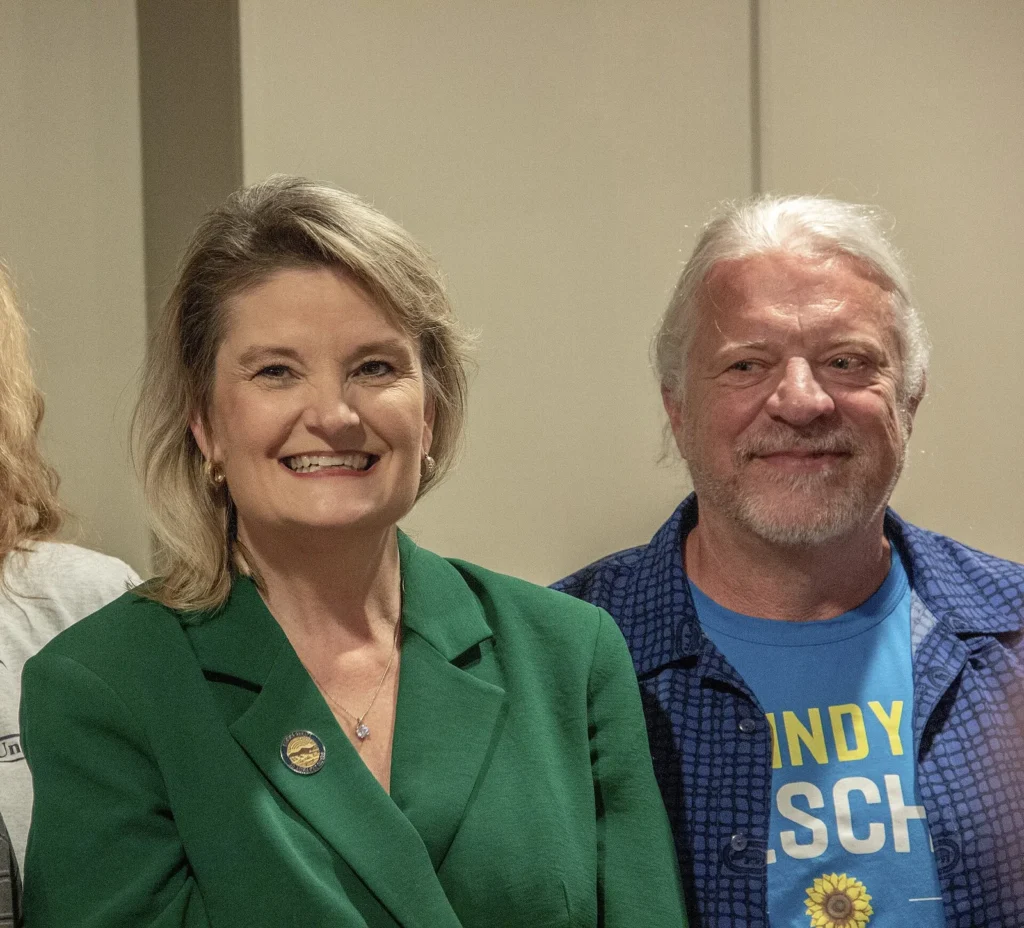
Cindy Holscher Wins Kansas Governor Race in Narrow Democratic Hold
Democrat Cindy Holscher has been elected the next governor of Kansas, defeating Republican Ty Masterson in one of the closest governor races of the 2026 midterm elections. The Associated Press called the race for Holscher on Thursday, November 12, nine days after Election Day, and Masterson conceded the same day.
Holscher, a state senator from the Kansas City suburbs, held a lead of about 7,600 votes when the race was called, with 50.3 percent of the vote to Masterson’s 49.7 percent. The result keeps the governor’s office in Democratic hands and extends a wave of Democratic victories across the country in the 2026 midterms.
“Kansans have sent a clear message that they want to keep our state moving forward,” Holscher said in a video posted online two days before the race was called. “The work of preparing to lead has already begun.”
Table of Contents
A Race That Took Nine Days to Call
Holscher declared victory on the morning after the election, but the Associated Press did not call the race until Thursday evening. The margin was narrow enough to trigger a state-required post-election audit, which reviews ballots in 10 percent of precincts in each county, and election officials spent days counting provisional and mail ballots postmarked by Election Day.
All 105 Kansas counties reported updated unofficial results before the call. Holscher had just over 551,000 votes to Masterson’s roughly 543,600 when the AP determined her lead could not be overtaken. County officials are expected to complete their canvasses by November 16, with statewide certification to follow.
The wait was not unusual for Kansas this year. The state’s Senate race was also decided by a wide margin only after days of counting, and the governor race stayed uncalled while the audit ran its course. Masterson had said before the call that the first count was not going his way but that he would let the process finish.
How Holscher Won
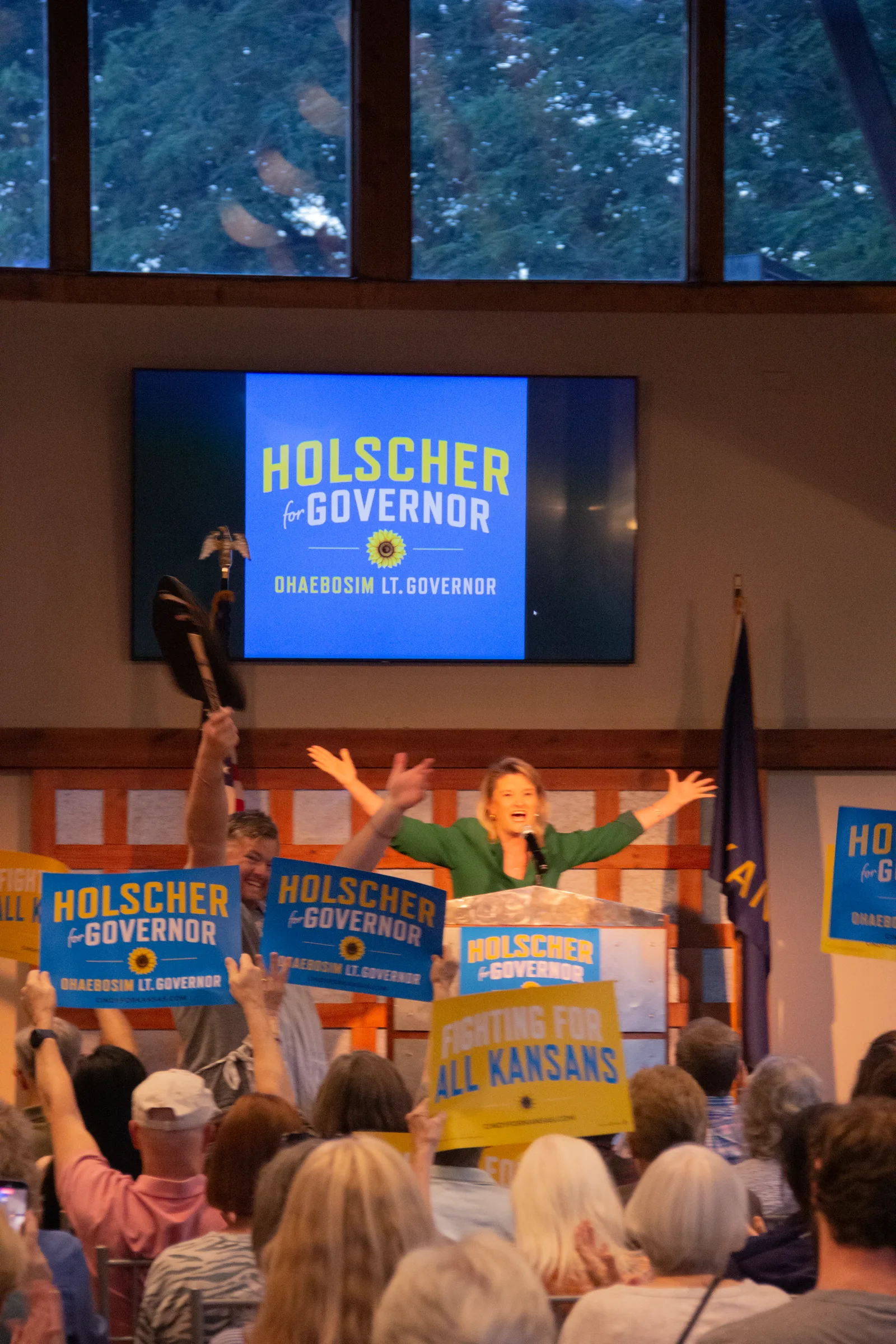
Holscher’s path to victory ran through Johnson County, the state’s most populous county and home to 23 percent of Kansas’s 2 million voters. She captured more than 60 percent of the vote there, which offset Masterson’s big margins in solidly Republican rural areas. Johnson County, in the Kansas City suburbs where Holscher lives, has become increasingly Democratic since Donald Trump’s first run for president in 2016.
Holscher won a Kansas House seat in 2016 and was elected to the state Senate in 2020. A former manager for Sprint Corp., she lives in Overland Park. She will succeed outgoing Governor Laura Kelly, a Democrat who was term-limited after eight years in office.
Her win breaks a 60-year pattern in Kansas politics. For six decades, whenever a Kansas governor retired or was term-limited, the other party’s nominee won the next election. Holscher is also the first Democrat in state history elected to succeed another Democratic governor, and Democrats have now won three consecutive elections for Kansas governor.
The Data Center Fight at the Center of the Campaign
Holscher made a state moratorium on building new data centers for artificial intelligence a cornerstone of her campaign, and the issue may have decided the race. She said people want limits on the centers’ energy and water use and want to make sure they create local jobs.
“It cuts across party lines,” she told reporters in Topeka late in the race. “The people are asking for reasonable things.”
The stance put her at odds with some labor groups. The state’s largest transit and railroad union, as well as a local chapter of the IBEW electrical workers union, backed Masterson over the issue. But the data center backlash resonated in a state where voters have grown wary of large tech projects and rising energy costs, and Reuters described the result as the tech backlash reverberating in one of the country’s most conservative states.
Masterson, the president of the GOP-controlled state Senate, campaigned on cutting property taxes, safer communities and better schools. He carried Trump’s endorsement after emerging from a contentious primary in August. Republicans poured money into the race: the Republican Governors Association spent $19 million on television and digital advertising, according to the ad-tracking firm AdImpact, and Republicans outspent Democrats more than 3-to-1 on ads overall.
Holscher also faced early resistance from her own party’s establishment. Kelly had earlier backed another Democratic state senator and once suggested Holscher could be too liberal to win in November. Kelly later endorsed Holscher and recorded a video for her campaign.
A Wider Democratic Wave in Kansas
The governor result was part of a broader Democratic sweep in Kansas. The state also elected Democrat Adam Hamilton to the U.S. Senate, the first Democrat to win a Kansas Senate seat since 1932, defeating incumbent Republican Roger Marshall. In another major result, Democrat Chris Mann ousted state Attorney General Kris Kobach, a champion of strict voter ID laws who served as vice chair of President Trump’s commission on election fraud in 2017.
Nationally, Democrats had already secured a majority of governorships in the United States for the first time in two decades even before the narrow win in Kansas. The Kansas result extended that advantage and showed Democratic strength reaching into states Trump won by wide margins. Trump carried Kansas by 16 points in 2024.
What Happens Next
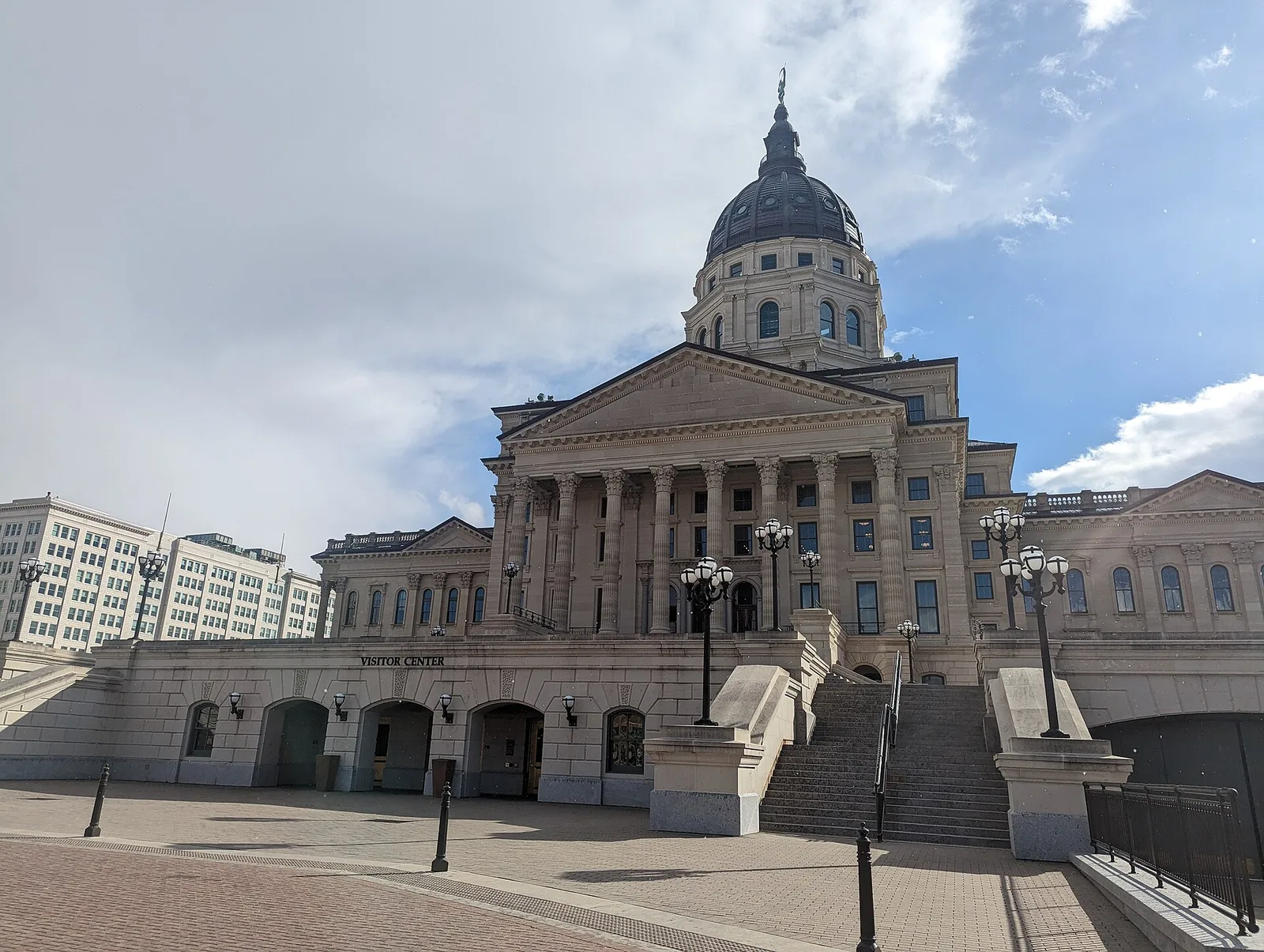
Holscher takes office in January 2027, when she will face a Republican-controlled legislature and the practical work of governing. Her first tasks will include her first budget proposals and picks for the state cabinet, and her promised data center moratorium will be an early test of how far she can push her signature policy through a legislature that Republicans still control.
The final vote count will be certified in the coming days, and the official margin may shift slightly as the last ballots are processed. But the result is settled: Cindy Holscher is Kansas’s next governor, and she will lead a state that has now chosen Democratic governors three times in a row.
FAQs
Who won the Kansas governor race in 2026?
Democrat Cindy Holscher won, defeating Republican Ty Masterson. The Associated Press called the race on Thursday, November 12, and Masterson conceded the same day.
What was the margin in the Kansas governor race?
Holscher led by about 7,600 votes, with 50.3 percent of the vote to Masterson’s 49.7 percent, according to Associated Press tallies.
Who is Cindy Holscher?
Holscher is a Democratic state senator from Overland Park in Johnson County. She is a former Sprint manager who won a Kansas House seat in 2016 and a Senate seat in 2020.
What was the main issue in the Kansas governor campaign?
Holscher campaigned on a moratorium on building new data centers for artificial intelligence, citing their energy and water use. Masterson campaigned mainly on cutting property taxes.
When does Cindy Holscher take office?
Holscher takes office in January 2027, succeeding term-limited Democratic Governor Laura Kelly.