Honda and Toyota Recall 1.6 Million Vehicles Over Takata Airbag Rupture Risk
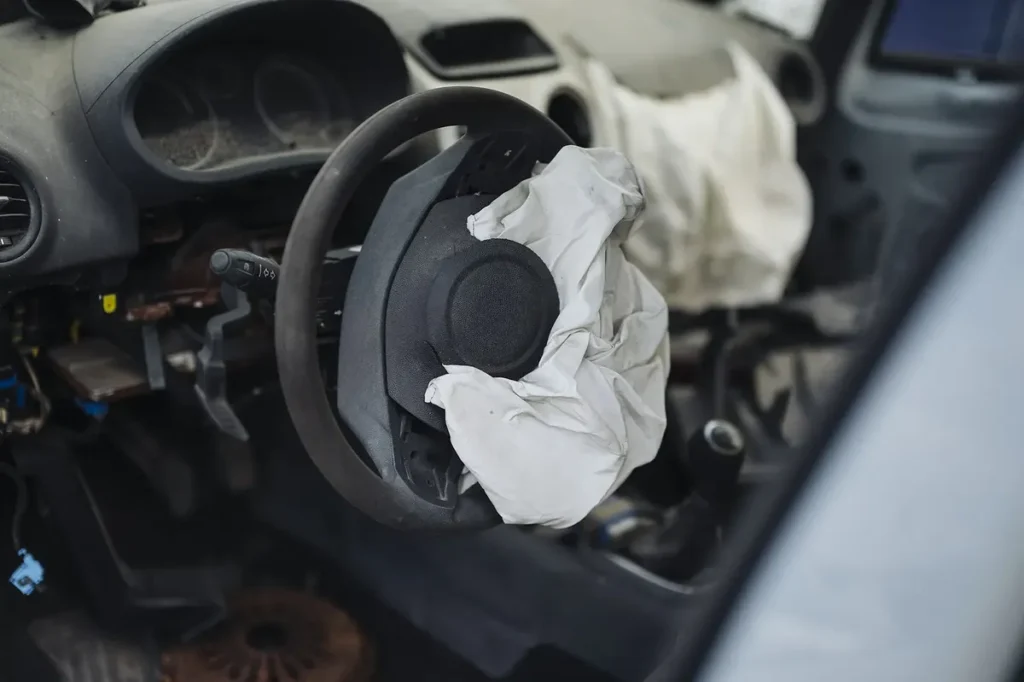
The Takata airbag recall grew again on Friday, when Honda and Toyota said they are recalling about 1.6 million cars, trucks and SUVs over a risk that Takata airbag inflators could rupture. Honda is recalling 810,592 older cars and SUVs in the United States, while Toyota is recalling 790,000 vehicles worldwide, including 314,000 in the United States. Both automakers said there have been no injuries or crashes tied to the vehicles in this recall, and no airbag inflator ruptures have been reported. The companies will replace the airbag inflators free of charge. The move is the latest chapter in the largest auto recall in American history, a crisis that has already killed at least 28 people in the United States.
Table of Contents
Toyota Recalls 790,000 Vehicles
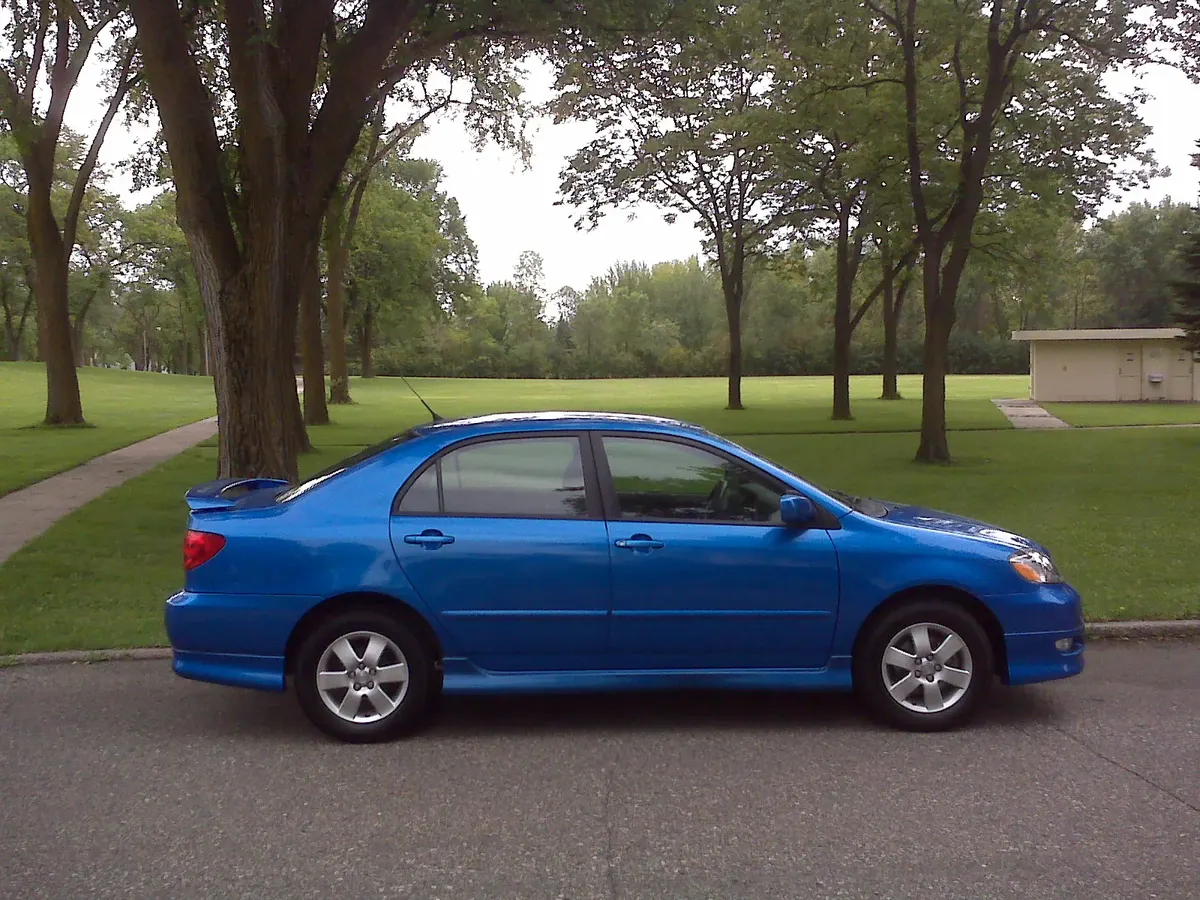
Toyota is recalling 790,000 vehicles worldwide, including 314,000 in the United States, over the rupture risk. The Toyota recall includes the 2002 to 2010 Lexus SC430, the 2011 IS250, the 2017 GX460, the 2003 to 2008 Toyota Corolla, the 2005 to 2006 Tundra, the 2005 to 2007 Sequoia, and the 2016 to 2017 4Runner. Many of these are older models that have been on the road for a decade or more, which is exactly why they are at risk: the danger grows as the inflators age.
Toyota warned that degraded propellant could cause the inflator to rupture if the airbag deploys, and that a rupture could cause serious injuries. The company said it expects the replacement inflators to be ready by early 2027. Until the parts arrive, owners should check whether their vehicle is included and register for notification, so they are contacted as soon as a repair can be booked. Toyota did not specify in which US states the recall applies.
Honda Recalls 810,592 Vehicles
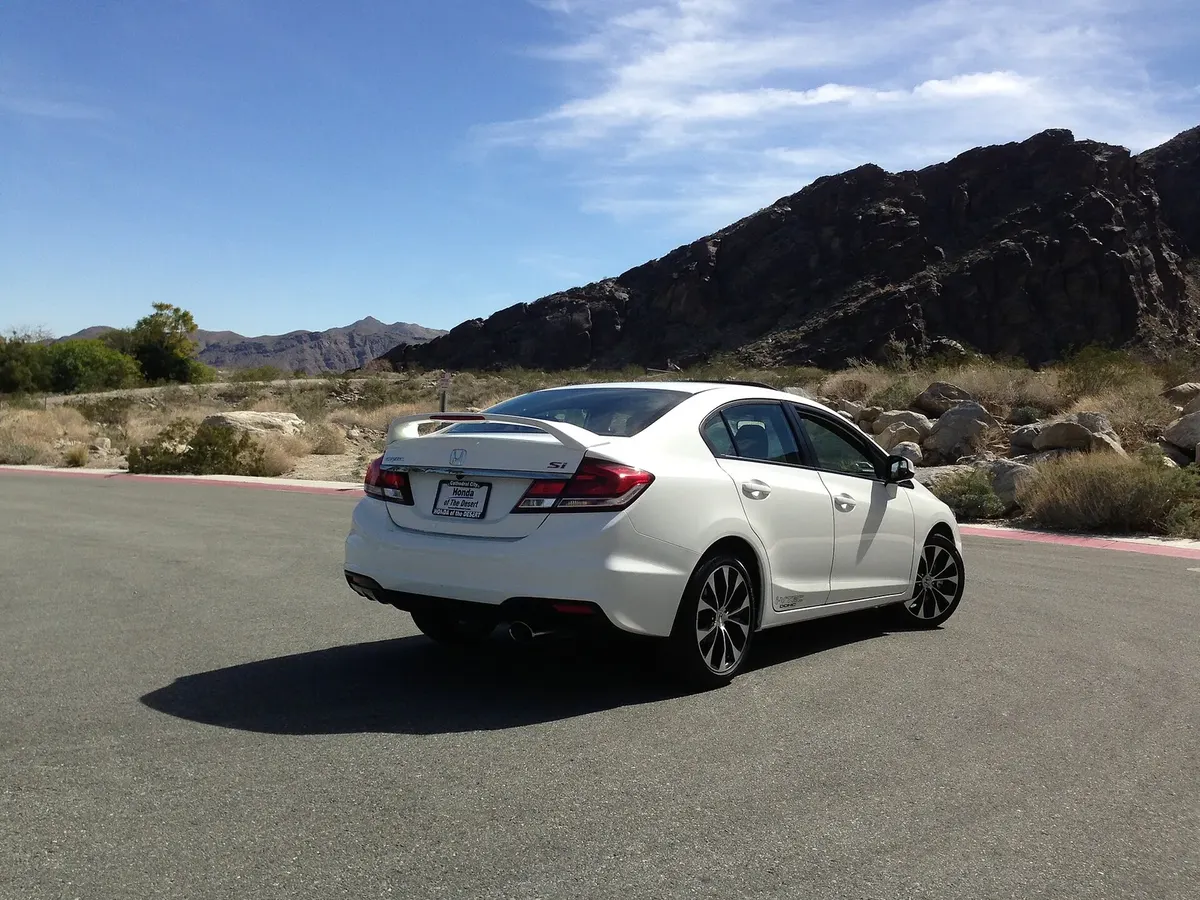
Honda is recalling 810,592 older cars and SUVs in the United States. The Honda recall covers some 2013 Honda Accord, 2012 to 2013 Honda Civic, 2012 to 2013 Honda CR-V, 2013 Acura ILX, and 2013 Acura RDX vehicles. Honda said long term monitoring and analysis revealed potential propellant degradation in certain inflators within specific geographic regions, and the recall is aimed at those vehicles first.
The Honda recall applies to vehicles sold or registered in 14 states or territories known for high temperature, humidity and large temperature fluctuations. The list is Alabama, California, Florida, Georgia, Hawaii, Louisiana, Mississippi, South Carolina, Texas, Puerto Rico, the US Virgin Islands, Northern Mariana Islands (Saipan), Guam and American Samoa. Heat and humidity are the key risk factors, which is why the recall is concentrated in the warmest parts of the country.
Why These Airbags Can Fail
The problem is the chemical that inflates the airbag. Takata inflators use ammonium nitrate propellant, which can degrade after long term exposure to combined high heat and humidity. When degraded propellant ignites, the inflator can explode instead of inflating the airbag in a controlled way, sending metal shrapnel into the cabin and killing or injuring drivers and other vehicle occupants.
There is one important difference with this Takata airbag recall. The vehicles in the current recalls have airbag inflators that contain a moisture absorbing material, unlike the millions of vehicles recalled previously. That desiccant was supposed to protect the propellant from humidity. The fact that Honda and Toyota are recalling these vehicles anyway shows that even inflators with a drying agent can degrade over time, at least in the hottest and most humid climates.
The National Highway Traffic Safety Administration said analysis and inflator degradation simulation models conducted by independent testing groups allowed the automakers to act ahead of potential risks. “Honda and Toyota saw early evidence of degradation risk in certain of their vehicles and are currently conducting proactive recalls of vehicles,” NHTSA said late Friday, adding that other automakers continue to conduct inflator analysis and testing. The proactive timing is the good news here: this Takata airbag recall was announced before any rupture, injury or crash tied to these vehicles.
The Takata Airbag Recall in Numbers
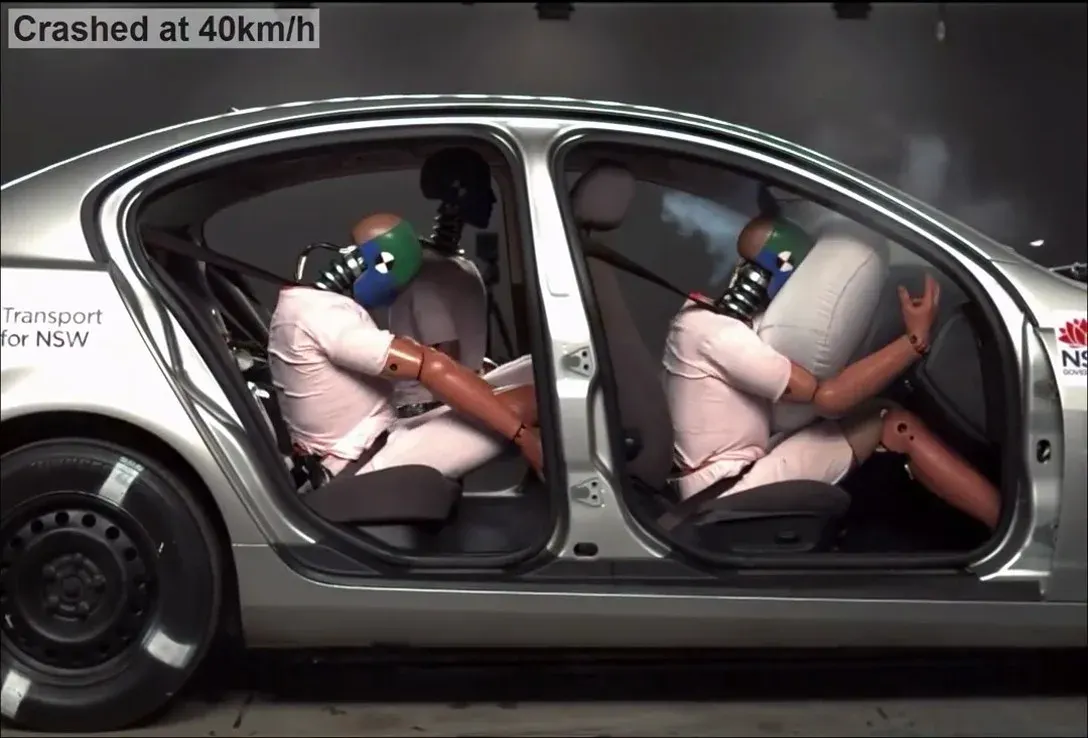
To understand why a recall with no injuries still matters, look at the history. There have been at least 28 deaths in the United States and more than 400 injuries stemming from defective Takata airbag inflators since 2009, according to Reuters. All of those deaths involved airbag inflators without a drying agent. At least 20 of those deaths were in Honda vehicles. The National Highway Traffic Safety Administration confirms the same toll: 28 people killed and at least 400 injured in the United States when their defective Takata inflators exploded.
The scale of the crisis is unmatched in auto history. Over the past decade, two dozen major automakers have recalled more than 100 million vehicles fitted with Takata airbag inflators worldwide, including about 67 million vehicles in the United States. Approximately 67 million Takata air bags have been recalled in the United States because they can explode when deployed, causing serious injury or even death, according to NHTSA. It is the largest auto recall in US history, and it is still growing, more than a decade after it began.
The lesson of the numbers is simple: a defective airbag is not a minor fault. Airbags save lives in a crash, and the vast majority of Takata airbags will perform as expected. But when one fails, it can turn a survivable crash into a fatal one. That is why NHTSA orders the repairs to be done free, and why it prioritises the oldest vehicles in the hottest climates first.
What Owners Should Do Now
If you own a Honda, Acura, Toyota or Lexus from the model years listed above, check your vehicle now. The fastest way is to look up your vehicle identification number on NHTSA’s Takata recall page, which also has a recalls lookup tool. You can also check with your dealer, who can confirm whether your exact vehicle is included. NHTSA recommends that owners use the VIN lookup tool at least twice a year, because vehicles that are scheduled for recall in the future will not show up until they are actually recalled.
If your vehicle is included in the Takata airbag recall, contact your dealer as soon as possible to get the recall repair free of charge. The manufacturer is required to send you a letter letting you know when parts are available, and the repair itself costs you nothing. If a dealer refuses to repair your vehicle as described in the recall letter, notify the manufacturer immediately, and you can also file a complaint with NHTSA. The NHTSA vehicle safety hotline is 888-327-4236.
While your car is at the dealer for the free repair, it is also a good time to catch up on routine maintenance. Our guide on how long an oil change takes explains what to expect by shop type. Do not disable your airbag while you wait for the repair. NHTSA is clear on this point: an air bag that is purposely disabled has a 100 percent chance of failing to provide any protection in a crash, while a recalled airbag is far more likely to perform properly than to cause harm. If you feel uncomfortable driving before the repair, ask your dealer whether a loaner vehicle is available.
Frequently Asked Questions
Is my car in the Takata airbag recall?
Check your vehicle identification number on NHTSA’s recalls lookup tool. The new Takata airbag recall covers the Toyota and Lexus models listed above and the Honda and Acura models listed above, with the Honda recall limited to 14 hot and humid states and territories.
Is it safe to drive until the repair?
No injuries or ruptures have been reported for the vehicles in this recall, and NHTSA says the vast majority of Takata air bags will perform as expected. Still, get the free repair as soon as parts are available, and do not disable your airbag.
How much will the repair cost?
Nothing. The manufacturer must repair recalled vehicles free of charge, including replacing the airbag inflator. If a dealer refuses, contact the manufacturer and file a complaint with NHTSA.
When will Toyota have the replacement parts?
Toyota said it expects the replacement inflators to be ready by early 2027. Owners should check their VIN now and watch for the manufacturer’s letter telling them when parts are available.
Conclusion
The Takata airbag recall is a reminder that the largest auto safety crisis in American history is not over. Honda and Toyota are recalling about 1.6 million more vehicles, not because anyone was hurt, but because testing showed the inflators could degrade and rupture. That proactive timing is the best outcome for owners, and the fix is free. If you drive one of the listed models, especially in a hot and humid state, check your VIN today. A free repair now is a small price for a safety device that must work perfectly in the one moment you need it most.
