Bayer Roundup Settlement: Judge Approves $7.25 Billion Deal to End Cancer Lawsuits
A Missouri judge has given final approval to a settlement that could cost Bayer up to $7.25 billion, ending a decade of lawsuits over claims that its weed killer Roundup causes cancer. The bayer roundup settlement covers both people who are already ill and people who develop non-Hodgkin lymphoma in future years, and it is one of the largest mass tort settlements in American history. Here is what the deal covers, who gets paid, why Bayer agreed to it, and what happens next.
Table of Contents
What the Bayer Roundup Settlement Covers
St. Louis Circuit Judge Timothy Boyer gave final approval to the nationwide settlement on Friday, November 20. Under the deal, Bayer will pay up to $7.25 billion over two decades, making annual payments into a special fund for up to 21 years. The settlement applies to people who used Roundup and developed non-Hodgkin lymphoma, a form of cancer, and it covers two groups of claimants.
The first group includes people who were exposed to Roundup before February 17, 2026, and already have a medical diagnosis of non-Hodgkin lymphoma. The second group includes people who receive a diagnosis of non-Hodgkin lymphoma before the end of a 16-year period following final approval of the agreement, even if they are not sick yet. That future-claims coverage is what makes this settlement unusual, and it is also the part that drew the sharpest criticism from some plaintiffs’ lawyers.
In his written judgment, Judge Boyer said the average individual payouts are “fair and adequate” and the total dollar amount is “among the largest in the history of mass tort personal-injury class action settlements.” The approved settlement also includes $600 million for attorneys’ fees. The judge said there was a risk Bayer would have filed for bankruptcy protection if the settlement had been rejected, which would have left many claimants with nothing.
Who Gets Paid and How Much
Individual payouts under the settlement will range from $10,000 to $165,000, depending on how the person used Roundup, how old they were when diagnosed, and how severe their illness is. Agricultural, industrial or turf workers who were exposed at length to the weed killer could receive an average of $165,000 if they were diagnosed with an aggressive form of the illness while younger than age 60. Anyone diagnosed at age 78 or older would get significantly less, with an average of $10,000.
About 200,000 Roundup-related claims have been made against Bayer, many coming from people who used the product on residential lawns and gardens. The settlement was filed in St. Louis Circuit Court in Missouri, home to Bayer’s North America crop science division and the state where many of the lawsuits have been brought. The decision could still be appealed, so payments are not expected to begin immediately.
Christopher A. Seeger, a court-appointed counsel for cancer patients in the case, welcomed the ruling. “Today’s final approval order delivers guaranteed compensation to Roundup cancer victims who have waited more than a decade for justice,” Seeger said. For patients who have been waiting years for their cases to move, the settlement offers something a trial cannot guarantee: a certain payment, even if it is smaller than what a jury might award.
What Is Roundup and Why People Sued
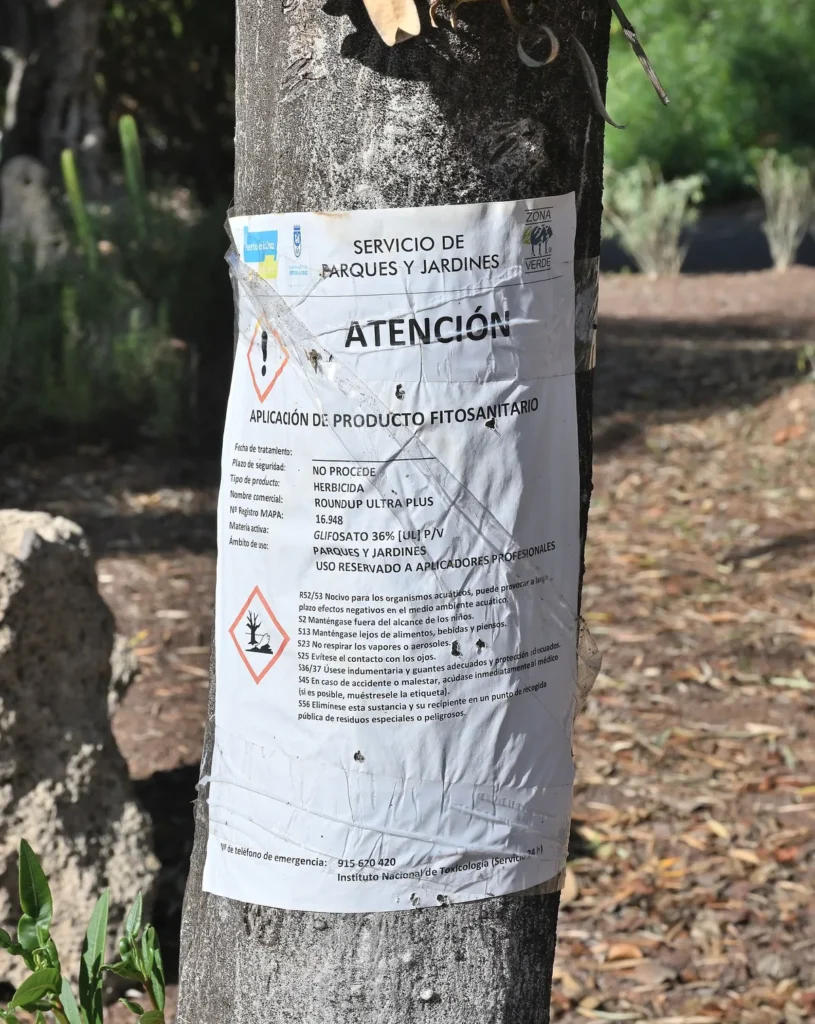
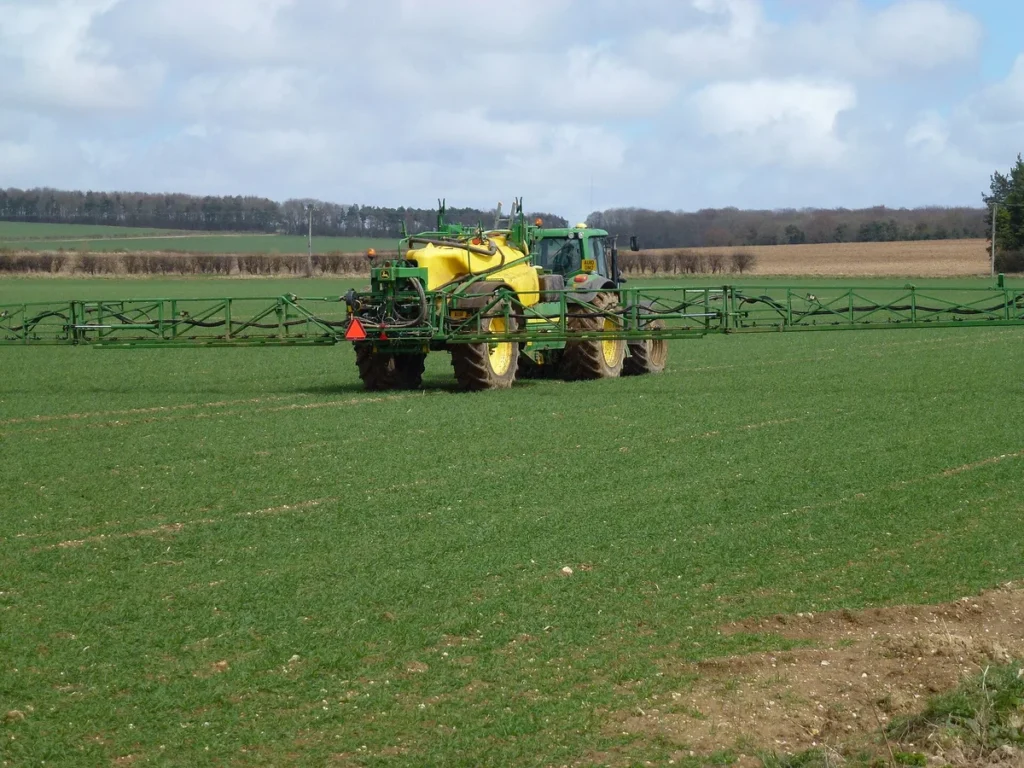
Roundup is a weed killer built around the chemical glyphosate. Missouri-based Monsanto introduced it in 1974, and it quickly became one of the most widely used herbicides in agriculture. Roundup is designed to be used with genetically modified seeds that can resist the weed killer, allowing farmers to produce more while tilling the soil less. The product is also commonly applied on lawns and gardens, which is why so many of the claims come from home users, including people who sprayed it around a vegetable garden or on a driveway.
Bayer added Roundup to its portfolio when it acquired Monsanto in 2018. With the acquisition came a growing number of lawsuits alleging that glyphosate causes non-Hodgkin lymphoma. Bayer denies that Roundup causes cancer, and that question remains in dispute. The World Health Organization’s International Agency for Research on Cancer classified glyphosate as “probably carcinogenic” in 2015, while the U.S. Environmental Protection Agency has determined that glyphosate is not likely to cause cancer in humans when used as directed.
The lawsuits have produced mixed results. Only a couple dozen cases have gone to juries, some siding with Bayer and others with plaintiffs. In one case, a Georgia jury awarded plaintiffs $2.1 billion. In the first Roundup verdict since the Supreme Court’s precedent-setting ruling, a Missouri jury in October sided with Bayer in a case alleging design defects, negligence and fraud. Bayer’s United States general counsel, Bill Dodero, said that verdict “should send a strong signal” that plaintiffs “will face significant challenges” pursuing Roundup-related cancer claims in the future.
The Court Decision in St. Louis

Judge Boyer rejected all objections to the settlement before granting final approval. The objections came from attorneys who argued the payouts are too small and the terms too restrictive, particularly for people who may be diagnosed years from now. The judge weighed those objections against the risk that claimants would end up with nothing if Bayer sought bankruptcy protection, and he concluded the deal was fair.
For Germany-based Bayer, the settlement provides financial certainty against mounting litigation costs that had led the company to contemplate pulling Roundup from United States agricultural markets. Bayer had already set aside $16 billion to cover legal costs related to Roundup cases, and the new settlement is in addition to that amount. Bayer has also changed the formula for the version of Roundup sold to residential users, removing glyphosate from its new residential products.
Bayer chief executive Bill Anderson said in a statement that the court-approved settlement is “a decisive milestone in the company’s strategy to mitigate the risks of both pending and future Roundup litigation.” The company has spent years trying to close the book on the Monsanto acquisition’s legal fallout, and this settlement is the biggest step yet toward doing that.
Why Bayer Agreed to Settle Now
The timing of the settlement was shaped by a Supreme Court ruling in June 2026. While the settlement was pending, the high court ruled that Bayer cannot be sued in state courts on claims that it failed to warn about cancer, because federal regulations do not require a cancer warning label and states are forbidden from imposing additional labeling requirements. That ruling undercut one of the central arguments in the Roundup lawsuits, and it changed the balance of power in the negotiations.
Some attorneys for cancer patients contend the settlement payouts are too small, while others argue the deal is better than getting nothing, which became a heightened likelihood after the Supreme Court ruling. Litigants also faced uncertainty because jury verdicts had been so mixed: a $2.1 billion award in Georgia on one side, and a defense verdict in Missouri on the other. A settlement that guarantees payment, even a modest one, removes the risk of losing at trial entirely.
The deal also gives Bayer something it has wanted since 2018: a defined, capped cost for the litigation. Instead of facing new lawsuits indefinitely, the company will pay into a fund over 21 years, with the total capped at $7.25 billion. The product stays on the market, and the company’s crop science business can plan around a known number rather than an open-ended legal risk.
The Split Among Plaintiffs’ Lawyers
Not all of the lawyers who represented cancer patients supported the deal. Attorney Gerson Smoger, speaking at a September court hearing on whether the settlement was fair, called it “the scariest, worst future settlement that’s ever been contemplated.” He said it locked in future claimants for decades with no chance at punitive damages, yet “kept the product that they were exposed to on the market, allowing the victims to continue to be exposed.”
That criticism goes to the heart of the deal’s most controversial feature: the future-claims class. People who were exposed to Roundup but have not yet been diagnosed are bound by the settlement’s terms for 16 years, with payouts set by a formula rather than by a jury. Supporters of the deal say that is the only way to guarantee compensation for future patients at all, since the Supreme Court ruling made future lawsuits much harder to win. Critics say it trades away the rights of people who do not yet know they are sick.
Anyone who believes they were harmed by Roundup should speak with a lawyer about their own situation, because eligibility depends on the details of exposure and diagnosis. The settlement’s terms are complex, and the right move for one person may not be the right move for another. Readers dealing with a serious illness may also want to review our guide on how to get power of attorney, which explains a legal step many families take when a loved one is seriously ill. Federal health regulation is also in the spotlight this year, as covered in our report on the FDA nomination.
What Happens Next
The settlement still faces a possible appeal, and objectors have the right to challenge Judge Boyer’s approval in a higher court. If the approval stands, Bayer will begin annual payments into the special fund, and the claims process will open for both current and future claimants. The fund will operate for up to 21 years, and the future-claims window will run for 16 years after final approval.
For Bayer, the deal removes the largest single legal overhang from its Monsanto acquisition, though the company still faces other litigation and the settlement does not resolve every Roundup claim. For the roughly 200,000 people who have filed claims, it replaces the uncertainty of trials with a defined, if modest, payment. And for the broader debate about glyphosate, the settlement resolves nothing about the science: the IARC and the EPA still disagree, Roundup is still on shelves, and the question of whether glyphosate causes cancer will keep being argued in courts and laboratories.
Frequently Asked Questions
How much is the Bayer Roundup settlement?
Bayer will pay up to $7.25 billion over up to 21 years, making annual payments into a special fund. The settlement also includes $600 million for attorneys’ fees. Judge Timothy Boyer called the total “among the largest in the history of mass tort personal-injury class action settlements.”
Who qualifies for a Roundup settlement payout?
The settlement covers people exposed to Roundup who developed non-Hodgkin lymphoma. One group covers people exposed before February 17, 2026, who already have a diagnosis. A second group covers people diagnosed with non-Hodgkin lymphoma before the end of a 16-year period after final approval.
How much will individual Roundup claimants receive?
Payouts range from $10,000 to $165,000, depending on exposure, age at diagnosis and severity of illness. Agricultural, industrial or turf workers diagnosed with an aggressive form before age 60 could average $165,000, while people diagnosed at 78 or older would average about $10,000.
Does Bayer admit Roundup causes cancer?
No. Bayer denies that Roundup causes cancer. The science remains disputed: the World Health Organization’s cancer agency classified glyphosate as “probably carcinogenic” in 2015, while the United States EPA has determined it is not likely to cause cancer in humans when used as directed.
Conclusion
The bayer roundup settlement closes the largest chapter of a legal fight that has lasted nearly a decade, but it does not settle the underlying questions. A Missouri judge approved up to $7.25 billion in payments to current and future claimants, calling the deal fair and adequate, while some plaintiffs’ lawyers called it the worst future settlement ever contemplated. Bayer gains certainty and keeps Roundup on the market; claimants gain guaranteed compensation, even if it is less than some hoped for. What happens next depends on appeals, the claims process, and a scientific debate that the courts have not resolved.
