
Bitcoin Price Crash: BTC Falls Below $60,000 to Lowest Since September 2024
Bitcoin has suffered its worst slide in two years. The bitcoin price crash pushed the largest cryptocurrency below $60,000 on Friday, November 20, and it kept falling into the weekend, touching about $55,252 at its lowest point. That is the cheapest bitcoin has traded since September 2024, and it leaves the coin down more than half from its peak above $126,000 in October 2025. The drop triggered roughly $2 billion in forced liquidations in a single day and record outflows from bitcoin exchange-traded funds. By Saturday, bitcoin had bounced back above $60,000, but the damage to confidence was done. Here is how far bitcoin fell, why it fell, and what to watch next.
Table of Contents
How Far Bitcoin Fell in the Bitcoin Price Crash
The scale of the bitcoin price crash is clear in the numbers. According to Reuters, bitcoin fell 5.10 percent to $55,830 by 11:13 p.m. ET on Friday, its lowest level since September 2024. Earlier in the day it had fallen below $60,000 for the first time since July. Bloomberg reported that the coin slumped as much as 6.1 percent to $57,716 during Friday trading, also its weakest since September 2024.
The selling did not stop when American markets closed. Market data showed bitcoin touching $55,251.60 late on Friday night, its lowest point in more than two years, before staging a sharp rebound. CoinGecko recorded bitcoin at $55,684 at 06:06 UTC on Saturday, November 21, down 9.96 percent over 24 hours. By Saturday, the coin had recovered more than 8 percent from the low and climbed back above $60,000, trading near $60,200.
The speed of the fall stands out. Bitcoin traded near $81,000 on November 6, so it lost about a quarter of its value in less than three weeks. From its peak above $126,000 in October 2025, bitcoin has now lost more than half its value. It is also worth less than it was when crypto-friendly President Donald Trump retook the White House, a reversal for an industry that had expected his return to power to lift prices.
Why the Bitcoin Price Crash Happened
No single event caused the bitcoin price crash. Instead, several pressures arrived at once and pushed investors out of risky assets, including crypto. The biggest was the sudden unwinding of the artificial intelligence trade. Worries about stretched valuations in AI stocks and the profitability of massive AI infrastructure spending rattled markets all week. The Nasdaq fell 5.28 percent on Friday, and the S&P 500 entered correction territory, down more than 10 percent from its October record. When stocks fall that hard, bitcoin usually falls with them.
Crypto had its own problems too. A hack of Binance, the largest crypto exchange, at the end of October rattled digital assets and shook trust in the sector. Then sweeping Democratic victories in the midterm elections fueled concerns that the crypto industry’s push for friendlier rules has lost momentum, adding regulatory risk to an already nervous market.
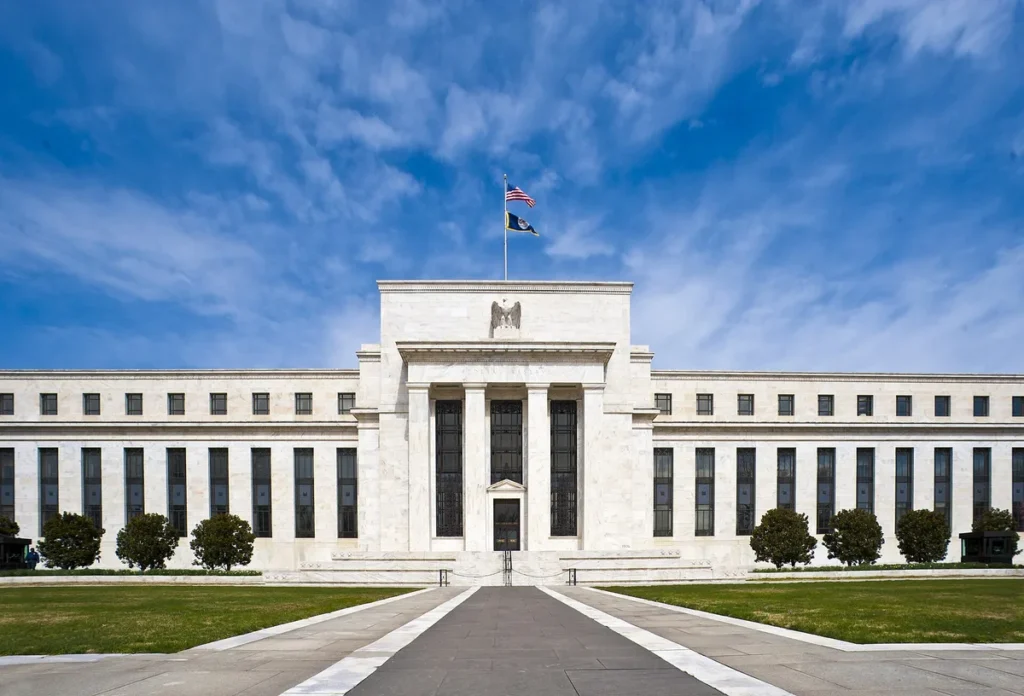
The wider economy added more pressure. A stronger dollar and rising expectations of another Federal Reserve rate increase made risky bets less attractive. Markets are now pricing a December rate hike as almost certain. At the same time, investors have been pulling money from bitcoin exchange-traded funds for weeks. Bitcoin ETFs have now seen more than $3 billion in outflows so far this year, and BlackRock’s IBIT fund recorded a record $541.1 million outflow on Thursday alone. The Crypto Fear and Greed Index read 12, its ninth straight day in extreme fear territory.
Leverage Turned the Drop Into a Rout
Falling prices were only half the story. Leverage did the rest. As bitcoin broke below $60,000, traders who had borrowed money to bet on higher prices were forced to sell, and their selling pushed prices lower still, forcing more sales in a cycle that fed on itself.
According to Coinglass data, bitcoin’s slide on Friday triggered the liquidation of roughly $2 billion in long crypto bets over 24 hours, with bitcoin positions accounting for the majority of that sum. Andrew Yang, a research analyst at crypto market data firm Kaiko, said about $94.6 million in bitcoin positions were liquidated in a single hour on Binance, Bybit and OKX as Nasdaq losses deepened and bitcoin broke below $60,000. “What made the move so fast was leverage,” Yang said.
Andy Baehr, managing director of asset management at GSR, said the mood had turned sharply. “The broader market has shifted into a sharp lack of confidence, and investors are de-risking,” Baehr said. “Bitcoin is along for the ride here, typically weak in deleveraging environments.” Fabian Dori, chief investment officer at Sygnum Bank, said the market is pricing a more aggressive Fed rate hike and a slowdown in the AI buildout, calling it “an excessively negative market interpretation right now.”
What the Bitcoin Price Crash Means for Everyday Holders
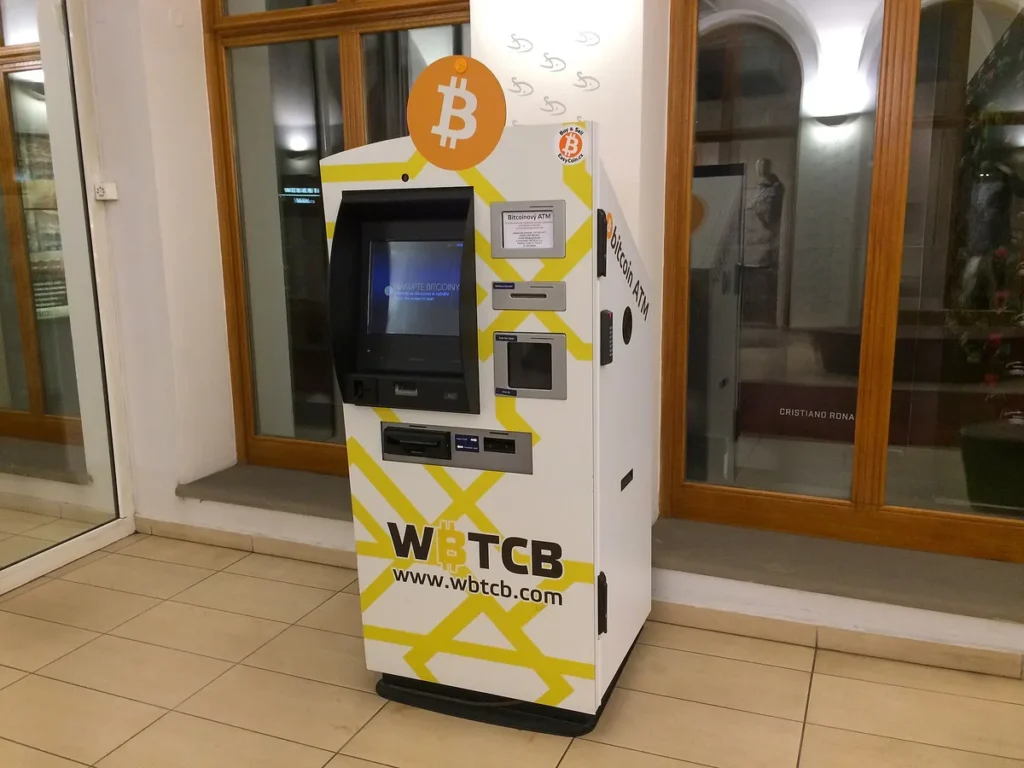
For people who own bitcoin directly, the bitcoin price crash is a painful reminder that crypto can fall fast even when the long-term story looks bright. Anyone who bought near the October 2025 peak has now watched more than half of that investment disappear. People who use bitcoin ATMs or hold coins on exchanges saw the same red numbers as the big funds, just on a smaller scale.
Fund investors did not escape either. BlackRock’s IBIT fell 5.9 percent to its lowest close since September 2024, and its ether fund lost 9.2 percent. The record outflow from IBIT shows that even the largest institutional holders are pulling back, at least for now.
The character of this downturn is different from earlier crypto crashes. Previous crashes were punctuated by spectacular failures or waves of forced selling. This downturn has been marked by a steadier erosion in demand, according to Bloomberg. Bitcoin fell even as inflation worries mounted, doing little to bolster its case as a hedge against rising prices. And when geopolitical turmoil sent investors looking for safety, they turned to traditional havens instead of crypto. For holders, the lesson is that bitcoin still behaves like a risky asset in a crisis, not like gold.
What Happens Next for Bitcoin
The first question is whether $60,000 holds. Bitcoin reclaimed that level on Saturday, but the rebound came after a brutal week, and the coin remains far below its October peak. If ETF outflows continue, or if the Federal Reserve signals a tougher stance in December, the recovery could stall. If buyers step back in, the low near $55,000 may mark the bottom of this sell-off.
The wider market matters too. Bitcoin’s fall tracked the slide in AI and tech stocks, including the sharp drop in Nvidia shares and the pressure on newly listed Anthropic shares. As long as the stock market stays shaky, bitcoin is likely to stay shaky with it. The Thanksgiving week brings the Federal Reserve’s Beige Book, which will give fresh clues about the economy, and traders will watch it closely.
Institutional acceptance of bitcoin has not gone away. Bitcoin ETFs still hold large amounts of the coin, and the industry has won many of the regulatory battles it fought for years. But the early enthusiasm has cooled, and the question now is whether the biggest buyers will keep adding to their holdings at the pace the industry once expected. The bitcoin price crash has not answered that question yet, and the answer will decide where bitcoin goes from here.
Frequently Asked Questions
How low did bitcoin fall in the crash?
Bitcoin fell to about $55,252 at its lowest point overnight on Friday, November 20, its lowest level since September 2024. Reuters reported bitcoin at $55,830 by 11:13 p.m. ET on Friday, down 5.10 percent on the day.
Why did bitcoin crash?
Several pressures hit at once: the unwinding of the AI stock trade, a hack of the Binance exchange in late October, regulatory worries after Democratic midterm wins, a stronger dollar, expectations of another Federal Reserve rate hike, heavy ETF outflows, and forced selling from leveraged traders.
How much has bitcoin fallen from its peak?
Bitcoin has lost more than half its value since peaking above $126,000 in October 2025. It fell from about $81,000 on November 6 to below $56,000 in less than three weeks.
Did bitcoin recover above $60,000?
Yes. Bitcoin rebounded more than 8 percent from its overnight low on Saturday, November 21, climbing back above $60,000 and trading near $60,200.
How much money was liquidated in the bitcoin crash?
Roughly $2 billion in long crypto bets were liquidated over 24 hours, according to Coinglass data, with bitcoin positions accounting for most of that total. About $94.6 million in bitcoin positions were wiped out in a single hour on Binance, Bybit and OKX.
Conclusion
The bitcoin price crash took the largest cryptocurrency below $60,000 to its lowest level since September 2024, wiping out more than half of its value from the October 2025 peak. A mix of AI stock worries, the Binance hack, midterm regulatory fears, Fed rate expectations and heavy ETF outflows drove the fall, while leverage turned it into a $2 billion liquidation wave. The rebound above $60,000 on Saturday shows buyers are still there, but confidence is shaken. Whether bitcoin holds that level now depends on ETF flows, the Federal Reserve’s next move, and whether the wider stock market steadies.
