
Trump Vows to Work With Democrats to Cap Credit Card Interest Rates at 10%
President Donald Trump said on Saturday that he would work with the incoming Democratic Congress to cap credit card interest rates at 10 percent, reviving a campaign promise that stalled earlier this year. The trump credit card interest rate cap would cut the typical rate Americans pay by more than half, and it now has an unlikely path forward: a president who needs Democratic votes and a Democratic Senate Banking Committee chair who has wanted the same cap for years.
Table of Contents
“I would do it. These credit card companies have made a lot,” Trump told Fox News Channel’s “Saturday in America,” according to the Associated Press. Democrats and the Republican president have both backed capping credit card interest rates, with the standard proposal being a cap at 10 percent. The median credit card interest rate is roughly 22.2 percent, according to an August survey by the New York Federal Reserve, so the change would be large for anyone who carries a balance.
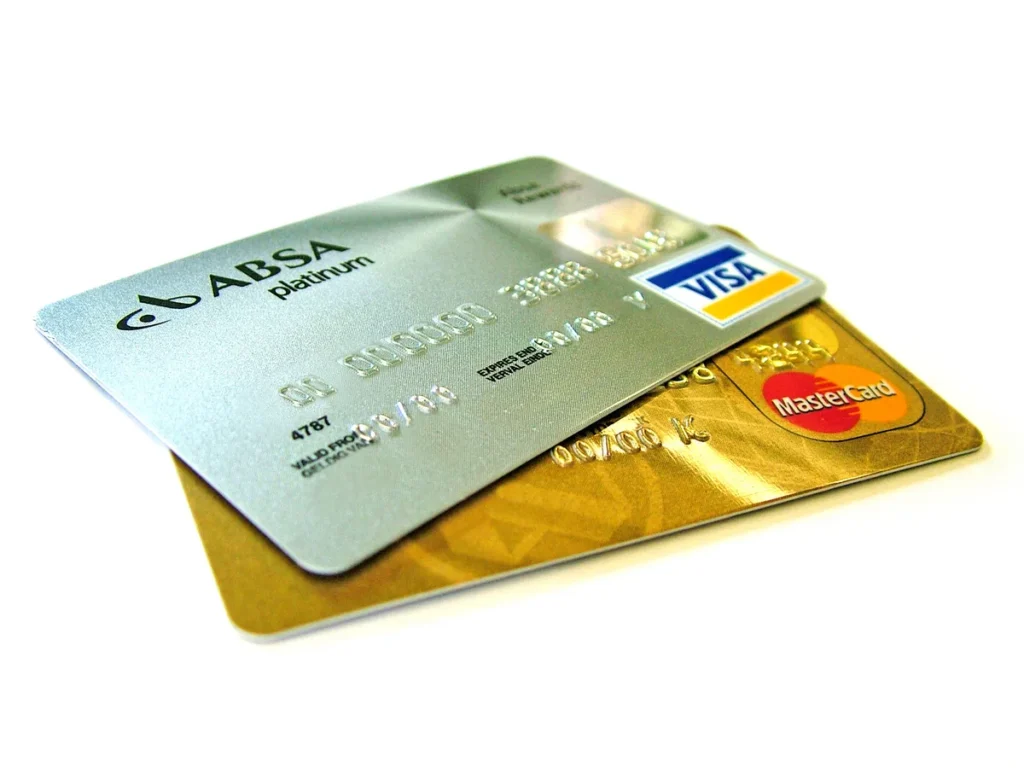
What the Trump Credit Card Interest Rate Cap Would Mean for Your Wallet
The math is the reason this proposal keeps coming back. Researchers who studied Trump’s campaign pledge after it was first announced found that Americans would save roughly $100 billion in interest a year if credit card rates were capped at 10 percent, according to the Associated Press. The same researchers found that while the credit card industry would take a major hit, it would still be profitable, although credit card rewards and other perks might be scaled back.
For one household, the difference is easy to see. A $6,000 balance carried at the median rate of 22.2 percent costs about $1,332 a year in interest. At a 10 percent cap, the same balance would cost $600 a year. That is $732 a year kept in the household budget instead of sent to a card company, and the gap grows with every thousand dollars of balance. About 195 million people in the United States had credit cards in 2024 and were assessed $160 billion in interest charges, the Consumer Financial Protection Bureau says. Americans are now carrying more credit card debt than ever, about $1.23 trillion, according to figures from the New York Federal Reserve for the third quarter last year.
That scale is why the trump credit card interest rate cap is also an affordability story, not only a banking story. The Federal Reserve publishes monthly consumer credit data that tracks how fast card balances are growing, and the figures show balances rising even as rates stay near record highs. Anyone trying to get a grip on their own costs can start by learning how to check your credit score for free, since the rate a card company offers depends heavily on the score it sees. A lower rate on a new card will not fix an old balance, but it can stop the next one from costing as much.
Why the Cap Stalled When Trump First Proposed It
This is not the first time Trump has called for the cap. He proposed capping credit card interest rates in January, as part of the White House’s affordability push. Banks and credit card companies immediately and aggressively opposed the proposal, saying any interest rate cap would force them to cancel cards for poorer and less creditworthy customers or substantially cut back on the rewards they offer when customers spend on their cards.
The proposal also did not sit well with Republicans, and there was little effort by the GOP-controlled Congress to fulfill Trump’s promise. On January 10, Trump posted on Truth Social: “Effective January 20, 2026, I, as President of the United States, am calling for a one year cap on Credit Card Interest Rates of 10%,” Reuters reported at the time. He did not provide details on how the plan would come to fruition or how he planned to make companies comply, and analysts noted that such a step required congressional approval. A president can call for a cap, but only Congress can write it into law.
That gap between a presidential call and a law is the whole story of the January attempt. Trump made the pledge during the campaign for the 2024 election, but the bill never moved. Opposition lawmakers criticized Trump for not having delivered on the promise, and Senator Elizabeth Warren, a Democrat on the Senate Banking Committee, said at the time that Trump’s call was meaningless without a bill being passed by Congress. “Begging credit card companies to play nice is a joke. I said a year ago if Trump was serious I’d work to pass a bill to cap rates,” Warren said.
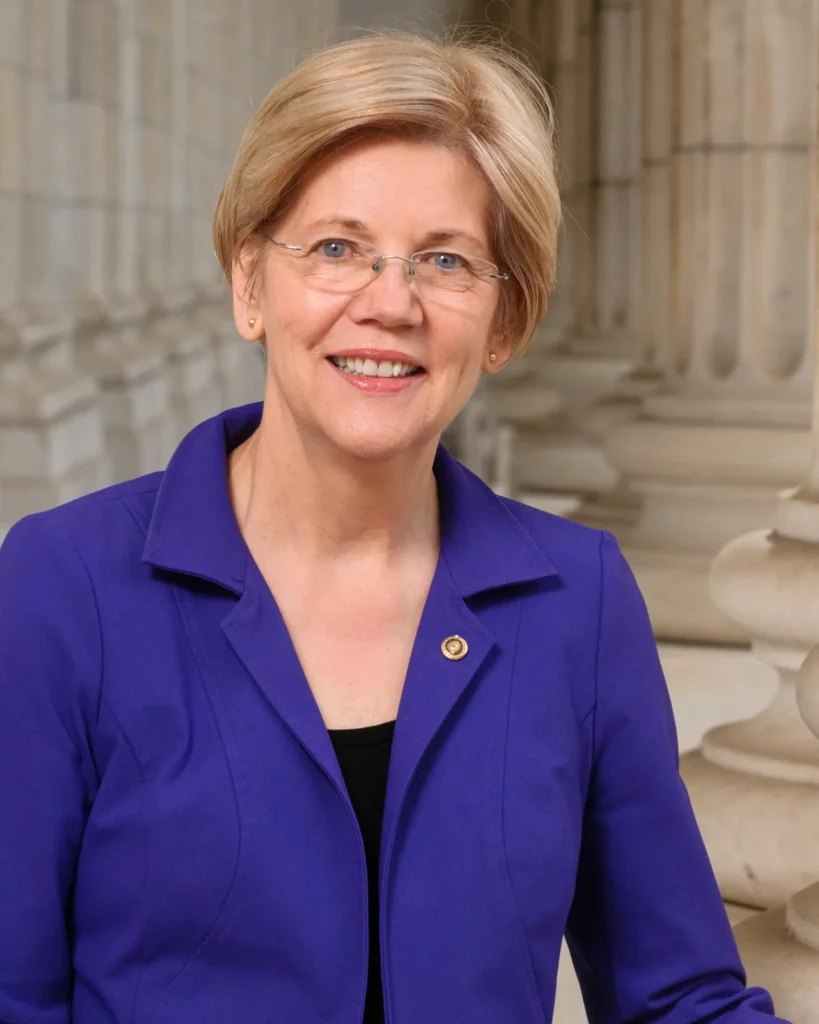
Democrats, Warren and the New Congress
What changed is the Congress itself. Democrats will control both the House and Senate in the incoming Congress, and Senator Warren, who is expected to be the next chair of the Senate Banking Committee, has said repeatedly she wants to cap rates. In response to the Fox News interview, Warren said: “Let’s cap credit card interest rates and save Americans money.”
Other Democrats have endorsed the idea in various ways, including Representative Maxine Waters of California, a powerful Democrat who sits on the House Financial Services Committee. Among Republicans, Senator Josh Hawley of Missouri has proposed several caps on credit card interest rates, as recently as this year when Trump made his proposal. “Congress should pass my bipartisan bill to cap these rates and deliver relief right away,” Hawley said at the time.
The bipartisan history here is longer than most people realize. Senator Bernie Sanders, a fierce Trump critic, and Senator Hawley, a Republican, have previously introduced bipartisan legislation aimed at capping credit card interest rates at 10 percent for five years. In the House, Representative Alexandria Ocasio-Cortez, a Democrat, and Representative Anna Paulina Luna, a Republican, have also introduced a bill to cap credit card interest rates at 10 percent. The trump credit card interest rate cap therefore already has draft bills on both sides of the aisle, which is rare for any proposal in a divided Washington.
The Case Against the Cap
The opposition has not gone away, and it is worth taking seriously. Banks and card companies argue that a 10 percent cap would make it unprofitable to lend to higher-risk borrowers, so those customers would lose their cards or see their credit limits cut. The industry also warns that rewards programs, cash back, travel points and no-fee cards, are paid for by interest charges, and a cap would shrink them. Critics of the idea argue that borrowers pushed out of the card market could turn to more expensive sources of credit, including payday lenders.
The counterargument is in the numbers. The research cited by the Associated Press found that the industry would remain profitable even under a 10 percent cap, because card companies also earn money from the fees merchants pay on every transaction. And the current median rate of 22.2 percent is far above the cost of money to the banks themselves. Supporters say a cap would simply transfer some of the industry’s profit back to households that are paying the most. The debate is really about who bears the cost: cardholders who revolve balances, or shareholders and rewards users.
The stock market correction this month has already put household finances under pressure, and a cap debate landing in the middle of it gives both sides a sharper argument. Supporters will say families need relief now. Opponents will say this is the wrong moment to squeeze lenders. Both arguments will be heard in the Banking Committee.
What Happens Next in Congress
The path from here is straightforward to describe and hard to predict. The incoming Congress takes its seats in January 2027, and Warren is expected to chair the Senate Banking Committee, which is where any cap bill would start. A bill needs 60 votes in the Senate, so Democratic control alone is not enough. Hawley’s support gives the idea a Republican sponsor, and Sanders gives it a progressive one, but the bill still needs a majority that includes members who have taken large donations from the financial industry.
Trump’s own role is the wild card. He has shown he is willing to work with Democrats on this issue, and his public backing gives cover to Republicans who might otherwise vote no. But the same banks that opposed the January proposal will lobby hard again, and the government shutdown December 11 funding fight shows how quickly Congress can run out of time for anything that is not a must-pass bill. A cap bill would have to compete for floor time with funding deadlines and the rest of the affordability agenda.
For households, the practical advice does not change while Congress debates. Pay more than the minimum when possible, because the minimum mostly covers interest at a 22 percent rate. Check the 2026 tax brackets to see whether any refund or credit can go toward the balance. And keep an eye on the Senate Banking Committee’s schedule in January, because that is where the trump credit card interest rate cap will live or die.
Conclusion
Trump’s vow to work with Democrats on a 10 percent cap turns a stalled campaign promise into a live legislative fight. The numbers favor the idea: a median rate of 22.2 percent, $1.23 trillion in card debt, and roughly $100 billion a year in potential savings. The politics are harder, with banks opposed, a 60-vote Senate threshold, and a crowded calendar. But with Warren set to chair the Banking Committee and Hawley already sponsoring a bipartisan bill, the cap has its best chance yet. The next test comes in January, when the new Congress decides whether the promise becomes law.
Frequently Asked Questions
What is the trump credit card interest rate cap?
It is a proposal to limit the interest credit card companies can charge to 10 percent a year. President Trump said on November 21, 2026, that he would work with the incoming Democratic Congress to pass it, reviving a promise from his 2024 campaign and a January 2026 call for a one-year cap.
How much would a 10 percent cap save Americans?
Researchers who studied the proposal found Americans would save roughly $100 billion in interest a year. A household carrying a $6,000 balance at the median rate of 22.2 percent pays about $1,332 a year in interest, compared with $600 at 10 percent.
Can Trump cap credit card rates by himself?
No. A president cannot impose an interest rate cap by executive action alone. Congress must pass a bill, and it would need 60 votes in the Senate. Trump’s January 2026 Truth Social post called for a cap but did not create one.
Who supports the cap in Congress?
Senator Elizabeth Warren, expected to chair the Senate Banking Committee, supports it. Senator Josh Hawley, a Republican, has sponsored bipartisan cap bills with Senator Bernie Sanders, and Representatives Alexandria Ocasio-Cortez and Anna Paulina Luna have introduced a House bill.
What do banks say about the cap?
Banks and card companies say a 10 percent cap would force them to cancel cards for poorer and less creditworthy customers and cut back rewards. Researchers who studied the proposal found the industry would remain profitable under a cap, though rewards might be scaled back.
