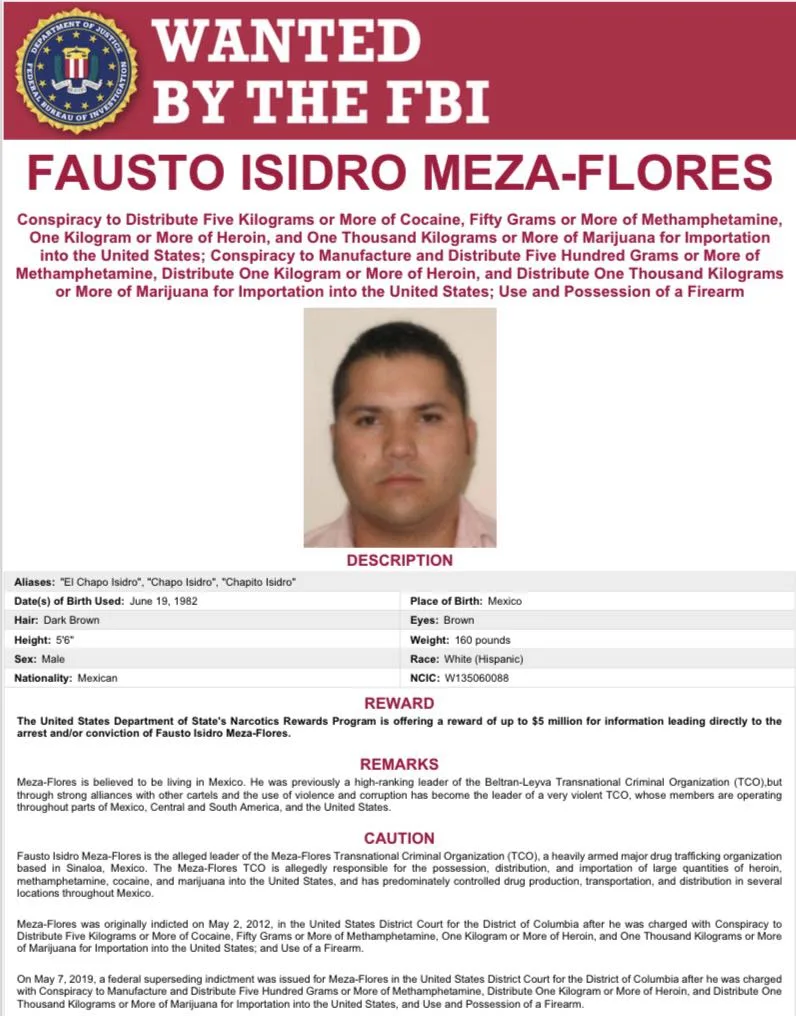
El Chapo Isidro Captured in Mexico Military Operation After Fierce Gunfight
Mexican military forces captured Fausto Isidro Meza Flores, known as “El Chapo Isidro,” on Friday night in the city of Guasave, Sinaloa, ending a manhunt that put him on the FBI’s 10 most wanted list. With El Chapo Isidro captured, Mexico has scored the latest in a string of high-profile cartel arrests, and it came at a heavy cost: 11 people were killed in the gunfight and the violence that followed, including four Mexican soldiers.
Table of Contents
Mexico’s security chief announced the capture on Saturday morning. The operation used elite special forces and American intelligence, and it set off a night of burning roadblocks, gun battles and panic in a city better known for farming than for war. Meza Flores was flown to Mexico City to face prosecutors, while the cartel he led tried to fight its way to his rescue and failed.
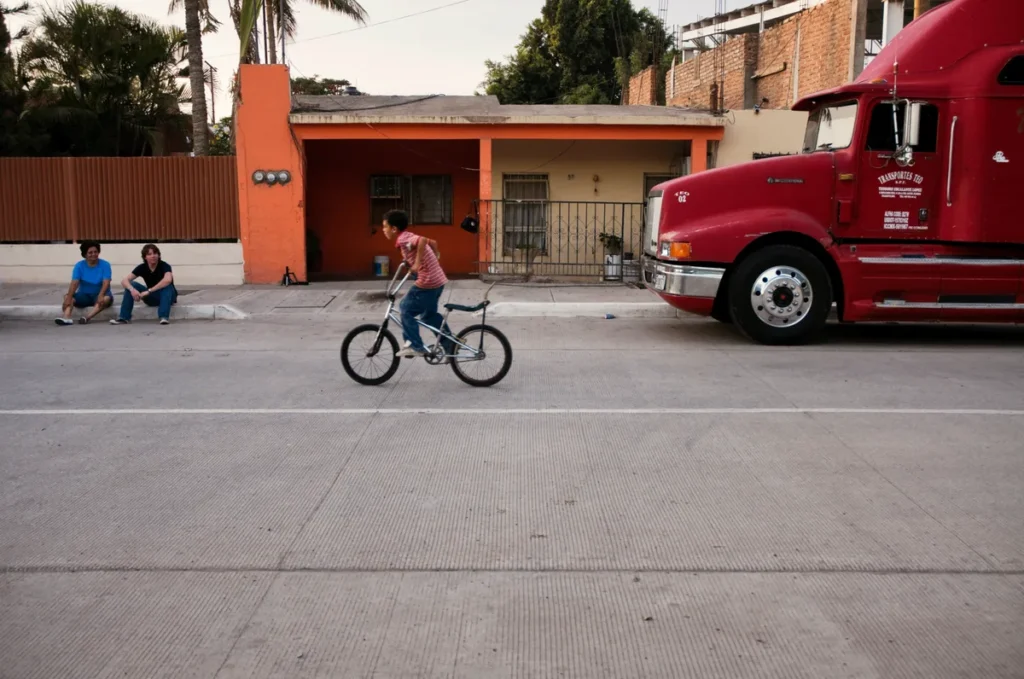
El Chapo Isidro Captured: How the Guasave Raid Unfolded
The raid began on Friday night, when Mexican Army special forces and National Guard units moved on a house in Guasave, in northern Sinaloa state. According to Mexico’s Defense Ministry, the operation was carried out using “stealth and surprise,” and the troops came under attack with gunfire and explosives as soon as they moved in. They entered the house and detained Meza Flores along with his second-in-command, German “N,” known as “Serafin,” and the group’s alleged financial operator, Jose “N.” CNN reported that seven other alleged members of the organization were arrested in the same operation.
Getting the prisoners out took hours. A federal official told the Associated Press that the army and National Guard special forces were unable to extract Meza Flores from Guasave until 4 a.m. on Saturday because of the fighting. He was then flown to Mexico City aboard a Mexican Air Force aircraft to appear before prosecutors.
The violence spread fast. Cartel gunmen set up flaming roadblocks across parts of the city and in nearby towns, and armed clashes broke out between Mexican security forces and cartel members. At Kuroda Park, where the Venados de Mazatlan were playing the Algodoneros de Guasave in a Liga Mexicana baseball game that began at 9:30 p.m. Eastern, fans scrambled out of the stands as gunfire rang out. Footage geolocated by CNN showed players fleeing the field mid-game while announcers told the crowd there was a national security incident. “Get down, duck down, down, down!” one person shouted as people climbed over barriers and a baby was heard crying off camera, CNN reported.
A local resident told CNN that private hospitals had been taken over by armed individuals, and that businesses including convenience stores and gas stations were being set on fire. “I had to take shelter inside some shops that pulled down their security shutters well before closing time,” he said, speaking on condition of anonymity. “People are still trapped inside. Just meters away from where I was, a convoy of heavily armed civilians passed by, firing shots.” Sinaloa’s state government urged Guasave residents to stay indoors and avoid traveling on the roads.
Who Is Fausto Isidro Meza Flores
Meza Flores is 44 years old, born June 19, 1982, in Navojoa, Sonora, Mexico. He was added to the FBI’s Ten Most Wanted Fugitives list on February 4, 2025, as the 533rd fugitive on the list, and the State Department offered a reward of up to $5 million for information leading to his arrest. His FBI wanted poster lists charges including conspiracy to manufacture and distribute 500 grams or more of methamphetamine, five kilograms or more of cocaine, one kilogram or more of heroin, and 1,000 kilograms or more of marijuana for importation into the United States, plus use and possession of a firearm.
He is the alleged leader of the Meza-Flores Transnational Criminal Organization, also known as Los Mazatlecos, based in Sinaloa. The FBI describes the group as heavily armed and responsible for the possession, distribution and importation of large quantities of heroin, methamphetamine, cocaine, fentanyl and marijuana into the United States. For over 20 years, according to the State Department, he and his organization smuggled vast amounts of those drugs into the United States.
The nickname causes confusion, so it is worth clearing up. “Chapo” means “shorty” in Spanish, and Meza Flores is not related to Joaquin “El Chapo” Guzman, the former Sinaloa Cartel leader now serving time in a US prison. The two men were rivals. In a 2013 statement, the US Treasury Department said the Meza-Flores cartel had been involved in “an extremely violent turf war” with the rival Sinaloa Cartel, then led by Guzman. Think tank InsightCrime reports that Meza-Flores has been active in organized crime since the 1990s, first for the Juarez cartel and then for a Sinaloa Cartel affiliate, the Beltran Leyva Organization. Reuters reported that he was considered one of the leaders of the Beltran Leyva cartel, which had reportedly allied with the Los Mayos faction of the powerful Sinaloa Cartel.
The US case against him is built on years of indictments. He was originally indicted on May 2, 2012, in the United States District Court for the District of Columbia, and a federal superseding indictment and arrest warrant followed on November 26, 2019. More recently, the US alleges in a new indictment filed in September 2026 that Meza-Flores imported roughly 6,000 pounds of meth into the US near the border town of Eagle Pass, Texas, in 2022. The new indictment added charges including narcoterrorism and conspiracy to provide material support to a terrorist group, after the US designated the Sinaloa Cartel as a terrorist organization shortly after Trump began his second term. His organization was also linked to the seizure of 20 million counterfeit fentanyl pills in December 2024, the New York Post reported.
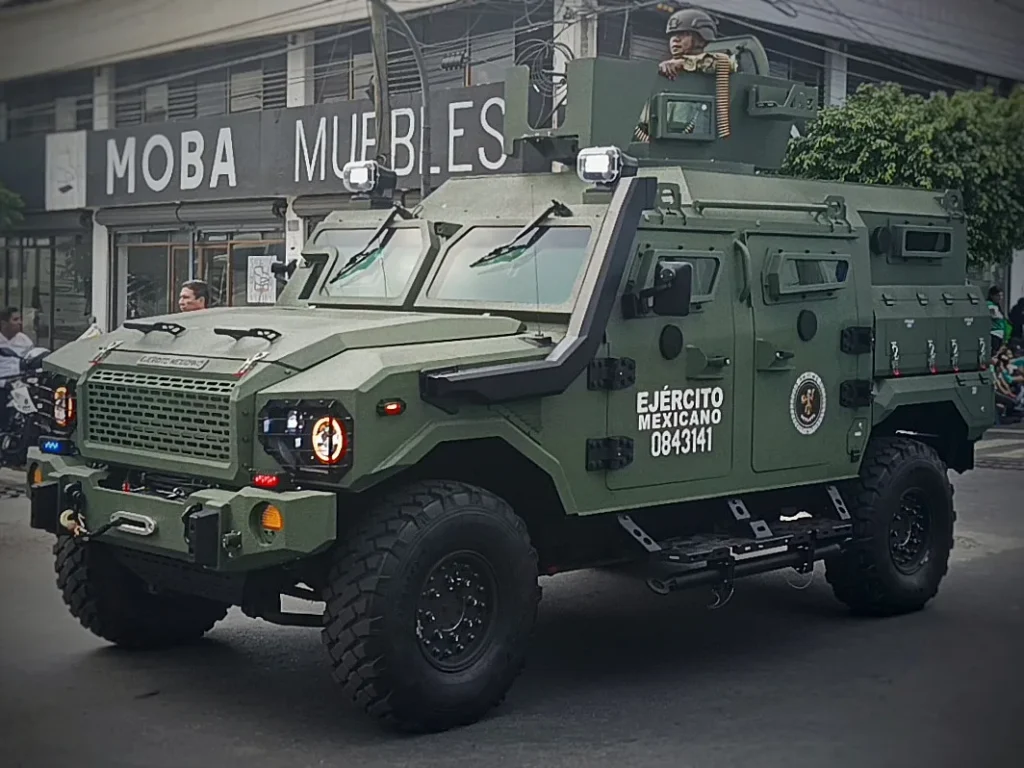
The Mexican Army Operation and the American Role
Four members of the Mexican Army were killed during the operation, along with seven people who allegedly tried to stop authorities from arresting Meza-Flores, Mexican Security Secretary Omar Garcia Harfuch said. That is the 11 killed in total reported by CNN. The Defense Ministry said the operation was carried out with US intelligence, and the US ambassador to Mexico, Ronald Johnson, said in a social media post that “strategic intelligence sharing between the United States and Mexico” was integral to the capture. “Terrorist cartels and criminals will be brought to justice,” Johnson said. “And together we will make both our nations safer.”
The Drug Enforcement Administration called the arrest a “significant blow” to a violent criminal organization and praised the intelligence sharing between the two countries. “The DEA commends the Mexican authorities who carried out this operation,” the agency said in a statement to CNN. US Attorney General Todd Blanche said in a statement: “This successful operation is the result of a bilateral effort to eliminate terrorists in Mexico. We extend our condolences to the families of the elite soldiers who were killed and our gratitude to the Mexican government.”
The American role matters because it is part of a pattern. El Chapo Isidro captured with US intelligence help follows a string of high-profile captures and killings in Mexico as President Claudia Sheinbaum faces pressure from Washington to crack down on the cartels. President Trump has repeatedly threatened to take unilateral military action inside Mexico if Sheinbaum’s administration does not do more. Reuters noted that his arrest comes as Mexico has captured or killed a string of high-profile suspected drug traffickers under pressure from Washington. The FBI had already been hit by a breach of its own crime database this week, a reminder that the US side of the fight has its own vulnerabilities, as covered in our report on the FBI crime database hacked.
Why Washington Wanted Him So Badly
The reason is fentanyl and the border. Meza Flores led an organized crime group controlling much of the border state of Sonora in northwestern Mexico, across from Arizona, and operated along smuggling routes for fentanyl and other narcotics, the Wall Street Journal reported. Sonora is one of the most fought-over corridors on the US-Mexico border, and the group that controls it controls a large share of what crosses into Arizona and beyond.
The Trump administration has treated fentanyl as a national security issue, not only a drug issue, and the September indictment’s narcoterrorism charge shows how far that framing has gone. The US designated the Sinaloa Cartel as a terrorist organization, which gives prosecutors new tools and gives the administration political cover to press Mexico harder. The capture of a man accused of moving thousands of pounds of meth and millions of counterfeit fentanyl pills is exactly the kind of result Washington has been demanding, and it came with the kind of firefight that shows why the demand is so hard to meet.
The pressure campaign has also shaped the trade relationship. Trump has used tariffs as leverage over Mexico on drugs and the border, and the capture lands in the middle of that ongoing standoff, as covered in our report on Trump Mexico tariffs. Sheinbaum can now point to a major arrest. Trump can claim his pressure worked. Both will use it.
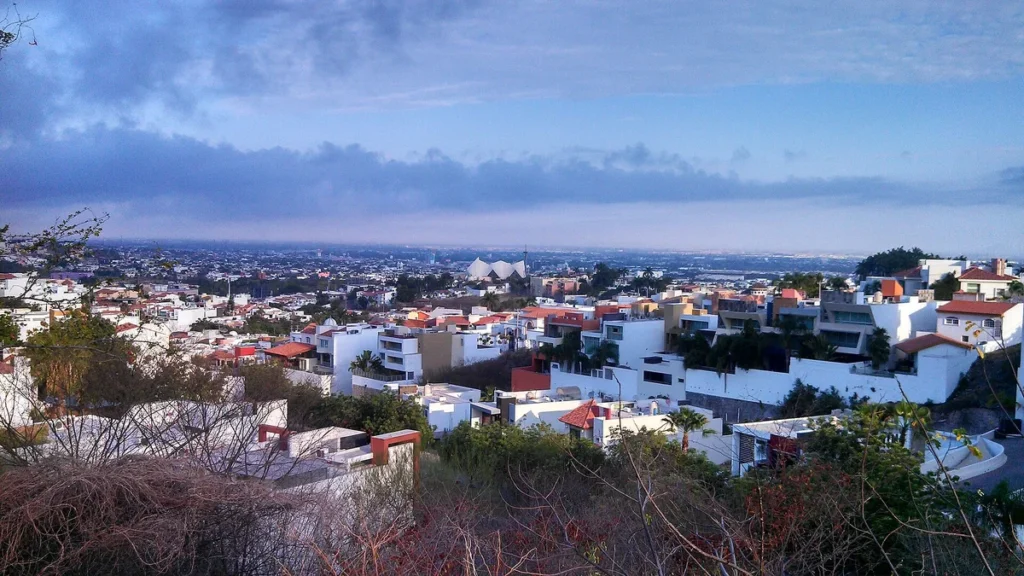
What Happens Next
Meza Flores remains in custody in Mexico, and no extradition date has been announced by authorities. He is wanted in Mexico on charges of organized crime and drug trafficking, according to Mexico’s Defense Ministry, so Mexican prosecutors will move first. The US will almost certainly seek his extradition to face the drug trafficking and firearms charges in the District of Columbia, and the September indictment’s narcoterrorism counts will raise the stakes of that request. Extradition fights for cartel leaders can take months or years, and his lawyers will have every reason to slow it down.
The more immediate question is what happens in Sinaloa. The capture set off a night of violence, and cartel retaliation often continues for days after a leader falls. The roadblocks and the attack on the baseball game show that the organization still has armed men willing to fight in the streets. The Mexican government has deployed an interagency group to restore order in Guasave, and residents were told to stay indoors. If the organization fragments, rival factions may fight over the routes and the money, which is what happened after other big captures. The Trump Xi Putin summit showed how much of Trump’s foreign policy runs through personal pressure on other leaders, and the same dynamic now applies to Sheinbaum: every capture buys goodwill, and every gap invites a new threat.
For the United States, the capture is a win with limits. One kingpin in custody does not stop the flow of fentanyl, and the organization he led will try to replace him. But the FBI’s most wanted list is shorter by one name, a $5 million reward will not be paid out to anyone, and a man accused of flooding American communities with deadly drugs is now in a cell instead of running a cartel. That is what the operation was for.
Conclusion
El Chapo Isidro captured in Guasave is one of the biggest cartel arrests in Mexico in years: a FBI most-wanted fugitive, a $5 million reward, a night of gunfire that killed 11 people and emptied a baseball stadium. The operation showed what US-Mexican intelligence sharing can do, and the violence showed what it costs. What happens next depends on two things: whether Mexico can hold Sinaloa calm, and whether Washington gets the extradition it wants. Both will take time, and both will be watched closely on both sides of the border.
Frequently Asked Questions
Who is El Chapo Isidro?
Fausto Isidro Meza Flores, known as “El Chapo Isidro,” is the alleged leader of the Meza-Flores Transnational Criminal Organization, based in Sinaloa, Mexico. He was on the FBI’s 10 most wanted list since February 2025, with a $5 million reward for information leading to his arrest. He is not related to Joaquin “El Chapo” Guzman.
Where was El Chapo Isidro captured?
He was captured on Friday night, November 20, 2026, in a house in Guasave, Sinaloa, during an operation by Mexican Army special forces and National Guard units using US intelligence. He was flown to Mexico City on Saturday to appear before prosecutors.
How many people were killed in the operation?
Eleven people were killed: four members of the Mexican Army and seven gunmen who tried to stop the arrest, according to Mexican Security Secretary Omar Garcia Harfuch. The violence also forced the suspension of a baseball game at Kuroda Park in Guasave.
What is El Chapo Isidro accused of?
The FBI wanted poster accuses him of conspiracy to import large quantities of methamphetamine, cocaine, heroin and marijuana into the United States, plus firearms charges. A September 2026 indictment also alleges he imported about 6,000 pounds of meth near Eagle Pass, Texas, in 2022, and adds narcoterrorism charges.
Will El Chapo Isidro be extradited to the United States?
No extradition date has been announced. He faces organized crime and drug trafficking charges in Mexico first, and the US is expected to seek his extradition to face federal charges in the District of Columbia, including the new narcoterrorism counts.
