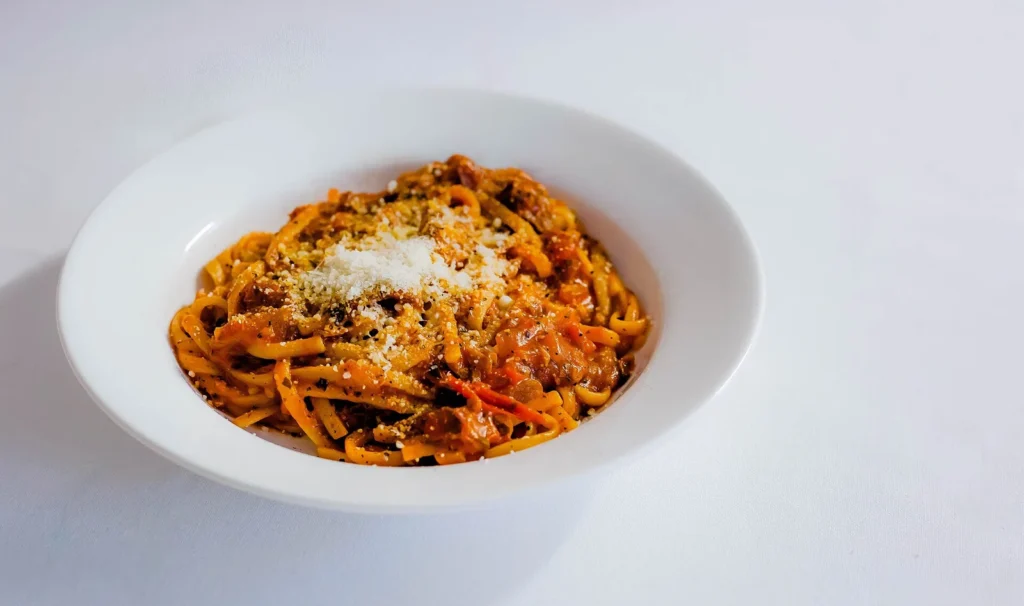
Cook in One Pot: Easy One-Pot Meals for Busy Nights
To cook in one pot means making a whole meal in a single pot or pan, from searing the chicken to simmering the sauce, with nothing else on the stove and one pot to wash at the end. Pasta cooks in its sauce, rice absorbs seasoned broth, and soups and stews build flavor as everything bubbles together. Most one-pot dinners are ready in 30 minutes or less, which is why busy cooks rely on them on weeknights. This guide explains how the method works, which pot to use, five easy meals to start with, and the food safety temperatures that matter.
Table of Contents
What Does It Mean to Cook in One Pot?
One-pot cooking is exactly what it sounds like: the main cooking happens in one vessel, usually a Dutch oven, a deep skillet or a large saucepan. You may still use a knife and a cutting board, but there is no second pan for the sauce, no separate pot for the pasta and no colander in the sink. The ingredients go in one after another, in the order they need, and the meal finishes in the same pot it started in.
The method works because the ingredients help each other. Pasta releases starch into the sauce and thickens it. Rice absorbs broth that has already picked up flavor from browned meat and softened onion. A stew tastes better than its parts because everything has been simmering in the same liquid. It is different from sheet pan cooking, where food roasts in dry heat, and different from a slow cooker, where the pot does the work over hours with almost no attention.
Why One-Pot Cooking Works So Well
The first reason is flavor. When you brown meat in the pot first, the browned bits left on the bottom, called fond, dissolve into the liquid and season the whole dish. Nothing is poured away, so nothing is lost. The second reason is cleanup: one pot, one spoon and one cutting board, instead of a sink full of pans. The third reason is speed. Because everything cooks in sequence in one vessel, most one-pot dinners reach the table in 30 minutes, and the hands-on time is often 10 to 15 minutes.
One-pot meals are also kind to a budget. They suit cheap cuts that turn tender with simmering, pantry staples like pasta, rice, beans and canned tomatoes, and vegetables that are in season. And they fit meal prep for the week well, because most one-pot dishes reheat better the next day, once the flavors have had a night to settle.
The Best Pots for One-Pot Cooking
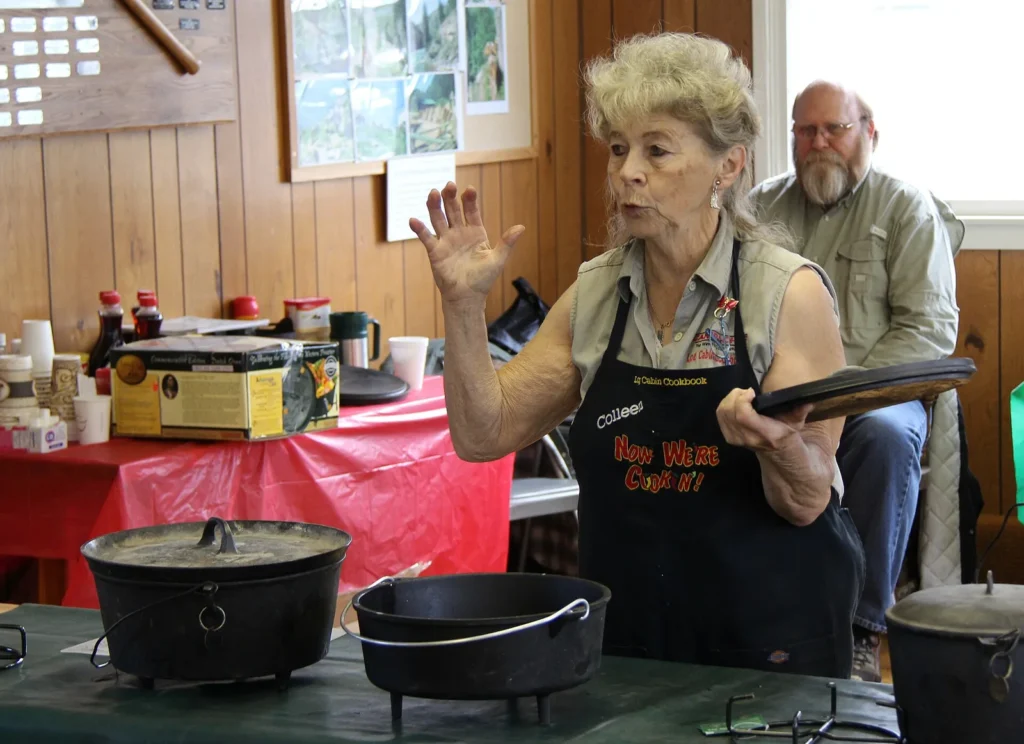
A Dutch oven is the best choice for most one-pot meals: heavy, with a tight lid, big enough for a family dinner, and safe to move from stove to oven. A deep skillet or saute pan with a lid works well for pasta and chicken dishes that need a wide surface for browning. A large saucepan or stockpot suits soups and stews. A slow cooker is the hands-off cousin of one-pot cooking: if you like that style, our pulled pork slow cooker recipe shows how it works. Avoid thin, lightweight pots for anything with rice or pasta, because they scorch before the grains are done.
How to Cook in One Pot: 5 Steps That Work Every Time
Almost every one-pot recipe follows the same five steps. Learn the pattern once and you can cook in one pot without a recipe.
1. Brown the protein first. Heat oil in the pot, sear chicken, beef or sausage until browned, then lift it out and set it aside. The browned bits stay behind, and they are flavor.
2. Soften the aromatics. In the same fat, cook onion, garlic and spices for a minute or two until they smell sweet. This is where the base flavor of the dish is built.
3. Add liquid and scrape the bottom. Pour in broth, water or canned tomatoes and scrape the browned bits off the bottom with a wooden spoon. This step, called deglazing, is what makes one-pot food taste richer than food cooked in separate pans.
4. Layer by cooking time. Add ingredients in the order they need: hard vegetables and rice early, pasta in the middle, quick greens and cheese at the end. Everything should finish at the same moment.
5. Rest before serving. Take the pot off the heat, put the lid on and wait five minutes. The sauce thickens, the rice finishes steaming and the flavors settle. This short rest is the difference between a watery pot and a proper dinner.
5 Easy One-Pot Meals to Start With
These five cover the whole method: a fast pasta, a chicken and rice, a slow stew, a creamy tomato pasta and a soup. Each one serves about four people.
1. One-Pot Garlic Parmesan Pasta, 20 Minutes
Heat olive oil in a deep skillet, cook 4 minced garlic cloves for 30 seconds, then add 12 ounces of pasta, 4 cups of broth and a pinch of salt. Simmer for 10 to 12 minutes, stirring often, until the pasta is tender and the liquid has turned into a light sauce. Stir in half a cup of grated Parmesan and a handful of spinach until it wilts. If you like creamy pasta, our macaroni cheese recipe uses the same one-pan idea with a cheese sauce.
2. One-Pot Chicken and Rice, 35 Minutes
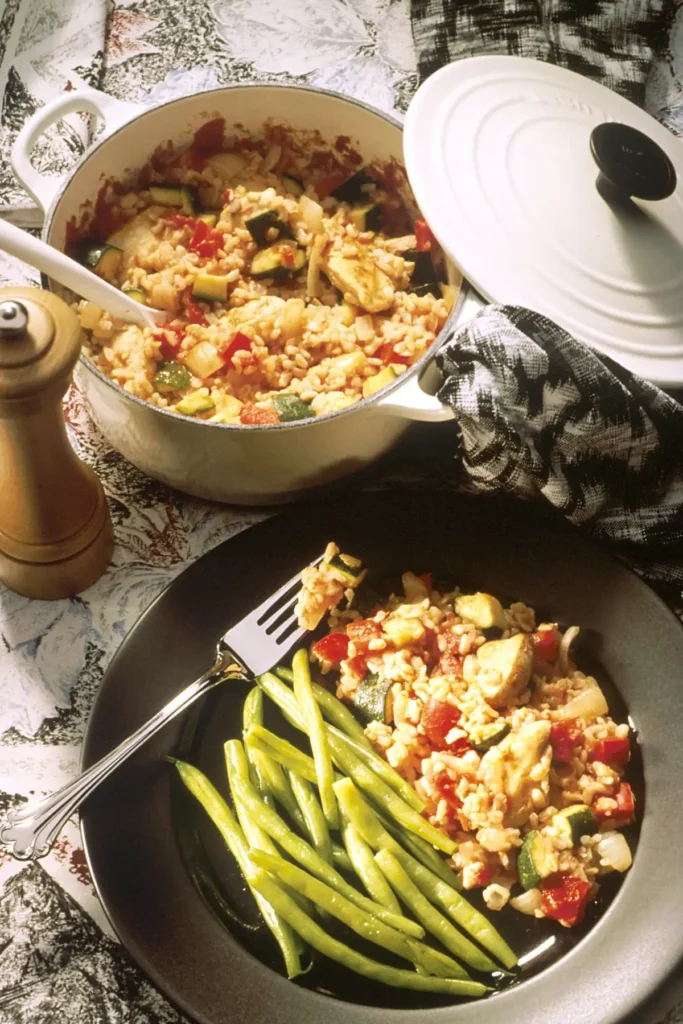
Season 4 chicken thighs with salt and pepper, sear them skin side down in a Dutch oven until golden, then set aside. Cook a diced onion and 2 minced garlic cloves in the same pot, add 1 and a half cups of rice and 3 cups of broth, and scrape the bottom. Nestle the chicken back on top, cover and simmer on low for 20 to 25 minutes until the rice is tender and the chicken is cooked through. Rest for 5 minutes before serving.
3. Hearty One-Pot Beef and Vegetable Stew, 60 Minutes
Brown 1 pound of beef cubes in batches in a Dutch oven, then cook onion, carrots and celery in the same pot. Add 4 cups of broth, a can of tomatoes and a bay leaf, bring to a simmer and cook covered for 40 minutes. Add cubed potatoes and cook 20 minutes more until everything is tender. The long simmer is what makes cheap beef taste expensive.
4. One-Pot Creamy Tomato Basil Pasta, 25 Minutes
Cook a diced onion and 3 garlic cloves in olive oil, add a can of crushed tomatoes, 3 cups of broth and 12 ounces of penne, and simmer 12 minutes until the pasta is tender. Stir in half a cup of cream and a handful of torn basil. The pasta absorbs the tomato sauce as it cooks, so the flavor runs all the way through instead of sitting on top.
5. One-Pot Lentil and Vegetable Soup, 30 Minutes
Cook onion, carrots and celery in a Dutch oven for 5 minutes, add 2 garlic cloves, 1 cup of red lentils, 5 cups of broth and a can of diced tomatoes. Simmer 20 to 25 minutes until the lentils are soft, then stir in spinach and a squeeze of lemon. Lentils are forgiving, cheap and filling, which makes this the best first soup for a new one-pot cook.
Food Safety: The Temperatures That Matter
One-pot cooking is safe and simple, but it still needs a thermometer, because color is not a reliable test. Chicken can look white before it is done, and ground beef can look brown while the center is still undercooked. The US Department of Agriculture sets these safe minimum internal temperatures, measured in the thickest part of the food:
| Food | Safe minimum temperature |
|---|---|
| Chicken, turkey and other poultry, all parts | 165 F (74 C) |
| Ground beef, pork, lamb and veal | 160 F (71 C) |
| Beef, pork, veal and lamb steaks, chops and roasts | 145 F (63 C), then rest 3 minutes |
| Casseroles and leftovers | 165 F (74 C) |
Check the full chart on the FoodSafety.gov safe minimum internal temperature page. Leftovers should be cooled within two hours, kept in the fridge for three to four days, and reheated to 165 F. A $10 instant-read thermometer removes all the guessing.
4 One-Pot Mistakes to Avoid
First, crowding the pot. Too much food at once drops the temperature, so meat steams instead of browning. Brown in batches and the flavor will be far better. Second, the wrong amount of liquid. Pasta and rice need enough liquid to absorb, usually about 3 to 4 cups of liquid per 12 ounces of pasta, and too little leaves crunchy grains. Third, adding everything at once. Ingredients cook at different speeds, so layer them by time or the first ones turn to mush while the last ones stay raw. Fourth, lifting the lid constantly to check. Every lift lets heat and steam escape, which is why rice turns gummy and stews take longer than the recipe says.
Cook in One Pot FAQs
Can you cook pasta in one pot?
Yes. Pasta cooks directly in broth or sauce, absorbs flavor as it softens, and releases starch that thickens the sauce. Use enough liquid, stir often so it does not stick, and taste a piece before you call it done.
What is the easiest one-pot meal for beginners?
Garlic butter pasta or a simple chili. Both take about 15 to 20 minutes, use five or six ingredients, and are hard to get wrong. Start with one of those and the method will click.
Is one-pot cooking healthy?
It can be. You control the oil, the salt and the ingredients, and the method suits lean protein, vegetables, beans and whole grains. The pot itself adds nothing unhealthy: what matters is what goes into it.
How do you store one-pot leftovers?
Cool the pot within two hours, move leftovers to covered containers and refrigerate for three to four days. Reheat to 165 F. Many one-pot dishes taste better the next day, and the leftovers make easy lunches, so keep our easy lunch ideas for work in mind when you pack them.
Conclusion
To cook in one pot, brown the protein, soften the aromatics, add liquid, layer the ingredients by cooking time and rest the pot for five minutes before serving. One heavy pot, five steps and a thermometer are all the equipment the method needs, and the reward is a real dinner with one pot to wash. Start with the garlic Parmesan pasta tonight: it takes 20 minutes and teaches the whole pattern. For the other end of the day, see what to make for breakfast for mornings that need the same kind of simplicity.
