Macaroni Cheese Recipe: Creamy Baked Classic in 45 Min
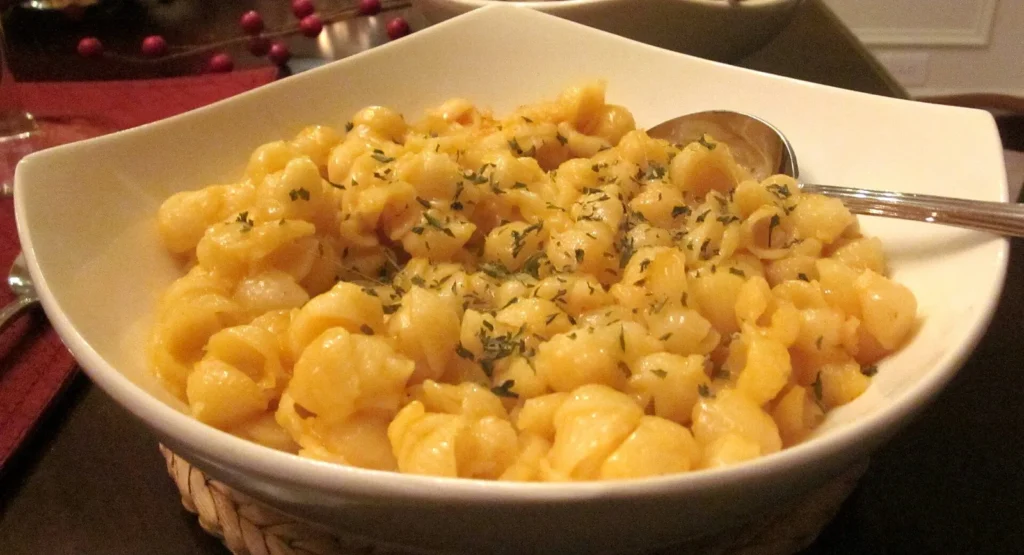
This macaroni cheese recipe makes the baked classic the way it should be: elbow pasta folded into a silky sharp cheddar sauce, finished with a buttery crumb topping and baked until the top turns golden and the edges bubble. It takes about 45 minutes, uses everyday ingredients, and needs no special equipment beyond a pot, a whisk and a baking dish. The recipe below uses a classic roux-based sauce, real sharp cheddar grated by hand, and a short bake that gives the top its crunch without drying out the pasta underneath. Follow the steps and you will get a creamy sauce that coats every piece of pasta, never a grainy or greasy one.
Table of Contents
Why This Macaroni Cheese Recipe Works
The secret is the sauce, and the sauce starts with a roux. Cooking flour in butter first, then whisking in warm milk, builds a stable base that holds the cheese in a smooth emulsion instead of letting it split. That is why this macaroni cheese recipe stays creamy even after baking, while sauces made by melting cheese straight into milk often turn grainy.
Two more details matter. First, grate your own cheese from a block: pre-shredded cheese is coated in anti-caking starch, which dulls the melt. Second, take the sauce off the heat before you add the cheese. Cheese melts gently in warm sauce and seizes in boiling sauce, so a little patience is the whole difference between silky and grainy.
Macaroni Cheese Recipe Ingredients
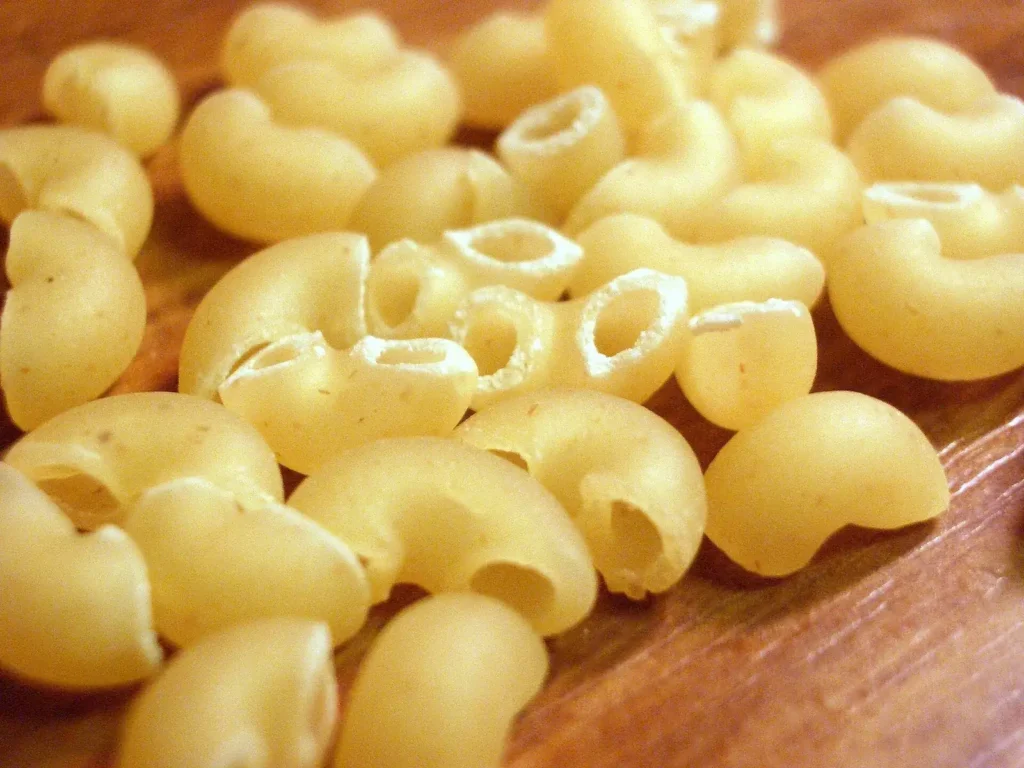
This recipe serves 6 as a main dish or 8 as a side. The quantities below are for a standard 9 by 13 inch baking dish.
| Ingredient | Amount | Notes |
|---|---|---|
| Elbow macaroni | 1 pound | Any short pasta works, but elbows hold sauce best |
| Unsalted butter | 4 tablespoons | For the roux, plus 1 tablespoon for the topping |
| All-purpose flour | 1/4 cup | The roux thickener |
| Whole milk | 3 cups | Warmed, never cold from the fridge |
| Sharp cheddar cheese | 3 cups, freshly grated | The main flavour, grate it yourself |
| Mozzarella cheese | 1 cup, freshly grated | For stretch and a milder melt |
| Mustard powder | 1 teaspoon | Sharpens the cheese flavour without tasting of mustard |
| Salt | 1 teaspoon | Taste and adjust after the cheese goes in |
| Black pepper | 1/2 teaspoon | Freshly ground if you have it |
| Panko breadcrumbs | 3/4 cup | For the golden topping |
| Paprika | 1/2 teaspoon | Optional, for colour on the topping |
How to Make Macaroni Cheese
Step 1: Boil the Pasta
Bring a large pot of salted water to a boil and cook the macaroni for 1 to 2 minutes less than the package directions, because it finishes cooking in the oven. Drain it and set it aside. Do not rinse it: the starch on the surface helps the sauce cling.
Step 2: Make the Roux
While the pasta cooks, melt the butter in a large saucepan over medium heat. Whisk in the flour and cook, whisking constantly, for about 1 minute, until it smells faintly nutty and looks like wet sand. This minute removes the raw flour taste, so do not skip it.
Step 3: Build the Sauce
Pour in the warm milk a little at a time, whisking constantly so no lumps form. Keep whisking as the sauce comes to a gentle simmer and thickens enough to coat the back of a spoon, about 3 to 4 minutes. Stir in the mustard powder, salt and pepper.
Step 4: Melt the Cheese
Take the pan off the heat. Add the cheddar and mozzarella a handful at a time, stirring until each handful melts before adding the next. Keeping the sauce off the heat is the key to a silky finish. Taste and adjust the salt, remembering that cheese is already salty.
Step 5: Combine and Bake
Stir the drained pasta into the sauce until every piece is coated. Tip the mixture into a buttered baking dish and spread it evenly. Mix the panko with the remaining melted butter and the paprika, scatter it over the top, and bake at 375 degrees F for 18 to 20 minutes, until the sauce bubbles at the edges and the top is golden. Rest for 5 minutes before serving.
Baked vs Stovetop Macaroni Cheese
This macaroni cheese recipe is baked, but the same sauce works on the stovetop if you are short on time. Skip the topping and the oven, stir the pasta into the sauce, and serve straight from the pot in about 25 minutes. The stovetop version is creamier and looser, while the baked version is firmer with a crisp golden top.
The Best Cheese for Macaroni Cheese
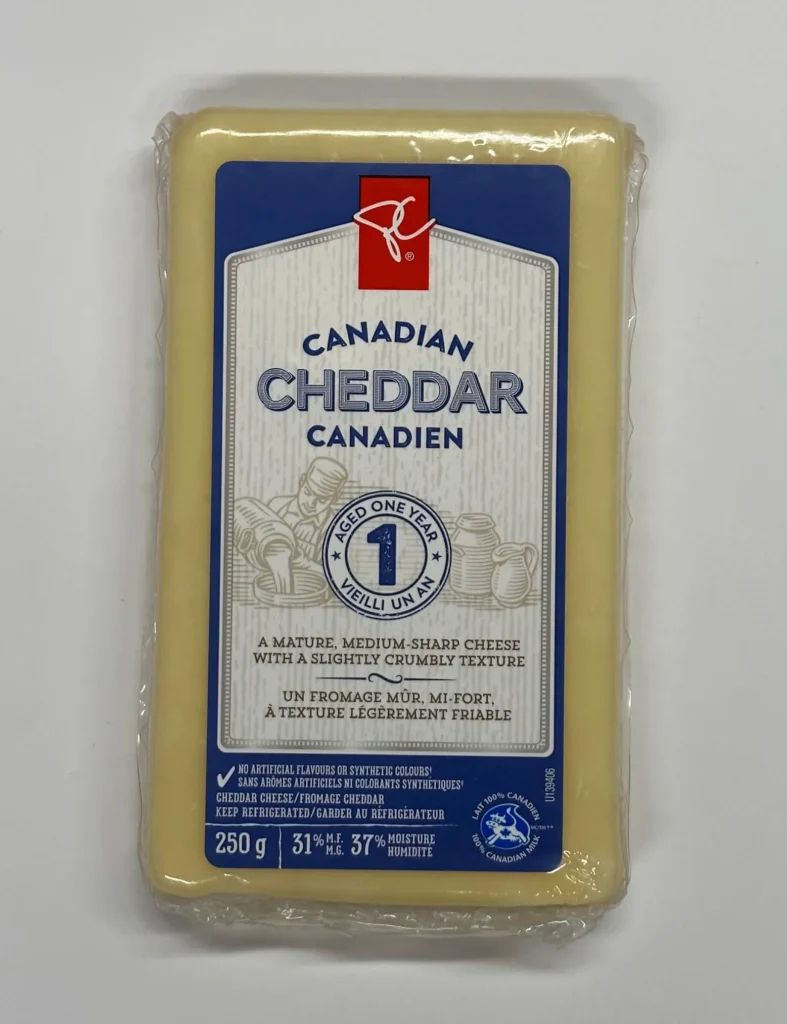
Sharp cheddar is the right base cheese because it brings real flavour. Mild cheddar melts smoothly but tastes flat, so add a little extra mustard powder or Parmesan if you use it.
The best results come from a blend. Sharp cheddar gives the flavour, mozzarella or Monterey Jack gives the stretch, and a little Gruyere adds a nutty depth. Avoid very soft cheeses such as Brie in the main sauce, because they make it greasy, and avoid pre-shredded blends, because the anti-caking coating dulls the melt.
Buy cheese in blocks and grate it yourself. It takes two minutes and it is the single easiest upgrade.
Tips for a Silky, Never Grainy Sauce
Grainy sauce has three usual causes, all easy to avoid. First, heat that is too high: cheese proteins tighten and squeeze out fat when they get too hot, so always melt the cheese off the heat. Second, pre-shredded cheese: the starch coating does not melt cleanly, so grate your own. Third, low-fat milk or cheese: fat carries flavour and keeps the emulsion stable, so whole milk and full-fat cheese give the smoothest result.
If the sauce does look grainy, a splash of warm milk and a minute of gentle stirring can sometimes rescue it.
Storage and Reheating
Leftover macaroni cheese keeps in the fridge for 3 to 4 days in a sealed container. Reheat it in the oven at 350 degrees F, covered with foil, for about 20 minutes, adding a splash of milk to loosen the sauce. The microwave works too, in short bursts with a stir between each one.
For food safety, cool leftovers quickly and refrigerate them within 2 hours of cooking, and reheat until steaming hot all the way through. The four basic food safety steps, clean, separate, cook and chill, are explained on FoodSafety.gov, the US government gateway for safe food handling. For exact nutrition values, search the dish in the USDA FoodData Central database.
Serve it with something fresh to cut the richness: a simple salad or steamed beans. If you want a full comfort-food spread, add the slow-cooked pork from our pulled pork slow cooker recipe. If you are planning the week ahead, our guide on how to meal prep for the week on a budget shows how to build meals like this into a weekly plan, and our list of what to make for breakfast covers the other end of the day.
Frequently Asked Questions
Why did my macaroni cheese sauce turn grainy?
Grainy sauce usually means the cheese got too hot or was added too fast. Melt the cheese off the heat, a handful at a time, and grate your own cheese from a block instead of using pre-shredded cheese.
Can I make macaroni cheese ahead of time?
Yes. Assemble the dish, cover it and refrigerate it for up to 24 hours, then bake it as directed, adding about 10 extra minutes because it starts cold. Add the topping just before baking so it stays crisp.
What pasta is best for macaroni cheese?
Elbow macaroni is the classic choice because its hollow shape holds sauce. Cavatappi, shells and penne all work well too.
Can I freeze macaroni cheese?
You can, for up to 3 months, but the sauce may turn slightly grainy.
Conclusion
A great macaroni cheese recipe comes down to three habits: cook the pasta just shy of done, build the sauce on a proper roux with warm milk, and melt grated cheese off the heat, a handful at a time. Get those right and the rest is flexible: any short pasta, any good melting cheese, baked for a golden top or served straight from the pot. Make it once as written, then adjust the cheese blend and the add-ins until it tastes like yours.