Trump Bought Up to $265,000 in Nvidia Stock Before Jensen Huang Spy Reports
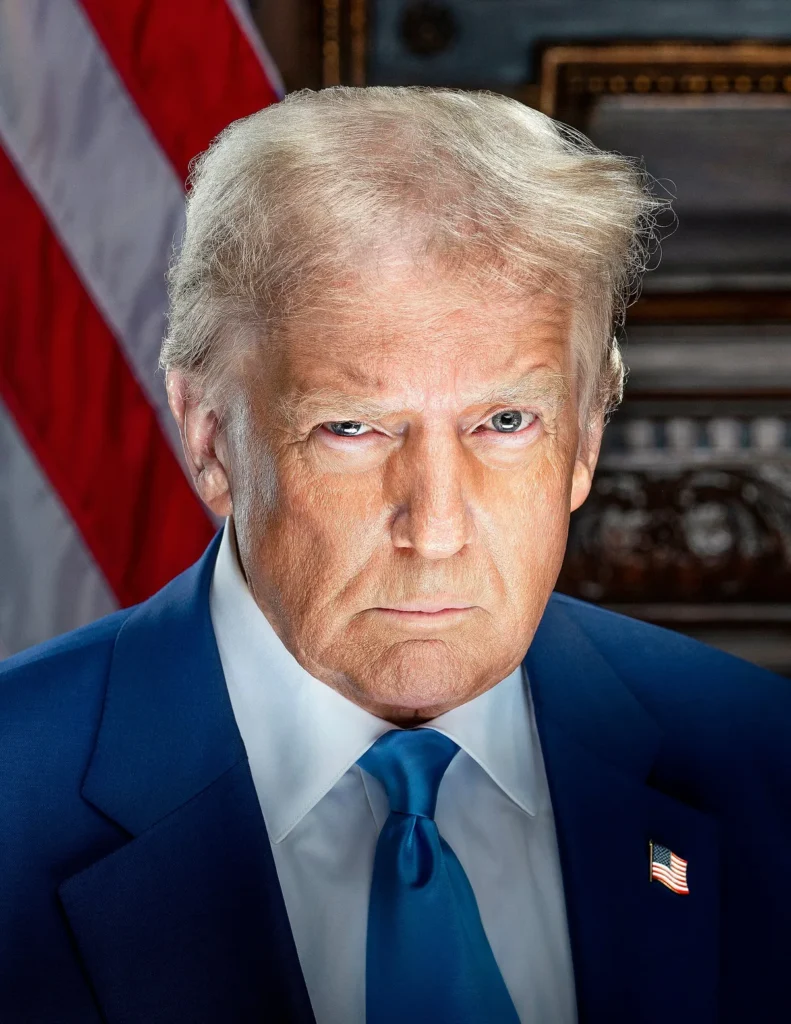
President Donald Trump bought as much as 265,000 dollars in Nvidia stock in September, weeks before reports surfaced about CEO Jensen Huang and his alleged ties to a woman accused of spying for China, according to a financial disclosure released Thursday, November 19. The trump nvidia stock trades, revealed in the president’s filing with the US Office of Government Ethics, have renewed questions from lawmakers about what Trump knew about the scandal and whether his investments create a conflict of interest. The White House says the president has no control over his portfolio, which it says is managed independently by outside financial firms. But the timing of the trades, and the fact that Trump’s administration is now deciding the rules that will shape Nvidia’s future, has put the disclosure at the center of a growing political fight.
Table of Contents
What the Disclosure Shows
The filing, signed by Trump on November 1 and made public by the Office of Government Ethics on November 19, shows that the president bought as much as 265,000 dollars in Nvidia shares in September and sold as much as 15,000 dollars worth of the stock in the same month. The Nvidia trades were among hundreds of transactions the president made in September, and the disclosure covers 751 transactions in stocks, exchange-traded funds and bonds, according to a review by Newsweek.
The September trades followed even heavier Nvidia trading in August. According to Reuters, Trump bought as much as 1.6 million dollars worth of Nvidia shares in August and sold as much as 1 million dollars worth. The disclosure also showed that Trump bought as much as 315,000 dollars in SpaceX stock in September. SpaceX is a US military contractor run by Trump’s former adviser Elon Musk, and it holds billions of dollars in US government contracts, including agreements with the military.
Federal officials disclose the value of their assets only in ranges on their financial disclosure forms, so the exact amounts of Trump’s trades cannot be determined from the filing. The figures of 265,000 dollars and 1.6 million dollars are the top ends of the ranges reported.
The Jensen Huang Scandal Behind the Trades
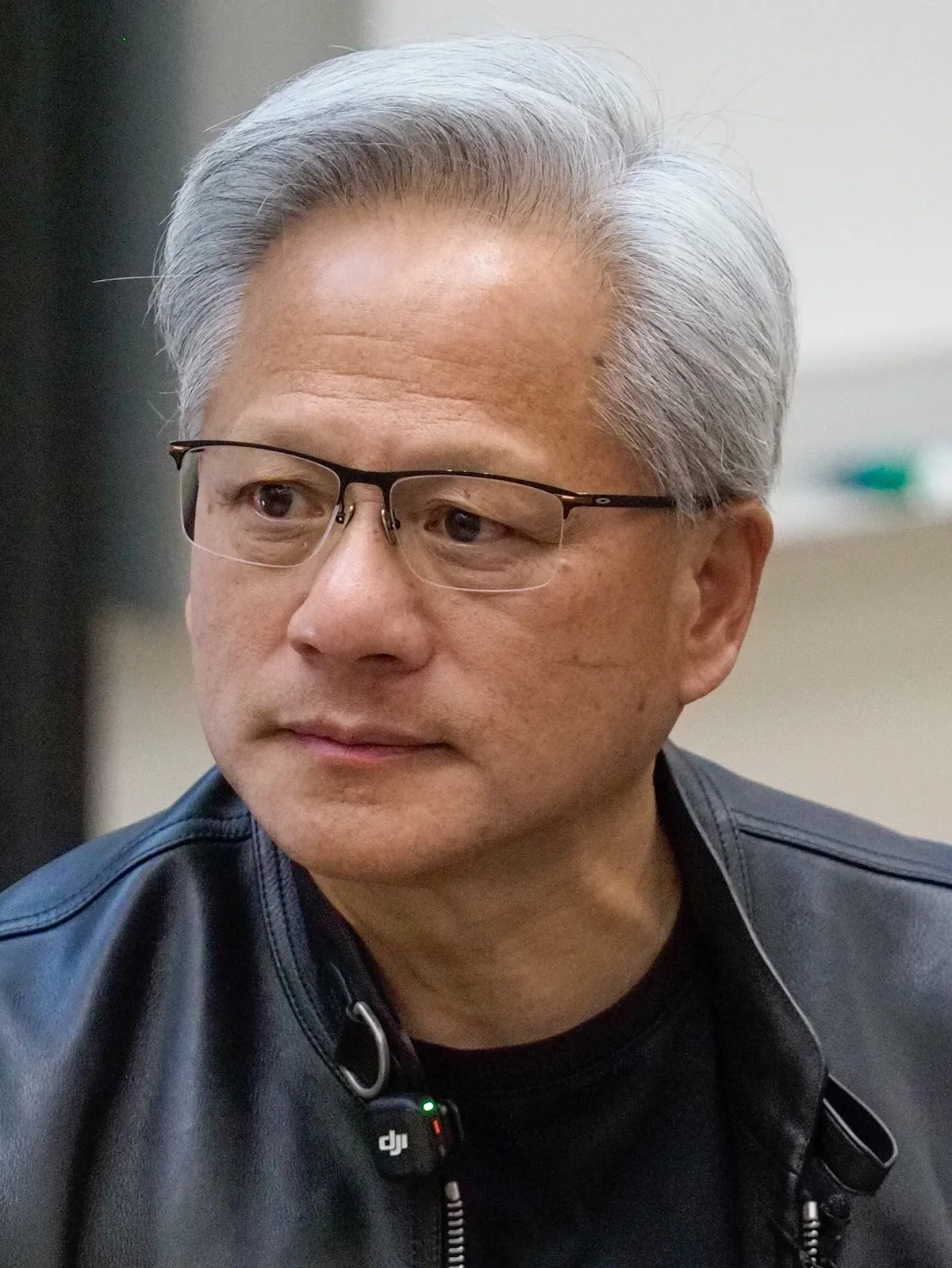
The trades matter because of what happened next. News reports surfaced that Huang had a romantic relationship with a woman accused of spying for Beijing, and the reports prompted Huang to step down as Nvidia’s chief executive on November 12 after acknowledging the affair. Reuters has not independently confirmed that the woman is a spy, and the allegation remains unproven. But the reports have shaken Nvidia, the world’s leading maker of advanced AI chips, and they have raised questions in Congress about what the president knew and when he knew it.
The New York Times reported that Trump had been briefed in 2025 about Huang’s relationship with the woman and about intelligence suggesting she was passing information to the Chinese government, and that he chose not to act on the findings. When questioned about the Times report, Trump said he was “amazed” by the allegations against Huang, who has been among his closest allies in Silicon Valley. On November 16, Trump said of the woman at the center of the reports, “She may not be a spy,” adding, “National security was never at risk. America is stronger now than ever before.”
Lawmakers have continued to press for answers about how much Trump knew about the private life of Huang. California has also subpoenaed Nvidia over its China chip dealings, as covered in our report on California’s subpoena of Nvidia, and a House committee revealed that the US approved nearly 900,000 advanced AI chips for sale to Chinese companies in six months.
The White House Response
White House spokesman Davis Ingle said in a statement that third-party financial institutions independently manage the president’s portfolio and replicate recognised indexes, such as the Schwab 1000. “Neither President Trump nor any member of his family has any ability to direct, influence or provide input regarding how the portfolio is invested or when investments are bought or sold,” Ingle said, according to Reuters.
The White House position is that the trades were made by outside managers following an index, not by the president himself. That explanation has not ended the questions. Ethics experts say the structure of the arrangement does not remove the conflict, because the president still owns the stock and still makes the policies that affect its value. Richard Painter, a former chief White House ethics lawyer under President George W. Bush, told Newsweek that the transactions raise two distinct ethical concerns: a conflict of interest, in that the president or his appointees may pursue policies that increase the value of those stocks, and the risk of trading on the basis of material nonpublic government information.
Why Nvidia’s Future Is at Stake
Nvidia is the world’s leading maker of advanced AI chips, which are widely used to develop cutting-edge AI systems. The US has for years sought to limit China’s access to Nvidia’s most advanced chips, driven by concerns that China could use them to build weapons or superior AI tools. Nvidia executives, including Huang, have argued for broader access to the Chinese market, and Chinese companies and researchers have repeatedly found ways around the US export restrictions.
The policy fight is live right now. On November 16, the Trump administration said it would further limit China’s access to advanced AI chips from companies such as Nvidia by restricting shipments of advanced chips to Southeast Asian countries, which Chinese companies have used to access computing power to train AI models. That decision directly affects Nvidia’s business, and it was made by an administration whose president holds Nvidia stock. Our report on Nvidia stopping H200 chip sales to China explains how the export controls have already reshaped the company’s China business, and our report on Nvidia’s latest earnings shows how much of its growth depends on AI demand. Any change in export policy can move the share price by billions of dollars in a single day, which is why the disclosure matters beyond the politics.
What Happens Next
Congress is pressing for answers about whether Trump knew of the Huang scandal in advance, and disputes over potential conflicts of interest in the Trump family’s financial dealings are expected to continue as chip controls on China and congressional scrutiny persist, according to Reuters. The Office of Government Ethics disclosure is public, and you can read about the agency’s disclosure rules on the Office of Government Ethics website. You can also read the full report on the disclosure for the complete details of the filing. Lawmakers will keep asking what Trump knew about Huang and when, and the administration will keep writing the export rules that decide how much of Nvidia’s business China can reach. The disclosure itself does not prove wrongdoing, and the White House’s explanation may satisfy some critics. But as long as the president owns stock in a company his government regulates, the questions will not go away. Our report on Anthropic’s blockbuster stock market debut shows how closely investors are watching the AI sector right now.
Frequently Asked Questions
How much Nvidia stock did Trump buy?
According to a financial disclosure released on November 19, Trump bought as much as 265,000 dollars in Nvidia stock in September 2026 and sold as much as 15,000 dollars worth. In August, he bought as much as 1.6 million dollars worth and sold as much as 1 million dollars worth. Federal officials report asset values in ranges, so the exact amounts cannot be determined.
What is the Jensen Huang scandal?
News reports said Nvidia chief executive Jensen Huang had a romantic relationship with a woman accused of spying for Beijing. Huang stepped down as chief executive on November 12 after acknowledging the affair. Reuters has not independently confirmed that the woman is a spy. The New York Times reported Trump was briefed about the relationship in 2025 and chose not to act.
Why do the trades raise conflict-of-interest questions?
Ethics experts say the president owns stock in a company his administration regulates, while his government is deciding export rules that shape Nvidia’s future. Former White House ethics lawyer Richard Painter said the concerns are a conflict of interest and the risk of trading on material nonpublic government information.
Conclusion
The trump nvidia stock disclosure shows a president trading heavily in the shares of a company his own government regulates, weeks before that company’s chief executive resigned over a spying scandal. The White House says outside managers made the trades and the president has no say in them. Lawmakers and ethics experts say that does not settle the question, because the president still owns the stock and still sets the policies that move its price. With export controls on AI chips to China being written right now, and with Congress demanding answers about what Trump knew, this disclosure is unlikely to be the last word on the president’s Nvidia trades.
