Dow Plunges 1,100 Points as Anthropic’s Blockbuster Debut Fails to Lift Wall Street
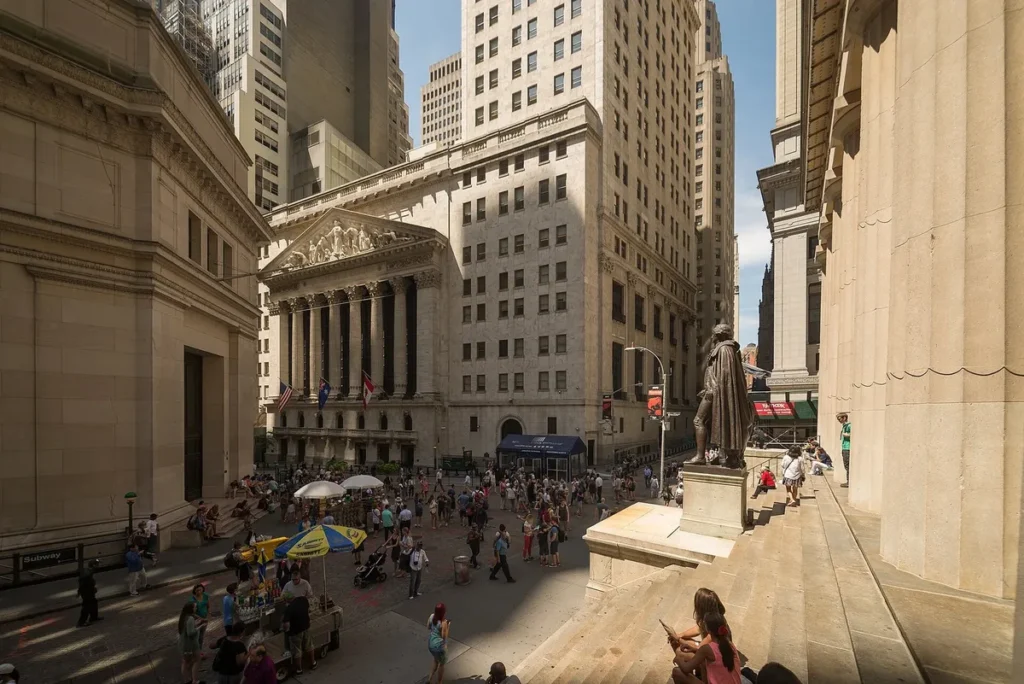
The dow drops 1100 points story unfolded on Thursday 19 November 2026, on a day Wall Street had been waiting for all week. The Dow Jones Industrial Average fell 1,101.11 points, or 2.19 percent, to close at 49,097.06, dropping below 50,000 for the first time in more than four months.
The S&P 500 lost 147.80 points, or 2.02 percent, to 7,175.83, its sixth straight session of losses. The Nasdaq Composite fell 550.68 points, or 2.25 percent, to 23,879.20. The trigger was supposed to be a celebration: Anthropic, the artificial intelligence company behind the Claude assistant, made its stock market debut after the largest initial public offering on record. Instead, the debut faded through the session, and the whole market went down with it.
Table of Contents
Anthropic’s Debut: A Hot Open That Faded
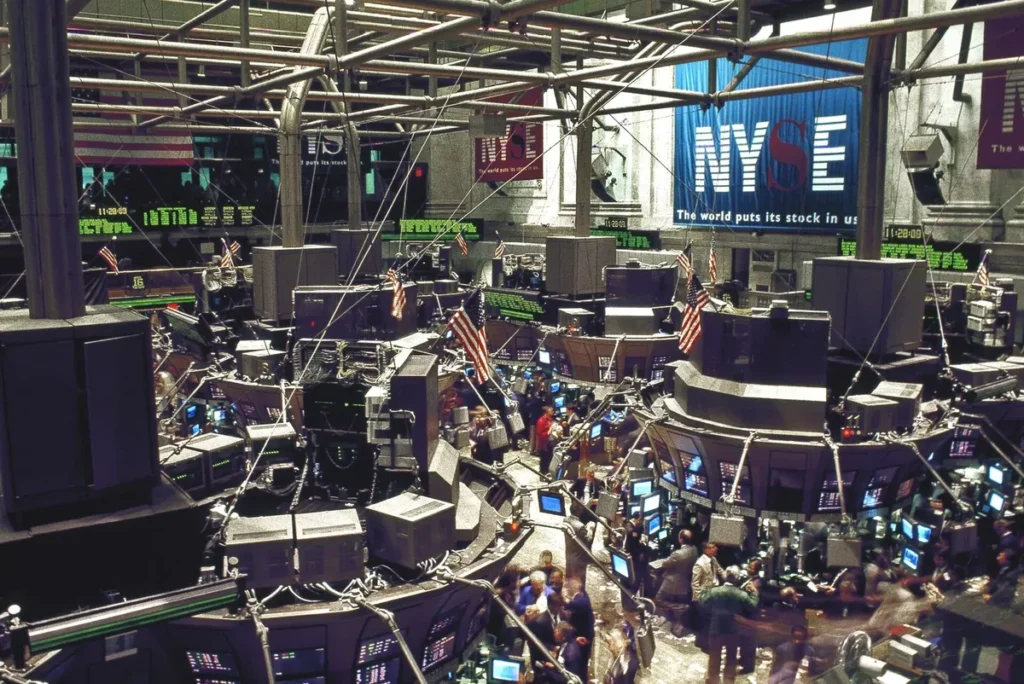
Anthropic priced its shares late on Wednesday at $83 each, above its $70 to $78 range, raising about $81.3 billion in the largest IPO on record. Trading opened shortly before noon on Thursday, and the first trade came in at $111.50 a share, 34 percent above the offer price. The stock quickly rose as high as $115, and the company’s market value briefly passed $2 trillion.
The excitement did not last. Within half an hour, the shares had slipped back toward $97, and by the end of the session they had pared their gains to 17.1 percent above the offer price. According to Reuters, the debut was widely viewed as the next high bar for the AI trade, and it failed to clear it. Our earlier coverage reported the Anthropic IPO pricing at $83 a share before trading began.
Jed Ellerbroek, a portfolio manager at Argent Capital in St. Louis, told Reuters that the IPO was attracting enormous attention, and that the money to buy it had to come from somewhere. “That money is coming from somewhere; investors are making changes in their portfolio to incorporate Anthropic,” he said. His caution points to a simple mechanic behind the sell-off: to buy the biggest IPO in history, investors had to sell something else first.
Dow Drops 1100 Points: What Drove the Sell-Off
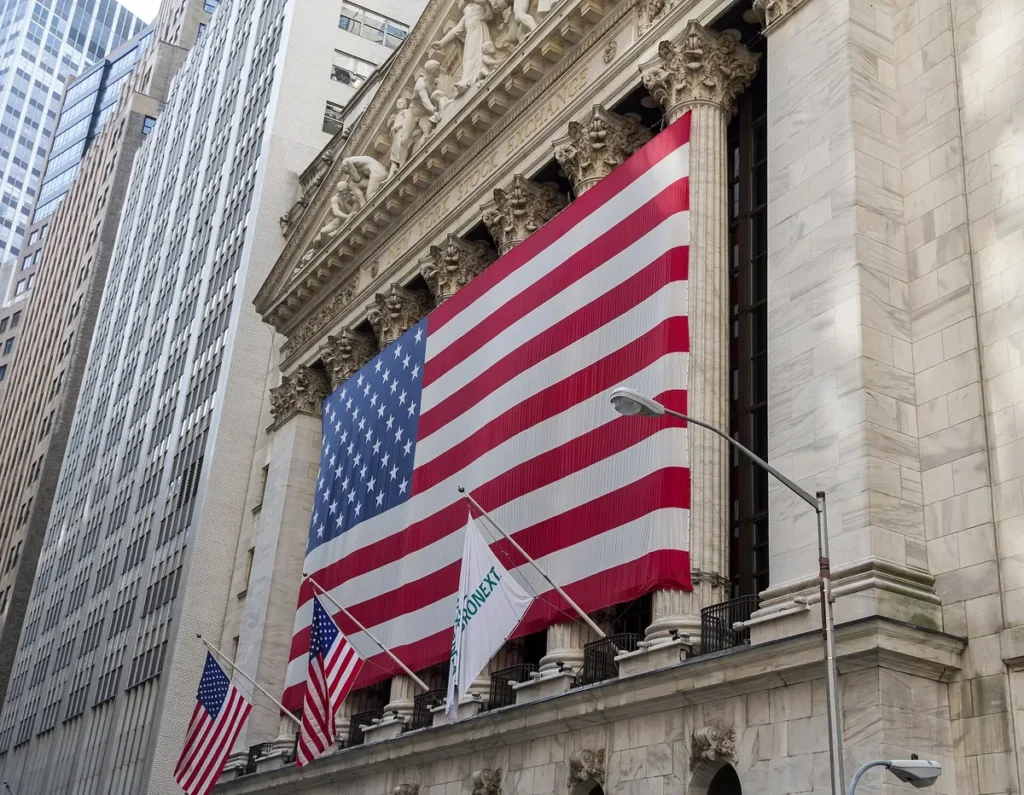
The dow drops 1100 points move was not a single-stock story. All three major US indexes dropped at least 2 percent, and the selling was broad. On the New York Stock Exchange, declining stocks outnumbered advancers by a 4.37-to-1 ratio, with only 21 stocks making new highs against 796 making new lows. On the Nasdaq, 1,057 stocks rose while 3,756 fell. Trading volume reached 20.83 billion shares, above the 19.00 billion average for a full session over the last 20 trading days.
The Dow has now fallen for four straight sessions, losing about 3,000 points since 13 November. The S&P 500 is on course for its steepest weekly decline since April 2025, and it is roughly 8 percent below its October high of 7,845. TalkMarkets reported that the Dow broke below 50,000 for the first time in more than four months, a level traders watch closely. The scale of the drop, and the fact that it came on the day of the biggest IPO ever, is what makes Thursday stand out.
The Fed Factor: Rate Hikes Back on the Table
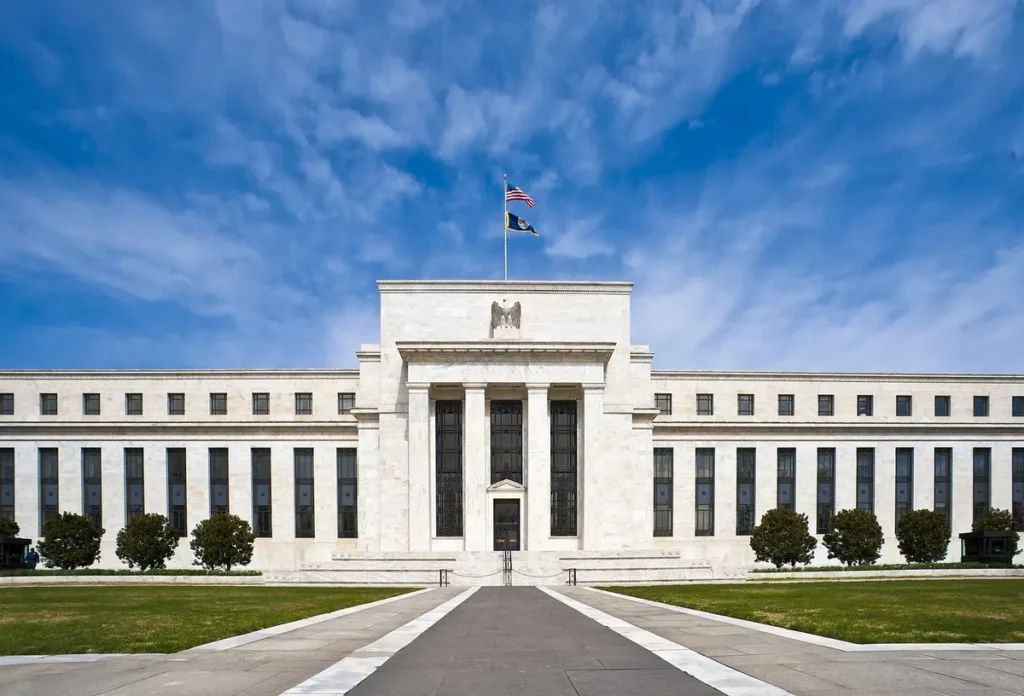
One of those worries is the Federal Reserve. Minutes from the central bank’s October policy meeting, released on Wednesday, showed that almost every official judged further rate increases likely to be appropriate. A couple said a move larger than 25 basis points could be warranted in December depending on the data. Our earlier coverage covered the Fed minutes and the rate hike signal.
Financial markets are now pricing in a 96.4 percent likelihood of a 25-basis-point rate hike at the Fed’s December meeting, with a small chance of a super-sized 50-basis-point increase, according to CME’s FedWatch tool. The minutes also showed officials wanted to rein in inflation even before the latest consumer and producer price reports, which showed price pressures heating up. Next week, the Commerce Department is expected to release its personal consumption expenditures report, which includes the Fed’s preferred inflation gauge. Analysts expect it to show year-on-year core inflation of 3.2 percent, well above the central bank’s 2 percent annual target.
The AI Trade Loses Steam
The second worry is the artificial intelligence trade itself. Nvidia, the chipmaker at the centre of the AI boom, declined 3.3 percent on Thursday, its sixth straight losing session, after its upbeat revenue forecast did little to lift sentiment. The stock has been under pressure since the abrupt departure of chief executive Jensen Huang, which we covered in our report on Jensen Huang’s resignation.
Other AI-linked names fell harder. Advanced Micro Devices tumbled 7.7 percent after the investigative outlet Hunterbrook said its affiliated fund had taken a short position in the company. Micron and Broadcom both dropped 2.1 percent. The Philadelphia Semiconductor Index closed 2.4 percent lower. So-called neocloud firms, which rent out AI computing capacity, were hit hardest of all: CoreWeave dropped 6.1 percent and Nebius slid 9.4 percent. The broader technology sector ended the day down 1.9 percent.
Ellerbroek told Reuters his faith in the AI spending boom has cooled. “My beliefs about the growth in data center capex spending have come down a little bit over the last month or two,” he said. “Nvidia’s crisis situation is a big deal. The midterm elections have had an impact. Data centers are going to be more expensive to build and they are going to be built more slowly.” That is a blunt verdict on the trade that carried the market for two years.
Not everything fell. Palo Alto Networks jumped 6.4 percent after the cybersecurity firm raised its 2027 revenue guidance. Walmart slipped 1.0 percent after the retail giant’s disappointing annual sales forecast. But the winners were the exception. Nine out of every ten S&P 500 stocks traded lower on the day.
What Happens Next
Friday brings two events traders will watch closely. The University of Michigan releases its final consumer sentiment reading for November, and monthly stock and index options expire on the same day, which can add volatility. Anthropic gets its first full session of trading, and the question is whether buyers return now that the first-day rush is over, or whether the stock drifts lower.
Next week brings the PCE inflation report, the number the Fed watches most closely. If core inflation comes in at the expected 3.2 percent, well above the 2 percent target, the case for a December rate hike hardens, and the market’s rough November could get rougher. The S&P 500 has already fallen for six straight sessions, its longest slide in two and a half years, and the Dow is more than 3,000 points below where it stood a week ago.
The dow drops 1100 points day will be remembered as the day the biggest IPO in history could not save the market. Anthropic’s debut was a success on its own terms: a record $81.3 billion raised, a first trade 34 percent above the offer price, and a close still 17 percent higher. But the market around it was selling, not celebrating. The Fed is turning hawkish again, the AI trade is losing momentum, and investors are raising cash instead of chasing growth.
Frequently Asked Questions
How much did the Dow drop today?
The Dow Jones Industrial Average fell 1,101.11 points, or 2.19 percent, on Thursday 19 November 2026, closing at 49,097.06. It was the Dow’s fourth straight daily decline, taking its loss since 13 November to about 3,000 points.
How did Anthropic stock do on its first day?
Anthropic priced its IPO at $83 a share and opened at $111.50, 34 percent higher. It rose as high as $115 before fading, and closed about 17 percent above the offer price, near $97 a share. Its market value briefly passed $2 trillion during the session.
Why did stocks fall if the Anthropic IPO was a success?
Investors had to sell other holdings to raise cash to buy Anthropic shares, which drained money from the rest of the market. The sell-off was also driven by hawkish Federal Reserve minutes pointing to more rate hikes, and by fading confidence in the AI trade after Nvidia’s sixth straight loss.
What did the Fed minutes say?
Minutes from the Fed’s October meeting showed almost every official judged further rate increases likely to be appropriate. Markets now price a 96.4 percent chance of a 25-basis-point hike in December, with a small chance of a 50-basis-point move.
What should investors watch next?
The University of Michigan consumer sentiment reading and monthly options expiry on Friday, Anthropic’s first full trading session, and next week’s PCE inflation report, which the Fed watches most closely.
