Nvidia Stops Selling H200 Chips to China After Huang Exit
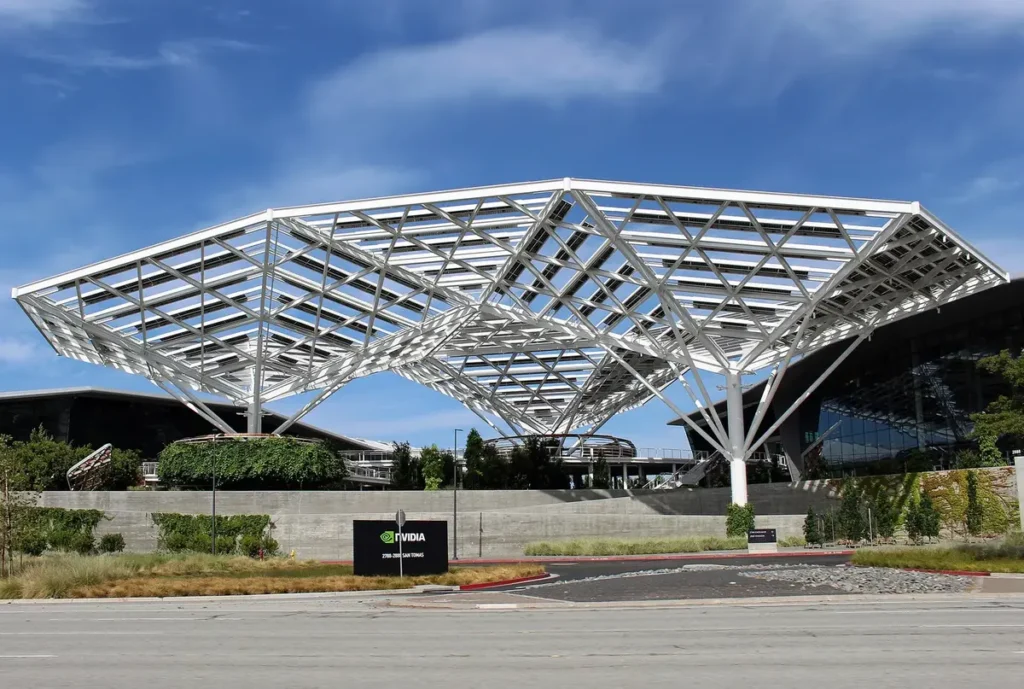
The nvidia h200 chips china story took a sharp turn this week. Nvidia will no longer sell its H200 chips in China, acting chief executive Colette Kress said on Tuesday, November 17, ending the company’s participation in a controversial loophole in the United States ban on the sale of advanced chips to the country. The disclosure came on Nvidia’s first earnings call since co-founder Jensen Huang stepped down last week, and it closes an arrangement that Huang himself had brokered with President Donald Trump.
Kress told analysts that Nvidia sold $2.4 billion worth of licensed Hopper data center products to China in the third quarter, but that the company’s guidance “does not have any licensed Hopper data center products included, and we are no longer shipping licensed Hopper data center products to China.” She did not explain why Nvidia had stopped the shipments or whether the halt would be permanent. The same day, Nvidia announced it was creating a board-level committee to oversee national security policies, export control compliance and global trade risks.
Table of Contents
The Nvidia H200 Chips China Loophole That Huang Built
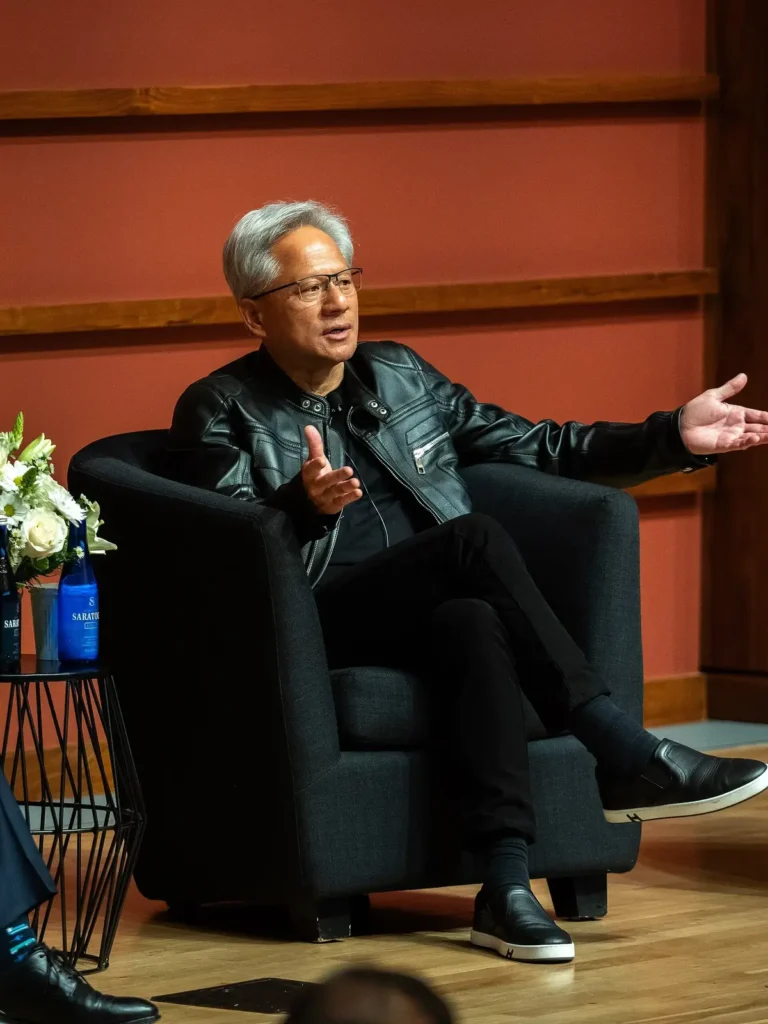
The H200 arrangement was Huang’s work. The H200 is a powerful processor used to train and run advanced AI models, and it is two generations behind Nvidia’s leading Rubin family of chips. Washington had approved H200 sales to 10 Chinese companies, including Alibaba, Tencent and TikTok owner ByteDance, according to Reuters, and the deal routed the chips through the United States so the government could collect a 25 percent tariff. The US eased its licensing policy for H200 chips in January, allowing export applications to be reviewed individually, subject to security conditions.
Even before the nvidia h200 chips china halt, China had largely refused to accept their delivery. Beijing has restricted H200 imports as it seeks to reduce its dependence on American technology and build demand for its domestic chipmakers. Jacob Feldgoise of Georgetown’s Center for Security and Emerging Technology said Beijing would rather build demand for domestic chipmakers than take the American chips. Chinese AI labs have also found other routes to Nvidia hardware: all of China’s leading AI models show evidence of having been trained on Nvidia Grace Blackwell chips that are prohibited from being exported to China.
Huang’s ouster came in part over an affair with the chief executive of a company under investigation for smuggling chips into China. On November 12, the board announced that Huang had stepped down as president, chief executive and director effective immediately, with chief financial officer Kress appointed interim chief executive. The leadership change coincided with new rules, issued on Monday by the US Department of Commerce, barring advanced American chips from foreign data centers that serve Chinese customers remotely. Large international facilities must now certify that they do not serve Chinese customers or risk losing access to Nvidia hardware.
The federal scrutiny runs deeper than the new rules. On Monday, the US Departments of Justice and Commerce confirmed that an investigation into the export-control compliance of Megaspeed, a company linked to the smuggling allegations, began in 2024. Federal authorities subpoenaed Nvidia’s sales records in May 2025, and Nvidia placed Megaspeed on its internal no-sell list the following month.
What the Halt Costs Nvidia

The cost of the decision is where the reporting splits, and none of it attaches a dollar figure to the nvidia h200 chips china halt itself. Investment bank Jefferies forecast that the new export rules could trim between $44 billion and $62 billion from Nvidia’s data center revenue next year. Kress pushed back on that view, saying the backlog of demand for advanced chips like Vera Rubin means the rules would have no impact on the company’s top-line revenue. The fourth-quarter guidance excludes all Hopper GPU architecture data center revenue previously authorized under US approval, and the company said the outlook assumes no data center chip sales to China.
Kress also moved to reassure employees at Nvidia’s first all-hands meeting since the leadership change, telling staff on Wednesday that pay raises would take effect in December, several months earlier than planned, and that equity compensation would increase. The message was aimed at steadying a workforce shaken by the founder’s sudden departure and the national security questions now hanging over the company.
The nvidia h200 chips china halt also fits a wider pattern. The new Commerce rules require buyers of advanced semiconductors from certain countries to secure a license before selling or transferring the chips, and the national security committee Nvidia just created will have the compliance team reporting both to the committee and to the interim chief executive. Huang is also due to appear before a Senate committee alongside Commerce Secretary Howard Lutnick to answer national security questions about Nvidia, as our report on the Huang and Lutnick testimony explains.
Our report on Jensen Huang stepping down as Nvidia chief executive covers the resignation itself, and our report on the new US AI chip export rule explains the Monday rules that closed the China cloud loophole. Nvidia’s latest results are covered in our report on Nvidia earnings beating estimates. Nvidia publishes its own announcements on nvidia.com, and the export control rules are published by the Bureau of Industry and Security.
Frequently Asked Questions
Is Nvidia still selling chips to China?
No. Interim CEO Colette Kress said Nvidia is no longer shipping licensed Hopper data center products, including the H200, to China, and its fourth-quarter guidance includes no Hopper data center revenue from China.
Why did Nvidia stop H200 shipments to China?
Kress did not give a reason. The halt follows Jensen Huang’s ouster, new Commerce Department rules barring advanced US chips from foreign data centers serving Chinese customers, and a federal investigation into chip smuggling.
How much did Nvidia sell to China before the halt?
Nvidia sold $2.4 billion worth of licensed Hopper data center products to China in the third quarter, according to Kress on the earnings call.
What is the H200 chip?
The H200 is a powerful AI processor used to train and run advanced AI models. It is part of Nvidia’s Hopper family and is two generations behind the company’s leading Rubin chips.
Who is running Nvidia now?
Colette Kress, the company’s chief financial officer, is interim chief executive after co-founder Jensen Huang stepped down on November 12. The board has said Huang will not return as chief executive.
Conclusion
The nvidia h200 chips china halt ends one of the most controversial arrangements in the AI trade: a Trump-approved loophole that let Nvidia sell advanced chips to China through the United States for a 25 percent tariff. Kress says the Vera Rubin backlog will cover the lost revenue, Jefferies says the new rules could cost tens of billions, and Beijing had largely stopped taking the chips anyway. What is certain is that Nvidia’s China business, built by Huang and ended days after his exit, is now closed, and the company’s future depends on demand everywhere else.
