
Trump Weighs New Iran Strikes as Netanyahu Pushes for 4-7 Day Campaign
Trump Iran strikes are back on the table. President Donald Trump is considering another round of extensive military strikes against Iran as Israeli Prime Minister Benjamin Netanyahu pushes for a swift and aggressive joint campaign lasting four to seven days, according to a New York Times report published Wednesday, November 18, 2026, citing US and Israeli officials briefed on the discussions. Trump has not reached a decision, the officials said, as he weighs new intelligence on Iran’s military capabilities. The report comes as American warships, fighter aircraft and bombers mass across the Middle East and oil prices climb on fears of a wider war.
Table of Contents
What Netanyahu Is Asking For

According to the Times, Netanyahu, who remains prime minister of Israel’s caretaker government following last month’s elections, has been pressing Washington to join Israel in a four- to seven-day campaign of intensive airstrikes against Iran. The talks intensified last week when Mossad director Roman Gofman visited Washington for meetings that included CIA Director John Ratcliffe. Other senior Israeli security officials, including military intelligence chief Major General Shlomi Binder, have also advocated renewed military operations in discussions with their American counterparts.
A senior Israeli official disputed the claim that Netanyahu had pressured Trump, while a spokesperson for the prime minister said Netanyahu had always acted to ensure Israel’s security. The disagreement over how to describe the talks is itself a sign of how sensitive the discussion has become.
The discussions on Trump Iran strikes have exposed deep divisions within the Trump administration over the reliability of the intelligence and whether another major military confrontation would be advisable. The debate comes after midterm elections in which American voters expressed frustration over a war that has driven up prices and failed to deliver the swift victory Trump promised when fighting began on February 28. People familiar with Trump’s thinking told the Times that he is particularly sensitive to criticism that the United States effectively lost the war. One American official argued that renewed military action was unnecessary because the economic blockade was already damaging Iran’s economy, but stressed that Trump retained every option to prevent Tehran from obtaining nuclear weapons.
The Intelligence Trump Is Weighing
Trump is considering Israeli warnings that Tehran has successfully rebuilt parts of its missile and drone arsenals and is advancing its chemical and biological weapons programs. Israeli officials have emphasized what they describe as the range of threats posed by Tehran, particularly its alleged chemical and biological weapons capabilities. Israeli officials contend that Iran retains significant capabilities that could threaten countries across the region or be used in terrorist attacks against the United States and Europe.
They have also raised the possibility that Iran could equip drones with chemical or biological agents and use them to attack Israel or neighboring countries. Israel has also shared intelligence with Washington alleging that Iranian operatives planned to use chemical agents against senior American officials. One person briefed on the intelligence said that a threat of this kind was connected to a decision in recent weeks to move Treasury Secretary Scott Bessent from his home to a military facility.
American intelligence agencies have also identified indications that Iran is stepping up efforts to strengthen its chemical and biological weapons capabilities. However, the prevailing assessment among US intelligence officials is that Tehran is developing those capabilities primarily as a deterrent against American or Israeli nuclear weapons use or large-scale attacks on Iranian infrastructure and civilians, rather than preparing to launch preemptive attacks.
Trump addressed those concerns overnight when asked about a separate report alleging that Iran was planning to detonate a radioactive dirty bomb in Washington. The president said there were indications that Tehran was examining biological weapons and chemical agents after its nuclear capabilities had been disabled. He suggested that the situation could become clearer after January 1. Asked whether residents of Washington should be concerned, Trump said he did not believe so, but warned that the United States would destroy Iran if such an attack occurred. Our report on the reported Iranian dirty bomb plot covers what remains unconfirmed, and our report on Iran threats to Americans covers the intelligence chief’s warning to Congress this week.
Trump Iran Strikes: The Military Buildup in the Gulf
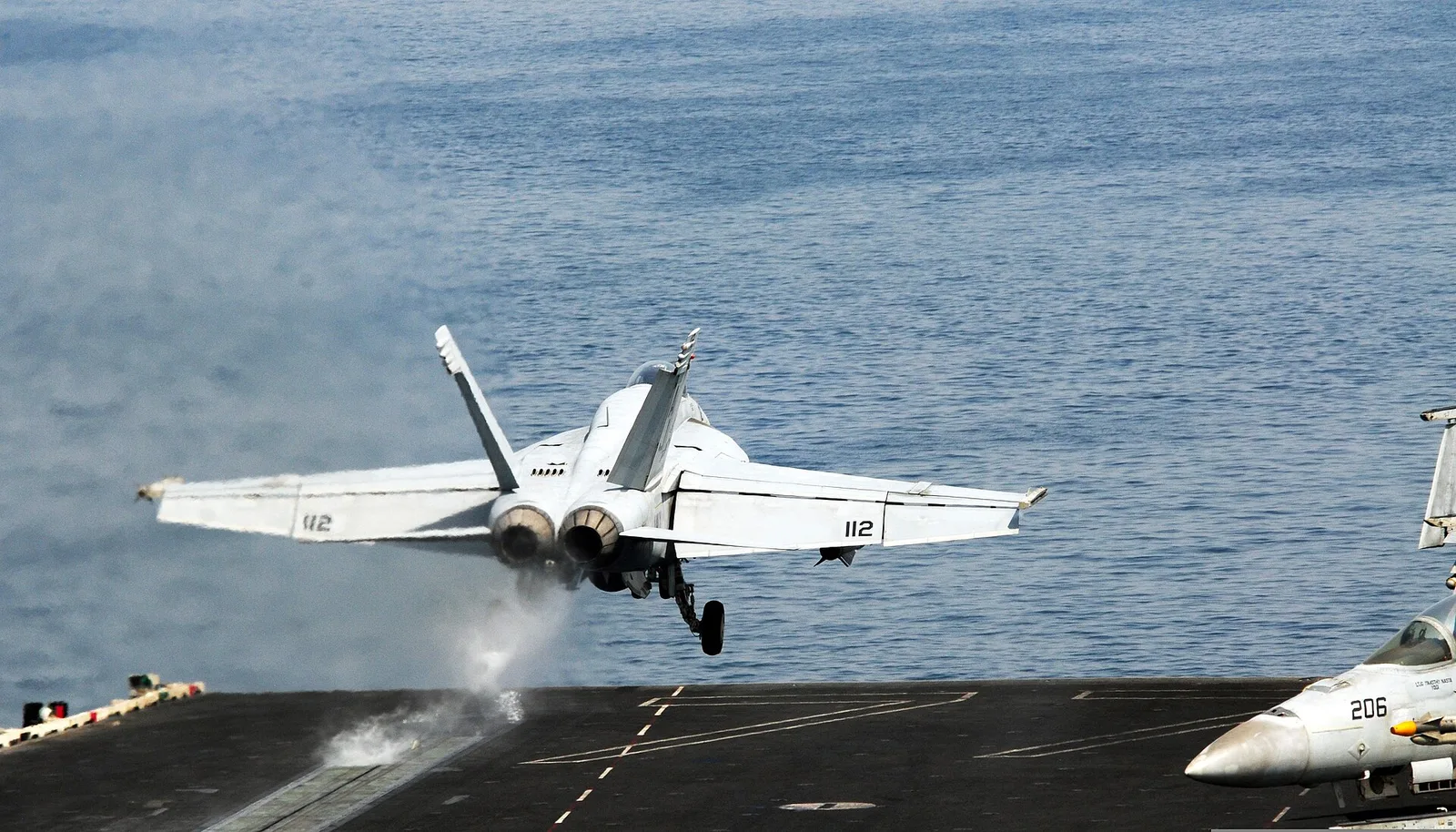
The president, currently in China for a historic trilateral summit with Chinese President Xi Jinping and Russian President Vladimir Putin, is also considering the substantial American military presence in the Middle East, which could provide an opportunity for renewed Trump Iran strikes. The aircraft carrier USS Theodore Roosevelt recently entered the US Central Command’s area of responsibility, adding to the forces already deployed near Iran.
For a brief period this week, three American aircraft carriers operated in the region, a concentration of naval power seen only once before since the 2003 Iraq War. The USS Theodore Roosevelt joined the deployment before the USS George Washington departed for the Pacific, leaving the Roosevelt and USS George H.W. Bush as the two carriers operating in the region. The United States has continued building up its military forces across the Middle East, positioning warships, fighter aircraft and bombers for a potentially short but intensive campaign against Iran’s missile and drone capabilities and energy infrastructure, should Trump authorize renewed Trump Iran strikes.
Military officials also told the Times that the Pentagon and State Department had withdrawn some personnel from American bases and facilities across the region as a precaution against a possible escalation. The United States has also recently transferred an additional Patriot air defense battery to Israel to strengthen its missile interception capabilities. American military planners could also deploy fighter and attack aircraft already stationed across the Middle East, along with B-1 and B-2 bombers based in the United States. The long-range bombers have reportedly been maintained on 96-hour readiness for potential missions against Iran.
Defense Secretary Pete Hegseth and Joint Chiefs of Staff Chairman General Dan Caine have presented Trump with several military options developed for Trump Iran strikes in recent months by Admiral Brad Cooper, the commander of US Central Command. Cooper visited Israel on Wednesday and met IDF Chief of Staff Lieutenant General Eyal Zamir and Mossad director Gofman. The Pentagon declined to comment on the military preparations, citing operational security considerations. The CIA also declined to comment.
What the Targets Would Be
According to military officials, any renewed Trump Iran strikes would likely focus on Iran’s missile and drone arsenals, much of which the Islamic Revolutionary Guard Corps has rebuilt since the previous phase of fighting. Other potential targets include Iranian energy facilities and Revolutionary Guard command-and-control headquarters.
Israeli military planning for Trump Iran strikes has gone further, encompassing additional attacks on Iranian nuclear facilities and extensive strikes against critical infrastructure, including energy production and electricity transmission systems serving both industry and civilian populations. Such attacks could leave large numbers of Iranians without power. Trump has not yet agreed to those targets, according to people familiar with the discussions.
Trump has delivered conflicting messages about the war in recent months. At times, he has declared that the conflict is over, while on other occasions he has threatened further Trump Iran strikes to ensure Iran never develops a nuclear weapon. More recently, he instructed Vice President JD Vance to abandon efforts to negotiate a diplomatic settlement, appearing to favor continued economic pressure on Tehran instead.
Iran, for its part, has hardened its negotiating position since the midterm elections, according to a separate New York Times report on Tuesday, citing US, European and Iranian officials. Tehran has drafted plans to escalate, including possible attacks on tankers in the Strait of Hormuz, to force Washington back to the negotiating table. Iran demands sanctions relief and payments from Arab countries before restoring unrestricted shipping, while Washington insists attacks on vessels must stop before financial concessions are granted. Oil prices rose after the Times report on Wednesday, with Brent crude trading near 93 dollars a barrel.
Our report on Iran’s attack on the US base in Kuwait covers the latest Gulf escalation, and our report on the US strike on Qeshm Island explains the fighting that preceded it. President Trump’s Asia trip, including the China summit, is covered in our report on Trump landing in China. Official statements from the White House are published at whitehouse.gov, and defense updates are published by the Department of Defense.
Frequently Asked Questions
Is Trump going to strike Iran again?
No decision has been made on Trump Iran strikes. The New York Times reported on November 18 that Trump is weighing another round of extensive strikes, with Netanyahu pushing for a four- to seven-day campaign, but officials said Trump has not decided.
What would the strikes target?
A renewed American offensive would likely focus on Iran’s rebuilt missile and drone arsenals, energy facilities and Revolutionary Guard command centers. Israel has proposed going further, hitting nuclear facilities and power infrastructure, but Trump has not agreed to those targets.
How many US carriers are near Iran?
Two carriers are currently operating in the region, the USS Theodore Roosevelt and the USS George H.W. Bush. For a brief period this week, three carriers were in the region, a concentration seen only once before since the 2003 Iraq War.
Why is Netanyahu pushing for strikes now?
Israeli officials say Iran has rebuilt its missile and drone arsenals and is advancing chemical and biological weapons programs. Netanyahu has pressed Washington to join a swift, intensive campaign of Trump Iran strikes before Iran grows stronger.
What does Iran want in negotiations?
Iran has hardened its position since the US midterm elections and demands sanctions relief and payments from Arab countries before restoring free shipping through the Strait of Hormuz, while Washington insists vessel attacks must stop first.
Conclusion
The Trump Iran strikes decision comes at a moment of maximum pressure: Netanyahu pushing for a four- to seven-day campaign, American carriers massed in the Gulf, bombers on 96-hour readiness, and oil prices climbing on every headline. Trump has not decided, and the divisions inside his administration over the intelligence and the wisdom of another round of fighting are real. What happens next depends on whether the president chooses Trump Iran strikes,, continued economic pressure, or a return to diplomacy, and the answer could come before the new year.
