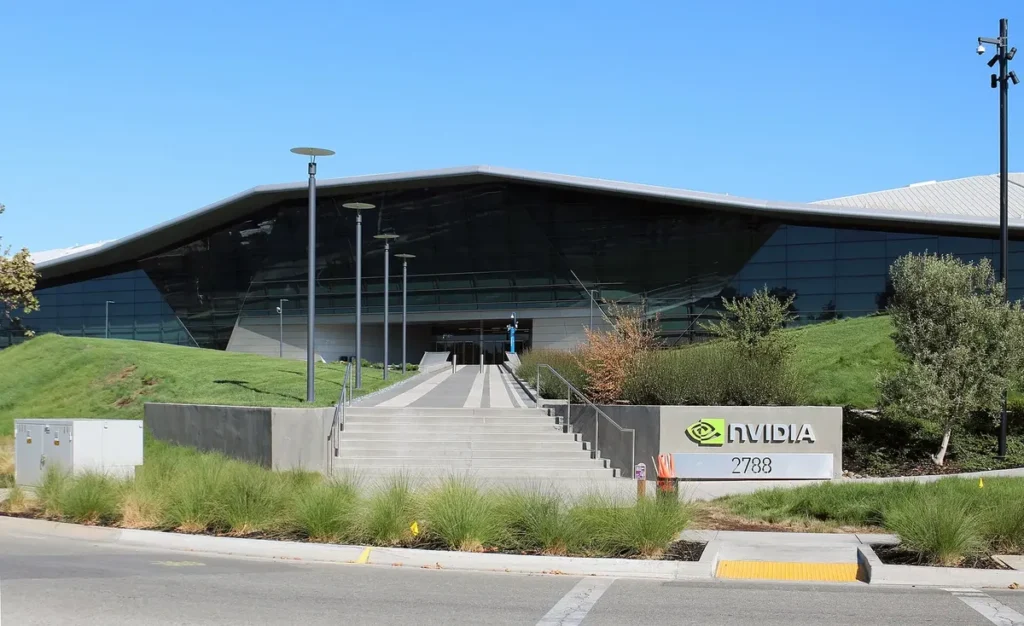
Nvidia Earnings Beat Estimates as Revenue Doubles to $115.8 Billion
Nvidia earnings delivered a clear beat on Tuesday, November 17, 2026, when the chipmaker reported third quarter fiscal 2027 revenue of $115.8 billion, more than double the figure from a year earlier and well above what Wall Street expected. The report was the first since co-founder Jensen Huang resigned as chief executive on November 12, and it gave investors their first hard evidence that demand for Nvidia chips has held up through the most turbulent week in the company’s history. Shares rose in after-hours trading after the Nvidia earnings numbers came out, reversing some of the slide that had hit the stock in the days since Huang stepped down.
The headline Nvidia earnings numbers were strong across the board. Revenue rose 103 percent from a year earlier and 20 percent from the prior quarter, beating the $109.1 billion average estimate from analysts polled by LSEG. Adjusted earnings reached $2.68 per share against an expected $2.48, while earnings under standard accounting came in at $2.70 per share. Net income reached $65.3 billion, more than double the $31.9 billion reported a year earlier. It was the seventeenth straight quarter in which Nvidia topped Wall Street’s revenue expectations, according to Reuters.
Table of Contents
Nvidia Earnings Beat Wall Street Estimates
The details behind the headline show just how far ahead of its own forecast Nvidia ran. In August, the company had guided third quarter revenue to $108.0 billion, plus or minus 2 percent. The actual figure of $115.8 billion came in about $7.8 billion above that midpoint, the widest gap in dollar terms in the last five quarters. The quarter covered the three months ended October 25, 2026, and the results were released at 4:20 p.m. ET, after the New York market closed, with the earnings call starting at 5 p.m. ET.
The scale of the beat matters because Nvidia had become the market’s main test of artificial intelligence spending. Nvidia and other AI stocks led Tuesday’s market losses before the report, as investors weighed the leadership change and new limits on China chip access. The Dow fell 848.75 points, or 1.64 percent, to 50,759.42. The S&P 500 fell 1.03 percent to 7,340.53, its lowest close since late July, and the Nasdaq fell 0.74 percent. A forecast above estimates suggests customer demand held up through the shake-up, at least for now.
Profitability also came in ahead of expectations. Gross margin under standard accounting was 74.8 percent, up from 73.4 percent a year earlier, and the adjusted gross margin of 74.9 percent beat the 74.1 percent analysts expected, despite soaring memory prices and the cost of ramping up new products. Nvidia also returned cash to shareholders, buying back stock and paying dividends worth $28.1 billion in the quarter, with about $227.3 billion left on its buyback authorization.
Data Center Revenue Powers the Beat
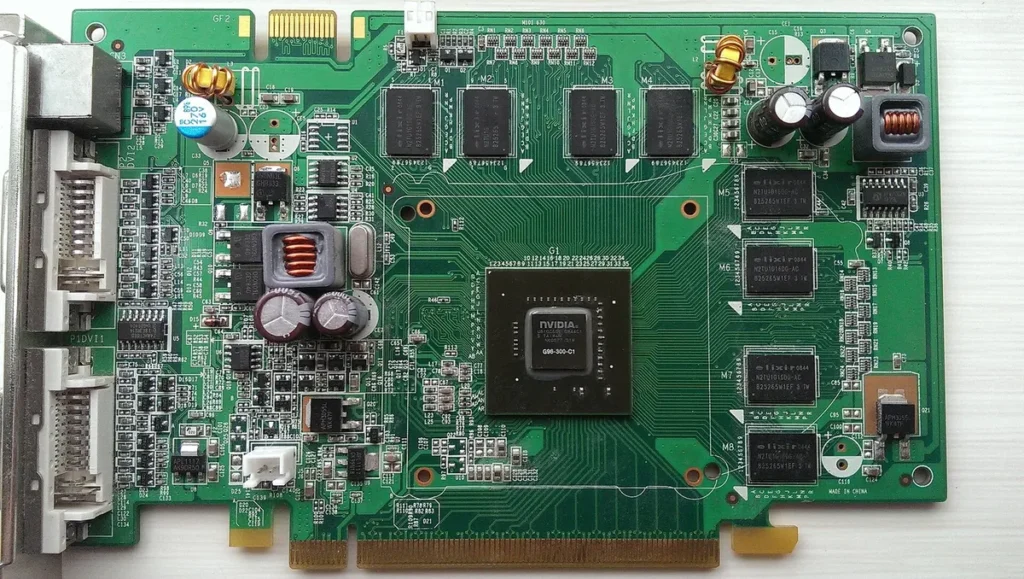
Data center revenue, the chips and systems Nvidia sells to cloud companies and AI labs, reached $107.6 billion in the quarter, up 110 percent from a year earlier and about 93 percent of all revenue. Within that total, sales to hyperscale customers reached $60.1 billion, up 71 percent, while sales to AI clouds and industrial and enterprise customers reached $47.5 billion, up 195 percent, according to the company’s chief financial officer commentary. Our earlier report on the new US rules on AI chip exports explains the trade limits that now shape this business.
The quarter also gave investors their first read on Vera Rubin, Nvidia’s newest generation of AI processors and the successor to Grace Blackwell. Nvidia said it has begun shipping its Vera Rubin NVL72 rack systems, calling it the fastest product ramp in the company’s history. In August, the company had said Vera Rubin would account for about a fifth of data center revenue in the October quarter. The ramp matters because the next generation of chips is supposed to carry growth as the current Blackwell line matures.
Looking ahead, Nvidia guided fourth quarter revenue to $130 billion, plus or minus 3 percent, above the $125.25 billion average estimate from LSEG. The forecast quarter includes an extra week, with 14 weeks instead of the usual 13, and the company said the outlook assumes no data center computing revenue from China. Gross margin for the quarter is expected at 71 to 72 percent, a step down of roughly three percentage points from the third quarter, which some analysts flagged as the one soft spot in an otherwise strong report.
First Report Without Jensen Huang
The Nvidia earnings numbers arrived in the middle of a leadership crisis. Huang resigned on November 12, ending 33 years as chief executive, after disclosing personal behavior that the board described as inconsistent with the company’s code of conduct. Colette Kress, the company’s longtime chief financial officer, stepped in as interim chief executive while keeping her finance role. Our report on Jensen Huang’s resignation has the full background on his departure.
Board chair Harvey Jones opened the earnings call by closing the door on a return. “The Nvidia board unanimously accepted his resignation and does not intend to reinstate Jensen as CEO,” Jones said, according to NBC News and other outlets, and he said he would not take questions about the departure. Hours earlier on Tuesday, Huang had said he would be “honored” to return if the board decided it was in shareholders’ interest, and a growing “Stand With Jensen” campaign among supporters had complicated the search for a successor.
Kress used the call to steady the message. “It’s business as usual. We’ve engaged with our customers, we’ve engaged with our suppliers, our partners. They’re all 100 percent behind us,” she said, according to CNBC. She also raised the company’s outlook for the fiscal year ending January 2028, saying Nvidia now expects revenue to grow about 75 percent, up from the 70 percent it forecast in August. Leadership from Taiwan Semiconductor Manufacturing Co, which makes Nvidia’s chips, was in the office and “fully engaged in helping us,” she added.
The board is considering internal and external candidates for the permanent job and has hired executive search firm Heidrick and Struggles to help. “We want to install the CEO, the permanent CEO, as quickly as possible, but we won’t expedite the CEO before finding exactly the right person,” Jones said. The board also created a committee on national security and export controls on Tuesday, its first major governance move since Huang’s departure, as scrutiny grows over the chipmaker’s national security role. Washington has also tightened licensing rules for chip shipments to Southeast Asia and overseas data centers serving Chinese firms. For the longer story, read our report on whether Jensen Huang could return.
What the Guidance Means for Investors
The stock reaction to the Nvidia earnings showed relief mixed with caution. Nvidia shares closed the regular session at $155.46, down about 0.4 percent, then rose 4.5 percent in extended trading after the report, according to Reuters. Even after the jump, the shares were down about 17 percent for the year through Tuesday’s close, valuing the company at roughly $3.8 trillion. The shares had fallen 24 percent so far in November before the report, according to CNBC, as investors priced in the leadership shock and the new China rules.
Analysts were split on how much the quarter settles. “It’s no surprise that they’re doing very well, and there’ll be people who will breathe a sigh of relief about it,” said Rick Meckler, partner at Cherry Lane Investments, according to Reuters. “But the story here is very complicated, and it’s hard not to factor that in as an additional risk for people buying stock.” Anshel Sag, principal analyst at Moor Insights and Strategy, called the outlook “quite positive, albeit not as ambitious as in previous quarters,” adding that he did not think anything near term would be affected by Huang’s departure because the executive team had executed effectively for years.
The open questions now are who becomes permanent chief executive, what the board’s independent investigation finds, and how much the new Commerce Department rule on chip rentals will cost Nvidia. Investors are also watching whether the next chief executive continues financing customers, a practice critics call circular, and whether the company keeps its commitments of billions of dollars to cloud providers, suppliers and AI startups. The earnings call itself was notably shorter than usual, ending in under an hour without Huang, a sign of how much the company’s public face has changed in a week. See our stock market today coverage for how the wider market reacted.
Frequently Asked Questions
What were Nvidia’s Q3 fiscal 2027 earnings?
Nvidia reported revenue of $115.8 billion for the third quarter of fiscal 2027, which ended October 25, 2026, up 103 percent from a year earlier. Adjusted earnings per share were $2.68, beating the $2.48 expected by analysts, and data center revenue reached $107.6 billion, up 110 percent.
What did Nvidia guide for the fourth quarter?
Nvidia guided fourth quarter revenue to $130 billion, plus or minus 3 percent, above the $125.25 billion average estimate. The quarter has an extra week, and the outlook assumes no data center computing revenue from China. Gross margin is expected at 71 to 72 percent.
Who is running Nvidia after Jensen Huang resigned?
Colette Kress, Nvidia’s longtime chief financial officer, is serving as interim chief executive while keeping her finance role. Board chair Harvey Jones said the board does not intend to reinstate Huang, and the board has hired Heidrick and Struggles to help find a permanent chief executive.
Why did Nvidia shares rise after the earnings report?
The Nvidia earnings results beat Wall Street estimates on revenue and earnings, and the fourth quarter forecast also came in above expectations, which reassured investors that AI chip demand held up after Huang’s resignation. Shares rose 4.5 percent in extended trading, according to Reuters, after closing down about 0.4 percent in the regular session.
What is Vera Rubin?
Vera Rubin is Nvidia’s newest generation of AI processors, the successor to Grace Blackwell. Nvidia said it has begun shipping Vera Rubin NVL72 rack systems and called it the fastest product ramp in the company’s history.
Conclusion
Nvidia earnings beat Wall Street on every major measure, with revenue more than doubling to $115.8 billion, data center sales up 110 percent, and a fourth quarter forecast of $130 billion that topped expectations. The Nvidia earnings results, the first since Jensen Huang resigned, showed AI demand holding up under interim chief executive Colette Kress. But the board has ruled out Huang’s return, the permanent chief executive search is still open, and margin guidance stepped down. The quarter answered the demand question; the leadership question is still to come.
