White House Fires Cyber Chief Sean Cairncross After String of US Tech Outages
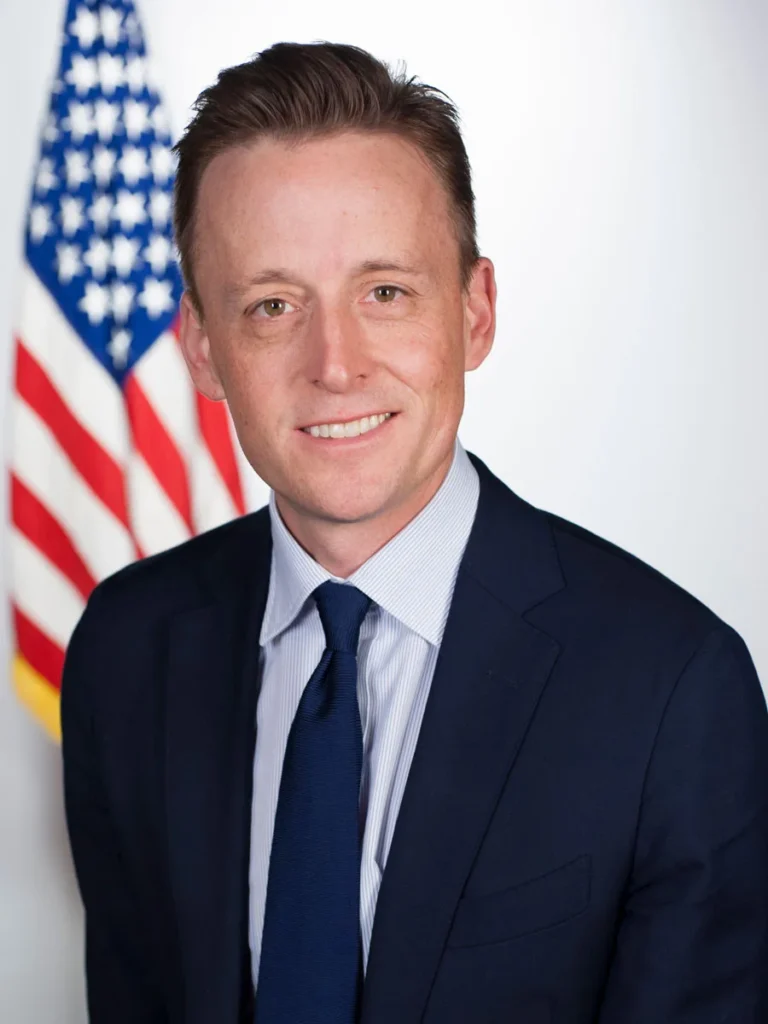
The white house cyber chief fired its top cybersecurity official on Thursday, November 19, after a string of technology outages disrupted air travel, banking and government systems across the United States. Sean Cairncross is leaving his role as National Cyber Director, a position he had held since August 2025. Kirsten Davies, the chief information officer at the Department of Defense, will take over the role in an acting capacity, administration officials said. The move came as the Trump administration faces growing criticism over its response to the outages, and over the cyber threats posed by powerful new artificial intelligence tools.
Table of Contents
The exact circumstances of Cairncross’s departure are disputed, and the accounts differ depending on who is telling the story. What is not disputed is the timing. The firing came at the end of a turbulent week in which a succession of major technology failures disrupted daily life for millions of Americans, and it was one of the first personnel moves by Stephen Miller, the new White House chief of staff. The White House did not say when Cairncross’s last day will be.
White House Cyber Chief Fired: What Happened
Axios first reported the departure on Thursday, and the news was then confirmed by a White House official to CBS News and by a source close to the White House to CNN. According to Axios, Miller sought Cairncross’s removal because of concerns about his qualifications for the role. A source close to the White House told CNN that President Donald Trump “fully supported firing Sean Cairncross from his position as he lacked the strong cyber credentials to perform the job.” The Wall Street Journal reported that replacing Cairncross was one of Miller’s first tasks as the new chief of staff.
Other accounts describe the exit differently. Fox News cited an official as saying Cairncross did not want to serve another two years in the position, while other sources described the separation as amicable. The White House has not publicly explained the decision in its own words.
The Office of the National Cyber Director coordinates cybersecurity policy and strategy across the federal government, according to CNN. That makes the job one of the most important in Washington for defending federal networks. Cairncross was an executive at the Republican National Committee before taking the cyber director role. His successor will need Senate confirmation.
Who Is Kirsten Davies, the New Cyber Director
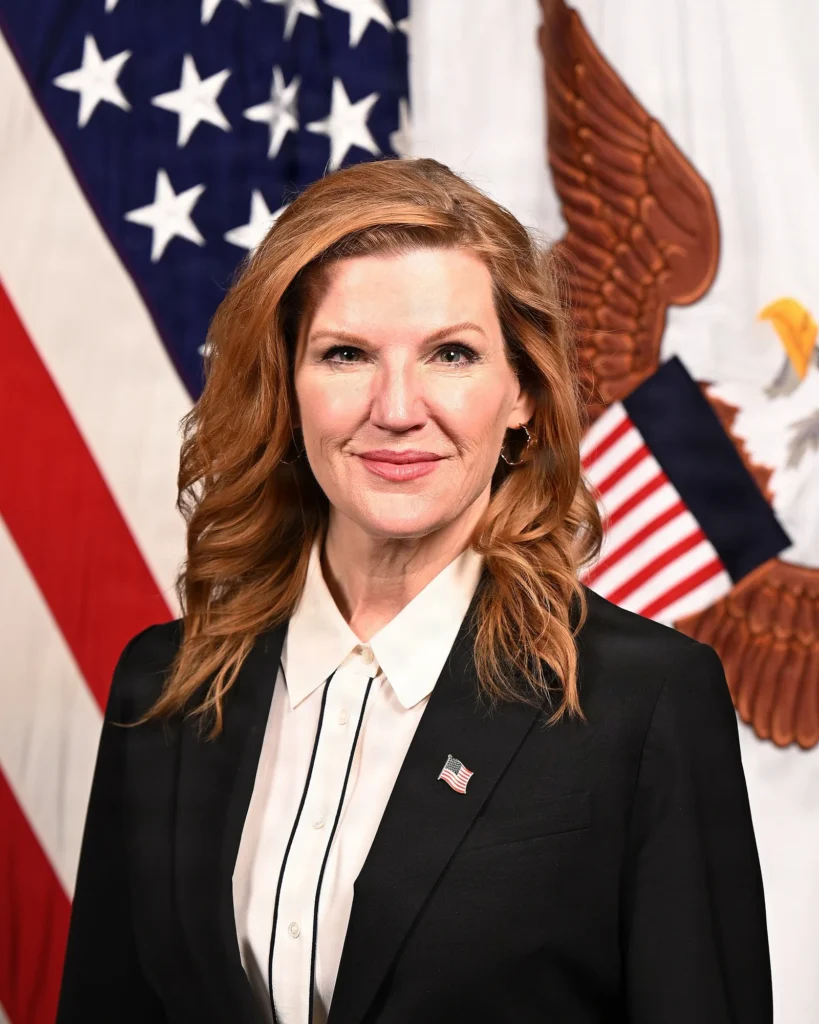
Davies comes to the job from the Pentagon, where she served as chief information officer at the Department of Defense. She is Senate-confirmed in that role, which the White House cited as a credential for the cyber director post. A source close to the White House told the Hindu that Davies has more appropriate credentials than Cairncross, and has been Senate-confirmed. She will serve in an acting capacity until a permanent director is nominated and confirmed, a process that will now run through a Senate about to change hands.
Davies posted on X on Thursday night that she is honored to serve, according to CNN. Secretary of State Marco Rubio congratulated her on X, writing that he looked forward to working together to strengthen America’s cybersecurity.
The national cyber director works with the Cybersecurity and Infrastructure Security Agency, known as CISA, which defends critical infrastructure. The Wall Street Journal reported that Palantir cybersecurity officer Michael LoSapio, Trump’s pick to lead CISA, was grilled by senators on Thursday about proposed budget and staff cuts.
The Outages Behind the Change
The firing followed a week of failures. The Federal Aviation Administration ordered a nationwide ground stop that disrupted more than 18,000 flights inside, to and from the United States. Microsoft services went down for almost a full day, affecting businesses, hospitals and governments worldwide. JPMorgan Chase customers faced disruptions, and a classified internal communications network at the National Security Agency went down. Our report on the FAA ground stop and what caused it explains the aviation failure, and our report on the JPMorgan, Visa and Mastercard data breach covers the banking side.
The Wall Street Journal reported that the departure comes as the administration responds to a wave of cyber threats posed by what is believed to be new artificial intelligence models, and that a string of recent outages across banks, airlines, federal agencies and tech companies was driven by patches to fix vulnerabilities identified by AI. That framing connects the outages to the AI race, which is also the subject of our report on AI chatbots being used to plan attacks. Democrats set to take control of Congress in January have said the administration has been slow to explain the outages.
The administration insists the outages were not attacks. Rubio said earlier this week in Manila that there was “zero evidence” that hackers, criminals or foreign governments were behind the tech outages, or that the incidents are connected, according to CNN. The top US intelligence official said on Wednesday that the disruptions to critical systems over the past week were separate service outages tied to maintenance and technical changes, not a coordinated or state-sponsored attack. Trump sought to reassure Americans in a Fox News interview, telling them to “relax” and calling the incidents “individual events” that media coverage had amplified.
JPMorgan disclosed on Thursday that third-party service providers working with the bank had been targeted in a cyberattack. The bank said its investigation indicated attackers had accessed marketing information held by the vendors, potentially including customer names and email addresses. JPMorgan said the cyberattack was unrelated to the transaction-processing problems some customers experienced earlier in the week, which the bank attributed to a software bug.
What Happens Next for US Cybersecurity
Davies must now explain the outages to a rattled public and to a Congress that will soon be controlled by Democrats promising tougher oversight. The Senate will have to confirm whoever fills the role permanently, and that process could become a venue for the broader argument about whether the administration took the outages seriously enough.
The deeper question is about the AI threat the Wall Street Journal flagged. If new AI models can find vulnerabilities faster than defenders can patch them, then the outage wave may be a preview rather than a one-off event. The administration’s answer so far has been that the incidents were separate and unconnected, and that the systems are safe.
The firing of the cyber chief suggests that, whatever the public message, someone inside the White House believed the response needed new leadership. Davies will have to prove that judgment right, and quickly, because the next outage will not wait for her to settle in. Engadget noted the government has been getting flak over its response to cybersecurity threats, including those posed by advanced AI tools.
Frequently Asked Questions
Who was fired as White House cyber chief?
Sean Cairncross, the National Cyber Director since August 2025, was fired on November 19, 2026. The White House has not said when his last day will be.
Who is the new National Cyber Director?
Kirsten Davies, the chief information officer at the Department of Defense, will take over in an acting capacity. A permanent director needs Senate confirmation.
Why was Sean Cairncross fired?
The accounts differ. Axios reported that White House chief of staff Stephen Miller sought his removal over concerns about his cybersecurity credentials, and a source close to the White House said Trump fully supported the firing on those grounds. Fox News cited an official saying Cairncross did not want to serve another two years.
What outages led to the firing?
A nationwide FAA ground stop disrupted more than 18,000 flights, Microsoft services were down for almost a full day, JPMorgan Chase customers faced disruptions, and a classified National Security Agency network went down, all within about a week.
Were the outages caused by hackers?
Secretary of State Marco Rubio said there is “zero evidence” that hackers or foreign governments were behind the outages, and the top US intelligence official called them separate service outages tied to maintenance and technical changes.
Conclusion
The white house cyber chief fired its top cybersecurity official at the worst possible moment: in the middle of an outage wave that grounded flights, froze bank accounts and disrupted classified government communications. The accounts of why Sean Cairncross was removed differ, but the timing is clear, and the appointment of Kirsten Davies signals that the administration wants steadier hands on the job. What matters now is whether the change brings clearer answers about the outages, and a stronger defense against the AI-driven threats the White House itself has flagged.
