US Blacklists Megaspeed in Nvidia Chip Scandal After Huang Returns
The United States has put Megaspeed International on its trade blacklist, cutting off the Singapore firm at the center of the Nvidia spy scandal from buying advanced American AI chips without a government licence. The Commerce Department announced the move on Monday, November 23, 2026, only hours after Nvidia’s board brought Jensen Huang back as chief executive. The Megaspeed blacklist is the sharpest US action yet in a scandal that has already cost Huang his job once, rattled the world’s most valuable chipmaker and exposed a split inside President Donald Trump’s administration over how tough to be on China. It also raises a hard question the White House has yet to answer: if Megaspeed is too dangerous to buy Nvidia chips, why is Nvidia itself still allowed to sell advanced chips to China?
Table of Contents
What the Megaspeed Blacklist Does
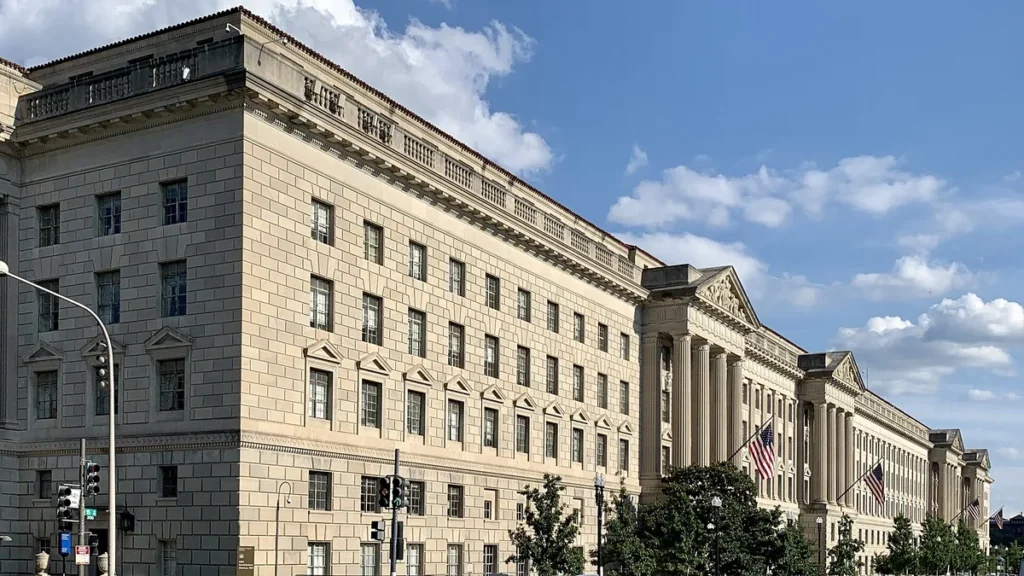
The Bureau of Industry and Security, the Commerce Department arm that enforces export controls, placed Megaspeed International and six other firms in Southeast Asia on its Entity List on Monday. The bureau said the companies were determined to be acting contrary to the national security or foreign policy interests of the United States, according to its filing to the Federal Register. The designation means anyone seeking to ship the listed firms advanced US technology, including Nvidia’s top-end graphics processing units used in artificial intelligence, must first obtain an export licence.
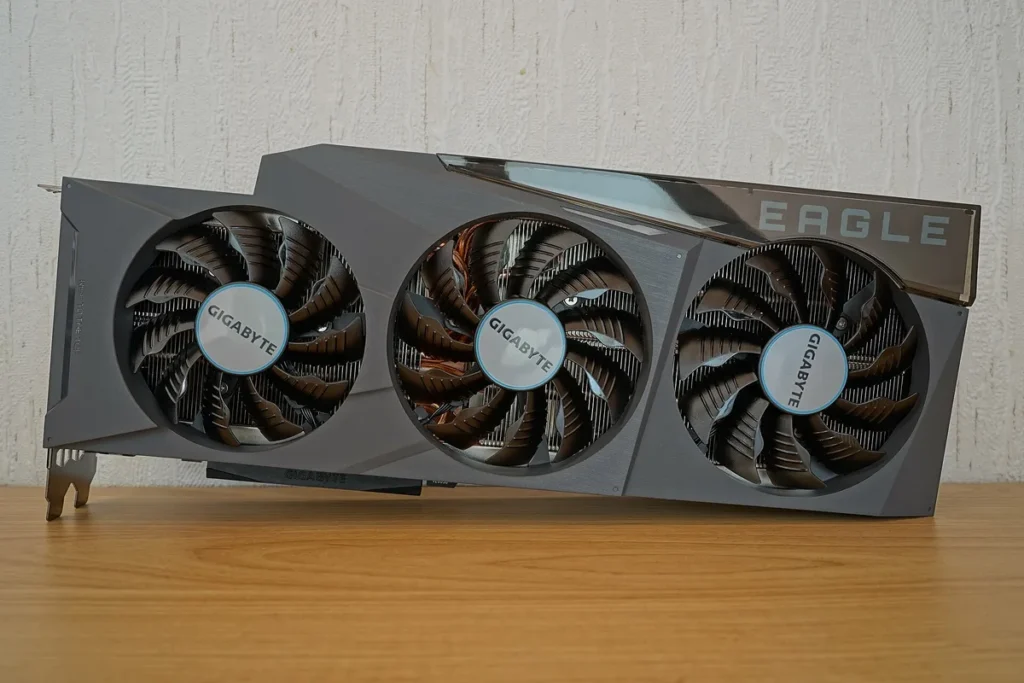
The six other entities named alongside Megaspeed are MSFusion, PT Megaspeed International, Speedmatrix, Apex Enterprise Solutions, Swiftdata and Megaspeed (Thailand). Three are based in Malaysia, two in Singapore and one in Thailand, according to Al Jazeera. Bloomberg reported that the listing also named a Singapore-based unit of Alibaba Group, prompting the e-commerce giant turned AI developer to deny it had ever diverted restricted semiconductors.
Megaspeed did not immediately respond to a request for comment about its inclusion on the list. It has previously denied wrongdoing and said it complies with all applicable US and local laws governing shipments of advanced technology. The company has also insisted it is a legitimate and lawful business and that media reports about its operations contained claims that were not supported by verifiable evidence. The Megaspeed blacklist is the first time since October 2025 that the Commerce Department has placed new entities on the list, a sign of how far the Nvidia scandal has pushed the issue up the agenda in Washington.
The Scandal Behind the Megaspeed Blacklist
Megaspeed is the Singapore-based data center company once led by Alice Huang, the businesswoman US officials accuse of working with China’s Ministry of State Security in an intelligence-gathering operation targeting Jensen Huang. Beijing has rejected the claims as groundless speculation and an attempt to smear China, and Alice Huang has not publicly commented on the allegations, which are based on US intelligence first reported by The New York Times and the Financial Times. Our earlier report on the investigation into Alice Huang and Megaspeed sets out what the US spy chief has confirmed so far.
The US government has been investigating Megaspeed for more than a year. The Justice Department has been probing since 2024 whether the firm diverted high-end Nvidia chips to China in violation of export controls. In a rare joint statement last week, the Justice and Commerce Departments said the US inquiry began in 2024, that Commerce officials had requested Megaspeed sales records from Nvidia in May 2025, and that Nvidia had placed Megaspeed on its own no-sell list in June 2025. Around the same time, Bureau of Industry and Security agents conducted an end-use check of Megaspeed and interviewed Alice Huang. Megaspeed has said Alice Huang left the company in August 2025, and Bloomberg has reported she is now in China with the knowledge of the government in Beijing.
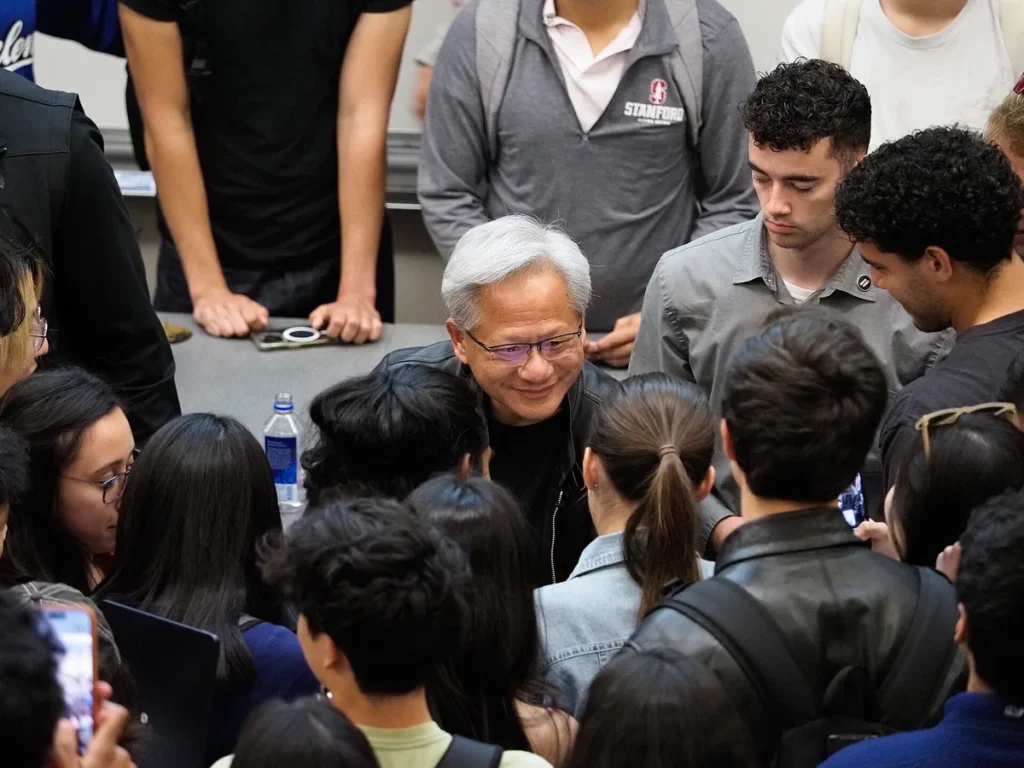
The scandal exploded into public view this month when news broke that Huang had an affair with Alice Huang. Huang resigned on November 12 after admitting to multiple extramarital affairs, including one with a woman US officials suspect of spying for China. Eleven days later, Nvidia’s board voted unanimously to bring him back, after President Trump intervened with the board and offered assurances that there would be no threat to national security. Our report on Jensen Huang’s reinstatement as Nvidia CEO covers the board’s reversal in full.
A Split Inside the Trump Administration
The Megaspeed blacklist also lays bare a fight inside the Trump administration that had been simmering for weeks. While US officials had been scrutinising Megaspeed’s compliance with export controls for years, Commerce Secretary Howard Lutnick’s department had declined to place the company on its trade blacklist. That delay drew open criticism from officials known to hold more hawkish views on China, including Treasury Secretary Scott Bessent, who publicly blamed Lutnick for failing to act. “Many other departments were pushing for this, and Commerce had the pen,” Bessent said on CNBC the day after Huang’s resignation.
Pressure also came from Congress. Last week, Republican Senator Pete Ricketts proposed legislation that would have forced Commerce to decide within 30 days whether to blacklist Megaspeed and impose interim restrictions in the meantime. Trump, before departing last week for a trip to Asia, backed Lutnick publicly, saying he understood both sides of the issue and that his Commerce Secretary was simply being careful not to upset China.
Trump himself played a central role on both sides of the story. On Monday he told CNBC he felt very strongly about Huang’s role at Nvidia and confirmed he had personally intervened with the company’s board to push for the chief executive’s return. Shaoyu Yuan, a visiting assistant professor at New York University’s Center for Global Affairs, told Al Jazeera the intervention was the latest example of the president making policy based on personal rapport rather than a consistent security standard.
That tension was not lost on outside experts. Shiva Rajgopal, a professor of accounting at Columbia Business School, called it extraordinary that the administration had decided to blacklist Megaspeed while also pushing for Huang’s reinstatement. “The board reinstated its CEO before the investigations into Megaspeed and his ties to it have concluded. Today’s listing shows those concerns are serious and unresolved,” Rajgopal told Al Jazeera.
The H200 Paradox at the Heart of the Megaspeed Blacklist
The sharpest criticism of the Megaspeed blacklist is not that it goes too far, but that it does not go far enough, and that it sits awkwardly next to the administration’s own policy of selling advanced chips to China. Yuan put the contradiction bluntly: “The incoherence is in the wider policy. Washington blacklists a middleman for moving Nvidia chips to China while it licenses Nvidia to sell H200 chips to China directly and takes a 25 percent cut.” He was referring to the Trump administration’s announcement last year that it would allow the sale of some Nvidia GPUs to China in exchange for the company handing over a portion of the revenues to the government. Our report on Nvidia’s H200 chips for China explains how that licensing deal works.
The administration has taken other steps to tighten the rules around the scandal. Last week, the Commerce Department unveiled a rule designed to limit the ability of Chinese firms to access Nvidia’s AI chips in data centers located outside China. The measure requires data center operators in Singapore, Malaysia, Thailand, Indonesia and Brazil to obtain a US government licence before exporting advanced AI chips from Nvidia and other American manufacturers to customers in those countries. The Commerce Department said the rule was written by and at the direction of the Treasury Department and the National Security Council, a sign of how much pressure from outside Commerce shaped its release. The licences are subject to approval on a case-by-case basis.
Does the Megaspeed Blacklist Actually Block Chip Sales?
Even the wording of the new listing has drawn scrutiny. The interim rule published on Monday differed from previous entity listings targeting AI chip purchases of blacklisted firms because it left out a footnote that is often present to make it clear that foreign-produced items are included in export bans so long as they contain US technology. That led Chris McGuire, a former National Security Council official, to question whether the measure has enough authority to block the listed firms from purchasing AI chips at all.
Bureau of Industry and Security officials rejected that reading. “It is now unlawful to export any advanced SI chips to Megaspeed, even if the chips are produced outside the United States,” BIS spokesperson Thomas Wackman said in a statement, using Trump’s preferred term of super intelligence to refer to AI. A Commerce official added that there is no need for the bureau to include a provision giving the US extraterritorial authority for the rule to have an impact, since existing regulations already carry that authority for advanced computing, which puts all AI chips shipped abroad under BIS jurisdiction. Whether that reading holds up in practice will become clear only when a supplier tests it, and the first test may not be far away.
Singapore and Malaysia Respond to the Megaspeed Blacklist
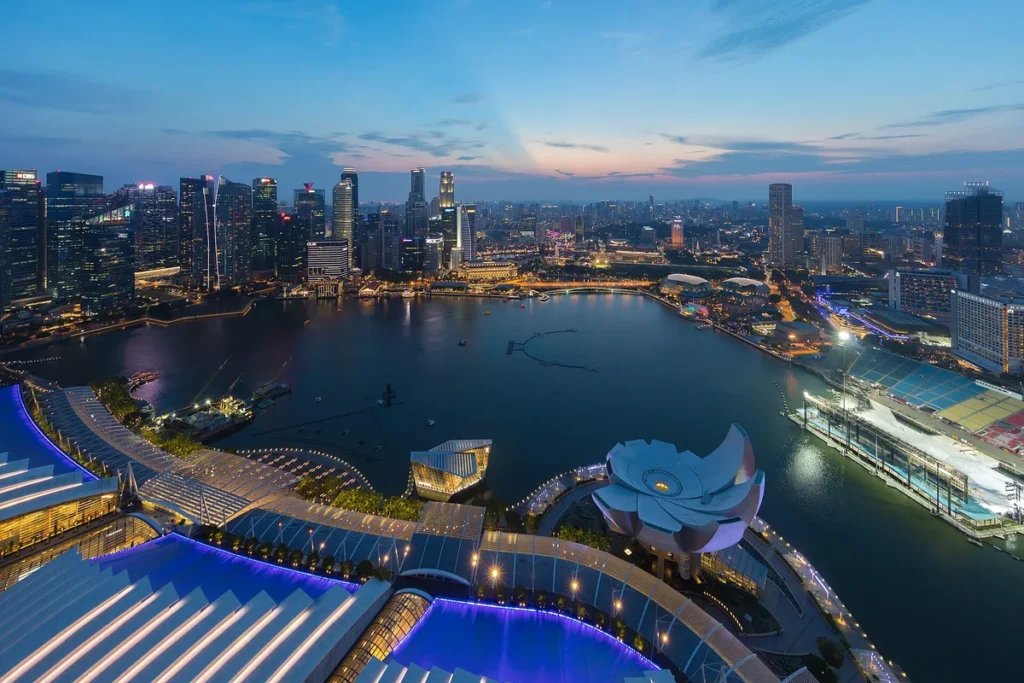
The listing has already drawn a response across Southeast Asia, where the named firms operate. Malaysia’s Ministry of Investment, Trade and Industry said in a statement that, based on official records, PT Megaspeed International is not a Malaysian entity. The ministry said authorities would inform all data centre operators in Malaysia of the expanded blacklist and advise them against hosting or providing services to the designated firms. “Malaysia remains committed to a secure, transparent and rules-based trading environment and will not allow itself to be used as a channel to circumvent export controls. Action will be taken against parties found to have contravened any laws,” the ministry said.
Speaking during a visit to Australia on Tuesday, Singaporean Prime Minister Lawrence Wong said the city-state did not want to be used and abused by companies seeking to circumvent US export controls. Singapore’s Ministry of Digital Development and Information and Thailand’s Ministry of Industry did not immediately respond to requests for comment. The responses underline how the scandal has turned Singapore, a close US partner and one of the world’s biggest data center hubs, into the center of the global fight over who gets America’s most advanced chips.
What Happens Next After the Megaspeed Blacklist
The listing does not end the story. The Justice Department investigation into Megaspeed is still open, and the separate inquiries into Huang’s ties to Alice Huang have not concluded. California has also subpoenaed Nvidia as part of its own probe, adding a state front to the federal one. For now, the market has chosen to focus on Huang’s return: Nvidia shares jumped about 31 percent on Monday, and the S&P 500 and the Nasdaq posted their best day since April 2025.
Congress is likely to be the next arena. Republican and Democratic lawmakers are rallying behind legislation that would curtail China’s access to AI chips and semiconductor manufacturing equipment, and several bills may win passage within weeks. The AI Overwatch Act, the Chip Security Act and the MATCH Act are on course to be attached to year-end defense legislation, backed by top AI developers including OpenAI, according to Bloomberg. If those bills pass, the Megaspeed blacklist will look less like a one-off punishment and more like the first step in a much tighter export control regime.
Three questions will decide what the listing really means. First, whether the Bureau of Industry and Security enforces it aggressively when suppliers test the missing footnote. Second, whether Congress turns the scandal into law before the year ends. And third, whether the White House can explain why a middleman is blacklisted for moving Nvidia chips to China while Nvidia itself is licensed to sell them there directly. Until that last question has an answer, the Megaspeed blacklist will remain both a punishment and a puzzle.
Frequently Asked Questions About the Megaspeed Blacklist
What is the Megaspeed blacklist?
The Megaspeed blacklist is the US Commerce Department’s decision to add Megaspeed International and six related firms to its Entity List on November 23, 2026. Companies on the list cannot receive advanced US technology, including Nvidia’s top-end AI chips, without an export licence from the Bureau of Industry and Security.
What is Megaspeed accused of?
US officials say Megaspeed may have diverted advanced Nvidia AI chips to China in violation of export controls. The Justice Department has investigated the Singapore firm since 2024, and the Commerce Department has scrutinised its compliance for years. Megaspeed denies wrongdoing and says it complies with all applicable laws. No charges have been announced.
Can Megaspeed still buy Nvidia chips?
Only with a US government export licence, which is likely to be denied. The Bureau of Industry and Security says it is now unlawful to export any advanced super intelligence chips to Megaspeed, even if the chips are produced outside the United States. The company could challenge the listing, but no challenge has been reported.
What does the listing mean for Jensen Huang and Nvidia?
The listing does not accuse Nvidia of wrongdoing, and Huang was reinstated as chief executive on the same day it was announced. But the investigations into Megaspeed and Huang’s ties to it have not concluded, and lawmakers from both parties are pushing new export control laws. Nvidia’s shares rose about 31 percent on the day of Huang’s return.
Conclusion
The Megaspeed blacklist is the Trump administration’s sharpest move yet in the Nvidia scandal, and it arrives with a contradiction built in. Washington has cut off the Singapore middleman accused of moving advanced chips to China, while still licensing Nvidia to sell advanced chips to China directly. The listing settles the fight between the Treasury and Commerce Departments for now, but it leaves the bigger questions open: whether the ban can be enforced, whether Congress will write tougher rules into law, and whether the investigations into Megaspeed and Jensen Huang will produce charges. Those answers will decide whether November 23 was the end of the scandal or only the start of a longer crackdown.
