
Ilhan Omar Search Warrant Records Unsealed by Judge
A federal judge on Monday unsealed court records from the October search of Rep. Ilhan Omar’s Washington home, revealing that prosecutors believe the Minnesota Democrat committed crimes over decades in a case stretching back to 1980. The heavily redacted filings, released after news organizations sued for access, offer the first public look at an investigation that has shadowed Omar for weeks, although the key affidavit stays sealed and she has not been charged with any crime. The ilhan omar search warrant records also show a constitutional fight over searching a sitting member of Congress, and they landed three weeks after Omar won reelection to a fifth term.
Table of Contents
What the Unsealed Ilhan Omar Search Warrant Records Show
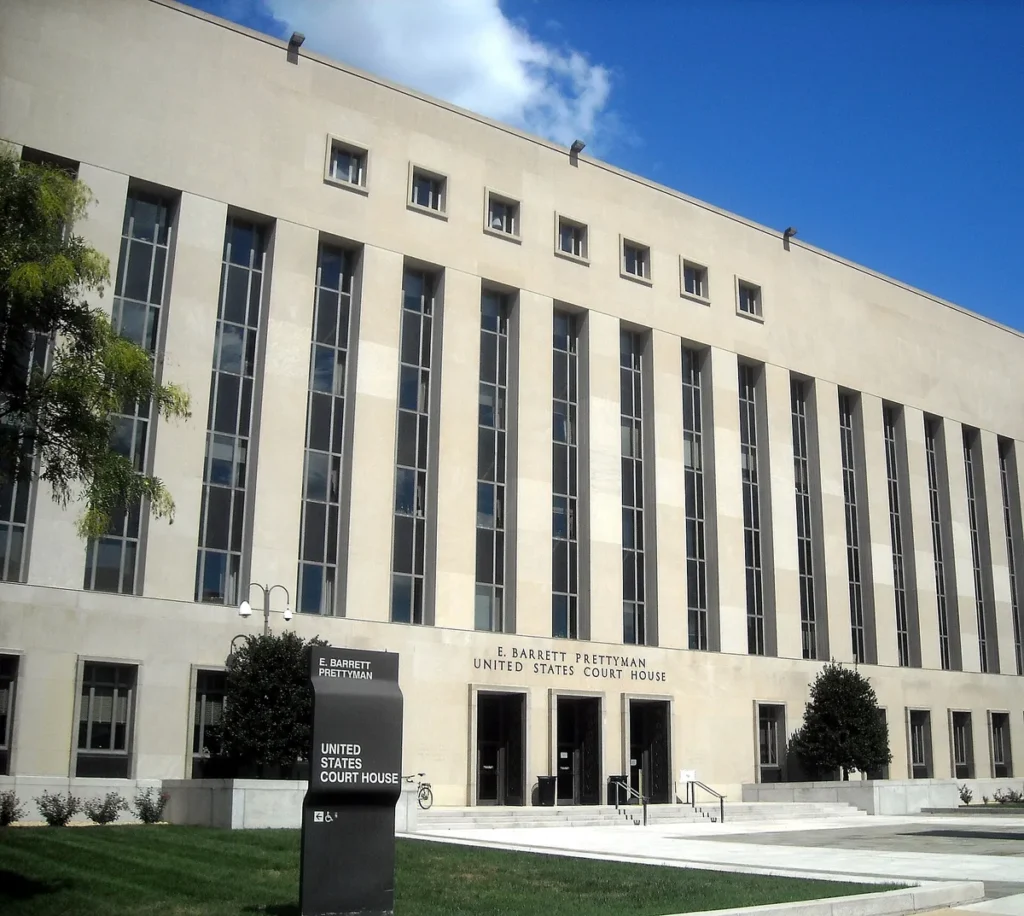
Chief Judge James Boasberg of the US District Court in Washington ordered the partial unsealing on Monday, November 23, 2026, according to the Associated Press. The release covered 169 pages of court records, according to the Wall Street Journal, but most of the material stayed blacked out. The filings came out in response to a lawsuit by more than a dozen news organizations, including the Associated Press, and the conservative group Judicial Watch, which argued that the public has a First Amendment right to see the records.
The disclosures are scant. They include an abbreviated inventory of items taken from Omar’s home during the October 12 raid, but no potential charges, according to the New York Post. The only hint of what a future indictment might cover sits in previously sealed filings that describe the congresswoman’s alleged crimes as running “between 1980 to the present.” One filing states, in the government’s own words, that “The United States believes ILHAN has committed [redacted] crimes over decades, beginning long before she was ever in Congress.” Another filing says prosecutors are “in the throes of a preindictment investigation.”
Boasberg agreed with prosecutors at a court hearing last Tuesday that the “vast majority” of entries in the case should remain sealed, including a 67-page affidavit supporting the search warrant. He ruled it would be premature to unseal the affidavit, which contains sensitive details of the government’s investigation. The government argued last month that unsealing the records before a charging decision could jeopardize the investigation. News organizations have until November 30 to challenge the redactions, and Judicial Watch says it will ask the court to unseal the list of suspected crimes.
The “1980 to the Present” Time Frame
The most striking detail in the ilhan omar search warrant records is the time frame. Prosecutors told the court they are looking for evidence of offenses “involving Ilhan Nur Said Elmi a/k/a Ilhan Abdullahi Omar, and occurring between 1980 to the present.” Omar was born in the early 1980s and has listed her birth year as both 1981 and 1982, which means the window prosecutors asked to search opens before she was born. That long reach is what makes the ilhan omar search warrant records so unusual: few federal probes span a period that starts before the target was born.
Every reference to the specific laws she is suspected of breaking is blacked out in the released records. That includes the warrant application, the list of property to be seized and the legal briefs. Sources with knowledge of the probe have previously said the suspected violations were immigration offenses, and the New York Post reported that prosecutors in DC US Attorney Jeanine Pirro’s office and the Minnesota US Attorney’s office have been building a case against Omar related to possible immigration fraud committed by her or family members who fled war-torn Somalia in the 1990s.
The Wall Street Journal previously reported, citing US officials and other people familiar with the probe, that the investigation is aimed at building a case to strip Omar of her US citizenship and ultimately deport her. That reporting has not been confirmed by prosecutors in the unsealed filings, and Omar has not been charged with any crime. She is a naturalized US citizen born in Somalia, and she has denied any wrongdoing, calling the investigation politically motivated.
The Speech or Debate Clause Fight
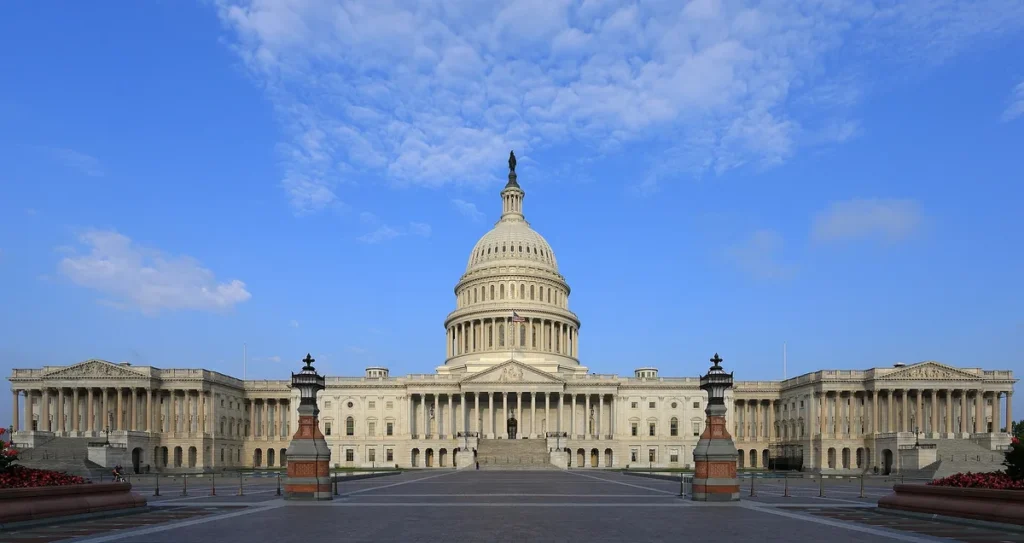
The unsealed filings also reveal a constitutional argument that played out before the search even happened. US Magistrate Judge Matthew Sharbaugh, who authorized the search, raised concerns about the Speech or Debate Clause and what it means for searching the private home of a sitting member of Congress. The clause protects legislators from executive branch interference or intimidation and includes a privilege against compelled disclosures.
Sharbaugh disagreed with the government’s argument that the privilege applies only to official congressional offices and certain electronic devices. “That logic does not hold,” the magistrate wrote, according to the Associated Press. He concluded that the government’s law enforcement interests had to be balanced against Omar’s constitutional rights as a member of Congress, and he said the government ultimately agreed to a search protocol that let Omar invoke the privilege over any Speech or Debate Clause material before agents carried out the search.
The timeline in the ilhan omar search warrant records shows prosecutors applied for the warrant on October 2 and Sharbaugh signed it on October 9, only after the protocol was settled. Federal agents then carried out the search at dawn on October 12, less than a month before the November 3 midterm elections, in which Omar won reelection. The Associated Press noted that the Justice Department has historically avoided public investigative actions involving a candidate within 60 days of an election. A federal judge had initially agreed to seal the warrant in early October, citing “reasonable grounds to believe the disclosure will result in flight from prosecution, destruction of or tampering with evidence, intimidation of potential witnesses, and serious jeopardy to the investigation.”
What Investigators Took From the Home
Omar has said that Homeland Security Investigations agents took 17 items from her home, including several cellphones and notebooks. The agents also seized her passport and computers, along with a Somali-language children’s book and a vintage camera that her husband, Tim Mynett, had received as a gift. The unsealed inventory of seized items in the ilhan omar search warrant records is abbreviated, and the full return showing what agents took remains largely redacted. The warrant itself sought “papers, records, photographs, documents and any other physical objects,” plus thumb drives, external hard drives, computers and all cellphones registered to or used by Omar.
Omar has also filed a petition on a separate court docket asking for the 17 items to be returned. Lawyers for Judicial Watch have filed another motion asking the court to unseal information on that docket as well. It is unclear whether other dockets related to the ilhan omar search warrant will remain sealed, and Boasberg deferred some of those questions when he ordered the partial release.
The Case Prosecutors Are Building
The Associated Press reported last month that federal authorities are investigating potential fraud in Omar’s family immigration paperwork and have issued grand jury subpoenas to some of her relatives. The ilhan omar search warrant records do not add new detail about that inquiry, and the Associated Press said the heavily redacted documents “do not appear to shed new light on the reason or outcome of the search itself or disclose new details of an immigration-fraud investigation.”
But sources familiar with the ilhan omar search warrant probe have described two lines of inquiry, according to the New York Post. One focuses on whether Omar allegedly misrepresented her birth date as October 4, 1982, rather than a year earlier, on government papers, in order to become a citizen when her father naturalized in 2000. The other concerns her second marriage to Ahmed Nur Said Elmi, a British national who is suspected of being her brother. The two were legally married from 2009 to 2017, although she filed joint taxes with her first husband, Ahmed Hirsi, at least twice during that period. Asked in an interview with MS NOW on October 21 whether she married her brother, Omar answered: “Not to my knowledge.”
A filing from prosecutors on the day of the search referred to Omar by an alternative surname, “Congresswoman Ilhan Nur Said Elmi, a/k/a Ilhan Abdullahi Omar,” which is nearly identical to her second husband’s name. Elmi is a self-described gay man studying queer violence in Kenya and other issues as a PhD researcher at the University of Bristol. None of these details has been tested in court, and no charges have been filed, so they remain allegations and lines of inquiry rather than findings.
Omar’s Response and the Politics Around the Case
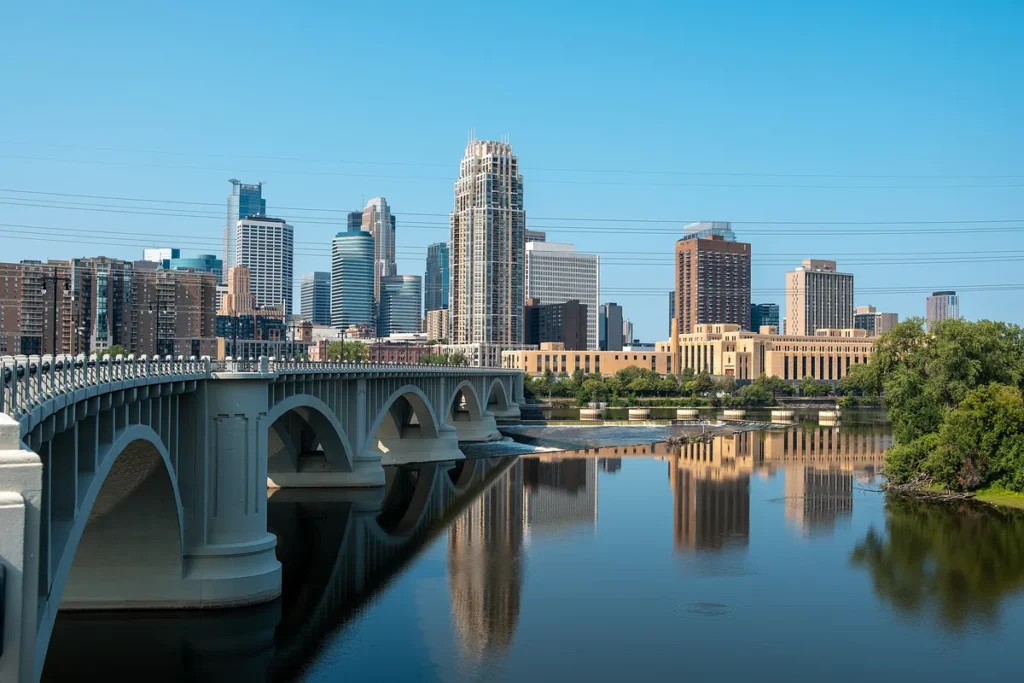
Omar has not been charged with any crime and has denied wrongdoing. Her attorneys did not respond to requests for comment on the unsealed records, according to the New York Post and the Associated Press. She has said the investigation is politically motivated, a claim that lands in a heated political context: she has been a target of anti-immigrant rhetoric by President Donald Trump and many Republican allies, and she won reelection on November 3 to a fifth term representing a deeply blue district that includes Minneapolis. Our earlier report on the Democrats’ record House majority explains the new balance of power she returns to in January.
Senior administration officials have spoken publicly about the ilhan omar search warrant case in blunt terms. Vice President JD Vance told podcaster Benny Johnson in a March interview: “We actually think that Ilhan Omar definitely committed immigration fraud against the United States of America.” Homeland Security Secretary Markwayne Mullin told a right-wing host in September: “We know that she married her brother to try to bring him to the United States. We know he lives now in London.” Boasberg indicated at last Tuesday’s hearing that the administration’s own public comments about the probe have weakened its argument in court for keeping the potential charges sealed.
The case also sits alongside other high-profile congressional controversies this month. Rep. Jimmy Gomez resigned from Congress on Monday after an ethics report found substantial evidence of sexual misconduct, as covered in our report on Jimmy Gomez resigning from Congress. And the appeals court ruling that could erase President Trump’s hush money conviction, covered in our report on the Trump hush money conviction, shows how quickly court decisions are reshaping the political landscape. For background on how federal investigations of public figures unfold, see our report on the Alice Huang and Megaspeed investigation.
What Happens Next in the Ilhan Omar Search Warrant Case
The immediate next step is a fight over the redactions. News organizations have until November 30 to challenge what the government blacked out, and Judicial Watch says it will ask the court to unseal the list of suspected crimes. If Boasberg orders more material released, the ilhan omar search warrant records could grow longer and the public could learn which laws prosecutors believe were broken. If he keeps the affidavit sealed, the core of the government’s case will stay hidden until prosecutors either bring charges or close the investigation.
A charging decision is the bigger question, and there is no public timetable for one. Prosecutors described themselves as in the middle of a preindictment investigation, which means they are still gathering evidence and have not decided whether to seek an indictment. If charges are filed, Omar’s legal team is likely to challenge them, and the Speech or Debate Clause fight that played out before the search could return in a new form. If no charges come, the unsealed records may stand as the fullest public account of a probe that has already shaped months of political debate. Either way, the ilhan omar search warrant records have made one thing clear: this investigation reaches far back into Omar’s life, and it is not over.
Conclusion
The unsealed Ilhan Omar search warrant records reveal a federal investigation that prosecutors describe as spanning decades, from 1980 to the present, and a constitutional clash over searching a sitting member of Congress. The filings confirm the October 12 search, the 17 items seized and the lines of inquiry into immigration paperwork, but they leave the central questions unanswered: the suspected crimes are blacked out, the 67-page affidavit stays sealed, and no charges have been filed. Omar denies wrongdoing and calls the probe political. What happens next depends on the courts and on whether prosecutors decide to bring a case.
Frequently Asked Questions
What did the unsealed Ilhan Omar search warrant records reveal?
The records show prosecutors believe Omar committed crimes over decades, with a target window of “1980 to the present.” They also show a constitutional fight over the Speech or Debate Clause and confirm the October 12 search of her Washington home. The specific suspected crimes are blacked out, and the 67-page affidavit remains sealed.
Has Ilhan Omar been charged with a crime?
No. Omar has not been charged with any crime. Prosecutors describe the matter as a preindictment investigation, and Omar has denied any wrongdoing, calling the probe politically motivated.
When did federal agents search Ilhan Omar’s home?
Homeland Security Investigations agents searched her Washington, DC home at dawn on October 12, 2026, less than a month before the November 3 midterm elections, in which she won reelection to a fifth term. The warrant was applied for on October 2 and signed on October 9.
What did agents take from Omar’s home?
Omar has said agents took 17 items, including cellphones, notebooks, her passport, computers, a Somali-language children’s book and a vintage camera her husband had received as a gift. She has filed a petition asking for the items to be returned.
What happens next in the Ilhan Omar investigation?
News organizations have until November 30 to challenge the redactions, and Judicial Watch plans to ask the court to unseal the list of suspected crimes. Prosecutors have not announced a timetable for a charging decision, and the 67-page affidavit supporting the warrant remains sealed.
