Senate Probes JD Vance Over Venezuelan Oil Deal for Donor-Linked Vitol Trader
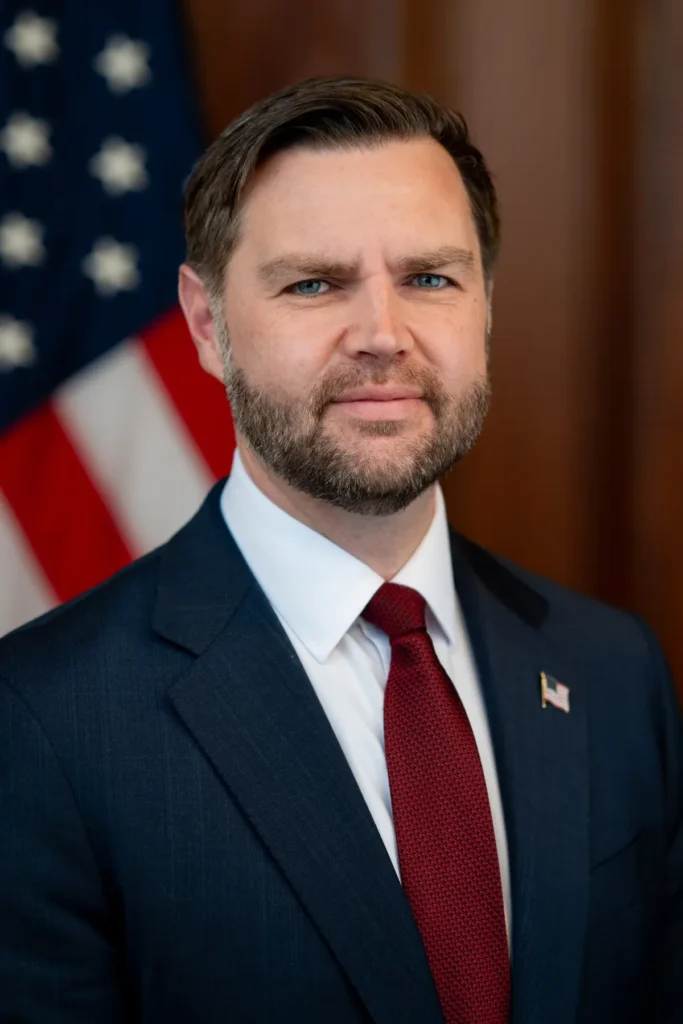
A US Senate committee has opened an investigation into whether Vice President JD Vance helped a major political donor secure a lucrative Venezuelan oil deal. The JD Vance Venezuela oil investigation follows a Reuters report that Vance met Vitol trader John Addison in Montana in December 2025, about a week before the United States launched its military operation in Venezuela and captured leader Nicolas Maduro. Senator Maggie Hassan, a New Hampshire Democrat who will chair the Senate Homeland Security and Governmental Affairs Committee in January, sent Vance a letter on Monday demanding records of his communications with Addison and Vitol. Both Vance and Addison deny the meeting ever happened.
Table of Contents
The JD Vance Venezuela Oil Investigation: What the Senate Wants
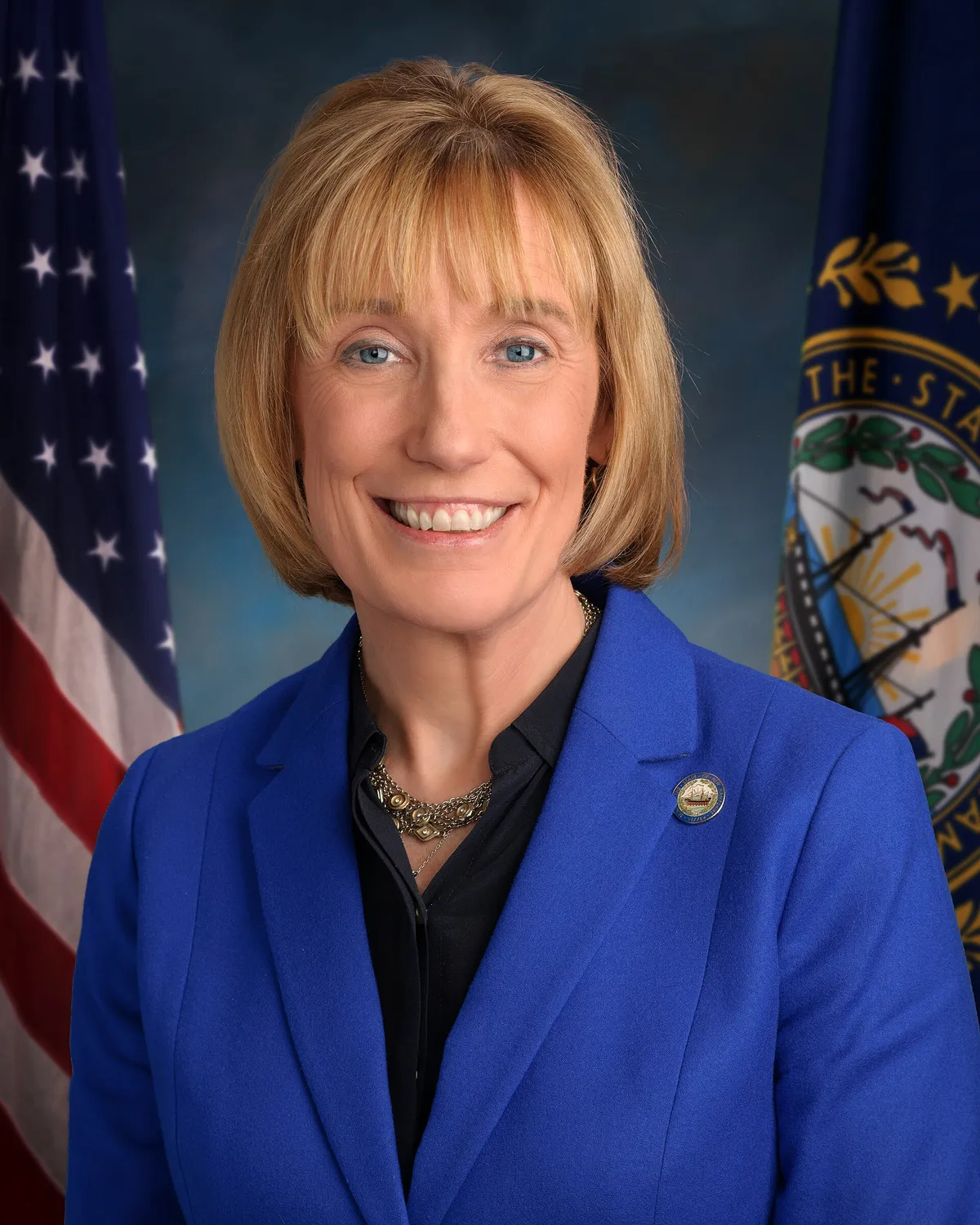
Hassan’s letter opens with a direct accusation. “I write today with serious concern that you may have used your position as Vice President to help a major political donor secure lucrative business opportunities involving Venezuelan oil,” she wrote. “Given the significant financial interests at stake and the importance of safeguarding government decision-making against improper influence, I am seeking information about your involvement in these arrangements.” The full letter is published on the Senate website.
The investigation centers on how Vitol, one of the world’s largest commodity traders, won a special US government license to sell Venezuelan oil after Maduro’s capture, and whether Vance played a role in that decision. Hassan has asked Vance to provide records by December 14, 2026, including all communications between Vance or his staff and Addison or Vitol about Venezuela since January 20, 2025, and any documents showing what role Vance or his staff played in selecting Vitol. She also asked whether a competitive selection process was considered and what steps were taken to assess or disclose potential conflicts of interest.
The committee Hassan is about to lead has broad authority to investigate corruption and conflicts of interest in the executive branch. Her letter says the inquiry will also examine whether existing law adequately prevents, discloses and remedies conflicts of interest among senior executive branch officials, and whether new legislation is needed. Hassan takes the chair when the new Congress is seated in January, after Democrats’ midterm wins gave them control of the Senate.
The Reported Meeting in Montana
According to the Reuters report that prompted the investigation, Vance met Addison in December 2025 during a trip to Montana’s Yellowstone Club, an exclusive ski and golf resort. A person familiar with the matter told Reuters that the two discussed Venezuela, and that Vance was particularly interested in how quickly Venezuelan crude could be sold if the United States hypothetically gained control of the country’s oil supplies. Addison assured Vance that Vitol was well placed to do that job, the person said. The report was published by Reuters and carried in full by the American Journal of Transportation.
Hassan’s letter asks Vance directly whether he met Addison on or around December 27, 2025, and if so, to identify when and where the meeting occurred, who took part and what was discussed. She also asked for all records of his schedule, meetings and communications with Addison during his December 2025 visit to Montana. Her letter adds a detail that undercuts the denials: “Despite denials from your office and Mr. Addison, flight records place his private jet and your government plane at the same Montana airport on the day of the reported meeting.”
Both men deny the meeting took place. Vance’s press secretary, Luke Schroeder, said: “The alleged airport meeting never happened.” Schroeder added that “it’s a shame that Reuters has allowed itself to be duped by an anonymous source peddling fiction as fact.” Reuters noted in its own report that it did not specify that the meeting happened at the airport, only that flight records place the two aircraft at the same Montana airport on the same day. Neither Vance’s office nor Addison has explained why their aircraft were at the same airport on the day of the reported meeting.
The Oil Deal That Followed
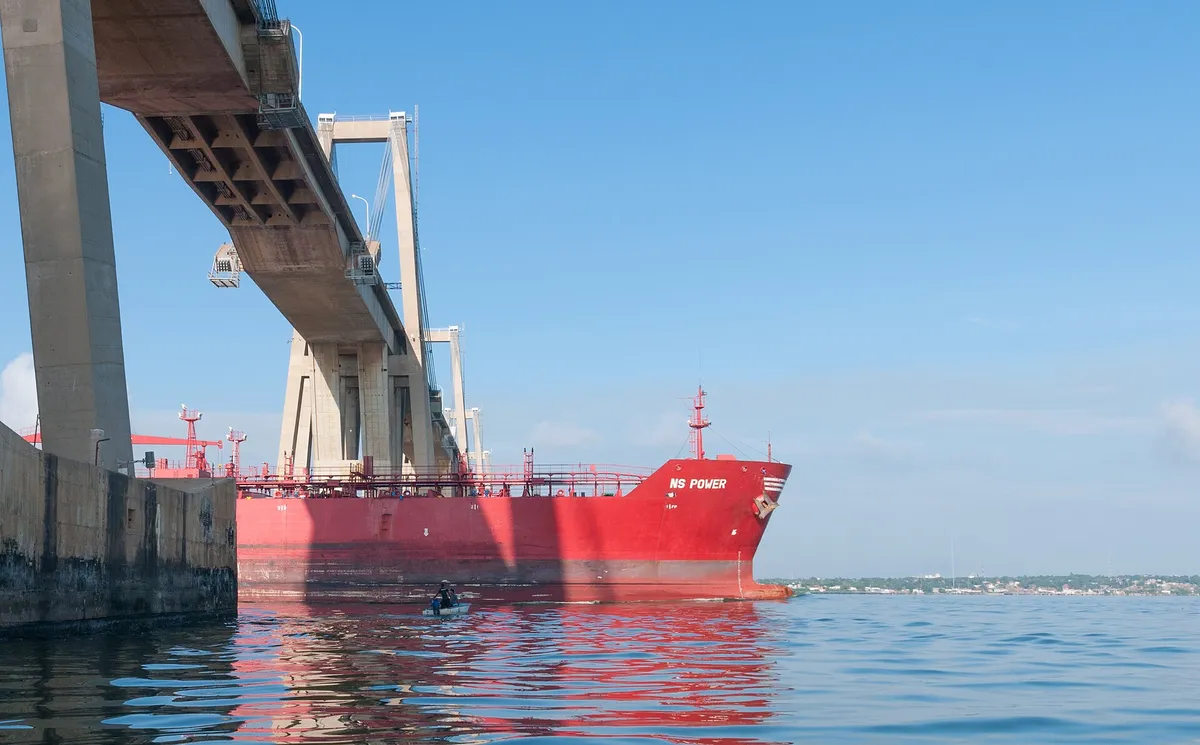
Whatever happened in Montana, the sequence of events that followed is not in dispute. Two days after the January 2026 US operation that ousted Maduro, Energy Secretary Chris Wright called Addison at his desk in Houston with an offer to market Venezuelan crude. Addison confirmed the call to Reuters, and the Department of Energy confirmed that Wright called Addison on January 5 to discuss Venezuela. Within days, Vitol and rival trading firm Trafigura landed special licenses to sell Venezuela’s oil, giving them a head start in bringing the sanctioned country’s crude back to international markets.
The deal has been enormously profitable. The companies have earned hundreds of millions of dollars marketing the crude, according to estimates by independent experts cited by Reuters, with profit margins as much as four times Vitol’s reported operating margins in recent years.
The United States handled more than $12 billion of Venezuela’s oil revenue in the first nine months of 2026, according to a State Department report made public earlier this month. That scale is what makes the question of how Vitol was chosen so important: the license was a gateway to one of the most valuable energy deals of the year. Our earlier report on the US military operation in Venezuela in January explains how Washington took control of the country’s oil exports after Maduro’s capture.
Hassan’s letter also points to a link between Vance and Wright. Addison told Reuters that Vance had previously vouched for his trustworthiness to Secretary Wright, “paving the way for the call” from the Energy Department. Hassan asked Vance when and under what circumstances he discussed Addison with Wright, and whether he recommended Addison or Vitol for a role in Venezuelan oil sales. She also asked when Vance first learned that Wright intended to contact Addison, and whether he or his staff helped arrange the conversation.
The Money Trail
The political donations behind the story are documented in Federal Election Commission records. Addison was an early backer of Vance, contributing $300,000 in 2022 to the Protect Ohio Values Political Action Committee to help Vance’s successful bid for one of Ohio’s US Senate seats. Later, Addison and his wife, Shannon, contributed $7 million in 2024 to political action committees supporting Donald Trump’s second term in the White House. Hassan’s letter cites both figures and notes that Addison’s financial upside has been considerable.
Addison’s background adds another wrinkle. At the time of the reported meeting, he was a gasoline trader for Vitol with no expertise in trading Venezuelan crude, according to Vitol itself. He retired from Vitol earlier this year. The question Hassan is pressing is why a gasoline trader with no Venezuelan experience became the administration’s point of contact for selling Venezuela’s oil, and whether his relationship with the vice president had anything to do with it. Vitol and Addison were not immediately available for comment when Reuters published its report.
The story also fits a wider pattern of personal intervention by the administration’s top figures in corporate decisions. Trump and Vance personally intervened in Nvidia’s decision to reinstate chief executive Jensen Huang, according to people familiar with the matter. Our report on Jensen Huang’s return as Nvidia CEO covers that intervention in full, and the JD Vance Venezuela oil investigation asks whether the same kind of personal involvement shaped the award of the Venezuelan oil licenses.
What Happens Next
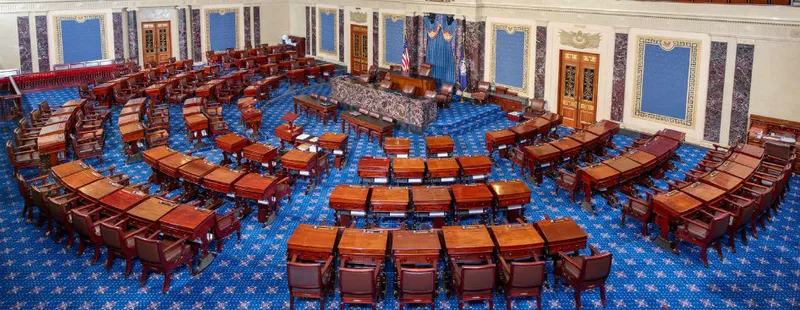
The deadline Hassan set is December 14, 2026. Vance’s office has not said publicly whether it will comply in full, in part, or resist the request. As vice president, Vance is not subject to the same disclosure rules as a cabinet secretary, and the White House may argue that some of the requested communications are protected. Hassan, as incoming chair of the Homeland Security and Governmental Affairs Committee, will have subpoena power when the new Congress is seated in January, which gives her leverage if the voluntary request is ignored or answered incompletely.
The investigation also has a legislative purpose. Hassan wrote that she is examining whether existing law adequately prevents, discloses and remedies conflicts of interest among senior executive branch officials, and whether legislation is needed to strengthen it. That framing suggests the inquiry could end with a bill as well as a report, and it gives Hassan a reason to keep the investigation going even if the document fight stalls.
For now, the facts that matter most are the ones neither side disputes: Vitol got the license, Wright made the call, Addison’s donations are on the record, and the profits ran into the hundreds of millions. The question the Senate wants answered is whether the vice president connected those dots, and the documents due on December 14 are the first step toward an answer.
Frequently Asked Questions
What is the JD Vance Venezuela oil investigation?
Senator Maggie Hassan opened an investigation into whether Vice President JD Vance used his position to help Vitol, a commodities trading firm, secure a lucrative license to sell Venezuelan oil. The probe follows a Reuters report that Vance met Vitol trader John Addison in Montana in December 2025, a week before the US military operation in Venezuela.
Who is John Addison?
John Addison is a former Vitol trader who was a gasoline trader for the company, with no expertise in trading Venezuelan crude, according to Vitol. He contributed $300,000 to a political action committee backing Vance’s 2022 Senate campaign, and he and his wife donated $7 million to groups supporting Trump’s 2024 campaign. He retired from Vitol earlier this year.
What did Vance and Addison allegedly discuss?
According to a person familiar with the matter cited by Reuters, they discussed Venezuela, and Vance was particularly interested in how quickly Venezuelan crude could be sold if the US gained control of the country’s oil supplies. Both Vance and Addison deny the meeting took place.
How did Vitol get the Venezuelan oil license?
Two days after the January 2026 US operation that ousted Nicolas Maduro, Energy Secretary Chris Wright called Addison to discuss marketing Venezuelan crude. Within days, Vitol and rival trader Trafigura received special licenses to sell the oil. Vitol has since earned hundreds of millions of dollars from the arrangement, according to independent experts.
What happens next in the investigation?
Hassan asked Vance to provide documents and communications by December 14, 2026. She becomes chair of the Senate Homeland Security and Governmental Affairs Committee in January, when she will have subpoena power if the voluntary request is not answered. The committee is also examining whether new conflict-of-interest legislation is needed.
Conclusion
The JD Vance Venezuela oil investigation turns on a single disputed meeting in Montana and the paper trail around it. The Senate has the flight records, the donation records, the timing of Wright’s call and the size of Vitol’s profits. What it does not yet have is the vice president’s own account of his dealings with Addison and Vitol, which is exactly what Hassan has demanded by December 14. Until those documents arrive, the story remains an allegation denied by both men at its center. If they show contact that the denials omitted, the investigation becomes a crisis for the vice president. If they show nothing, it becomes a cautionary tale about anonymous sources.
