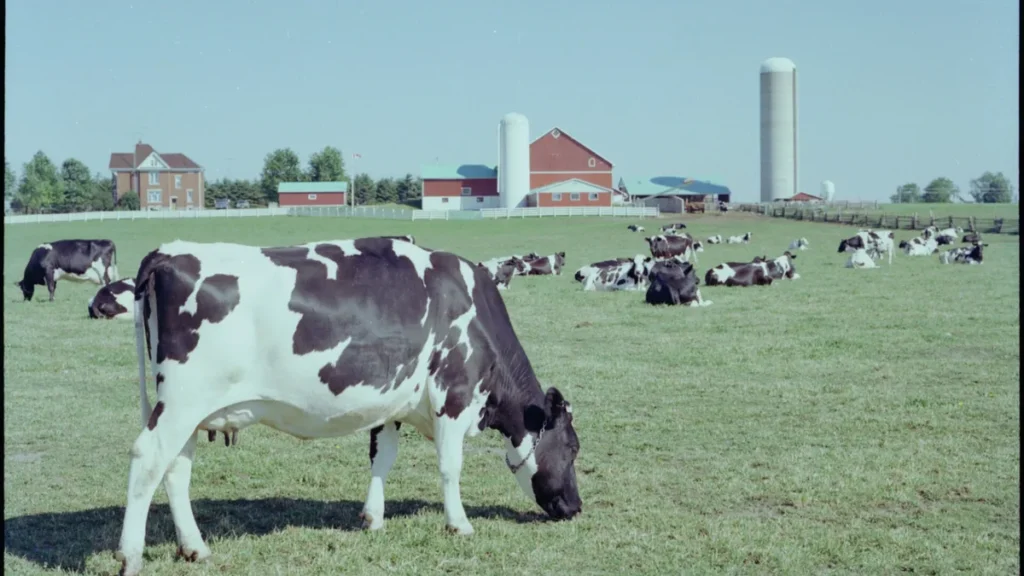
Bird Flu in Washington: Three Dairy Workers Infected, One Dead, WHO Says
Bird flu in Washington has infected three dairy workers in Yakima County and killed one of them, the World Health Organization said on Tuesday, in the first death reported anywhere in the world after exposure to infected dairy cattle. All three cases were adults who worked on dairy farms where the H5N1 virus had recently been found in cattle. Two of the workers had mild illness and recovered without hospital care. The third, who had underlying medical conditions, developed severe respiratory illness and died on November 1. Health officials say there is no evidence the virus spread from person to person, and the WHO assesses the risk to the general public as low. The cases bring the total number of confirmed human H5 infections in the United States since 2024 to 75, according to the CDC.
Table of Contents
What Happened in Yakima County

Yakima County is a major agricultural and dairy-producing area in Washington state, and it is where the outbreak in cattle began. Washington confirmed its first detections of highly pathogenic avian influenza H5N1 in dairy cattle on October 8, at two dairies in Yakima County. The outbreak then spread quickly: 33 infected herds have been reported in Yakima County, and a herd in neighboring Benton County was confirmed on October 26. Oregon has also reported its first infected dairy herd, becoming the 22nd state with the virus in cows.
The United States notified the WHO of the human cases through its International Health Regulations National Focal Point. The bird flu Washington cases were the first human infections tied to the state’s dairy cattle outbreak. The first case was reported on October 16, and the other two, including the fatal case, were reported on November 4. The WHO published its full account of the event on November 24. It is not known whether the three workers were employed on the same farm. Close contacts of the confirmed cases are being monitored, and public health teams are also watching other people who were exposed to infected cattle or contaminated environments.
The Three Cases: What Health Officials Know
The three workers were all adults aged 18 or older, and all had direct exposure to dairy cattle. Genetic sequencing confirmed that all three infections were caused by the H5N1 virus, with strains closely matching those found in dairy cattle in Washington. The viruses belong to H5 haemagglutinin clade 2.3.4.4b, genotype B3.13. On November 4, the US Department of Agriculture reported that whole-genome sequencing of the virus in the first two affected dairy herds identified the same genotype, and that the genetic analysis was consistent with the virus arriving from Idaho, likely through cattle movement.
| Case | Symptoms | Outcome |
|---|---|---|
| First case | Eye irritation, runny nose, muscle aches, headache from October 5 | Sought care October 12, not hospitalized, treated with oseltamivir |
| Second case | Severe respiratory illness, with underlying medical conditions | Hospitalized, died November 1 |
| Third case | Conjunctivitis | Sought care, recovered without hospitalization |
The first worker developed symptoms on October 5 and sought medical care on October 12. Eye and nose specimens were collected that day and tested at the Washington State Public Health Laboratory using the CDC influenza A(H5) assay. The eye specimen tested positive on October 14, and further testing at the CDC confirmed H5N1. The second worker developed respiratory symptoms during the week ending October 24, went to an emergency department the following week, was hospitalized with severe illness and died on November 1. The third worker developed conjunctivitis and sought care but did not need hospital treatment; specimens collected during the week ending October 31 tested positive at the state laboratory.
A First: Death After Exposure to Dairy Cattle
The death in Yakima County is the first reported anywhere in the world following exposure to infected dairy cattle or a related contaminated environment. It is also the first avian influenza death reported in the United States in 2026, and the first US death from the virus in about a year. It is Washington state’s second fatal avian influenza infection in less than a year. The patient who died had underlying health conditions, which health officials say can make severe illness more likely.
“Avian influenza can cause severe illness, particularly among people who have underlying health conditions,” Dr. Dave Atteberry, health officer for the Yakima Health District, said in a statement. “While this is a serious and heartbreaking outcome, the risk to the general public remains low.” That distinction runs through the whole event: the virus can be dangerous for the small group of people who work closely with infected animals, while the risk for everyone else stays low. Human infection with avian influenza viruses can range from mild conjunctivitis or upper respiratory symptoms to severe, life-threatening illness, and the two mild cases in Yakima County show the more common pattern.
How Officials Are Responding
Federal, state and local health authorities have put a full response in place for the bird flu Washington investigation. They are investigating the confirmed cases and their animal exposures, monitoring close contacts for symptoms, testing people who were exposed and develop symptoms, and carrying out enhanced surveillance to catch any further human infections. Workers who may have been exposed are being given information on symptoms, testing and ways to reduce exposure, and officials are promoting the use of appropriate personal protective equipment for people who work with infected animals or in contaminated environments. The CDC recommends that people exposed to birds or other animals suspected or confirmed to be infected with avian influenza be monitored for signs and symptoms for up to 10 days after their last exposure.
The WHO said there is no evidence so far of human-to-human transmission in these cases, and that sustained human-to-human transmission of A(H5) viruses has not been detected anywhere in the world. The agency does not advise special screening at points of entry for this event, and it does not currently recommend any travel or trade restrictions. The investigation and monitoring of contacts is ongoing, and the WHO said the situation may change as more information becomes available.
What the Bird Flu Washington Cases Mean
For most Americans, the Yakima County cases change very little. The bird flu Washington risk assessment from the WHO is unchanged: the WHO assesses the risk to the general population from A(H5N1) viruses as low, and the risk for people with occupational exposure, such as dairy and poultry workers, as low to moderate. The virus spreads to people through direct contact with infected animals or exposure to contaminated environments, not through casual contact, and there is no sign it has learned to spread between people.
Food safety advice from the WHO is straightforward. Consumption of raw or unpasteurized milk and raw milk products should be avoided, because the virus has been found in dairy cattle. Pasteurized milk and milk products can be consumed safely, and where pasteurized milk is not available, heating raw milk until it boils makes it safer. Eggs, poultry meat and other poultry products should be properly cooked and handled during food preparation. People should also avoid unprotected contact with sick or dead animals and with environments that may be contaminated by infected animals.
There are limits to the medical defenses available. There are currently no readily available vaccines against influenza A(H5) viruses for humans, although candidate vaccine viruses have been selected for pandemic preparedness. Existing seasonal influenza vaccines are unlikely to provide protection against avian influenza A(H5) viruses. Antiviral drugs such as oseltamivir can shorten the illness when given early, ideally within 48 hours of symptoms starting, which is why exposed workers are told to seek care quickly if they develop symptoms.
For more health coverage from Globaly Mag, see our guides to prenatal yoga, what HIIT training is and arm workouts with weights.
What Comes Next
The WHO expects additional sporadic human infections while the virus keeps circulating in animal populations, so the Yakima County cases are unlikely to be the last. The spread to Oregon shows the cattle outbreak is still widening, and each new infected herd creates more chances for workers to be exposed. Continued surveillance, genetic sequencing of viruses found in people and animals, and quick investigation of exposed workers remain the main tools for spotting any change in the virus.
The key question health officials are watching is whether the virus changes in a way that makes it spread more easily between people. Bird flu Washington developments will be reported by the CDC each Friday in FluView, alongside its weekly influenza updates. So far there is no sign of that change: the CDC found no changes in the virus from the patient who died that would make it spread more easily or cause more severe illness, according to the Associated Press. As long as that holds, the public health advice stays the same, which is to protect farm workers, monitor contacts, keep raw milk off the table and keep watching the virus closely.
Frequently Asked Questions
Can bird flu spread from person to person?
There is no evidence of human-to-human transmission in the Washington cases, and sustained human-to-human transmission of A(H5) viruses has not been detected anywhere in the world so far. Limited transmission has been reported in a small number of events globally, and the WHO continues to monitor the virus for changes.
Is milk safe to drink?
Pasteurized milk and milk products can be consumed safely. Raw or unpasteurized milk and raw milk products should be avoided, because H5N1 has been found in dairy cattle. Where pasteurized milk is not available, heating raw milk until it boils makes it safer to drink.
What are the symptoms of bird flu in people?
Symptoms can range from mild to severe. The Washington cases involved eye irritation and conjunctivitis, runny nose, muscle aches, headache and severe respiratory illness. People who were exposed to infected animals and develop respiratory symptoms or eye irritation should seek care and get tested.
Who is most at risk from bird flu?
People who work directly with infected animals, such as dairy and poultry farm workers, face the highest risk, which the WHO rates as low to moderate. The risk to the general public is assessed as low.
Should I worry about bird flu in Washington?
For most people, no. The risk to the general public is low, and there is no sign the virus is spreading between people. Avoid unprotected contact with sick or dead animals, do not drink raw milk, and seek medical care promptly if you were exposed to infected animals and develop symptoms.
Conclusion
Bird flu in Washington has sickened three dairy workers in Yakima County and killed one, the first death reported anywhere in the world after exposure to infected dairy cattle. The other two workers had mild illness and recovered. Genetic testing tied all three infections to the H5N1 virus circulating in the state’s dairy herds, and health officials found no evidence the virus spread between people. The WHO rates the risk to the general public as low, while farm workers face a low to moderate risk and should use protective equipment and seek care quickly if symptoms appear. With the cattle outbreak still spreading, including into Oregon, surveillance and worker protection remain the priority, and the milk on store shelves is safe as long as it is pasteurized.
