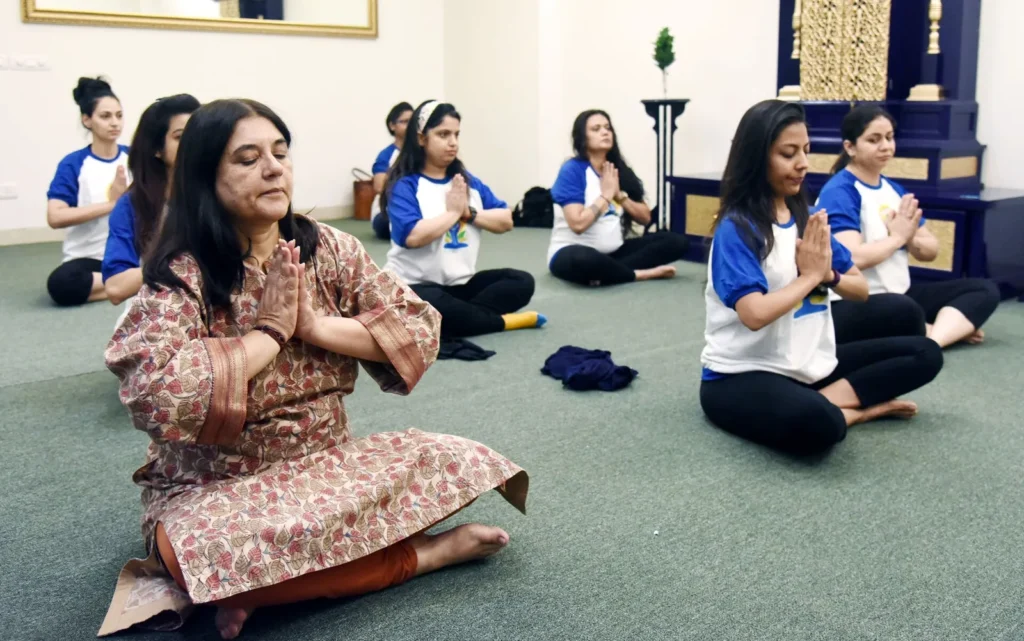
Prenatal Yoga: Safe Poses and Benefits by Trimester
Prenatal yoga adapts gentle yoga poses, breathing and relaxation for pregnancy, and it is one of the most recommended forms of exercise for expectant mothers. The American College of Obstetricians and Gynecologists, known as ACOG, lists modified yoga among the safest exercises in pregnancy, alongside walking and swimming. Regular practice can ease back pain, reduce stress, improve sleep and teach breathing skills that help during labor. The key word is modified: poses change as your body changes, and some familiar poses need to be skipped or softened. This guide covers the benefits, ten safe poses, what to practice in each trimester, what to avoid, and how to start, even if you have never done yoga before. Get your doctor or midwife to clear you first, because every pregnancy is different.
Table of Contents
Is Prenatal Yoga Safe?
For most healthy pregnancies, yes. ACOG states in its 2020 guidance that physical activity in pregnancy is safe and desirable when there are no obstetric or medical complications, and it specifically lists modified yoga among the safest choices. The UK National Health Service counts yoga toward the 150 minutes of moderate activity it recommends each week, and toward muscle strengthening as well.
That guidance comes with two conditions. First, get clearance from your doctor or midwife before you start, especially if you have a high risk pregnancy, placenta problems, high blood pressure or a history of early labor. Second, choose prenatal yoga, not a regular class. Prenatal classes adapt poses for a shifting center of gravity, looser joints and a growing belly. This article is general information, not personal medical advice, and your clinician knows your pregnancy best.
Prenatal Yoga Benefits
The benefits of prenatal yoga are practical, not abstract. Back pain is the most common complaint in pregnancy, and gentle movement, hip openers and supported poses ease tight hips, a sore lower back and round ligament discomfort. Breathing and slow movement calm the nervous system, and reviews of prenatal yoga report less anxiety, stress and low mood. Many women also sleep better after a gentle evening session. Strength matters too: carrying a growing belly changes your posture and balance, and yoga builds the leg, glute and core strength that supports that extra weight. It also teaches breath control, which is one of the most useful skills you can take into labor, and the positions you practice, such as supported squats and hands and knees, are positions many women use during birth itself.
10 Safe Prenatal Yoga Poses
These poses are gentle, stable and easy to modify. Move slowly, breathe normally through each one, and stop if anything hurts or feels wrong.
- Cat-cow: on hands and knees, arch your back as you breathe in, then round it as you breathe out. Eases back tension and warms up the spine.
- Wide-knee child pose: kneel with knees wide to make room for your belly, then fold forward onto a bolster or cushions. A deep rest for the back and hips.
- Supported squat: stand with feet wide and lower into a squat, holding a chair or wall for balance, or sit on a block. Builds leg strength and opens the pelvis.
- Bound angle: sit with the soles of your feet together, knees falling open, sitting tall on a folded blanket. A gentle hip opener.
- Bird dog: on hands and knees, extend one arm and the opposite leg, keeping your back flat. Builds balance and gentle core stability.
- Standing side stretch: stand with one hand on a wall and reach the other arm overhead, leaning gently to the side. Opens the ribs.
- Wall downward dog: place your hands on a wall at hip height and step back, keeping your back long. A mild stretch that avoids putting your head below your heart.
- Hip-flexor lunge: step one foot forward into a short, low lunge with hands on a chair. Opens tight hip flexors from sitting.
- Thread the needle: on hands and knees, slide one arm under the other for a gentle upper back twist. Keep the twist open, never compressing the belly.
- Side-lying rest: lie on your side with a pillow between your knees and one under your head. The safest rest position in later pregnancy.
If you want more pose ideas with names and descriptions, our guide to yogasana postures with names explains twenty classic poses and how each one works.
Breathing and Relaxation in Prenatal Yoga

Breathing is half of prenatal yoga, and it is the part you will use most during labor. The simplest technique is 360 breathing: breathe in slowly through your nose, letting your ribs and belly expand in all directions, then breathe out slowly through your mouth, a little longer than the breath in. Practice for two or three minutes at the start of a session, and again at the end. Relaxation matters as much as movement. Most prenatal classes end with a few minutes of rest, lying on your side with eyes closed, letting the body soften. If you practice at home, set a timer for five minutes and treat that rest as part of the workout, not an optional extra.
Prenatal Yoga by Trimester
What you practice should change as your pregnancy progresses. This table gives a simple guide.
| Trimester | What suits most women | What to change or avoid |
|---|---|---|
| First (to about week 13) | Short sessions, seated breathing, cat-cow, standing poses near a wall | Hot rooms and overheating, practicing on an empty stomach, long sessions on nauseous days |
| Second (weeks 14 to 27) | Standing poses with a chair, open twists that turn away from the belly, hip openers | Lying flat on your back, closed twists, lying on your belly, balance without support |
| Third (week 28 onward) | Hands and knees, seated poses, supported squat if comfortable, birth positions, breathing and rest | Long holds, wide-legged poses if you have pelvic girdle pain, getting up quickly from the floor |
In the first trimester, keep sessions short and stop if nausea wins; breathing alone counts as practice on a bad day. In the second trimester, your belly grows and your balance shifts, so use a wall or a chair and move from lying on your back to lying on your side. In the third trimester, comfort matters most: supported poses, gentle hip openers and breathing prepare you for birth.
Poses and Practices to Avoid
Some poses become unsafe as pregnancy progresses, and a few should be avoided from the start. Skip hot yoga entirely: ACOG warns against overheating, especially in the first trimester, and hot rooms make dehydration and dizziness more likely. Avoid lying flat on your back for long periods after the first trimester, because the womb can press on the large vein that returns blood to your heart, which can lower your blood pressure and make you dizzy. Prop your upper body up or roll onto your side instead. Also avoid lying on your belly, deep closed twists that compress the belly, intense backbends such as full wheel or camel, deep core work such as crunches, full inversions such as headstands, and any pose with a real risk of falling. Jumps and jerky movements are out too. If a pose feels wrong, it is wrong for you that day, even if it felt fine last week.
When to Stop and Call Your Doctor
Stop exercising and call your doctor or midwife if you notice any of the warning signs ACOG lists for exercise in pregnancy: vaginal bleeding, feeling faint or dizzy, shortness of breath before you start, chest pain, headache, muscle weakness, calf pain or swelling, regular painful contractions, or fluid leaking from the vagina. These signs matter whether you are doing yoga, walking or any other activity. Do not wait for the next class to mention them. Call the same day, and rest until you have advice.
How to Start Prenatal Yoga
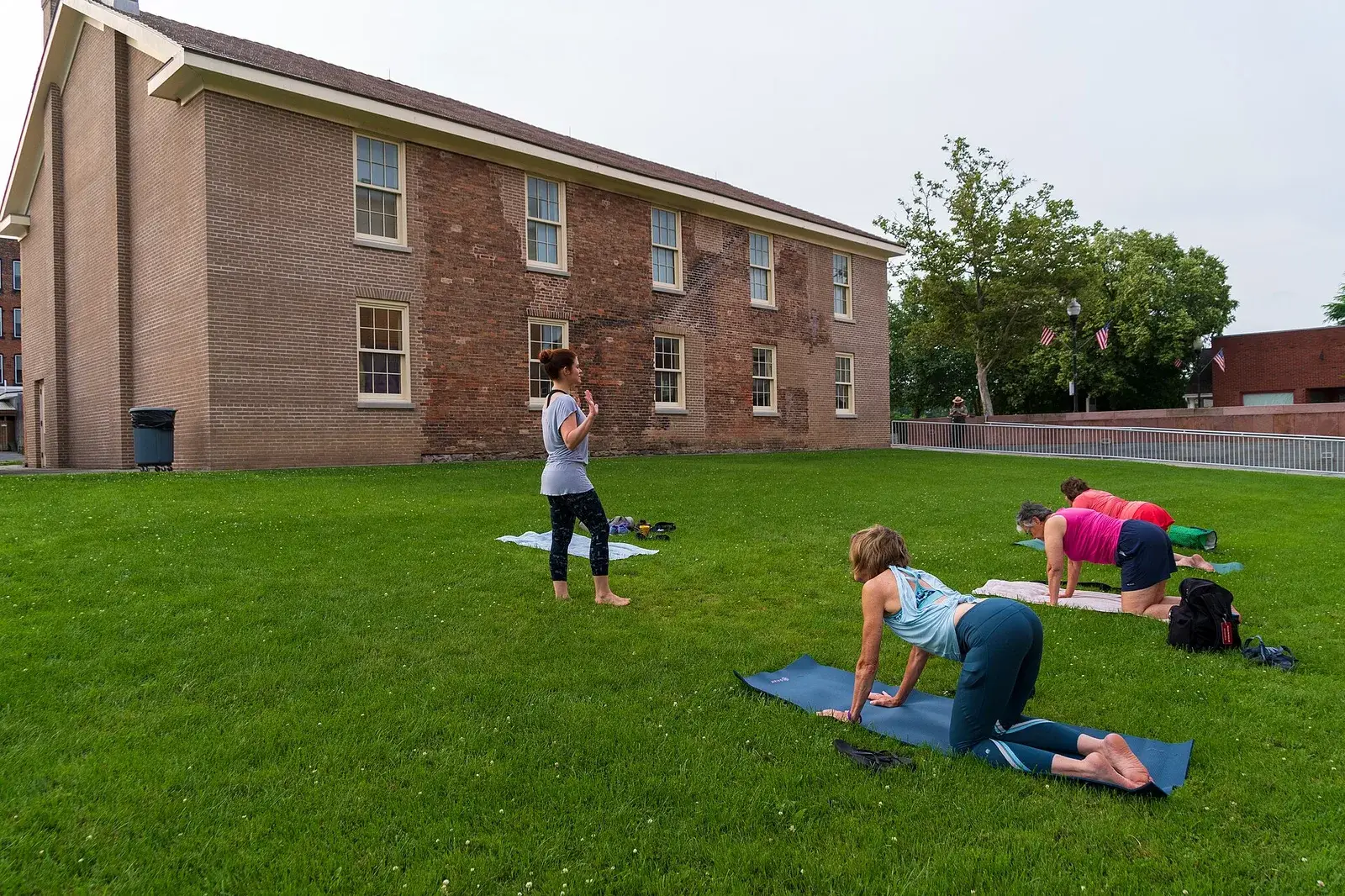
Starting is simple, and you do not need to be flexible or experienced. ACOG suggests beginning with as little as five minutes a day and adding five minutes each week, while the NHS suggests about ten minutes a day to begin with. Two or three short sessions a week, plus walking, fits the goal of 150 minutes of moderate activity a week. Choose a prenatal class rather than a general class, so the teacher adapts poses for you. Gather simple props: a yoga mat, two blocks, a bolster or firm cushions, and a chair or wall nearby for balance. Keep water within reach, and eat a light snack an hour before class so you are not practicing on an empty stomach. If you are completely new to exercise, our guide on how to start working out as a complete beginner explains how to build a routine safely from zero.
After birth, gentle movement can resume as soon as you feel up to it following a straightforward birth, and core strength returns gradually over weeks. Our best lower ab exercises are a useful reference for that stage, once your doctor says core work is safe again, which is usually around six weeks after a caesarean birth.
Frequently Asked Questions
Can I do yoga in the first trimester?
Yes, if your doctor has cleared you to exercise. Keep sessions short, stay cool, and scale back on days when nausea is strong. Seated breathing and gentle cat-cow are good choices.
Can I start prenatal yoga if I have never done yoga?
Yes. Prenatal yoga is designed for beginners as well as experienced students. Start with a prenatal class, tell the teacher you are new, use props and a wall for balance, and build up from five or ten minutes a day.
Is hot yoga safe during pregnancy?
No. ACOG advises against hot yoga and hot Pilates in pregnancy because overheating can be risky, especially in the first trimester. Practice in a cool, ventilated room.
How often should I do prenatal yoga?
Two or three short sessions a week, plus walking, is a good target. That fits the 150 minutes of moderate activity a week that ACOG and the NHS recommend, and it is easier to keep up than one long weekly session.
Can prenatal yoga cause a miscarriage?
ACOG does not link regular moderate exercise in uncomplicated pregnancies to a higher risk of miscarriage. The real risks to avoid are overheating, falls and trauma, which is why hot yoga and risky poses are left out of prenatal classes.
Conclusion
Prenatal yoga is one of the safest and most useful forms of exercise in pregnancy, once your doctor clears you. It eases back pain, reduces stress, improves sleep, builds strength for carrying your baby, and teaches breathing skills that help during labor. The practice changes with each trimester: short and gentle early on, supported and steady in the middle, and focused on comfort, breathing and birth positions near the end. Skip hot yoga, deep twists and lying flat on your back, and stop and call your doctor if any warning sign appears. Start small, use props and a prenatal class.
