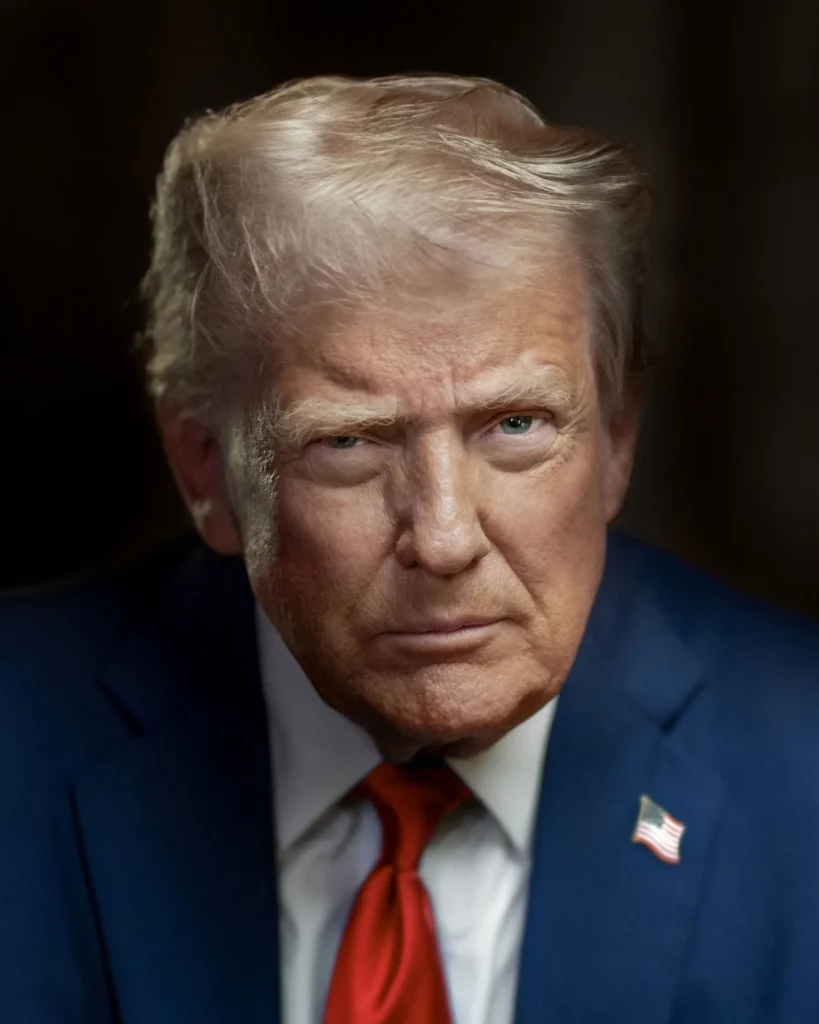
Trump Urges Putin to Pull Back Military Aggression Across Europe
President Donald Trump said on Thursday, November 26, 2026, that he asked Russian President Vladimir Putin to pull back all military aggression against territories throughout Europe, in the hope that a deal to end the war in Ukraine can be made quickly. Trump revealed the Trump Putin pull back request in a post on Truth Social, a week after he met Putin face to face in China.
Table of Contents
The Trump Putin pull back wording matters. Trump has pressed for a negotiated end to the war in Ukraine for months, but this time he used broader language that reaches beyond Ukraine to cover Europe as a whole, without saying exactly which territories or actions he meant. The post came a day after Trump met NATO Secretary General Mark Rutte at his Mar-a-Lago club in Florida, and it landed as Ukraine warned of a new large Russian attack in the coming days.
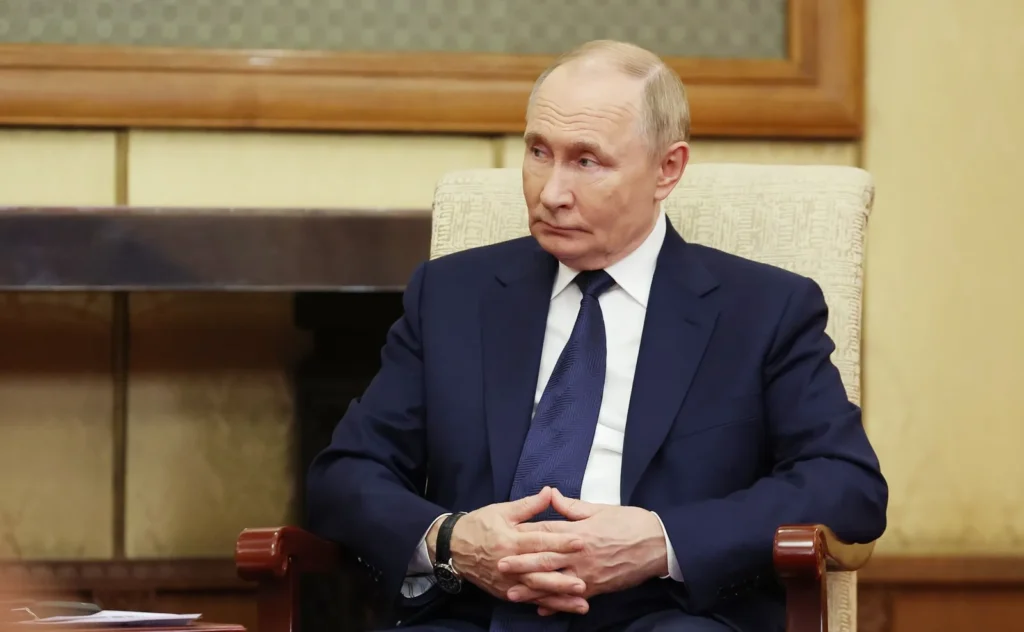
Trump Putin Pull Back: What Trump Asked Putin to Do
Trump said he raised the issue at length during his conversations with Putin in China. According to Reuters, he wrote: “During my conversations in China with President Vladimir Putin, of Russia, I spent a lot of time talking about the fact that I would like to see President Putin pull back all Military aggression against territories throughout Europe, in the hopes that a Deal can be made between Russia and Ukraine, and made quickly.”
Trump added that he believes a deal is a strong possibility, and he described the war in stark terms, saying thousands of people are being killed each and every month and calling it a complete bloodbath.
The two leaders met on November 19 in Shenzhen, China, alongside Chinese President Xi Jinping, in a trilateral meeting Trump later described as historic. At that meeting Trump called Putin his friend, a warm reception that raised eyebrows among European leaders. His new post strikes a different note, turning from praise to a public demand that Russia ease off.
Putin has not publicly responded to the request. Trump did not say what he wants Putin to stop doing in concrete terms, and he did not spell out what would count as pulling back. Reuters noted that since Russia invaded Ukraine in 2022, other countries have occasionally accused Moscow of provocative behaviour beyond Ukraine, and those accusations are part of why Trump’s broader wording drew attention.
A Shift in Tone After the Shenzhen Meeting
The change in tone was visible in Europe within hours. German Chancellor Friedrich Merz accused the Kremlin on November 25 of escalating threats toward European security, pointing to actions in the Baltic region, recent threats against Estonia, and actions in Poland and on the Black Sea. “Russia knows exactly what it wants. And Russia wants more than Ukraine,” Merz said, according to USA Today.
The incidents behind that warning are fresh. Poland, a NATO member, accused Russia this week of deliberately violating Polish airspace, Reuters reported. Estonia recently linked an arson attack to Russia’s military intelligence service. Neither incident on its own is a major military event, but together they explain why European leaders read Trump’s phrase “territories throughout Europe” as a reference to more than Ukraine.
Trump’s own envoy added to the mixed signals. White House envoy Jared Kushner described Putin this week as a “grandmaster of politics” and a “historic figure” who has shown restraint by not using nuclear weapons against Ukraine, according to USA Today. Kushner also said that Russia and Trump are now comfortable with Article Five-style security guarantees for Ukraine, while the territorial question remains, in his words, a little bit of a deadlock.
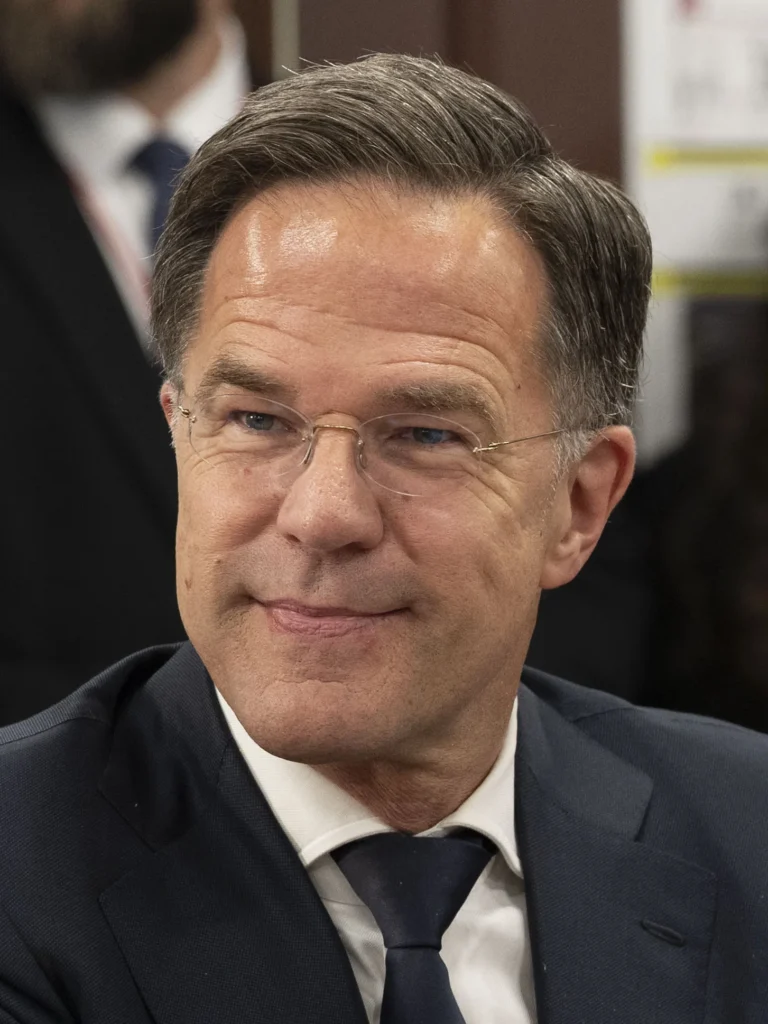
What Trump Told NATO Chief Mark Rutte
Trump’s post followed a meeting with NATO Secretary General Mark Rutte at Mar-a-Lago on Wednesday night, November 25. Trump said he updated Rutte on his talks with Putin, and the two leaders issued a joint statement calling on Russia not to expand the war.
NATO’s four-paragraph statement said Rutte and Trump discussed “the importance of Russia avoiding any actions that intentionally, or unintentionally, expand the war, and the importance of obtaining a peaceful resolution to the war as rapidly as possible,” according to USA Today.
The version Trump released on social media differed from NATO’s. His version included Ukraine alongside Russia in the call to avoid expanding the war, and it added a lengthy paragraph about US defence spending and the munitions industry that did not appear in NATO’s text. Trump also said US defence companies producing Patriot missiles and other weapons are building more than 20 new facilities, according to NHK.
The differences between the two statements are small in wording but real in meaning. NATO’s text puts the burden on Russia alone. Trump’s version spreads it to both sides, which matches his long-standing position that both Moscow and Kyiv must make concessions for a deal. For readers following the Trump-Xi-Putin summit in Shenzhen, the Mar-a-Lago meeting was the next step in a fast-moving diplomatic sequence that has now produced two public statements in two days.

Kyiv Under Fire as Zelenskyy Warns of a New Attack
While the diplomacy played out in Florida, the war continued in Ukraine. Ukrainian President Volodymyr Zelenskyy said in his nightly video address on Thursday that Ukraine has information Russia is preparing a new mass strike in the coming days, according to Al Jazeera. He urged Ukrainians to pay attention to missile threat alarms.
Russia struck Kyiv with ballistic missiles overnight, wounding seven people and hitting a shopping centre and two other buildings, Kyiv Mayor Vitali Klitschko said. On November 20, Russia fired more than 400 drones and 110 missiles at Ukraine, killing eight people, Zelenskyy said.
The fighting sits alongside a difficult debate in Europe about money. European Union leaders are struggling at a summit in Brussels to agree on a new 45 billion euro loan, about $49 billion, to help Ukraine meet its economic and military needs next year, Al Jazeera reported. The loan matters because Ukraine’s defence depends heavily on outside funding, and the argument over it has dragged on for weeks.
There was one piece of better news for Kyiv. Ukraine’s military intelligence agency said on Thursday that North Korea has temporarily halted some military cooperation with Russia after diplomatic tensions between the two allies, according to Al Jazeera. North Korea has supplied Russia with missiles and troops during the war, so any pause, even a temporary one, eases some of the pressure on Ukraine.
What Happens Next
Three things will show whether the Trump Putin pull back request changes anything. The first is Putin’s response, which had not come by Friday morning. The second is the battlefield: Zelenskyy’s warning of a new mass strike suggests Russia is not slowing its attacks, and a strike in the coming days would undercut the idea that a deal is close.
The third is the negotiation itself. The territorial question remains the hardest part of any deal, and Kushner’s comment that it is a deadlock is the clearest public signal yet that the two sides are still far apart on land. Security guarantees are the other half of the puzzle. If Russia truly accepts Article Five-style guarantees for Ukraine, as Kushner said, that would remove one obstacle. But guarantees mean little without agreement on where the borders fall.
Trump also raised the question of Putin’s travel, saying he was unsure if Putin would come to the G20 summit next month in Miami, but that if he wanted to come, he certainly can, according to Arab News. A Putin visit to the United States would be a major event in itself, and it would put the two leaders in the same room again within weeks of their China meeting.
For now, the post is a public marker. Trump has moved from calling Putin a friend in Shenzhen to asking him, in public, to pull back across Europe. Whether that shift produces a deal, or simply records a disagreement, will become clear in the coming days. Readers can follow the wider context in our coverage of the war in Ukraine and NATO’s role, the Iran drone attack in Kuwait and the new US tariffs on 14 trading partners, which also touch the trade truce with China that expires on January 10.
Frequently Asked Questions
What did Trump ask Putin to do?
Trump said he asked Putin to pull back all military aggression against territories throughout Europe, in the hope that a deal between Russia and Ukraine can be made quickly. He revealed the request in a Truth Social post on November 26, 2026, after discussing it with Putin in China.
When did Trump meet Putin in China?
The two leaders met on November 19, 2026, in Shenzhen, China, in a trilateral meeting that also included Chinese President Xi Jinping. Trump described Putin as his friend at that meeting, a week before his public call for Russia to pull back.
What did Trump discuss with NATO chief Mark Rutte?
Trump met Rutte at Mar-a-Lago in Florida on November 25. They issued a joint statement calling on Russia not to expand the war and stressing the need for a peaceful resolution as rapidly as possible. Trump’s version of the statement differed from NATO’s in small but real ways.
Is a Ukraine peace deal close?
Trump said he believes a deal is a strong possibility. But his envoy Jared Kushner said the territorial question is still a deadlock, and Zelenskyy warned of a new mass Russian strike in the coming days, so the fighting and the negotiations are both still active.
Conclusion
The Trump Putin pull back call is the clearest public demand he has made of the Russian leader since their Shenzhen meeting. It follows a NATO meeting, a warning from Germany about escalating threats, and fresh Russian strikes on Kyiv. The words are strong, but the test is what happens next: Putin’s answer, the scale of the next Russian attack, and whether the territorial deadlock in the talks starts to move. For now, the post marks a shift in tone, and the coming days will show whether it also marks a shift in the war.
