Trump Proposes New Tariffs on 14 Trading Partners, With China Facing the Highest Rates
The Trump tariffs on 14 countries are back on the table. The Trump administration on Wednesday proposed new tariffs on 14 major trading partners, accusing them of flooding world markets with cheap goods made possible by subsidies and state-backed overproduction. China faces the highest rates, with a proposed 20 percent excess-capacity tariff that would sit on top of the roughly 25 percent in tariffs imposed during President Donald Trump’s first term. The move, announced by the Office of the US Trade Representative after an eight-month investigation, is the administration’s latest attempt to rebuild the sweeping global tariff wall that the Supreme Court struck down in February. Here is what was proposed, which countries are affected, what the rates are, and what happens next.
Table of Contents
What the Trump Tariffs on 14 Countries Cover
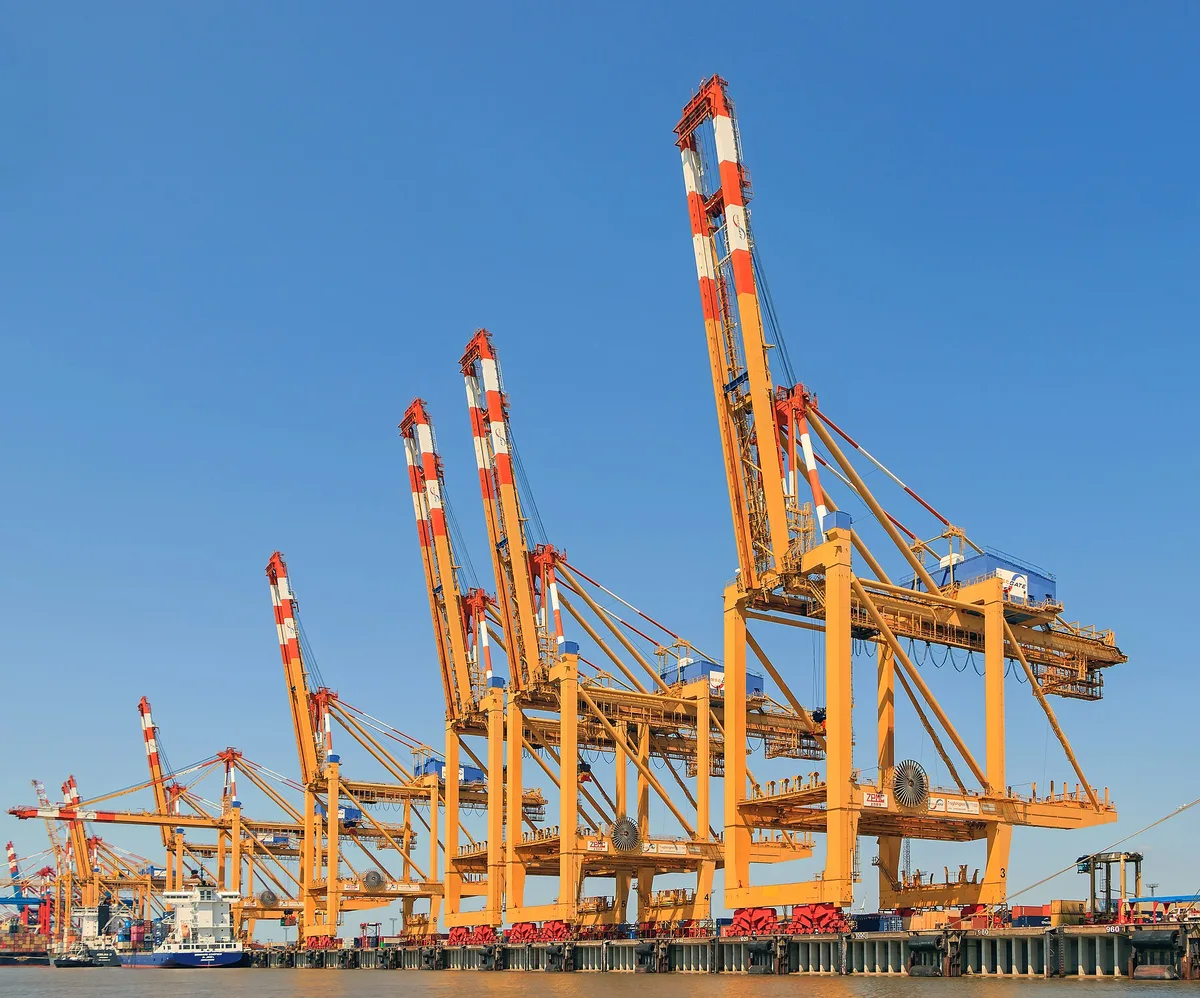
The new duties target what Washington calls “structural excess capacity” in manufacturing. According to Reuters, the US Trade Representative’s office announced the duties after completing an eight-month probe under Section 301, the 1974 trade law that lets Washington penalise countries it determines are treating US businesses unfairly. The investigation covered 16 economies and looked at industries from steel and cars to computer chips and solar panels, examining government subsidies, state-suppressed wages and the operations of state-owned companies.
A senior US official told Reuters that Washington concluded each of the 14 trading partners “creates, sustains, or contributes to structural excess capacity and production in manufacturing sectors through various acts, policies, and practices that we find to be unreasonable and burden or restrict US commerce.” The US Trade Representative defines structural excess capacity as situations where countries are “promoting production and capacity divorced from the realities of demand and market principles,” including through industrial policies, subsidies and the use of components imported from non-market economies.
The administration argues that this support lets foreign factories sell their goods more cheaply around the world, undercutting American manufacturers and discouraging investment in the United States. Beijing rejects the accusation and says its exports simply reflect competitive advantages. The probe was also partly directed at Chinese investment in Vietnam, Indonesia and Cambodia, which Washington says is used to manufacture goods for the US market and avoid earlier US tariffs.
Which Countries Face the New Tariffs
The 14 trading partners facing the Trump tariffs on 14 countries are China, Bangladesh, Cambodia, the European Union, India, Indonesia, Japan, South Korea, Malaysia, Singapore, Switzerland, Taiwan, Thailand and Vietnam. Mexico and Norway, which were also investigated, were spared for now. The US Trade Representative is still reviewing the excess-capacity probes into those two countries, and no timeline was given for their completion.
The specific rates were to be published in a US Federal Register notice on Wednesday. Here is what the administration has said about the rates so far:
- China: a proposed 20 percent excess-capacity tariff, on top of roughly 25 percent in tariffs from Trump’s first term. If the US-China trade truce falls apart, the rate could rise to 40 percent.
- European Union: a 15 percent cap, in line with the trade deal agreed with the bloc. That could rise to 20 percent.
- Japan, South Korea, Switzerland and Taiwan: a 15 percent cap, which could rise to 20 percent.
- Malaysia: a 19 percent cap. Cambodia, Indonesia, Thailand and Bangladesh: an 18 percent cap.
- India: a 17 percent rate if a trade deal with Washington is finalised, rising to 25 percent if talks fail.
- Vietnam: a 20 percent capped rate, rising to 35 percent if negotiations fail.
- Singapore: a 10 percent capped rate.
The proposed duties would not stack on top of the tariffs of 10 percent or 12.5 percent that the administration imposed in July on a wider group of 60 trading partners over allegations of lax enforcement of anti-forced-labor laws. They would also stay within the tariff limits in trade deals the administration has already negotiated, and about 30 billion dollars worth of Chinese imports would not be affected at all because the US is considering tariff reductions on them under a bilateral process called the Board of Trade.
China Faces the Highest Rates
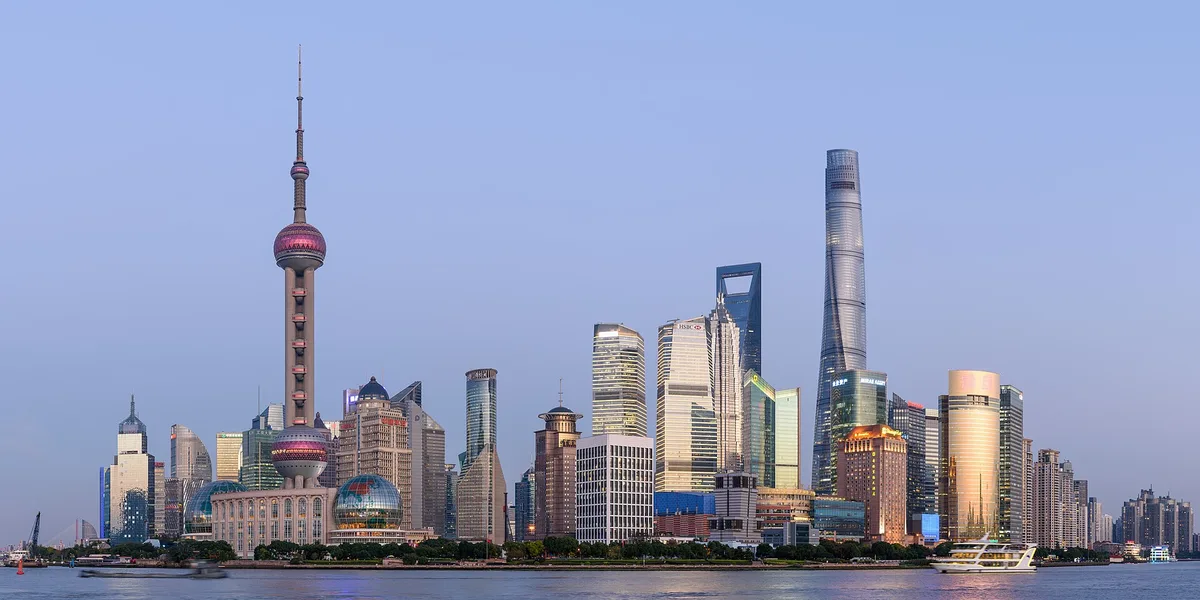
China is the clear focus of the new tariffs. The administration has singled out China as the biggest source of excess industrial capacity, pointing to its steel, aluminum, electric vehicles, household appliances and solar products industries. Tensions with Beijing have already played out in court this week: Huawei was convicted in a US criminal trial over Iran sanctions and trade secrets. China would face the highest rates of the 14 trading partners, and the senior US official said the proposed 20 percent excess-capacity tariff on Chinese goods would keep China above the 20 percent proposed rate for Vietnam.
At the same time, the official stressed that the new duties would not break the tariff limits in trade deals the administration has negotiated, including a 20 percent cap for China during Trump’s second term under a year-old trade truce with Beijing that is due to expire on January 10. Washington does not expect Beijing to retaliate against the new duties, the official said.
“We know that they don’t like these actions, but we are seeking stability with the Chinese. China is seeking stability with us,” the official said, adding that Trump’s meeting with Chinese President Xi Jinping last week was “really great” and that there was progress on supplies of Chinese rare earth minerals in recent days. China pushed back publicly. Foreign Ministry spokesman Guo Jiakun told a briefing earlier Wednesday that the prospect of new US tariffs was “political maneuvering” and said the two nations should work together to maintain their trade truce.
For the other economies, Washington pointed to the large trade surpluses of Germany and Ireland as evidence against the EU. It also singled out the car industries of China and Japan, Singapore’s computer chips and Norway’s fuel and seafood exports for criticism.
Why the US Says It Is Acting
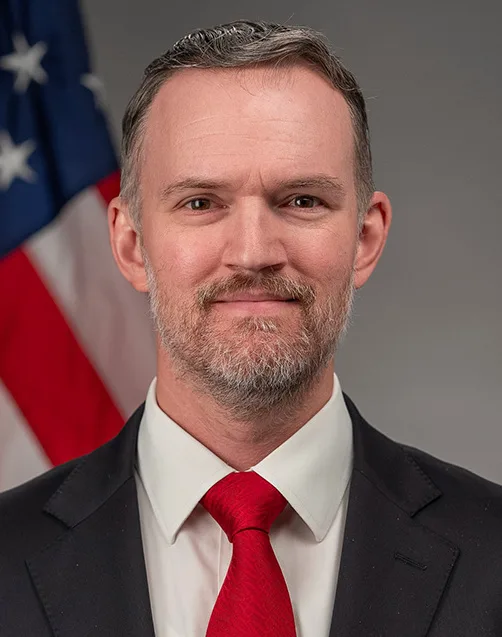
The tariffs were unveiled by US Trade Representative Jamieson Greer, who was confirmed by the Senate as the 20th US Trade Representative on February 27, 2025. Greer said the new duties were designed to preserve existing trade deals while addressing overcapacity concerns. “A lot of these deals we made actually solve a lot of the problems we see in excess capacity or can go toward it,” Greer said Wednesday on CNBC. “We’ve talked to our trading partners about this. They know what we’re proposing. I think a lot of this is baked in.”
The administration’s case is that foreign governments use subsidies, suppressed wages and state-owned companies to build far more factory capacity than their own markets can absorb, then export the surplus at prices American factories cannot match. The result, in Washington’s view, is lost US manufacturing jobs and a hollowing out of American industry. Critics of the tariffs say the evidence is mixed and that the duties will raise costs for American companies and households that depend on imported goods and parts.
The timing also matters. The proposal comes just weeks after midterm elections in which Trump’s Republican Party suffered heavy losses, with the cost of living and trade tariffs among the major issues. A Reuters/Ipsos opinion poll after the vote showed 62 percent of respondents would support efforts to repeal the tariffs, and the administration’s own tariffs have in part contributed to higher prices on consumer goods in the United States. That context makes the decision to press ahead with new duties a deliberate choice rather than a routine trade action.
What Happens Next
The proposed duties are not final yet. Until the comment period closes, the Trump tariffs on 14 countries remain proposals, not law. They will be subject to a public notice and comment period, with a hearing scheduled before they go into effect. According to the US Trade Representative, the hearing is set for January 25, and that process could push implementation into January. US officials briefed congressional committees on the changes late on Tuesday, and affected countries were also notified before the announcement.
The senior US official said the new duties were expected to result in more trade agreements being negotiated and finalised, possibly at a G20 leaders’ summit in Miami in December. India, which has no signed trade deal with the US, is one of the countries still in talks. The two sides agreed the outline of a deal in February, but it was never finalised, and talks have dragged on for months. On November 14, Indian foreign minister S. Jaishankar said a deal could be sealed soon.
Businesses now face weeks of uncertainty while the comment period runs. Companies that import from the 14 targeted economies will be watching the Federal Register notice for the exact product lists and rates, and many are expected to file comments arguing for exemptions. Small businesses, which often lack the margins to absorb new duties, are likely to be among the hardest hit if the tariffs take effect as proposed.
The Legal Backdrop: Rebuilding a Tariff Wall the Supreme Court Struck Down
The new tariffs are the latest attempt to rebuild Trump’s sweeping import taxes that the US Supreme Court struck down in February. Trump first imposed those “Liberation Day” tariffs in April 2025, shortly after he began his second term, using an emergency powers law. In February this year, the Supreme Court ruled that the law did not allow him to impose trade tariffs.
The administration then used another law to put temporary 10 percent tariffs on trading partners, which ran out in July. It then replaced those with tariffs of 10 to 12.5 percent on 60 economies, using Section 301 and arguing that those countries do not do enough to keep out goods made with forced labour. Now it is using Section 301 again, this time on the excess-capacity findings.
Trade experts say this round stands a better chance of surviving in court than the earlier ones, because foreign subsidies are a more believable complaint than forced labour. Dmitry Grozoubinski, a trade policy expert, told Al Jazeera that the new tariffs will certainly be challenged in court but are likely to stay in place while the cases go on, because lower court rulings are usually appealed and put on hold. “Of the tariffs he has imposed so far, these, at least from the outside and without having any of the details, are probably the most legally robust,” he said. US importers are already challenging the forced-labour tariffs at the US Court of International Trade.
What It Means for American Shoppers and Businesses
The most immediate cost of the new tariffs is likely to fall on US companies and households that depend on imports. “If you make components from somewhere else more expensive, then, really simplistically, the people who buy them in your country lose out, and the people who make them in your country win,” Grozoubinski said. A US carmaker gains when foreign cars cost more, he said, but loses when the imported steel, engines and parts it needs also cost more.
Small businesses would be among the hardest hit. “How is that going to increase jobs if small businesses can’t manage to buy what they need from China?” asked Hisham Wahby, an independent political analyst. Markets were already uneasy, and US stocks came under pressure on Tuesday as reports of the plan emerged.
There is a counterpoint in the economic data. US consumer confidence surged in November to its highest level in nearly two years, and the economy grew at a faster pace than first thought in the third quarter. But affordability remains the dominant worry for households. Voters frustrated by high costs for food, gasoline, healthcare and housing delivered a clear message in the midterm elections, and tariffs that push prices higher again would test that patience further. Mexico, notably, was spared this time, even though Trump threatened earlier this month to double tariffs on Mexico over migrant caravans, a threat covered in our earlier report on the Trump Mexico tariffs.
The Political Timing: Tariffs After the Midterms
The proposal lands at a politically charged moment. Days after the midterm elections, Trump named his longtime adviser Stephen Miller as White House chief of staff, a move analysts read as a sign that he intends to double down rather than pull back. “One interpretation is, like, OK, they’re going to chill out on these tariffs, because basically every time they say the word tariffs, people remember that their costs are really high and get angrier,” Grozoubinski said. “This shows that at least on some level, they are still prepared despite the headwinds, to go ahead and push that button.”
The move also sets up a clash with Democrats, who take control of both chambers of Congress in January. They are expected to push back against the tariffs, though their power is limited because Trump can veto legislation. Abroad, the tariffs risk straining the US-China truce, which expires in January, and could complicate trade talks with India. They are also likely to anger US allies who already accuse Washington of breaching existing trade agreements.
The deeper question is whether the tariffs will restore manufacturing in the United States, as the administration argues. Tariffs could help American companies that compete with imports, but they hurt those that rely on them. The bigger problem, Grozoubinski said, is that nobody knows how long the tariffs will last. A new factory can take a decade or more to pay for itself, while Trump raises and lowers tariffs as negotiations shift, Congress could limit his power to impose them, and a future president could scrap them altogether. “If I wanted to use the US tariff code to encourage people to build factories in the US, I would not do it this way,” he said.
Frequently Asked Questions
Which countries face the new Trump tariffs?
Fourteen trading partners: China, Bangladesh, Cambodia, the European Union, India, Indonesia, Japan, South Korea, Malaysia, Singapore, Switzerland, Taiwan, Thailand and Vietnam. Mexico and Norway were investigated but spared for now, with their probes still under review.
What are the tariff rates?
China faces the highest proposed rate at 20 percent, on top of roughly 25 percent from Trump’s first term, and it could rise to 40 percent if the US-China trade truce falls apart. The EU, Japan, South Korea, Switzerland and Taiwan face a 15 percent cap. India faces 17 percent if a deal is finalised and 25 percent if talks fail. Vietnam faces 20 percent, rising to 35 percent if talks fail. Singapore faces 10 percent.
When will the new tariffs take effect?
Not immediately. The proposed duties go through a public notice and comment period, with a hearing scheduled for January 25. Implementation could slip into January, and the rates could still change during the process.
Why is the US imposing these tariffs?
The administration says the 14 partners use subsidies, suppressed wages and state-owned companies to build excess factory capacity, then flood world markets with cheap steel, aluminum, electric vehicles, appliances and solar products. It argues this undercuts American manufacturers. China rejects the accusation and says its exports reflect competitive advantages.
Are the tariffs legal after the Supreme Court ruling?
The Supreme Court struck down Trump’s earlier tariffs in February because they were imposed under an emergency powers law. These new tariffs use Section 301 of the 1974 Trade Act instead, which trade experts say is more legally robust, though they will almost certainly be challenged in court.
Conclusion
The Trump tariffs on 14 countries mark the administration’s boldest trade move since the Supreme Court dismantled its earlier tariff wall in February. China faces the highest rates, allies including the EU and Japan face 15 percent caps, and the duties will now go through a public comment period before a January hearing. Whether they take effect as proposed, and whether they survive the court challenges that will surely follow, will shape prices for American shoppers, costs for American businesses and the future of US trade relations for years to come.
