Black Friday Shopping 2026: Record Spending Forecast as AI and Essentials Reshape the Day
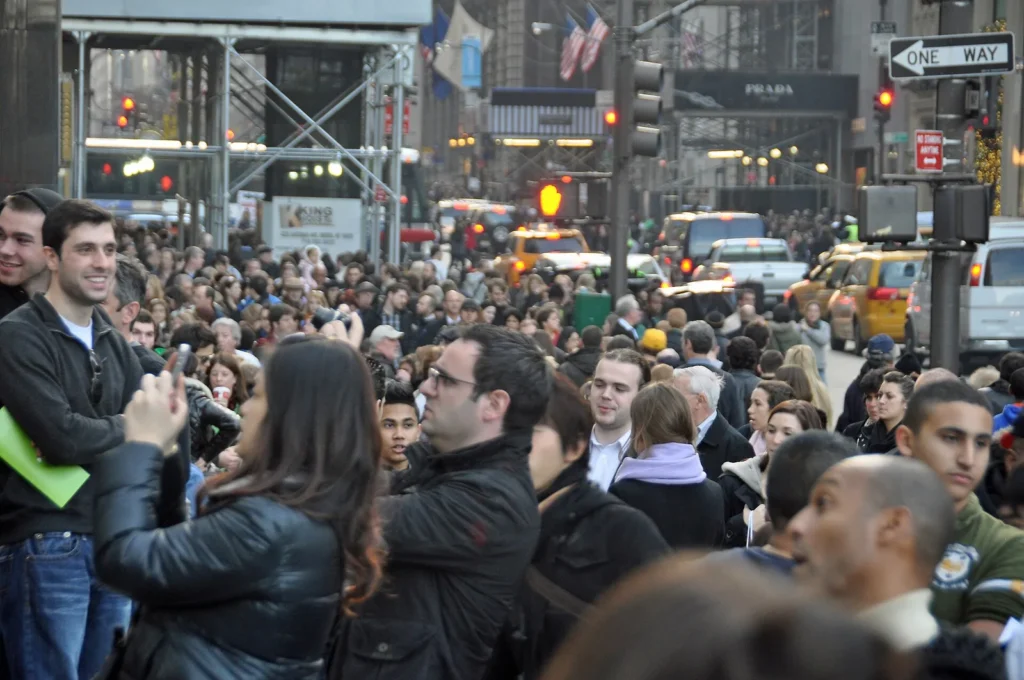
Black Friday shopping 2026 arrived on Friday, November 27, with Americans forecast to spend a record amount online, and with the day itself looking different from the Black Friday of a few years ago. Shoppers are still hunting for deals, but this year they are filling their carts with shampoo, toilet paper and T-shirts alongside the TVs and toys, and many are letting artificial intelligence do the comparing for them.
Table of Contents
The Black Friday shopping 2026 numbers are strong. Adobe forecasts US shoppers will spend $12.9 billion online on Black Friday, up 9.2 percent from the record $11.8 billion spent in 2025. The National Retail Federation expects total holiday retail sales in November and December to reach $1.013 trillion, up 4.2 percent from last year. Behind those records, though, the story is more careful: higher prices account for roughly half of the growth, shoppers are buying deliberately, and the day’s deals started weeks ago.
Black Friday Shopping 2026: The Numbers
The forecasts come from the two sources retailers watch most closely. Adobe Analytics, which tracks online spending, expects Black Friday to be the second-biggest online shopping day of the season, behind Cyber Monday on November 30, when it forecasts $15.1 billion in online sales. Adobe puts total online holiday spending at $275.1 billion, up 6.7 percent, and expects $47.5 billion to be spent online across the five days from Thanksgiving through Cyber Monday.
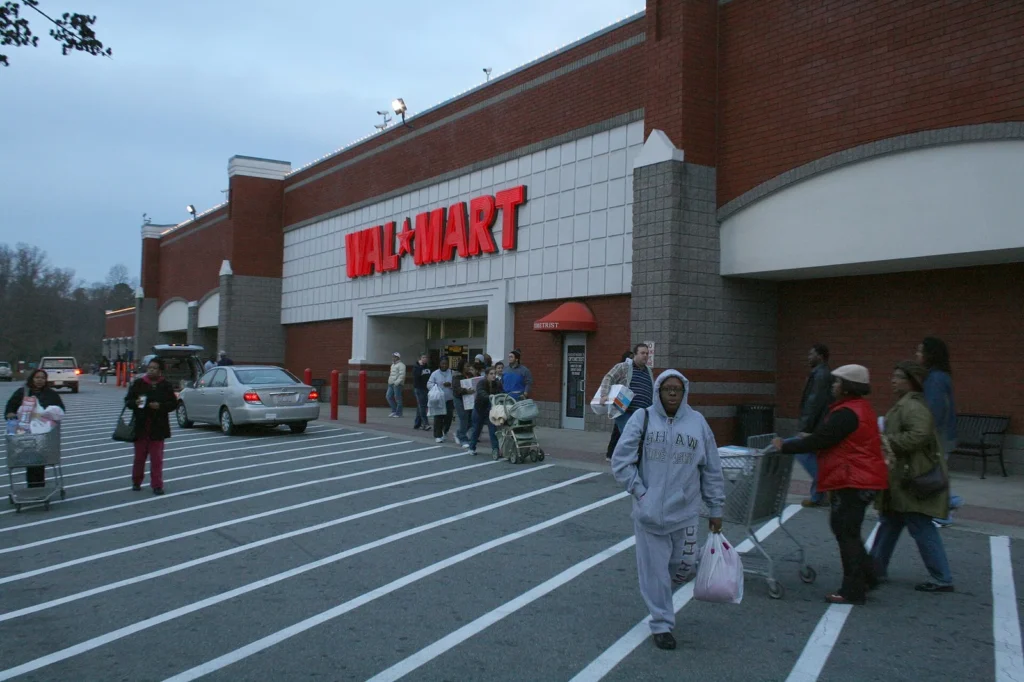
The National Retail Federation, which measures all retail rather than online only, expects 182.7 million Americans to shop over the Thanksgiving weekend, according to its survey with Prosper Insights and Analytics. About 126 million people, or 69 percent of holiday shoppers, plan to shop on Black Friday itself. That is down about 2 percent from last year’s projection, and it is below the record 202.9 million people who shopped the 2025 Thanksgiving weekend, including 162 million on Black Friday.
Spending so far has beaten expectations. US consumers spent $82.5 billion online from November 1 to November 22, up 9.1 percent from the same three weeks last year, according to Adobe. The National Retail Federation estimates that higher prices will account for about half of its forecast sales growth, which means much of the record total reflects what things cost rather than how many more of them people bought. Inflation is part of the backdrop: US inflation ran at 3.8 percent in October, as we reported in our coverage of the October PCE inflation report, and the new US tariffs on 14 trading partners announced this week add to the cost pressure on imported goods.
Essentials Are Sharing the Cart With Gifts
The clearest change this year is what goes into the cart. Black Friday used to mean premium handbags, jewellery and big-ticket electronics. This year, analysts say shoppers are using the season’s discounts to stock up on the everyday items they need anyway.
“Usually, when you think of holiday shopping, it is premium handbags and jewelry and those types of items, but we are fast seeing shoppers also use this season to stock up on the essentials,” Vivek Pandya, director of digital insights at Adobe, told the Associated Press.
Adobe’s data backs him up. Online sales of personal hygiene products from November 1 to November 22 ran 40 percent above the October average, household cleaning products rose 33 percent, and clothing basics rose 27 percent. When Black Friday deals are available, basics like T-shirts, toiletries and pet supplies are going into shopping carts along with gift items, analysts told the AP.
The pattern fits the mood of the year. The AP reports that this holiday shopping season takes place in an economic environment marked by lacklustre consumer confidence and high inflation, and that shoppers have kept spending regardless. The result is a more practical Black Friday: people still buy gifts, but they also buy the things their households will use in January, while the prices are down. Our coverage of US GDP growth of 4.3 percent in the third quarter shows the wider economy is still expanding, which helps explain why spending holds up even as shoppers stay careful.
Stores Still Win on Foot Traffic
Black Friday is no longer a single-day event. Brands and stores have promoted steep discounts online and in stores all month, and the AP notes that the day once considered the holiday shopping season’s unofficial kickoff now seems more like the fourth quarter of a football game. Deals are spread across weeks, and the deepest discounts are still to come in some categories.
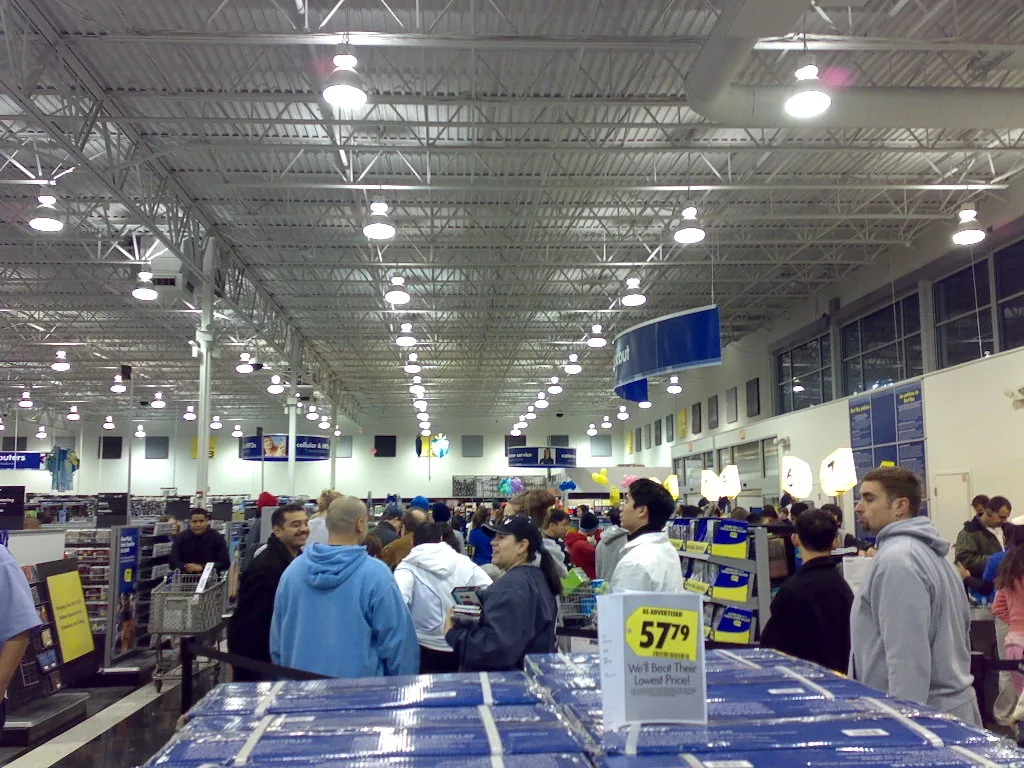
Even so, the physical store still matters on Black Friday itself. The day has enough die-hard traditionalists to make it the biggest day of the year for retail foot traffic, according to Sensormatic Solutions, which tracks activity at physical stores. “Black Friday is still the day for in-store shopping,” Grant Gustafson, Sensormatic’s head of retail consulting and analytics, told the AP.
Discounts are deeper than last year. Salesforce found that November discounts are 8 percent deeper than a year ago, and that average selling prices for physical goods are 1 percent below last November’s level, while shoppers added 2 percent more items to their online carts from October 1 to November 18. Salesforce expects the deepest discounts in clothing, home goods, and health and beauty, where prices are expected to average 33 percent off from Tuesday through Cyber Monday. Adobe forecasts peak discounts of 30 percent for electronics and 29 percent for toys.
AI Is Doing the Deal Hunting
The second big change this year is who, or what, finds the deals. AI-powered shopping tools are steering more purchases than ever. Traffic to online retailers from links in AI-powered tools more than doubled this November compared with November 2025, Adobe reported. The National Retail Federation’s survey found that 59 percent of holiday shoppers plan to use AI to help with their winter holiday shopping.
Retailers are pushing their own assistants hard, and the early numbers suggest they work. Walmart chief executive John Furner said customers who used its AI assistant, Sparky, spent 40 percent more per order on average. Amazon chief executive Andy Jassy said US shoppers using its Alexa assistant spend 50 percent more than those who do not, according to the AP.
The same tools can lead shoppers astray, so a little caution helps. Before buying a deal an AI assistant surfaces, confirm the seller is the real retailer and not a lookalike site, check the price against at least one other store, and read the return policy, especially for electronics. A discount is only a deal if the product is genuine and returnable.

What Comes Next: Cyber Monday and the Rest of the Season
Black Friday shopping 2026 is the start of the busiest stretch, not the end of it. Cyber Monday on November 30 is forecast to be the biggest online day of the year at $15.1 billion, and Adobe expects $21.3 billion in holiday online purchases to be financed through buy now, pay later services, up 6.6 percent from last year. Shoppers using pay-later plans should watch the terms: missing a payment can turn a discount into a debt.
The season’s real test comes after the weekend. Analysts and economists scrutinise retail spending across the five days from Thanksgiving to Cyber Monday for clues about consumers’ financial staying power and retailers’ prospects into the new year. The early signs are mixed in a healthy way: online spending is running ahead of forecasts, but the growth is partly price-driven, the shopper count is slightly down, and 56 percent of consumers told the National Retail Federation that economic conditions would affect their holiday plans.
For shoppers, the practical advice is simple. Make a list before opening an app, compare the Black Friday price with the price from two weeks ago rather than the crossed-out “original” price, and remember that the best deals on electronics and toys are forecast to peak at 30 and 29 percent off, so a smaller discount is not a bargain. The biggest savings of the season may still be ahead on Cyber Monday.
Frequently Asked Questions
How much will Americans spend online on Black Friday 2026?
Adobe forecasts $12.9 billion in US online spending on Black Friday, November 27, 2026, up 9.2 percent from the record $11.8 billion in 2025. Cyber Monday on November 30 is forecast to be bigger, at $15.1 billion.
What are the best Black Friday discounts this year?
Adobe forecasts peak discounts of 30 percent for electronics and 29 percent for toys. Salesforce expects the deepest discounts in clothing, home goods, and health and beauty, averaging 33 percent off from Tuesday through Cyber Monday.
Is Black Friday still worth going to a store for?
Yes, for foot traffic at least. Black Friday remains the biggest day of the year for in-store visits, according to Sensormatic Solutions, and many of the deepest discounts are available in stores as well as online. But most deals are also online, and the discounts have been running all month.
How are tariffs affecting Black Friday prices?
The Trump administration announced new tariffs on 14 trading partners on November 25, and the National Retail Federation estimates higher prices account for about half of this season’s forecast sales growth. Shoppers should expect some imported goods to cost more, and compare prices carefully.
Conclusion
Black Friday shopping 2026 is a record in dollars and a change in habits. Americans are forecast to spend $12.9 billion online on the day and more than $1 trillion across the holiday season, but they are buying essentials as well as gifts, letting AI assistants find the deals, and shopping across weeks rather than a single morning. The discounts are real and deeper than last year, especially on electronics, toys and clothing. The smart move is the same as ever: know the price before the sale, check it twice, and buy what you actually need.
