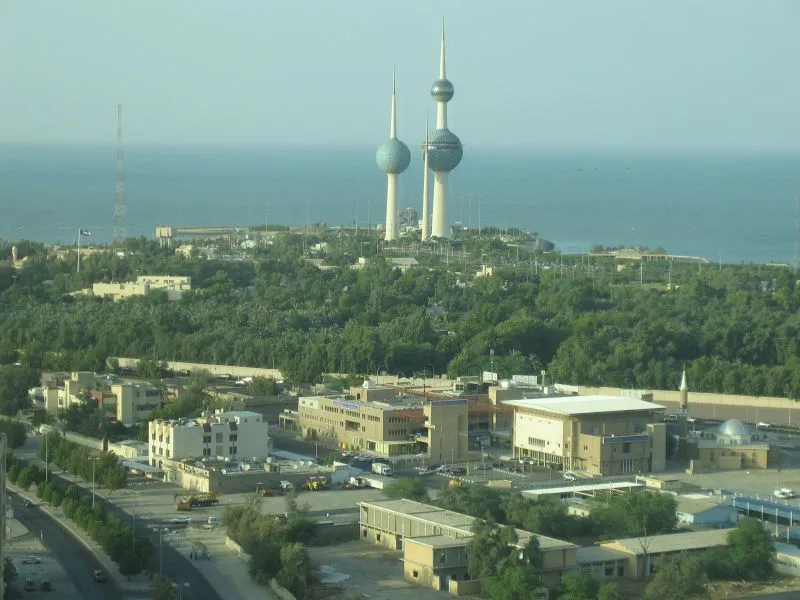
Iran Drone Attack in Kuwait Kills Two Italian Technicians
An Iranian drone attack in Kuwait killed two Italian technicians on Thursday, November 26, 2026, in the second reported Iranian strike on the Gulf state this month. The two men worked for the Italian defence company Rheinmetall Italia and died after falling debris from intercepted drones hit the air defence site where they were working.
Kuwait’s Defence Ministry said its forces detected and engaged several hostile drones in Kuwaiti airspace and blamed what it called Iranian aggression for the attack on a vital facility. Iran denied any involvement. The deaths are the first foreign nationals killed in the attacks on Kuwait, and they pull Italy directly into a war that has already spread across the Gulf.
Table of Contents
Iran Drone Attack Kuwait Kills Two Italians
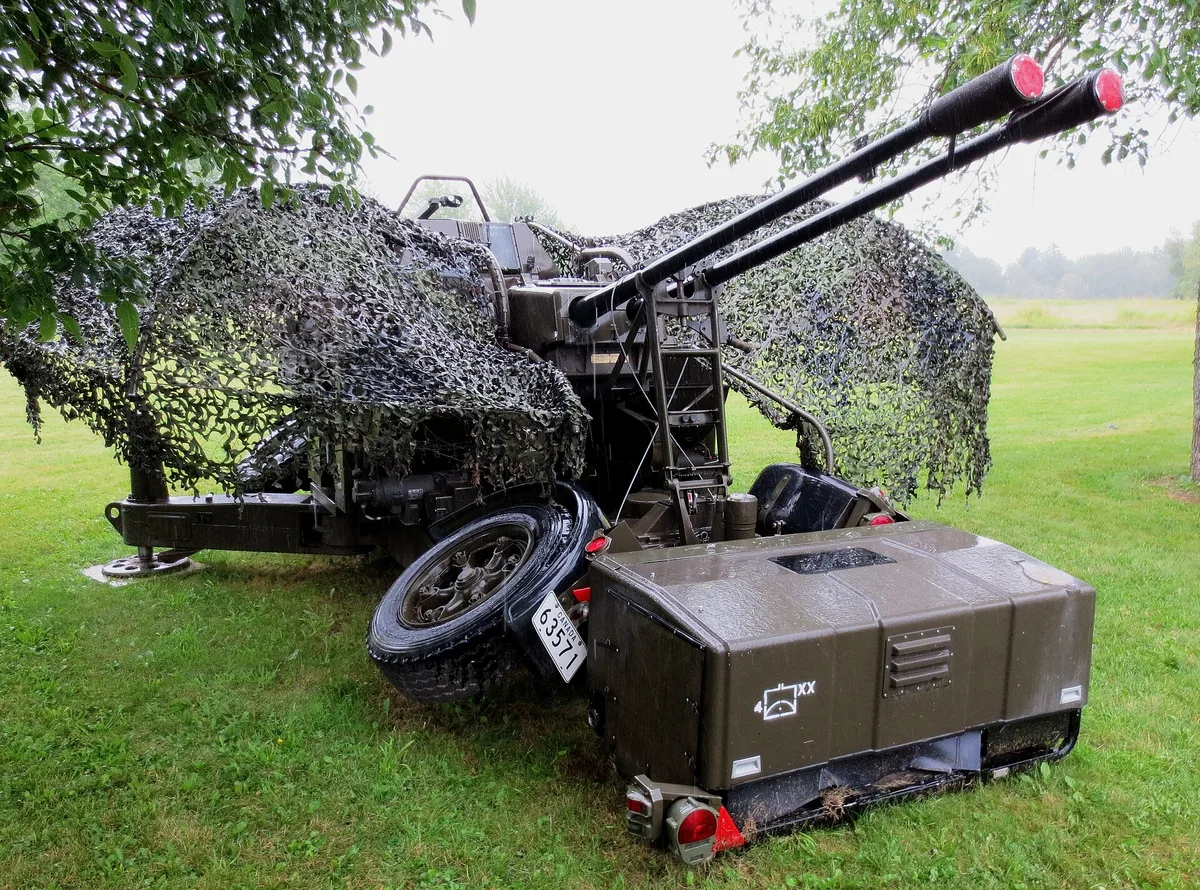
The attack came at around 2 p.m. local time on Thursday, according to Italian Foreign Minister Antonio Tajani, who briefed the Senate in Rome. He said several Iranian-made drones targeted Kuwaiti military installations, including an air defence detection station where the two Italian technicians were working. A powerful explosion followed, and both men later died of their injuries.
Kuwait’s Defence Ministry said the country’s military had detected and dealt with several drones within Kuwaiti airspace. The ministry first reported that four people had been wounded by falling debris when a vital facility was targeted, and it later confirmed that the two Italians had died. It said the attack also caused material damage, without giving further details.
Two other people were wounded in the attack, a Pakistani national and a captain in the Kuwaiti army, according to Tajani. Kuwait’s ministry confirmed the other two injured were a Kuwaiti and a Pakistani national. According to the Wall Street Journal, citing two people familiar with the assault, multiple bases came under attack and one Skyguard unit was destroyed.
Who Were the Two Italians Killed
The two men were identified as Antonio Saccoccio, 65, from Formia, and Emanuele Lo Russo, 36, from Rome, according to the Italian news agency ANSA. Both were civilian technicians employed by Rheinmetall Italia, the Italian unit of the German defence group Rheinmetall, Italy’s foreign ministry confirmed.
The technicians were in Kuwait to carry out maintenance work on detection antennas for the Skyguard air defence system used by the Kuwaiti Armed Forces. Tajani told the Senate that they were working at the air defence surveillance station when the drones struck. Rheinmetall declined to comment on the incident, according to Reuters.
Tajani expressed his deepest sympathy and solidarity with the families of the victims, and he said the Italian government was following the situation closely.
Iran Denies Any Role in the Attack
Iran denied carrying out the attack. Foreign Minister Abbas Araghchi held a phone call with his Kuwaiti counterpart and firmly rejected the allegation that Iran had any involvement, according to Iranian state television. He said Tehran was prepared to conduct a joint investigation with Kuwait into the incident.
Araghchi also denied Iranian involvement in a call with his Italian counterpart, Antonio Tajani, according to Iran’s foreign ministry, and he announced Tehran’s readiness to cooperate with the governments of Kuwait and Italy to clarify the origin of the incident. Iran’s embassy in Rome also denied the claims in a post on X.
Brigadier General Abolfazl Shekarchi, a senior spokesperson for Iran’s armed forces, said no military or offensive operations whatsoever had been conducted by the Iranian armed forces in the region. He claimed the attack was a false flag operation aimed at escalating regional insecurity. CNN reported that Tajani, speaking to reporters later on Thursday, said the drone used in the attack was manufactured in Iran, and he noted that numerous pro-Iranian militias operate in the region.
Italy and Europe Respond
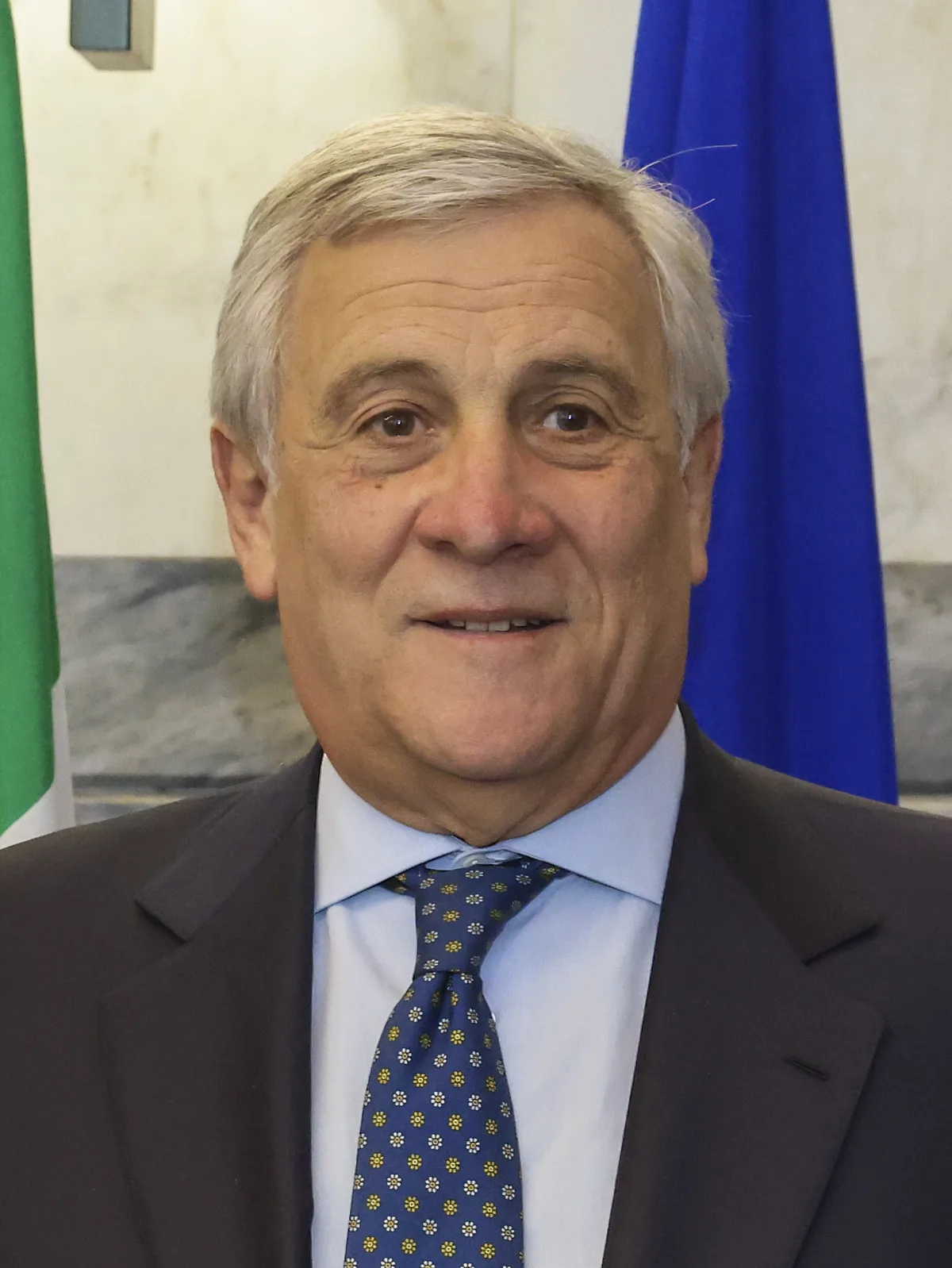
Italy’s Prime Minister Giorgia Meloni said she was informed of the tragic deaths and expressed her deepest sympathy, offering her heartfelt condolences to the victims’ families. Tajani said he would like to express his deepest sympathy and solidarity to the families at this time of profound grief.
European Commission President Ursula von der Leyen called for more pressure on Tehran after the two Italians were killed in the drone strike. Israeli Foreign Minister Gideon Sa’ar said the incident shows how Iran’s unchecked aggression threatens stability and security in the Middle East and beyond.
The Gulf Cooperation Council also condemned the attack. Its secretary-general, Jasem Mohamed Albudaiwi, called Thursday’s attack brutal and said Iran’s continued attacks on Kuwait, targeting its vital facilities and endangering civilians, constitute a dangerous escalation that threatens regional security.
Why This Attack Matters

Thursday’s attack marked the second reported Iranian attack on Kuwait this month, according to Reuters. Earlier in November, Iran said it had targeted US drone and missile sites in Kuwait after the United States struck Qeshm Island in the Strait of Hormuz. Our earlier report on the Iranian drone attack on Kuwait on November 18 covers that strike on Ali Al Salem Air Base, which hosts US forces.
The pattern of attacks has widened across the Gulf. Bahrain said on Sunday that an Iranian attack injured at least two people, and our report on the Iranian drone attack on Bahrain has the details of the earlier rounds. In March, an Iranian drone strike at Port Shuaiba in Kuwait killed multiple US soldiers and injured dozens more, as reported at the time.
Bahrain and Kuwait have come under repeated attacks during the war, with power plants, desalination facilities and oil infrastructure sustaining damage from Iranian strikes, according to the Wall Street Journal. The United States and Israel began the war with Iran on February 28, 2026, and the fighting has since spread to the Gulf states that host American troops. Commercial shipping has also been hit: our report on the Strait of Hormuz tanker attack covers the strikes on oil tankers in the world’s most important oil transit chokepoint, according to the US Energy Information Administration.
The killing of two European civilians changes the stakes. Until now, the attacks on Kuwait had caused damage and injuries but no confirmed deaths of foreign nationals working at the targeted sites. Italy is a NATO ally, and the deaths of its citizens at a Kuwaiti military facility put Rome in the middle of a war it had watched from the sidelines.
What Happens Next
The first question is whether the joint investigation Iran offered will happen. Tehran has denied responsibility while offering to cooperate with Kuwait and Italy, and neither country has said publicly whether it accepts that offer.
The second question is how Italy responds. Rome has lost two citizens, and its foreign minister has already said the drone was manufactured in Iran.
The third question is whether the strikes continue. Each round of this war has answered the last one, and the attacks on Kuwait and Bahrain have grown more frequent.
Frequently Asked Questions
Who was killed in the Iran drone attack in Kuwait?
Antonio Saccoccio, 65, from Formia, and Emanuele Lo Russo, 36, from Rome. Both were civilian technicians working for Rheinmetall Italia, maintaining detection antennas for the Skyguard air defence system used by Kuwait’s armed forces.
Did Iran admit it carried out the attack?
No. Iran denied any involvement. Foreign Minister Abbas Araghchi told his Kuwaiti and Italian counterparts that Tehran had no involvement whatsoever, and a senior Iranian military spokesperson called the attack a false flag operation. Iran offered a joint investigation with Kuwait.
What is the Skyguard air defence system?
Skyguard is the air defence system used by the Kuwaiti Armed Forces at the site that was attacked. The two Italian technicians were carrying out maintenance work on its detection antennas when the drones struck.
Has Iran attacked Kuwait before?
Yes. Thursday’s attack was the second reported Iranian attack on Kuwait this month. Iran also struck Ali Al Salem Air Base in Kuwait on November 18, and an Iranian drone strike at Port Shuaiba in March killed multiple US soldiers.
What did Italy say about the attack?
Foreign Minister Antonio Tajani confirmed the deaths in the Senate and said the drone was manufactured in Iran. Prime Minister Giorgia Meloni expressed her deepest sympathy and offered heartfelt condolences to the victims’ families.
Conclusion
The Iran drone attack in Kuwait killed two Italian technicians and wounded two more, marking the deadliest strike yet on a Gulf state hosting allied forces. Italy has lost two citizens, Iran has denied responsibility while offering a joint investigation, and the Gulf states have condemned a dangerous escalation. The investigation and Italy’s response will decide what comes next in a war that keeps widening across the region.
