
Trump Orders Army to Pause Iowa Lead Azide Detonation as Court Clears Wednesday Blast
President Donald Trump has ordered the US Army to pause a planned detonation of nearly five tons of unstable lead azide at an ammunition plant in Iowa, only for a federal appeals court to clear the blast hours later. The Iowa lead azide detonation is now scheduled for Wednesday morning, November 25, the day before Thanksgiving, after a week of court orders and warnings about a toxic lead dust plume. Trump said the military should wait until the Eighth Circuit Court of Appeals agrees the operation can go forward and until Iowa Governor-elect Rob Sand agrees too. The court has since lifted its temporary pause, and the Army says it will proceed at 9 a.m. Central time.
Table of Contents
What Trump Ordered
Trump announced the pause on Monday, November 23, in a post on Truth Social, according to Reuters. He wrote that he believes destroying the deteriorating explosive is the right course, but he has ordered the military not to proceed until the Eighth Circuit agrees and until Sand, the incoming Democratic governor, consents. Trump added that if the court or Sand blocks the blast, he will hold the incoming governor responsible for “any and all death or destruction” if the stockpile explodes on its own.
The post put the president publicly at odds with his own Army, which had said the night before that it planned to carry out the detonation on Wednesday under emergency legal powers. The Army had originally planned to destroy the material last week, then postponed the blast after public outcry and a court order. Over the weekend, the administration told a court the Army would go ahead anyway by invoking an emergency munitions exception to federal environmental law. Trump’s order on Monday appeared to stop that plan, but within hours the legal picture changed again.
A Court Ruling Hours Later Changed Everything
A federal appeals court lifted the temporary pause on the emergency permit issued by the Environmental Protection Agency that allows the Army to detonate the material, according to the Washington Examiner. The Eighth Circuit had frozen the EPA permit on Thursday, November 19, after environmental groups sued. The Iowa Environmental Council argued that the EPA improperly granted the emergency permit without properly evaluating safer disposal alternatives or adequately warning nearby communities.
With the stay lifted, the Army moved ahead. The Iowa lead azide detonation of 68 barrels holding about 9,700 pounds of degraded lead azide is scheduled for 9 a.m. Central time on Wednesday, November 25, at the Iowa Army Ammunition Plant near Middletown, Iowa. Trump has not publicly withdrawn his order, and it remains unclear whether the Army’s decision reflects a new understanding with the White House or a determination that the court’s ruling satisfies his condition. No new date has been set if the blast is delayed again.
Why the Army Says the Iowa Lead Azide Detonation Cannot Wait
Lead azide is an explosive chemical used in military munitions, mainly as a primer that sets off larger charges. The stockpile at the Iowa plant has been stored for more than two decades, and Trump has blamed the Obama administration for leaving the material in place since 2009. Army officials discovered in March 2026 that liquid inside the aging drums had evaporated, leaving behind unstable, needle-shaped crystals. Experts warn that the crystals can detonate without warning, and that moving the drums or treating the chemical in place could trigger a fatal spontaneous explosion, especially as regional temperatures drop below freezing.
The Army has argued for weeks that a controlled detonation is the safest option because the alternative is waiting for an accidental blast. Officials considered chemical neutralization and briefly hired a contractor, MuniRem Environmental, in March before canceling that work in May, a decision critics say was never properly explained. The Army published updated lead dust maps on Tuesday showing where the plume could travel, and forecasters now expect it to stretch across southeastern Iowa and parts of northern Missouri, further than earlier estimates.
Lead is a serious health hazard, and the risk is highest for children. The Centers for Disease Control and Prevention says no safe level of lead in blood has been identified for children, and exposure can damage the brain and nervous system. The Army’s plan includes air and water monitoring and a post-event cleanup, but residents and environmental groups warn about long-term contamination of soil and homes. For background on the metal, the Environmental Protection Agency explains lead hazards and protections on its lead page, and the CDC’s lead prevention pages describe who is most at risk.
Rob Sand Holds the Deciding Vote
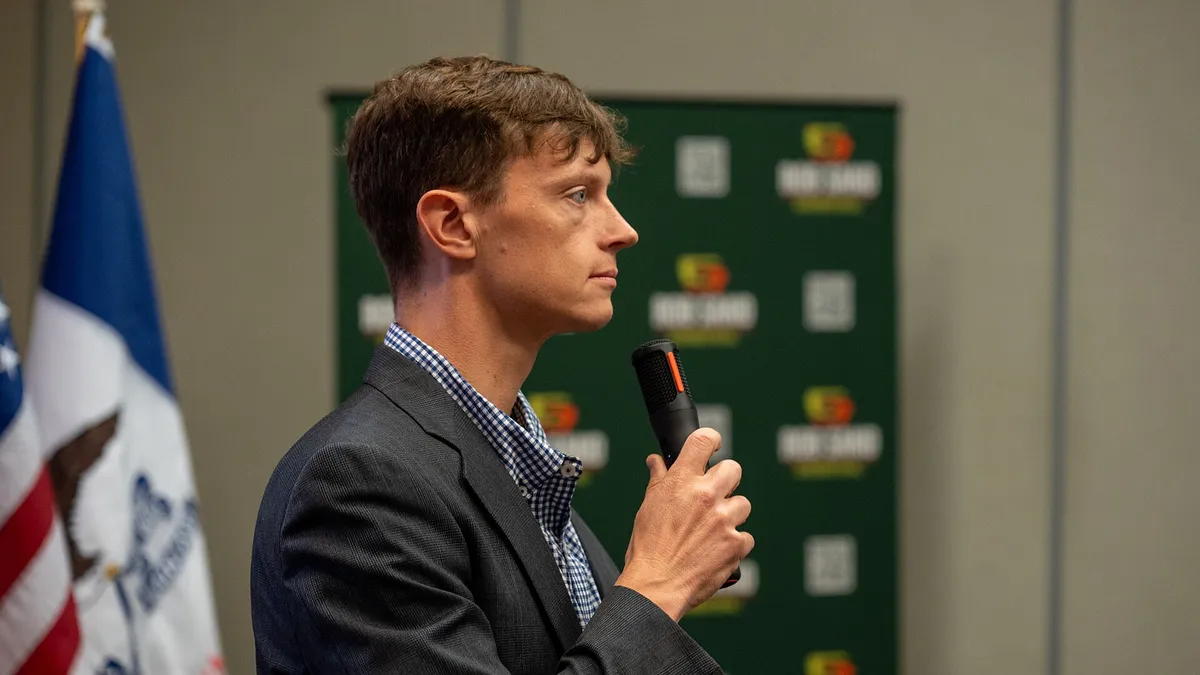
Trump made his pause expressly subject to the agreement of Rob Sand, the Democrat who won the Iowa governor’s race in the November midterm elections and takes office in January. Sand has said publicly that “no good options exist” in the standoff and has questioned why the disposal was scheduled for late November, when cold weather raises the risk of an accidental explosion. His position puts him at the center of a dispute between the Army, the courts and the White House, even though he does not yet hold office.
The governor-elect’s role is unusual because the plant is a federal facility and the operation is a military decision, yet Trump handed him an effective veto over the timing. Sand has not said whether he will agree to the blast going ahead on Wednesday. If he refuses and the Army proceeds anyway, Trump has already signaled that he will blame Sand for any consequences. If Sand agrees, he will share responsibility for a detonation that many of his future constituents fear. The standoff echoes other recent cases in which Trump intervened directly in major decisions, including Trump’s push to bring Jensen Huang back as Nvidia chief executive.
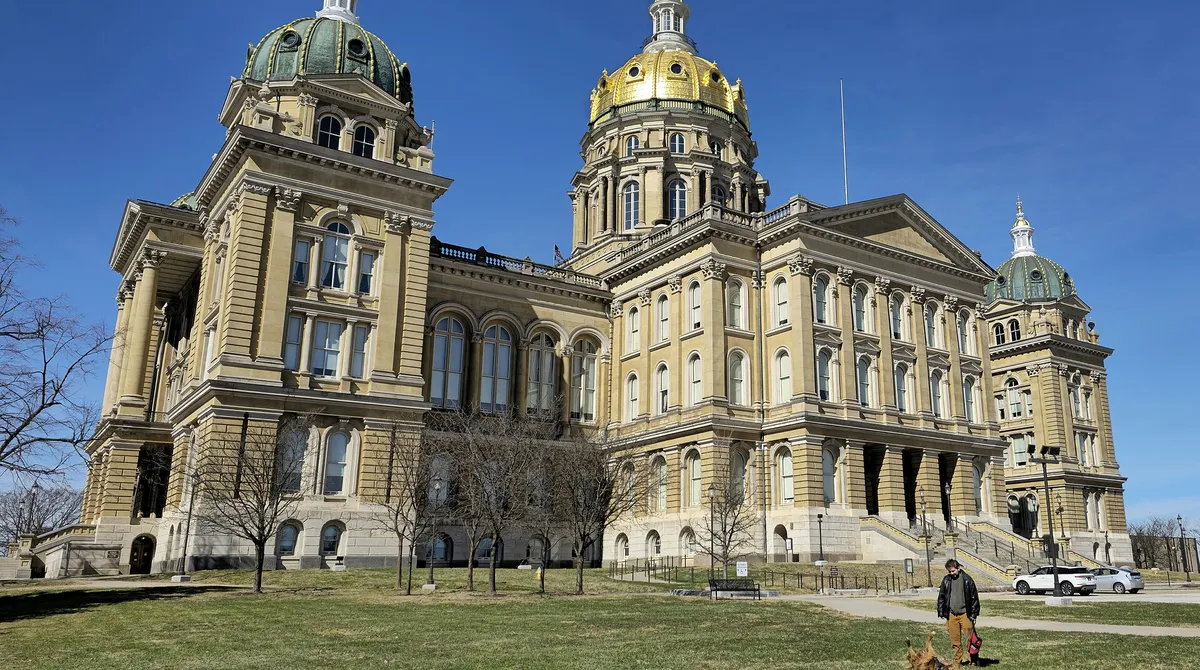
The legal fight is not over either. Environmental groups are still challenging the EPA’s emergency permit, and the Eighth Circuit’s decision to lift the temporary stay does not settle the underlying lawsuit. The court could still rule against the permit after the blast, which would leave the question of whether the operation was lawful to be decided after the fact. That prospect has fueled criticism from residents who say the government is asking them to accept the risk first and answer the legal questions later.
What the Blast Means for People Nearby
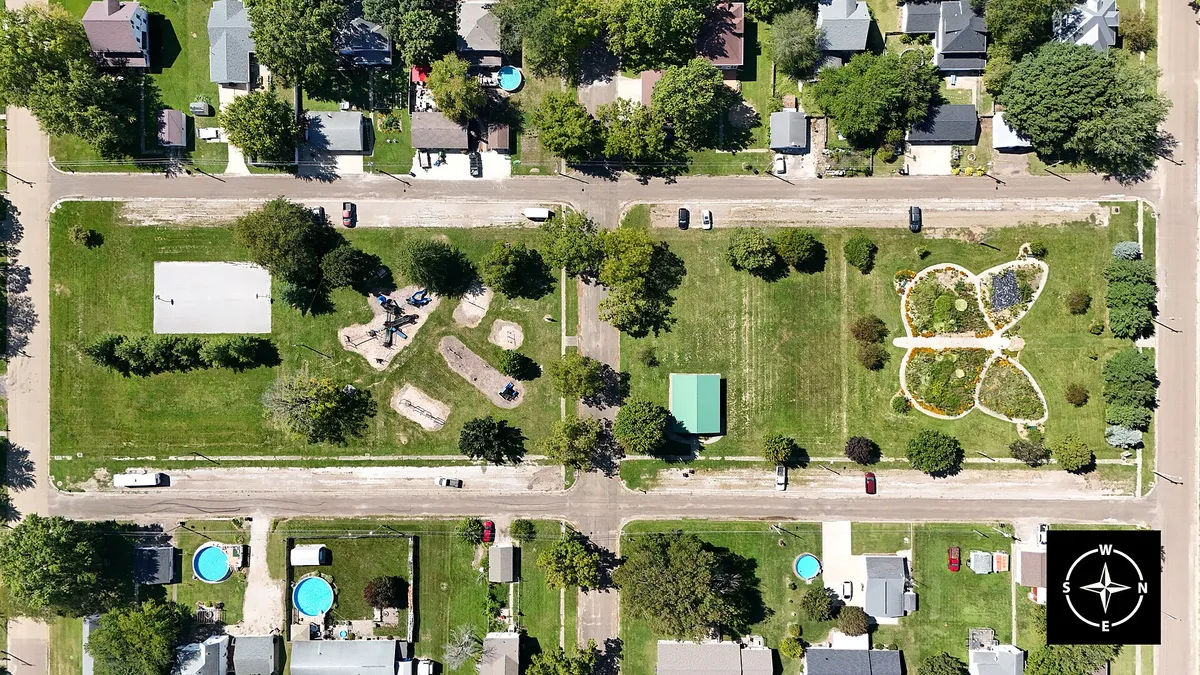
For the communities around Middletown, the debate is not abstract. The Army is advising people in the exposure area to remain indoors with windows and doors closed during the detonation and to clean their homes afterward. Officials are urging pregnant women, children aged six and younger, and people with chronic diseases to leave the area entirely. The updated plume maps published on Tuesday show the dust could travel well beyond the plant’s fence line, and local residents have described anxiety about windows blowing out and lead settling on their homes and land.
The community is split. Some residents want the dangerous material removed immediately and accept the controlled blast as the least bad option. Middletown’s mayor has backed the detonation on that basis, according to local reports. Others say no amount of lead is safe and want the blast stopped for good, a view voiced at protests outside the plant where demonstrators carried signs reading “NO AMOUNT OF LEAD IS SAFE!”
Both sides agree on one thing: the stockpile should never have been left to deteriorate for so long. The same question of how to handle a dangerous product left too long sits behind other safety crises, including the Takata airbag recall, in which millions of vehicles were recalled over a defect that could turn deadly.
What Happens Next
The immediate question is whether the blast goes ahead at 9 a.m. on Wednesday as the Army plans. Trump could reassert his pause, Sand could withhold his agreement, or the courts could intervene again before then. If the detonation happens, the focus will shift to the monitoring results: how much lead the plume carried, where it landed, and whether the cleanup meets the standards the Army has promised. Environmental groups have said they will keep pressing their lawsuit regardless of the outcome, and the deadly Palisades Fire trial showed how a single ignition can become a catastrophe when warnings are missed.
Longer term, the episode has exposed how the government handles aging explosives stored at old military plants across the country. The Iowa plant is a World War II-era facility, and the lead azide sat in its drums for over twenty years before anyone discovered it had become unstable. Congress may now ask how many other stockpiles are in similar condition and what it will cost to deal with them before another one forces a choice between a controlled blast and an accidental explosion.
Frequently Asked Questions
What is lead azide?
Lead azide is an explosive chemical used as a primer in military munitions. It is highly sensitive to shock, friction and temperature change, and it becomes more dangerous as it ages and dries out, forming needle-shaped crystals that can detonate without warning.
When is the Iowa lead azide detonation planned?
The Army has scheduled the controlled detonation for 9 a.m. Central time on Wednesday, November 25, 2026, at the Iowa Army Ammunition Plant near Middletown, Iowa, the day before Thanksgiving. The schedule has changed several times and could change again if the courts, the White House or Governor-elect Rob Sand intervene.
Why did Trump order the Army to pause the detonation?
Trump said on Monday, November 23, that the military should not proceed until the Eighth Circuit Court of Appeals agrees the operation can go forward and until incoming Governor-elect Rob Sand agrees to it. He said he still believes destroying the material is the right course, but he wants the court and the governor-elect to sign off first.
Is the lead dust from the blast dangerous?
Yes. Lead is toxic, and the CDC says no safe level of lead in blood has been identified for children. The Army says its monitoring and cleanup plan will manage the risk, and it is urging pregnant women, young children and people with chronic diseases to leave the exposure area. Residents are advised to stay indoors with windows and doors closed during the blast.
Who is Rob Sand?
Rob Sand is the Democrat who won the Iowa governor’s race in the November 2026 midterm elections. He takes office in January 2027. Trump made his pause order subject to Sand’s agreement, giving the governor-elect a decisive say over the timing of the detonation.
Conclusion
The Iowa lead azide detonation has become a test of who decides when a dangerous stockpile must be destroyed: the Army that owns it, the courts that regulate it, the president who commands it, or the incoming governor whose state must live with the consequences. Trump ordered a pause, the court cleared the blast, and the Army plans to proceed on Wednesday morning. For the people of southeastern Iowa, the legal arguments matter less than the plume maps and the advice to stay indoors. What happens at 9 a.m. on Wednesday will answer the immediate question, but the larger one will remain: how did nearly five tons of unstable explosive sit unnoticed for over twenty years?
