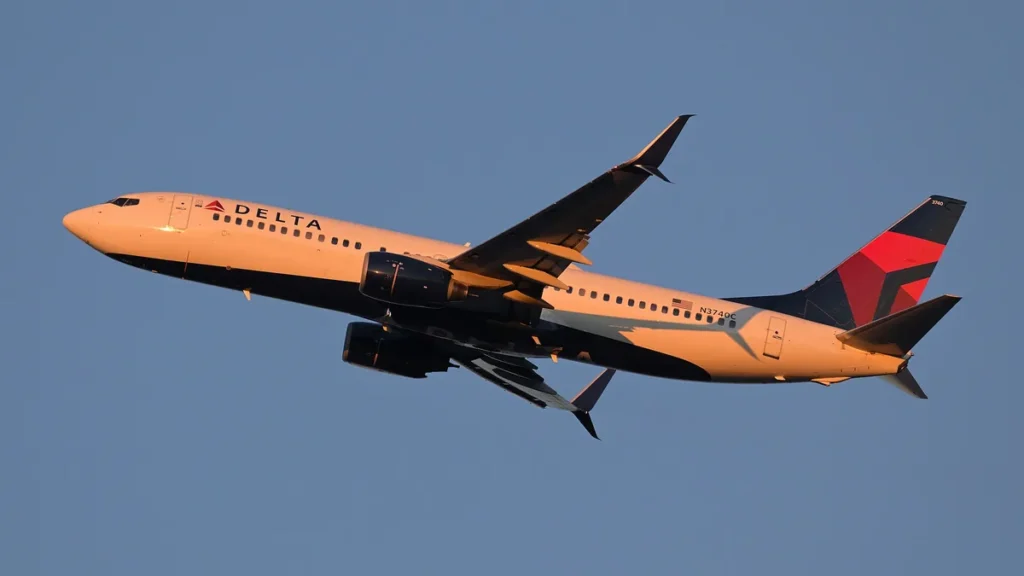
Delta Flights Delayed Nationwide as System Failure Hits Atlanta Hub Before Thanksgiving
Delta flights delayed across the United States on Sunday, November 22, 2026, after a failure in the airline’s automated weight and balance system forced the Federal Aviation Administration to hold departures bound for Atlanta and pushed crews to count bags by hand. The disruption hit at the worst possible moment, on the Sunday before Thanksgiving, when millions of Americans were starting holiday trips through the busiest airport in the world. Delta said later in the day that the automation was working again, but the delays rippled through its network for hours and left many travelers facing long waits at gates and on departure boards.
Table of Contents
What Happened on Sunday Morning
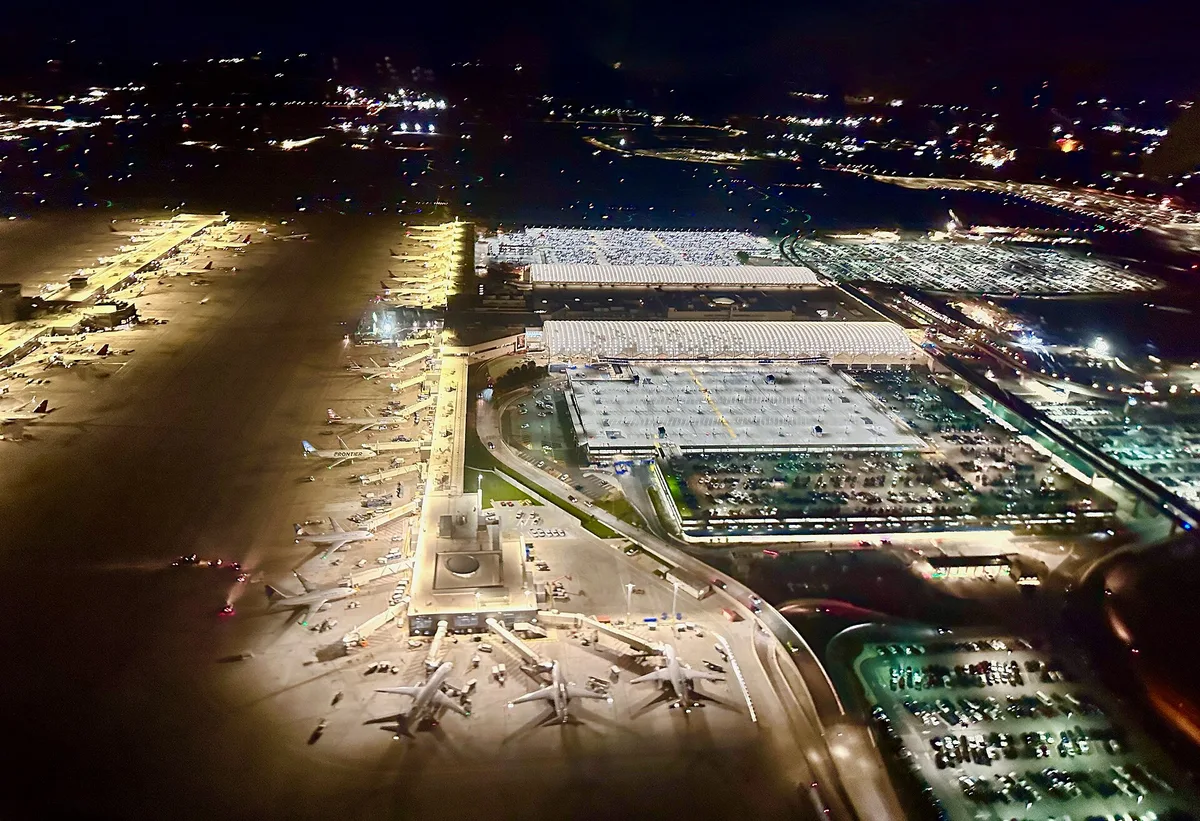
The trouble began early on Sunday morning at Delta’s home base, Hartsfield-Jackson Atlanta International Airport. The airline’s system for calculating the weight and balance of departing aircraft stopped working, and without those numbers a plane cannot legally or safely take off. Delta told CNN affiliate WSB-TV that its teams were using manual workarounds to get flights departed while work continued to restore the automation.
At Delta’s request, the FAA issued a ground stop for flights bound for Atlanta starting at 7:46 a.m. ET, with a planned end of 9 a.m. Reuters reported that Delta experienced brief delays on flights to and from Hartsfield-Jackson Atlanta International Airport, the busiest in the US. The stop covered only Delta and its regional subcarriers, and it applied to departures from 14 of the 20 air route traffic control center areas in the contiguous United States. At 8:32 a.m., the FAA replaced the ground stop with a ground delay program that assigned departure times at origin airports to space out arrivals in Atlanta. The program set average delays of 57 minutes, with a maximum of 111 minutes, and it was canceled around 11:30 a.m. ET after Delta met its objectives, according to the FAA.
By the afternoon, the scale of the disruption was clear. About 45 percent of Delta’s flights were delayed as of 2 p.m. ET, according to CNN. FlightAware data showed more than 400 flights delayed out of Hartsfield-Jackson on Sunday afternoon, with slightly fewer inbound flights delayed as well. USA Today reported 1,044 total flight delays at the Atlanta airport as of the afternoon, with Delta saying about 70 percent of those delays came from the system glitch and the rest from bad weather and air traffic control adjustments in New York City and the Northeast. Aviation analytics firm Cirium reported that 26 percent of Delta flights had been canceled or had not taken off as of 7 a.m., and 42 Delta flights scheduled to land at New York’s LaGuardia Airport diverted to other airports that morning.
Delta said its automation for departing flight weight and balance calculations was working again by about 3:30 p.m. ET, and the airline confirmed in a late afternoon update that the issue had been resolved. “We thank our customers for their patience and our people for their professionalism,” Delta told WSB-TV.
What Is Weight and Balance and Why It Grounds Planes
To understand why a computer problem kept planes on the ground, it helps to know what weight and balance means. Before every flight, the airline must calculate the total weight of the aircraft, including passengers, bags, cargo and fuel, and work out exactly where that weight sits. Those numbers decide whether the plane is too heavy to fly safely and give the pilots the correct settings for takeoff, including how much lift the wings need and how the controls should be trimmed.
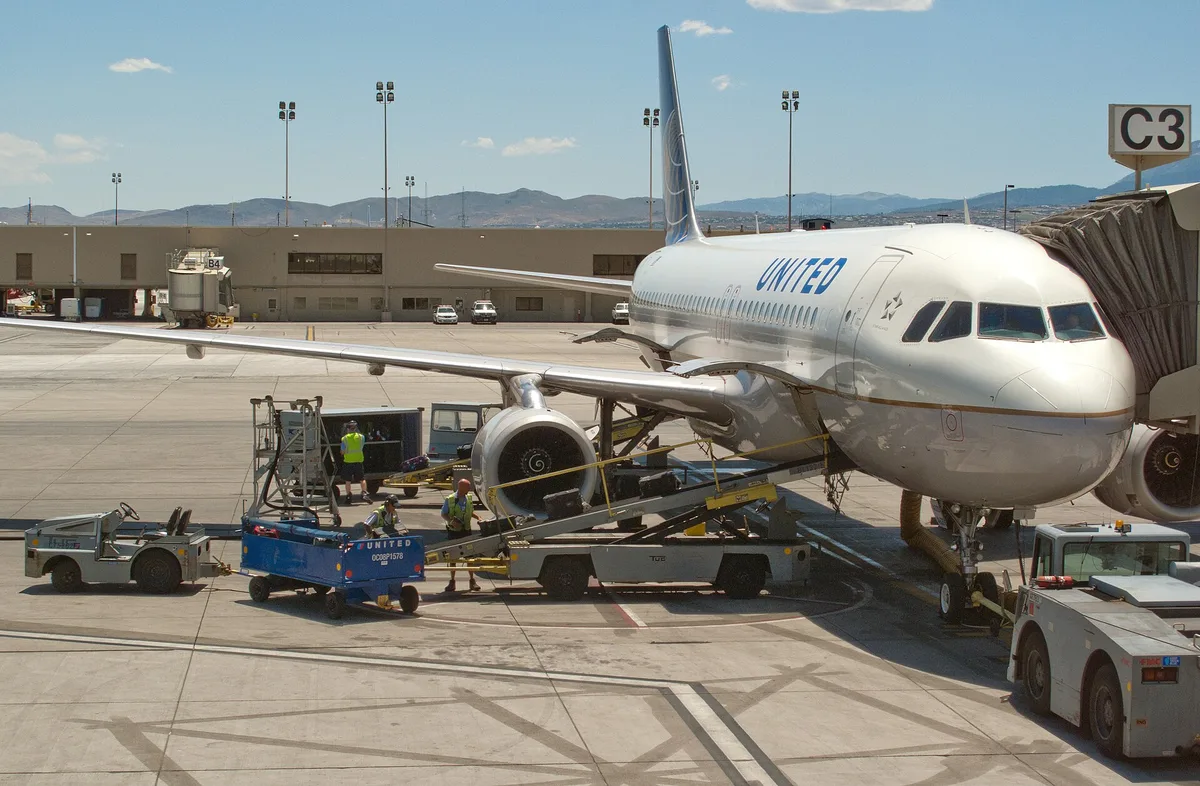
The FAA’s Pilot’s Handbook of Aeronautical Knowledge states that compliance with the weight and balance limits of any aircraft is critical to flight safety, and the handbook is the standard reference that student pilots and crews study. For Delta, the weight and balance instructions for baggage crews are planned at the airline’s Operations and Customer Center at its Atlanta headquarters, using a system called ALIS, the Automated Load Instruction System. When ALIS went down on Sunday, ramp crews lost the worksheets that tell them how to load each plane, and the work fell back to manual counting.
A radio call captured by ATC.com showed the problem in plain language. “Right now, it’s a system-wide outage for Delta Air Lines,” an employee explained to a pilot in Boston that morning. “The ramp isn’t really able to load because there is no ramp worksheet in there, so that’s what we’re doing, we’re manually counting bags and doing a report for you guys.” The pilot replied, “Oh, geez,” and the ramp worker added, “Kinda like the good old days across here.” Manual loading works, but it is far slower than automation, and at an airline the size of Delta the slowdown compounds across hundreds of flights.
Delta Flights Delayed: How Bad Was Sunday’s Disruption
The numbers show a disruption that was serious but not a full shutdown. Unlike the nationwide FAA ground stop on November 13, which halted every departure in the country for more than four hours, Sunday’s problem belonged to one airline and one system. Planes kept flying, but many of them flew late. The 45 percent delay rate at 2 p.m. ET means nearly half of Delta’s schedule was running behind, and the 400 plus delayed flights at Atlanta alone show how concentrated the pain was at the hub.
The disruption also hit travelers far from Atlanta. The ground delay program covered Delta flights from across the contiguous United States, so a passenger flying from Boston, Los Angeles or Chicago to Atlanta could be held at the origin airport even though the weather at home was fine. The 42 diversions from LaGuardia added another layer, since those passengers landed at airports they had not planned to visit. Severe weather in the Northeast made things worse, with passengers flying to LaGuardia and Newark Liberty International Airport facing around two hours of weather related ground delays on average, according to FAA updates, while flights to San Francisco, San Diego and several Florida airports also faced departure holdups from high flight volume.
Delta is the largest carrier at Hartsfield-Jackson, and Atlanta is its biggest hub, so a problem at the center of its network spreads fast. The airport expected more than four million travelers between November 19 and December 1, according to an airport news release cited by CNN, and it is already the busiest airport in the world by passenger numbers. A slowdown on the Sunday before Thanksgiving lands on some of the heaviest travel days of the year.
A Pattern of US Aviation Tech Failures
Sunday’s Delta outage was the third aviation technology failure in the United States in ten days, and that pattern is now part of the story. On November 13, a nationwide ground stop halted every US departure for more than four hours after an FAA network outage, which the FAA said likely stemmed from an outdated copper wire at a remote location. The stop stranded passengers across the country and caused delays and cancellations for several days. On November 16, United Airlines suffered a brief system outage that affected fewer than 150 flights across the country, and the FAA said at the time that it was not an agency equipment issue.
The FAA was quick to draw a line between those events and Sunday’s problem. In a statement on X, the agency said the Delta delays were not related to any FAA air traffic systems, and it advised travelers to check with Delta for updates. The ground delay on Sunday affected Delta flights and was not airport wide, a Hartsfield-Jackson spokesperson told CNN. There is no evidence so far that the three disruptions are related, and United said there was no indication its November 16 outage was cybersecurity related. Still, three separate failures in ten days, all involving the computer systems that keep planes moving, will raise questions about how much slack the US aviation system has when a single system goes down.
The history goes back further. United experienced an issue with its weight and balance computer system in 2025 that triggered more than 1,000 delays and dozens of cancellations, the airline said at the time, showing that the same kind of failure has hit a major US carrier before. The lesson from both cases is the same: weight and balance is a single point of failure, and when the automation stops, the manual fallback cannot keep up with a modern airline schedule.
What It Means for Thanksgiving Travelers
The Delta slowdowns came at the outset of what is projected to be a busy holiday travel period, and they landed on top of a separate Thanksgiving travel warning. The FBI, the Department of Homeland Security and the Transportation Security Administration issued a joint bulletin to airlines, cargo carriers and airports on November 19, warning of possible copycat attacks after an attempted hijacking of a flydubai flight in September, and AAA expects about 81.5 million Americans to travel 50 miles or more over the Thanksgiving period, with around 6 million flying.
For passengers, the practical advice is simple. Check flight status in the Delta app or on the airline’s website before leaving for the airport, because a delay that starts in Atlanta can change a connecting flight hours later. Arrive early, since manual loading and rebooking take longer than usual. Keep boarding passes and receipts, because delayed passengers may be entitled to meal vouchers or hotel stays depending on the length of the delay and the airline’s policies. Travelers with tight connections should ask Delta about rebooking onto a later flight or a different routing before the original flight boards.
Atlanta resident Shane Rocha and her family were traveling through Hartsfield-Jackson on Sunday morning to visit family, and she told CNN affiliate WANF that she had flown earlier in the week without any issues. “Luckily we’re only 19 minutes delayed, knock on wood,” she said. “Hopefully it stays that low.” Many other travelers were not so lucky, and the delays piled up through the afternoon even after the ground delay program ended.
What Happens Next
Delta has not said what caused the ALIS failure, and the airline will face questions about how a single system problem could delay nearly half of its flights. The company is likely to review the failure internally and report its findings to the FAA, which monitors airline operational reliability. The FAA, for its part, will watch whether the pattern of recent outages points to a wider weakness in the systems that airlines and air traffic control depend on.
For travelers, the immediate outlook is better. The system was restored on Sunday afternoon, and Delta said the automation was working again. But the Thanksgiving rush is only beginning, and the combination of heavy passenger volume, winter weather in the Northeast and a run of technology failures means the rest of the week deserves close attention. Anyone flying through Atlanta in the coming days should build in extra time and keep an eye on flight status from the night before departure.
Frequently Asked Questions
Why were Delta flights delayed on November 22, 2026?
Delta’s automated weight and balance system, called ALIS, stopped working on Sunday morning. Without the system, crews had to calculate aircraft weight and load distribution by hand, which slowed departures across the country and forced the FAA to hold flights bound for Atlanta.
What is a weight and balance system?
It is the computer system that calculates how heavy a loaded aircraft is and where the weight sits before takeoff. The numbers make sure the plane is not too heavy to fly safely and give pilots the correct settings for a safe takeoff.
How many Delta flights were delayed?
About 45 percent of Delta’s flights were delayed as of 2 p.m. ET on Sunday, according to CNN, and more than 400 flights were delayed out of Hartsfield-Jackson Atlanta International Airport that afternoon. Delta said about 70 percent of the delays at Atlanta came from the system glitch, with the rest tied to weather and air traffic control.
Is the Delta outage related to the FAA ground stop on November 13?
No. The FAA said Sunday’s Delta delays were not related to any FAA air traffic systems. The November 13 nationwide ground stop came from an FAA network outage, while Sunday’s problem was in Delta’s own weight and balance system.
Is it safe to fly Delta now?
Delta said the weight and balance automation was working again by about 3:30 p.m. ET on Sunday and confirmed later that the issue was resolved. Travelers should still check flight status before heading to the airport, especially during the busy Thanksgiving week.
Conclusion
Delta flights delayed on Sunday showed how a single computer failure can slow down one of the biggest airlines in the world on one of the busiest travel weekends of the year. The weight and balance system failure forced an FAA ground stop at Atlanta, pushed crews to count bags by hand, and left about 45 percent of Delta’s flights running late. The system was fixed by the afternoon, and the FAA confirmed the problem was Delta’s, not the air traffic system. But with three aviation technology failures in ten days and Thanksgiving travel still to come, passengers and regulators alike will be watching closely to see whether the system holds up for the rest of the week.
