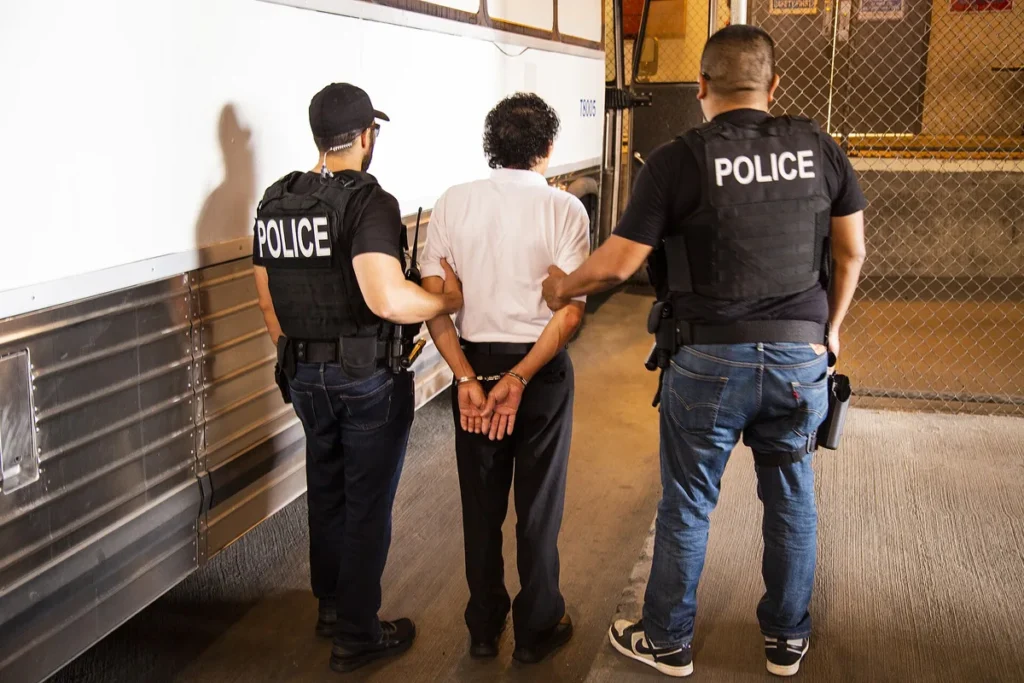
ICE Training Cuts: Watchdog Says Nearly 6,000 Officers Got Shortened Training
Nearly 6,000 new immigration officers received shortened training during the rush to hire for President Donald Trump’s deportation push, according to a draft report from the Department of Homeland Security’s own watchdog. The ICE training cuts, described in a 19-page draft from the DHS Office of Inspector General, touched almost every part of basic instruction, from firearms handling to lessons on how to tell whether a person in custody is a United States citizen. The New York Times obtained the draft and reported its findings on Friday, November 20, and the account has since been confirmed in reporting by The Independent, Mediaite and Raw Story. The report is still a draft, so its findings could change before a final version is published, but the picture it paints is already drawing sharp questions in Congress about who is carrying out immigration arrests across the country.
Table of Contents
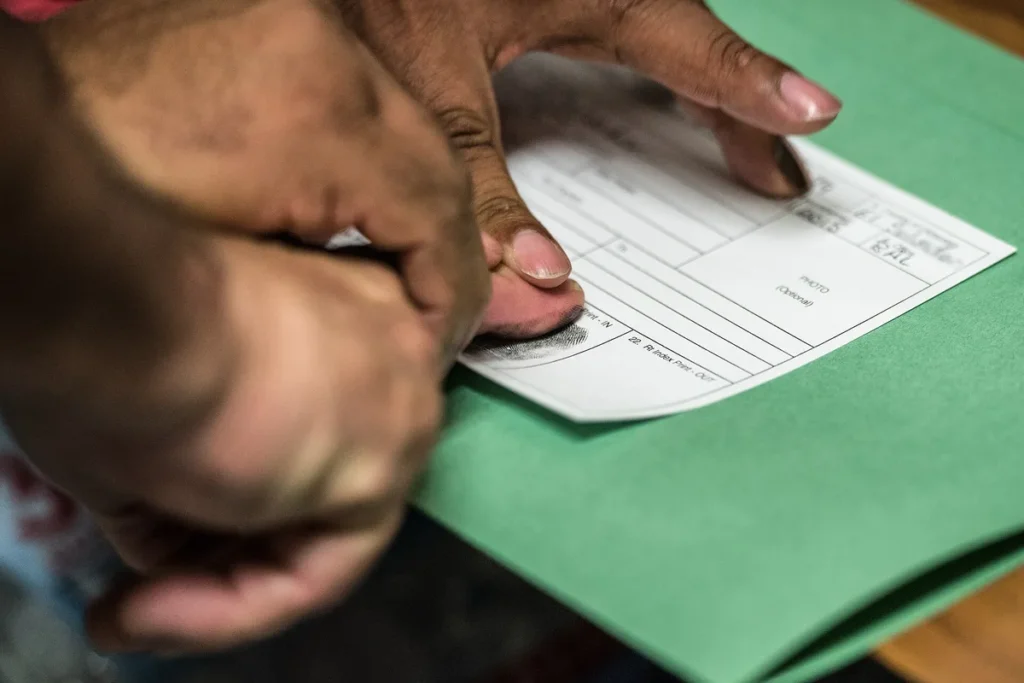
What the ICE Training Cuts Actually Changed
The draft report covers the period from August 2025 to July 2026, when U.S. Immigration and Customs Enforcement was racing to hire 10,000 new officers with tens of billions of dollars from Congress. According to the draft, the ICE training cuts fell into two groups, depending on whether a recruit already had law enforcement experience.
More than 3,500 recruits who had already worked in law enforcement were allowed to complete basic training online instead of attending a monthlong in-person program. More than 80 percent finished the online coursework within 10 days, more than 10 percent finished in under 24 hours, and at least five completed it in about two hours. The draft says some trainees simply clicked through the learning modules without absorbing the content. The in-person program they skipped covered firearms instruction, de-escalation techniques, arrest procedures and lessons on the use of force, the areas that matter most when an officer meets a member of the public.
For more than 2,000 recruits with no law enforcement background, the academy itself was shortened. Instruction fell from about 543 hours to roughly 300 hours, and the course shrank from 72 days to 42 days. The draft also says ICE dropped a rule that limited recruits to two attempts at a training test. After the cap was removed, one officer took the same test 32 times before passing. An official from ICE’s Enforcement and Removal Operations division told investigators that the virtual training appeared ineffective for many recruits and that he would have preferred in-person training even for those with prior police experience.
The problems did not stop when recruits left the classroom. Nearly 90 percent of ICE officials who oversee on-the-job training and answered the watchdog’s questionnaire said that program was not successful. One instructor went further, telling investigators the revised training was a “catastrophic failure.” A former ICE instructor turned whistleblower, Ryan Schwank, had already warned a congressional forum in February that the program was “deficient, defective, and broken.” At the time, DHS denied that any requirements had been eliminated, saying it had “streamlined training” and that “no subject matter has been cut,” according to CBS News. The draft report’s 72-to-42-day figure matches what Schwank described.

Who Ordered the Changes
The draft report names the people behind the reductions. It says former Homeland Security Secretary Kristi Noem and her senior adviser, Corey Lewandowski, strongly supported the changes, and that ICE’s former training chief told investigators he had been ordered to carry them out. The draft also says DHS officials did not explain the reasons for reducing the training.
The context was speed. Congress had provided tens of billions of dollars for the deportation push, and the administration wanted 10,000 new officers hired and deployed quickly. Training, which normally takes months, became the bottleneck, and the draft describes how the department chose to narrow it rather than slow the hiring. The funding behind that hiring push is part of the wider spending fight in Congress, where lawmakers are also facing a December 11 deadline to fund the government. Our earlier report on the government shutdown deadline explains how the funding dispute and the Iran war funding debate are tied together.
ICE has stressed in response that many of the new officers already had law enforcement backgrounds and had graduated from a police academy. DHS has also said officers are undergoing extra training. Those points do not answer the draft’s central finding, which is that the shortened program left gaps that have not been closed for officers already working in the field.
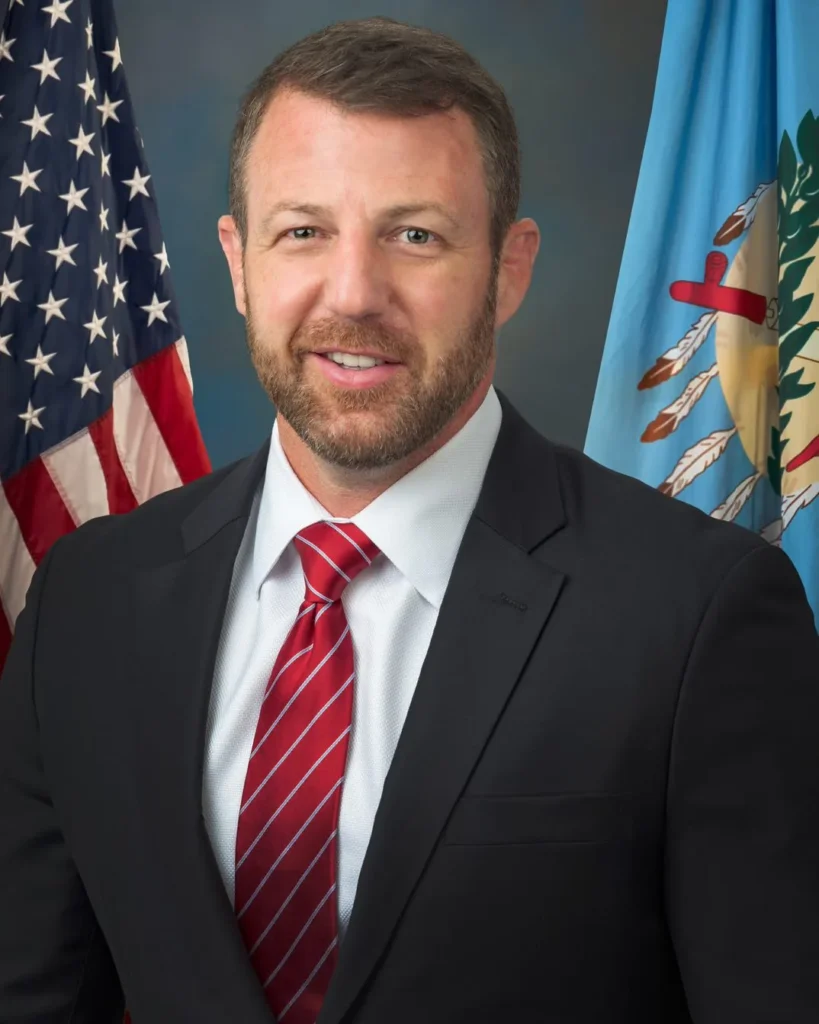
What Has Changed Since July
Markwayne Mullin, who now leads DHS, restored stricter training requirements in July, according to the draft as described by Raw Story. But the watchdog found that ICE “has not fully addressed training gaps” left by the earlier cuts, meaning officers trained during the shortened period may still be on the job without the missing instruction.
At a congressional hearing this week, Mullin said some decisions made before he became secretary were ones “we are having to undo,” according to Mediaite. He also told the House Homeland Security Committee that officers who have not completed full background checks or the full 13-week training are on administrative leave. The draft does not contradict that pledge, but it describes the scale of what Mullin’s team inherited and suggests that restoring standards for new hires does not by itself fix the training of officers already in the field.
The inspector general’s office has pushed back on how the draft became public. Inspector General Joseph Cuffari said his office strongly condemns the premature release of draft reports before the department has had the opportunity to complete its review and provide formal comments. That is a fair process point, and it means the numbers could still move. But the core facts, the online training, the shortened academy and the removed test limit, are now confirmed by multiple accounts of the same document, and the department has not disputed them.
Why the Training Gaps Matter
ICE officers make arrests, carry firearms and decide in the field whether someone may be a U.S. citizen. Those are exactly the skills the draft says were shortened: firearms instruction, arrest procedures, driving techniques and lessons on determining citizenship. A mistake in any of those areas can mean a wrongful arrest, an unsafe encounter or a use-of-force incident that should never have happened.
The timing makes the findings harder to ignore. ICE arrests at airports have stepped up since the summer, and the agency’s tactics are already under heavy public scrutiny. Just this weekend, masked agents detained two passengers on a jet bridge at Seattle airport, an incident our report on the Seattle airport ICE arrests covers in detail, and Washington Governor Bob Ferguson called for the agency’s abolition. A joint warning from the FBI, DHS and TSA ahead of Thanksgiving travel, covered in our Thanksgiving travel warning report, shows how closely the department is watching airport security right now. Against that background, a report saying thousands of officers were rushed through training with key lessons cut is not an abstract management story. It goes directly to public safety and to trust in the officers doing the work.
There is also a legal dimension. The Trump administration has moved to limit congressional oversight of federal agencies, including an executive order telling federal contractors to clear Congress requests with the White House, which we covered in our report on the federal contractors executive order. Democrats take control of Congress on January 3 and have said they plan to use oversight powers to examine ICE operations. The training report gives them a detailed, watchdog-sourced starting point.
What Happens Next
The inspector general’s office will now finish its review and publish a final report, and the figures in the draft could change. Three questions will decide how much this matters in practice. First, will officers trained under the shortened program be required to complete the missing instruction, and on what timetable? Second, will Congress demand the full report and hold hearings with the officials who ordered the cuts? Third, will any specific enforcement incident be linked to the training gaps? The accounts of the draft read so far do not make that link, and it would be wrong to claim one exists.
What is already clear is that the hiring push traded training time for speed, that the watchdog found the trade went too far, and that the officers affected are still working. Until the gaps are closed, every ICE arrest carried out by an officer from that cohort will carry the same question: was this officer trained well enough for the job they were sent to do? That question, more than any single number in the draft, is why this report matters.
Frequently Asked Questions
What did the DHS watchdog report find about ICE training?
A 19-page draft from the DHS Office of Inspector General found that nearly 6,000 ICE officers received reduced training between August 2025 and July 2026. More than 3,500 experienced recruits finished basic training online, some in about two hours, and training for new recruits was cut from 543 hours to about 300 hours.
Is the ICE training report final?
No. It is a draft report obtained by The New York Times, and the inspector general’s office has condemned its premature release. The findings could change before a final version is published after the department completes its review.
Who ordered the ICE training cuts?
The draft says former DHS Secretary Kristi Noem and senior adviser Corey Lewandowski strongly supported the reductions, and ICE’s former training chief told investigators he was ordered to carry them out.
Has ICE training been fixed?
Secretary Markwayne Mullin restored stricter training requirements in July, but the watchdog found ICE has not fully addressed the training gaps left by the earlier cuts for officers already in the field.
Conclusion
The draft watchdog report on ICE training cuts is a serious finding from the department’s own inspector general: nearly 6,000 officers were rushed through shortened training, with online courses finished in hours, test limits removed and field training judged a failure by the officials running it. The new DHS leadership has restored stricter standards, but the gaps for officers already on the job remain open. The final report, and Congress’s response to it, will show whether those gaps get closed or whether the shortcut becomes a lasting feature of immigration enforcement.
