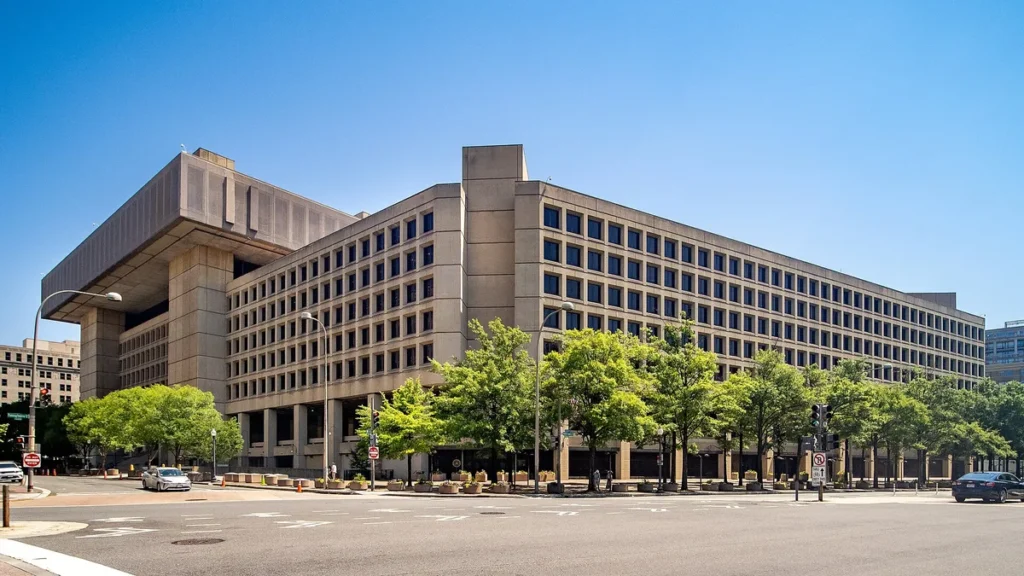
FBI Crime Database Hacked as Hackers Breach National Crime Information Center
The FBI is investigating an apparent breach of its nationwide crime database, CNN reported on Friday, November 20, and the fbi crime database hacked story is the second intrusion into an FBI system in recent months. The hackers targeted the National Crime Information Center, known as the NCIC, the database that federal, state, and local police use every day to check warrants and run background checks. The FBI has not said what data, if any, was viewed or stolen, and no group has been named as responsible. Here is what is confirmed, what is still unknown, and why the breach worries law enforcement.
Table of Contents

FBI Crime Database Hacked: What Happened
CNN reported on Friday that the FBI is investigating an apparent breach of the National Crime Information Center, citing two people briefed on the investigation. The intrusion was discovered in recent days, and bureau officials learned of it earlier in the week. Reuters carried the CNN report the same day, and the Jerusalem Post and the New York Post also reported the breach, citing CNN.
This is the second reported breach involving an FBI system in recent months. In September, a hacking group known as ShinyHunters attacked a website the FBI uses to recruit employees and stole sensitive personal information belonging to current and former FBI employees, according to Reuters. The FBI has not publicly confirmed the new breach. The bureau did not immediately respond to CNN’s request for comment, and it has not named a suspect or a hacking group. According to the Jerusalem Post, it remains unknown whether sensitive law enforcement information was accessed or stolen.
What Is the NCIC and Why It Matters
The National Crime Information Center is one of the most important systems in American law enforcement. According to the FBI, the NCIC is an information system that contains records contributed by, and accessible to, criminal justice agencies nationwide. Its purpose is to enhance officer and public safety, and the FBI itself has called it the lifeline of law enforcement. Officers use it during routine traffic stops to learn in seconds whether a driver is wanted or a vehicle is stolen, and it holds records on wanted fugitives, missing persons, stolen property, and protection orders.
The system is old and vast. The FBI launched the NCIC in 1967 with only five files and 356,784 records, and within four years all 50 states were connected. As of 2023, the National Crime Information Center held 22 files with more than 18 million active records, served more than 100,000 criminal justice and law enforcement partners, and averaged millions of transactions each day with a response time measured in milliseconds.
That scale is what makes a breach so serious. A former FBI official who led investigations into cybercriminal groups told CNN that every day, officers across the country rely on the NCIC to identify wanted fugitives, check outstanding warrants, and access information that can directly affect officer and public safety. The former official said the concern is not only whether hackers gained access to sensitive information, although that is an issue, but whether they could compromise the accuracy of the information that officers rely on. A database that police trust with their safety is dangerous if its records can be altered without detection.
What Is Still Unknown
Much about the incident remains unconfirmed. Investigators have not said how the attackers got in, exactly when the intrusion began, or what data was viewed, changed, or taken. It is not known whether the hackers reached criminal records, warrant files, or background check data, or whether they only touched the edges of the system. No hacker or group has been publicly named, and officials have not said whether the attackers were criminals, a foreign government, or someone else.
The FBI has also not said whether the NCIC system was taken offline, whether any records were altered, or what steps have been taken to secure it. Until the FBI speaks publicly, the public record rests on the two people briefed on the investigation who spoke to CNN, and on the bureau’s history of confirming breaches only after its own review is complete.

Director Patel and the Timing
The timing of the discovery added an awkward note to the week. On Thursday, after bureau officials learned of the latest cybersecurity incident, FBI Director Kash Patel appeared on Fox News to tout the FBI’s cybersecurity work. Patel used the appearance to discuss an operation completed months ago that urged companies to update their systems, and he referred to Operation Winter Shield as if it was still in progress.
“Other administrations could have made these updates, but they didn’t,” Patel said on Fox News. “We are staying ahead of the curve and making up for lost time.” Patel has not addressed the NCIC breach publicly by name, and the bureau has not said when he was briefed on the intrusion.
The Second Breach in Months
The NCIC intrusion follows a pattern of attacks on FBI systems. In September, the ShinyHunters group targeted sensitive employee personal data from an FBI jobs website. The group said it acted in response to a bureau warning against paying ransoms, according to the New York Post. A Canadian cybersecurity researcher and author has since been arrested and faces charges related to the ShinyHunters breach.
After the September breach, some FBI employees felt left in the dark about whether they were affected by the data theft, and underwhelmed by the security resources offered to victims, CNN previously reported. The new breach raises the same questions on a much larger scale, because the NCIC holds records that affect the public, not only bureau employees. There is also an older precedent: in 2023, hackers broke into a computer system the FBI’s New York field office used in child sexual exploitation investigations, including a system used to store images related to the Jeffrey Epstein probe, CNN previously reported.
A Wider Week of Cyber Trouble
The FBI breach is the latest in a string of cyber incidents and outages that have alarmed American officials over the past week. The discovery comes as the Trump administration has sought to reassure the public about the nation’s cybersecurity amid high-profile outages affecting banks, the National Security Agency, and the Federal Aviation Administration’s air traffic control system, according to CNN.
Only days earlier, hackers breached a system the United States Department of Agriculture uses to send payments to farmers, as covered in our report on the USDA cyberattack. On Thursday, November 19, the White House removed its top cybersecurity official, National Cyber Director Sean Cairncross, after the series of outages, as covered in our report on the White House cyber chief firing. A data breach at a vendor used by JPMorgan, Visa, and Mastercard was also disclosed this month, covered in our report on the JPMorgan data breach.
Officials have said the various outages were not linked to criminal activity, and the Jerusalem Post noted there is no indication that these incidents are connected to the fbi crime database hacked this week. But the cluster of incidents in a single month has put federal cybersecurity under unusual scrutiny, and the NCIC breach is the most sensitive of them, because it touches the system police rely on most.
What Happens Next
The investigation into the fbi crime database hacked incident will now determine what the hackers reached and whether anything was changed. The first questions are the basic ones: how the attackers entered the system, how long they were inside, and whether any records were viewed, copied, or altered. If records were altered, the FBI and its state and local partners would face the slow work of auditing millions of entries to find what changed, a task that could take months.
The second question is who did it. Attribution in cyber cases is slow, and officials may never name a culprit publicly. The third question is what the FBI tells the public. The bureau has not confirmed the breach, and its first public statement, when it comes, will set the tone for how much trust the public and local police place in the NCIC while the investigation continues. Congress is also likely to ask questions, as lawmakers have pressed the bureau before about breaches of its own networks. For now, police departments keep using the system, because they have no alternative.
Frequently Asked Questions
What is the NCIC database that hackers breached?
The National Crime Information Center is the FBI’s nationwide database of criminal justice records. It holds more than 18 million active records across 22 files, including warrants, missing persons, stolen property, and protection orders, and it serves more than 100,000 law enforcement partners across the country.
Was any sensitive information stolen in the FBI breach?
That is still unknown. CNN reported that the extent of the intrusion in the fbi crime database hacked case, including whether sensitive law enforcement information was accessed or stolen, remains unclear. The FBI has not publicly confirmed the breach or said what data was affected.
Who hacked the FBI crime database?
No hacker or group has been publicly named. The FBI is investigating the intrusion, and officials have not said whether the attackers were criminals, a foreign government, or someone else. The September breach of an FBI jobs website was attributed to the ShinyHunters group, but no link has been drawn to this incident.
Is the NCIC breach connected to the USDA hack or the recent outages?
There is no indication that the incidents are connected, according to the Jerusalem Post. Officials have said the recent outages affecting banks, the NSA, and the FAA were not linked to criminal activity, while the FBI and USDA incidents were described as hacks.
Conclusion
The reported breach of the FBI’s National Crime Information Center is a serious incident, even with so much still unknown. The NCIC lets police officers across America check a warrant, identify a fugitive, or run a background check in seconds, and it has served that role since 1967. The FBI is investigating, but it has not confirmed the breach, named a suspect, or said what data was touched. What happens next depends on three questions: what the hackers reached, whether any records were changed, and how quickly the bureau tells the public what it found.
