Houthi Missile Hits Riyadh’s Tallest Tower in Strike on Saudi Wealth Fund HQ
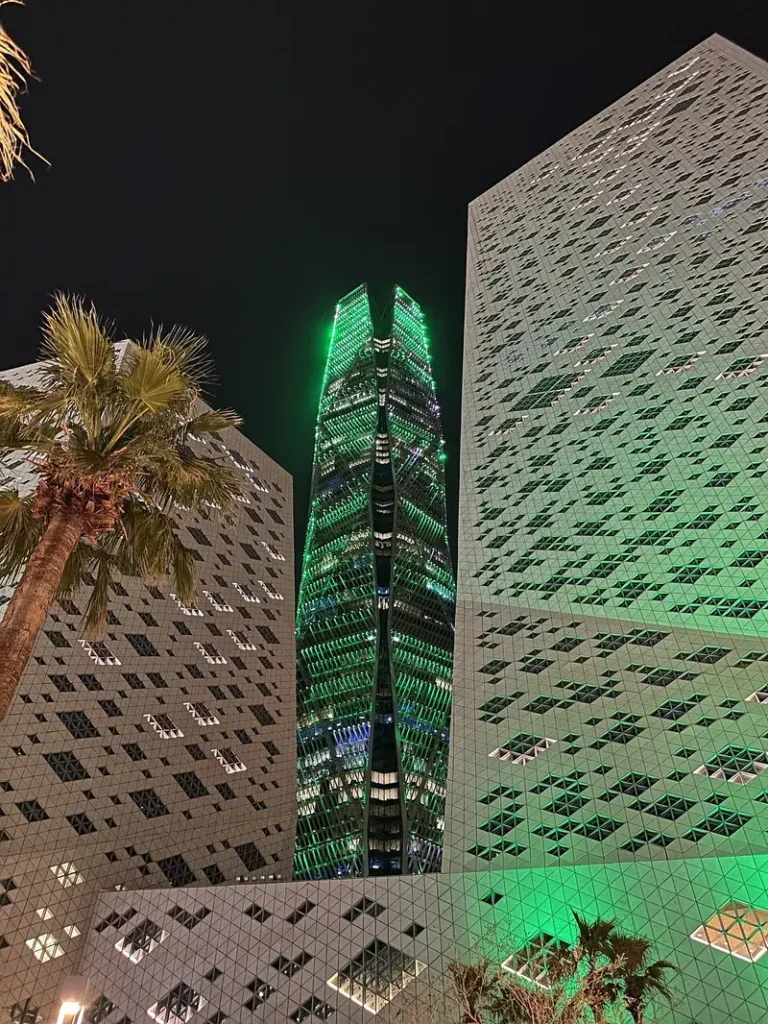
The houthi missile riyadh strike in the early hours of Thursday 19 November 2026 hit the Public Investment Fund Tower, Saudi Arabia’s tallest skyscraper and the headquarters of the kingdom’s sovereign wealth fund. The 80 storey tower, which rises 385 metres above the King Abdullah Financial District, suffered blown out windows across seven to eight floors, with parts of its metal facade bent by the impact.
There were no immediate reports of casualties. Entrances to the financial district were closed, people were evacuated from the area, and ambulances and fire trucks were sent to the scene. Residents across the capital were woken by a loud boom, and journalists from AFP heard a powerful blast in the early hours. Civil defence issued a warning of “potential danger” and then said minutes later that the danger had passed.
Table of Contents
What Happened at the PIF Tower
The strike hit one of the most prominent buildings in the Saudi capital. The PIF Tower stands at the heart of the King Abdullah Financial District, a cluster of glass towers that symbolises the kingdom’s ambitions as a global financial centre.
Three sources told Reuters the building was struck by an incoming Houthi missile. The Saudi-led coalition said it had “dealt with a missile threat” launched by the Houthis towards Riyadh. Coalition spokesman Turki al-Malki said an initial assessment indicated debris impact, with material damage being surveyed. The Houthis issued no immediate statement on the strike itself, and the Public Investment Fund acknowledged a request for comment from Reuters.
The confusion in the first hours was typical of such attacks, as missiles and debris can be hard to tell apart and official statements arrive in stages. What was clear was that a landmark in the heart of Riyadh’s financial district had been hit.
Who Claimed the Attack
Houthi military spokesman Yahya Saree said on X that the group had targeted Riyadh’s international airport and the capital’s financial district with cruise missiles. His statement did not mention the PIF Tower by name, and the group issued no immediate claim for the strike itself.
The coalition’s account pointed in the same direction: it had dealt with a missile threat launched by the Houthis towards Riyadh, and its spokesman described debris impact at the tower. Together the accounts suggest the tower was hit during an attack aimed at the financial district, whether by a direct strike or by falling debris.
The same day, the coalition said it had intercepted five ballistic missiles launched towards Saudi Arabia’s southern region, which borders Yemen. It also said it had destroyed a launch platform in Dhamar, about 100 km south of Sanaa, used to strike Riyadh. Saudi aircraft carried out airstrikes on Sanaa early on Thursday, according to the Houthi-run Saba news agency.
A Second Strike in Under Two Weeks
The attack on the PIF Tower was the second time in under two weeks that a Houthi attack damaged a landmark in the King Abdullah Financial District. On 8 November, the building of state oil giant Aramco was hit in the same district, in a strike that underlined the vulnerability of even the most heavily protected parts of the capital.
The pattern of attacks on Riyadh has been building for weeks. In October, a deadly attack on King Khalid International Airport killed 14 people and injured hundreds, forcing flight suspensions for two weeks. The Houthis have stepped up attacks on Saudi airports, energy infrastructure, military sites and the financial district.
The night before, another powerful explosion rattled homes in Riyadh on Wednesday 18 November, with no mobile alerts issued beforehand. The coalition said it had intercepted two Houthi drones in the Riyadh and southern regions. The back to back incidents have left residents on edge and raised questions about how the kingdom’s air defences are coping.
The King Abdullah Financial District

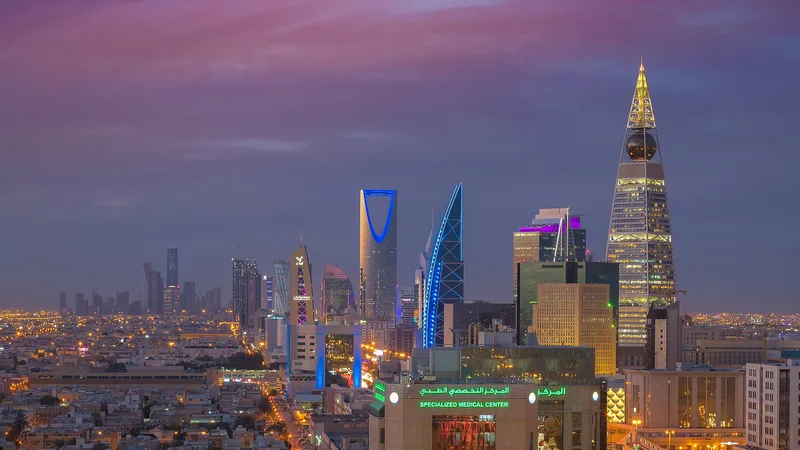
The King Abdullah Financial District, known as KAFD, is the financial heart of the Saudi capital. It hosts the Saudi stock exchange and the offices of multinationals such as Goldman Sachs, alongside the headquarters of the Public Investment Fund. Its towers dominate the skyline of northern Riyadh, and the PIF Tower is the tallest.
The choice of target was symbolic as well as practical. The PIF is chaired by Crown Prince Mohammed bin Salman, holds more than 900 billion dollars in assets under management, and is one of the world’s largest sovereign wealth funds. It is the main instrument for diversifying Saudi Arabia’s economy away from oil. A strike on its headquarters sends a message about the reach of the Houthis, and about the costs of the war in Yemen.
The disruption also feeds into energy markets at a time when global inflation hits 4.7 percent, and when oil prices are sensitive to any sign of instability in the Gulf. The conflict has already spilled into shipping lanes, after three oil tankers hit mines in the Strait of Hormuz.
The Wider War in Yemen and the Region
The attacks are part of a wider war that has escalated sharply in recent months. Yemen’s civil war reignited in July 2026 after a ceasefire that had held since 2022. Since then, the Houthis have seized swathes of territory from the Saudi-backed government, including the entire Red Sea coast and the Bab el-Mandeb Strait, and they have surrounded the city of Taiz.
More than 1,600 people have been killed and more than 300,000 displaced in the latest round of fighting, according to the United Nations, adding to a humanitarian crisis that was already among the worst in the world.
The regional war began in February, when the United States and Israel attacked Iran. There has been no breakthrough in the Qatar-mediated negotiations, and Iran has fired at US allies Bahrain and Kuwait, in the episode in which Iran attacks Kuwait US base after American strike. US airstrikes hit Iran’s Qeshm Island on Tuesday. Washington is meanwhile active on other fronts, after the US and Venezuela sign military pact.
Saudi officials now foresee the campaign in Yemen stretching for up to six months, according to Reuters, citing two Western officials briefed by the Saudis. The Saudis replaced the commander of their coalition fighting in Yemen this week. Crown Prince Mohammed bin Salman met US Central Command chief Admiral Brad Cooper in Riyadh on Wednesday, his third publicly reported visit since the conflict resumed.
Frequently Asked Questions
What was hit in Riyadh on 19 November 2026?
A suspected Houthi missile struck the Public Investment Fund Tower in Riyadh, Saudi Arabia’s tallest skyscraper at 80 storeys and 385 metres high. The tower is the headquarters of the Saudi sovereign wealth fund in the King Abdullah Financial District. Windows were blown out across seven to eight floors and parts of the facade were bent.
Who claimed responsibility for the attack?
Houthi military spokesman Yahya Saree said on X that the group targeted Riyadh’s international airport and the capital’s financial district with cruise missiles. The Houthis issued no immediate statement on the strike on the PIF Tower itself. The Saudi-led coalition said it had dealt with a missile threat launched by the Houthis towards Riyadh.
Were there any casualties?
There were no immediate reports of casualties from the strike. Entrances to the financial district were closed, people were evacuated from the area, and ambulances and fire trucks were sent to the scene. Civil defence issued a “potential danger” warning and then said minutes later that the danger had passed.
Has this happened before?
Yes. It was the second time in under two weeks that a Houthi attack damaged a landmark in the King Abdullah Financial District, after the Aramco building was hit on 8 November. In October, an attack on King Khalid International Airport killed 14 people and injured hundreds, forcing flight suspensions for two weeks.
Why does the PIF Tower matter?
The tower is the headquarters of the Public Investment Fund, chaired by Crown Prince Mohammed bin Salman, with more than 900 billion dollars in assets under management. The fund is one of the world’s largest sovereign wealth funds and the main instrument for diversifying the Saudi economy away from oil.
Conclusion
The houthi missile riyadh strike on the PIF Tower shows how far the war in Yemen has now reached into the heart of the Saudi capital. In under two weeks, two landmarks in the King Abdullah Financial District have been damaged, and the attacks on airports, energy sites and financial towers are becoming more frequent. With Saudi officials expecting the campaign to run for up to six months, and with no breakthrough in the wider regional negotiations, Riyadh faces a sustained threat to the symbols of its economic transformation. The question now is whether the kingdom’s defences and diplomacy can keep pace with the tempo of the attacks.
