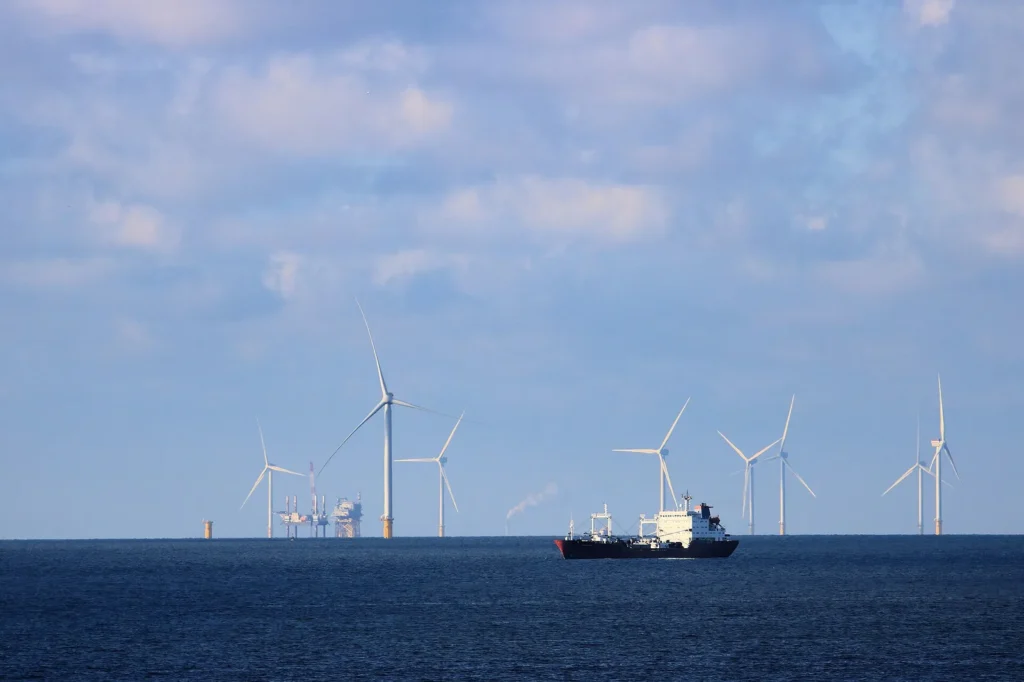
Three Oil Tankers Hit Mines in the Strait of Hormuz, Iran Says
Iran says three oil tankers caught fire after hitting naval mines in the Strait of Hormuz, according to statements from Iran’s navy and the Revolutionary Guards navy issued on Saturday. The claims have not been independently verified. The reported incidents involve strait of hormuz tankers that Iranian forces say were sailing without their tracking and identification systems switched on, in waters Tehran now treats as restricted.
The statements, carried by Iranian state broadcaster IRIB on Saturday, describe fires on three tankers in and around the narrow waterway linking the Persian Gulf to the open sea. Iranian officials say the vessels struck naval mines. The statements gave no names or origins for the vessels, and no casualty details. For the full report of the Iranian statements, see this report from The Manila Times.
Table of Contents
What Iran Says Happened to the Strait of Hormuz Tankers
The Revolutionary Guards, known as the IRGC, said two oil tankers exploded and caught fire after striking a naval mine in the south of the Strait of Hormuz. The IRGC navy said the two vessels had switched off their radar and positioning systems and were secretly attempting to transit the strait through an unauthorised route. The Guards said one of the two was a supertanker, a very large crude carrier.
Iran’s conventional navy described a third incident in a separate statement. It said another tanker, in what it called an unsafe and prohibited zone east of the strait with its tracking and identification systems switched off, caught fire and was forced to stop after striking a naval mine. That happened on Saturday morning, according to the navy.
The IRGC navy also said two other tankers attempting to pass through the strait turned back after receiving warnings from the IRGC’s Naval Traffic Control Centre. The Armed Forces’ navy warned that any vessel entering the restricted zone would meet the same fate. It also criticised tanker owners, in the Iranian navy’s own words, for relying on assurances from US President Donald Trump.
The Strait of Hormuz and Why It Matters
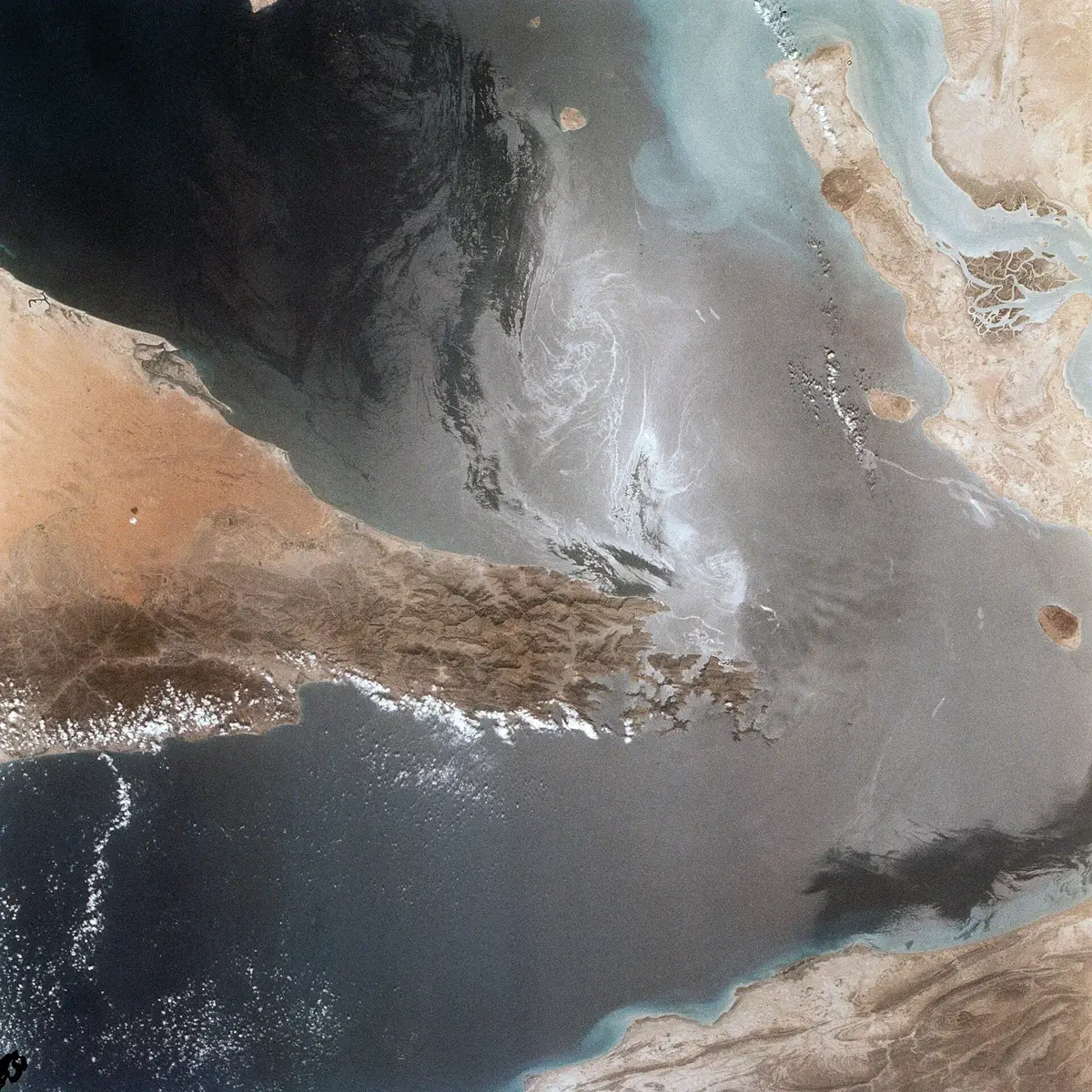
The Strait of Hormuz is one of the world’s most important oil transit routes. The narrow channel links the Persian Gulf, where several major oil producers load their crude, with the Gulf of Oman and the wider oceans beyond. Tankers carrying oil and liquefied gas from the Gulf must pass through it, which makes it a chokepoint for global energy shipping. Any disruption there draws attention from governments, shipping companies and energy markets, because delays or danger in the strait can slow the movement of oil to buyers around the world.
The strait is narrow and heavily used, and naval forces from several countries operate in the area. That mix of heavy traffic and military tension is why even unconfirmed incidents are watched closely. A single reported mine strike can raise questions about route safety, insurance, and delayed voyages.
No independent photographs have been published, no vessel names released, and no shipping company has confirmed that one of its ships was involved. Readers should therefore treat the Iranian account as a claim awaiting independent confirmation, and any report about strait of hormuz tankers should be read with that caution in mind.
Iran’s Naval Restrictions and the United States Response
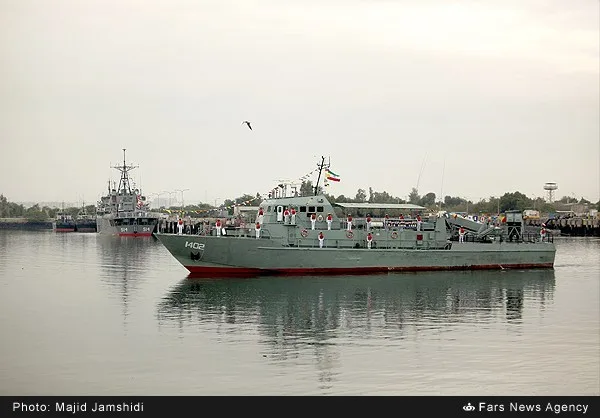
Tehran has insisted since February that vessels obtain its authorisation to cross the strait, and it has attacked ships that do not comply. In Iran’s account, the vessels were not simply unlucky. They were, in Tehran’s view, breaking its rules by sailing without their tracking systems on and by using routes it had not approved.
The United States has responded to Tehran’s choking of the strategic trade route by imposing a naval blockade on Iranian ports. Washington also provides military support to tankers using the waterway. The US military says it has cleared the main routes through the waterway of mines. That sits in tension with Iran’s claims, because if the main routes are clear, the reported strikes would have happened on routes Tehran calls unauthorised, or outside the cleared lanes.
The dispute is part of a wider US-Iran conflict that has shaped shipping in the region for months. For background, see our report on the US strikes on Iran and what followed, and our report on Iran’s radar claims around Bahrain. Tanker safety is a recurring concern in such standoffs, and it is not limited to the Gulf, as shown by the tanker and cruise ship incident in New Orleans.
Why Verification Matters Here
The mine strikes have not been independently verified. Reuters reported that it could not immediately verify the Iranian navy’s statements. The United Kingdom Maritime Trade Operations centre, known as UKMTO, had not confirmed the incidents at the time of publication. UKMTO collects and shares reports of maritime security incidents in the region, so its silence is significant. Without a vessel name, flag or owner, outside observers cannot check a ship’s position history, cargo or crew, which makes verification harder still.
There are reasons to be careful with claims from any side in an active conflict. Governments at war have an interest in shaping how events are understood. That does not mean the Iranian claims are false. It means they should be read as claims until independent evidence appears, and that caution applies to every report about the strait of hormuz tankers. Such evidence could include statements from ship owners, satellite imagery, or confirmation from UKMTO.
A Pattern of Incidents in Recent Weeks
Iran’s armed forces have reported several fires or explosions on ships in the strait in recent weeks, often saying the vessels struck mines. The Guards released footage on Friday of a large plume of smoke rising from a vessel it said was carrying liquefied gas and hit a mine in the south of the strait.
British maritime data firm Lloyd’s List Intelligence recorded 37 ship attacks in and around the Strait of Hormuz last month. Reports on 14 November said five ships had been hit or affected by incidents in and around the strait within 24 hours, although that figure is not a confirmed count. Naval mines are a persistent hazard in a busy waterway, and they can remain dangerous long after they are laid.
Frequently Asked Questions
Have the mine strikes on the three tankers been confirmed?
No. Reuters reported that it could not immediately verify the Iranian navy’s statements, and the UK Maritime Trade Operations centre had not confirmed the incidents at the time of publication. The claims come from Iran’s navy and the Revolutionary Guards navy, as carried by state broadcaster IRIB. Until ship owners, other navies or UKMTO confirm them, the mine strikes should be treated as Iranian claims, not established fact.
What is known about the three ships?
Very little. The Iranian statements did not provide the names or origins of the vessels, and they gave no casualty details. The IRGC navy said one of the two tankers hit in the south of the strait was a supertanker. Beyond that, no information has been released about the ships’ flags, owners, cargoes or crews, so further reporting depends on new information from shipping sources.
Why does Iran say the tankers were in a restricted zone?
Iran says the tankers had switched off their radar and positioning systems and were using unauthorised routes, including what its navy called an unsafe and prohibited zone east of the strait. Tehran has insisted since February that vessels obtain its authorisation to cross the strait. The United States disputes Tehran’s authority over the waterway and provides military support to tankers using it.
Why is the Strait of Hormuz so important?
The strait is one of the world’s most important oil transit routes, linking the Persian Gulf with the open sea. Tankers carrying oil and liquefied gas from Gulf producers must pass through it. Because the channel is narrow and heavily used, any threat to shipping there can affect energy supplies, shipping costs and insurance rates, which is why reported incidents draw close attention.
The latest claims about the strait of hormuz tankers will remain uncertain until independent evidence emerges. The Iranian statements describe three tankers on fire after mine strikes, two more turned back after warnings, and a warning for any vessel entering the restricted zone. Those claims are serious, and they fit the pattern of confrontation around the strait since February.
But without vessel names, casualty details or independent confirmation, the full picture is still missing. The next step is to watch for statements from ship owners, updates from UKMTO, and reports from other navies. Until then, the story is best described in the terms Iran itself used: Iran says three oil tankers hit mines in the Strait of Hormuz.